
A realistic public-transport trip in North Vietnam links Hanoi, Ninh Binh and Hai Phong by rail or intercity bus, then uses walking, metro, local bus, taxi or ride-hailing for the last kilometers. Mountain regions, remote villages and cruise ports usually need a booked shuttle or local vehicle even when the main route is public transport.
Build the itinerary around confirmed departures and station locations. Do not count a route as simple because two cities are connected on a map.
Use Hanoi as the network base
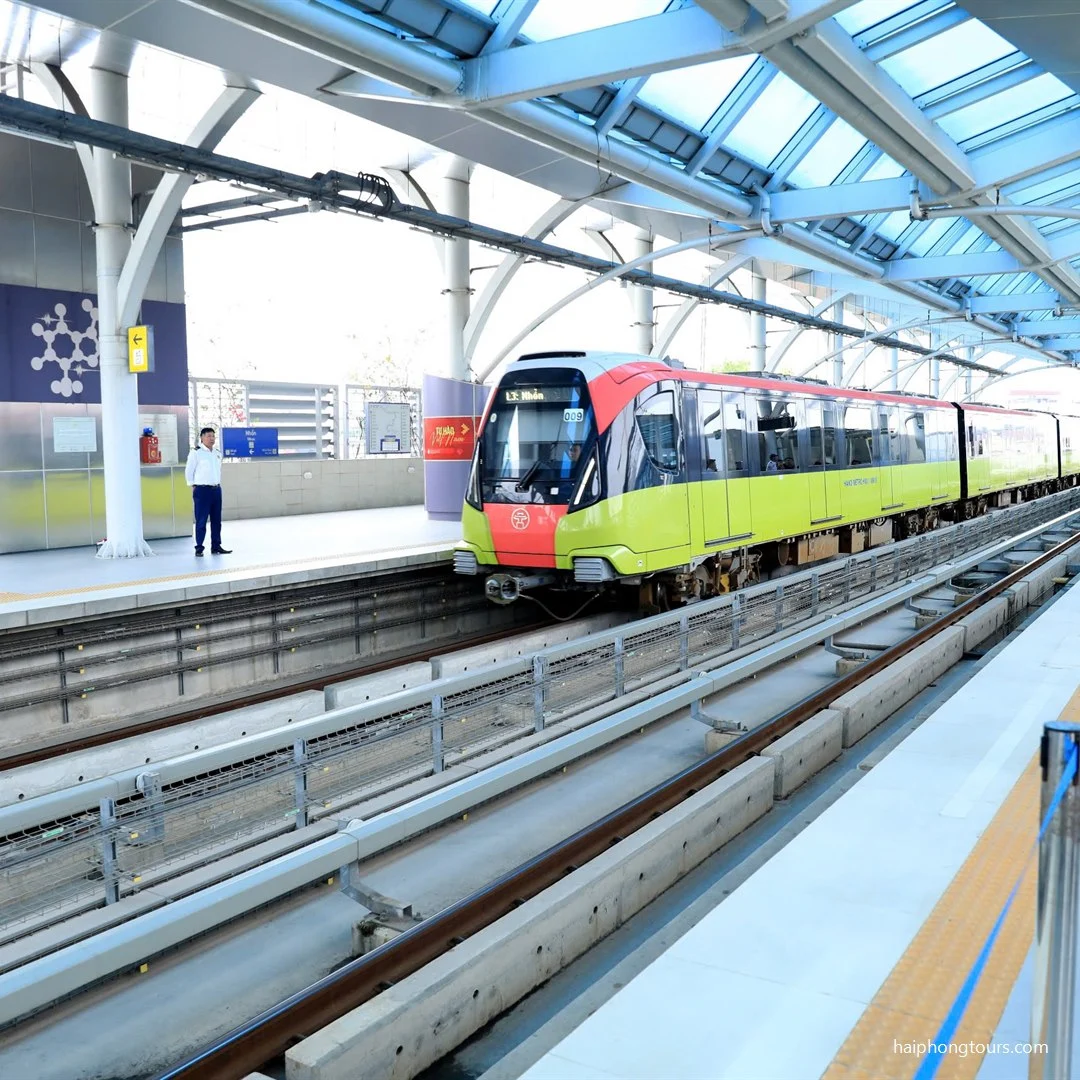
Hanoi has railway stations, intercity terminals, local buses and two operating metro services in 2026. The metro is useful only when its actual stations match your route; it is not a complete city network.
Check the official Hanoi Metro map and current operating notice on the day of travel. Allow time between a metro station and the railway or bus terminal because names such as Hanoi Station can be confused with a planned or partially operating section.
Choose a rail-led core
- Hanoi–Ninh Binh: useful for city-to-city movement, followed by local transport to Tam Coc, Trang An or a rural stay.
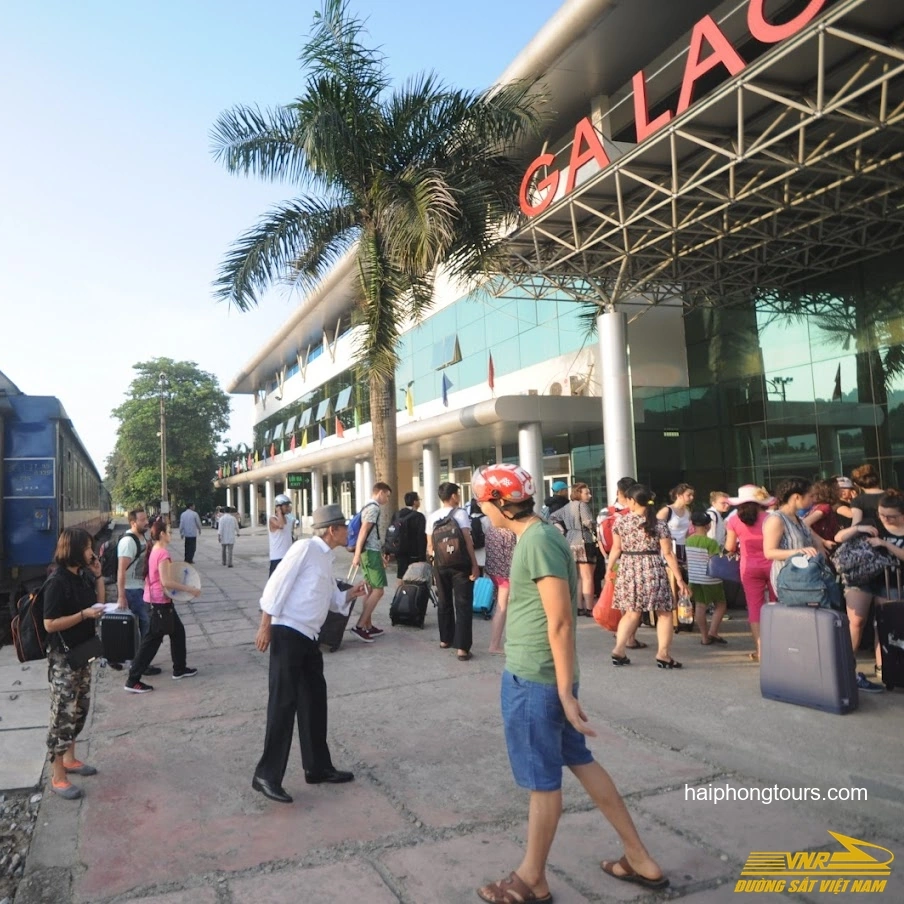
- Hanoi–Hai Phong: a practical daylight rail trip, followed by walking or local transport in the city.
- Hanoi–Lao Cai: the railhead is not Sapa; the mountain transfer remains a separate leg.
- North–south railway: useful when continuing beyond the northern focus, with seat and sleeper choices.
The train-first North Vietnam guide explains station, berth and timetable checks.
Use buses for the gaps rail does not solve
Intercity buses and limousines can reach mountain and coastal destinations, but pickup points, vehicle size and drop-off areas vary. Confirm the exact terminal or hotel zone, luggage allowance, intermediate stops and whether the vehicle change is included.
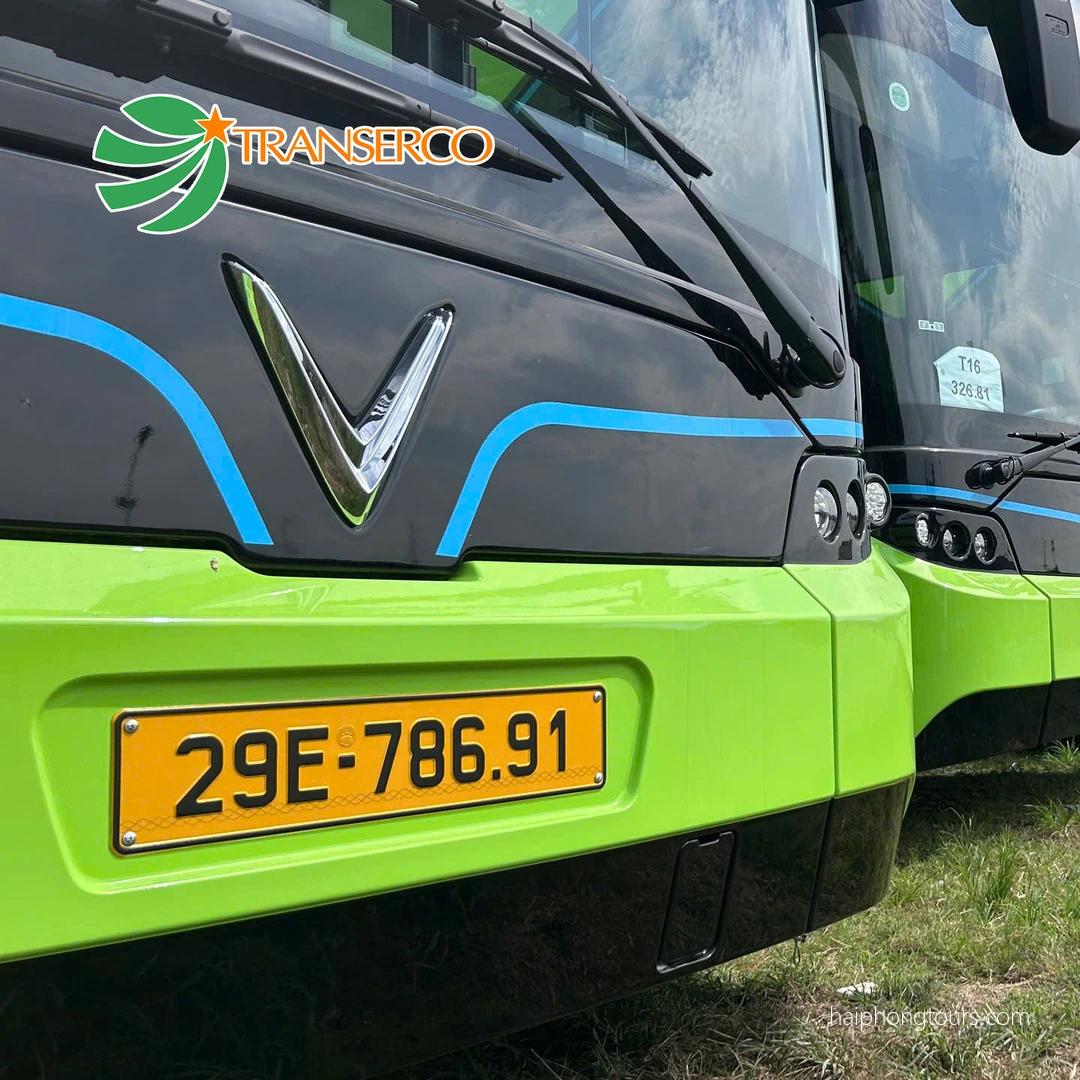
A door-to-door claim may still involve a meeting point or feeder vehicle. Save the operator’s contact and the address in Vietnamese.
Plan the last mile first
- Mark the station or terminal, not only the destination name.
- Check the distance to the accommodation.
- Confirm whether local buses, taxis or ride-hailing operate at the arrival time.
- Keep a backup address and fare method.
- Avoid the last arrival of the day when no fallback exists.
Luggage changes every connection
Use luggage you can lift onto a train, through a station and into a small vehicle. Keep medicine, documents and electronics with you. Ask before bringing a large suitcase onto a shuttle, shared van or local bus.
The North Vietnam luggage guide covers storage, through-routing and cruise transitions.
A public-transport eight-day route
- Days 1–3, Hanoi: walking, bus and metro where the line fits.
- Days 4–5, Ninh Binh: train or bus, then one local base and booked sightseeing transport.
- Days 6–7, Hai Phong: rail or intercity bus, central city on foot and local rides.
- Day 8: return to Hanoi with a same-day backup departure.
Cat Ba, Ha Long, Ha Giang, Cao Bang and remote mountain areas require extra transfer research. Public transport can reach the region without making every final activity walkable.
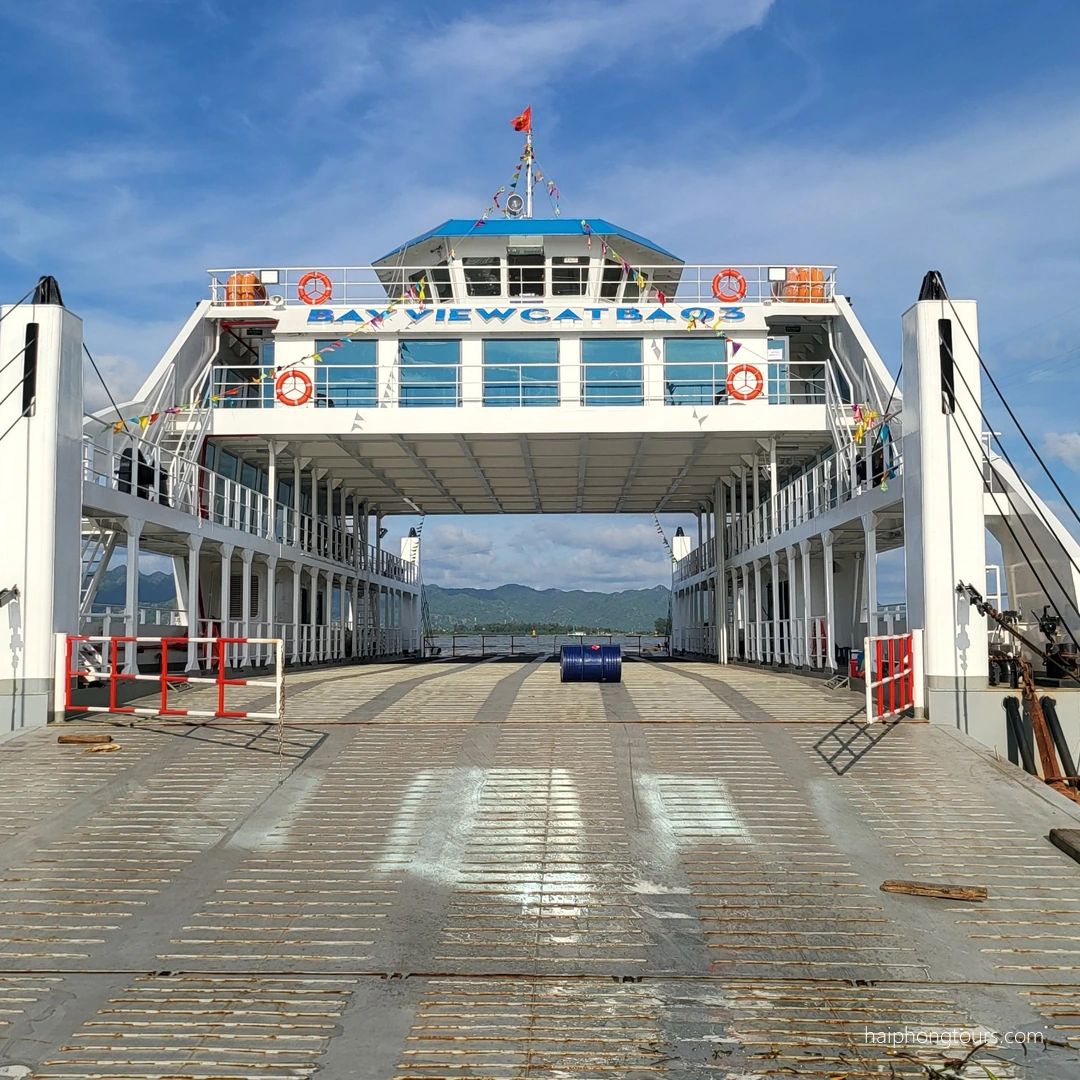
A no-motorbike itinerary succeeds when the last mile, luggage and late arrival are solved before the main ticket is purchased.
Build the trip from protected corridors
A public-transport-only itinerary works best when each travel day has one main intercity movement and one simple local connection. Hanoi, Hai Phong, Ninh Binh, Ha Long, Lao Cai and major provincial cities provide the strongest hubs. Remote valleys and mountain villages often require a shuttle, local car or motorbike handover even when the main leg uses a train or coach.
Write every station and operator office, not only the city. Compare arrival time with hotel reception and local transport. An overnight service may save daylight but can arrive before check-in; reserve a waiting place and avoid attaching a difficult trek or ride to a sleepless arrival.
Use trains where they solve the corridor
Rail is useful on routes with a station near the real destination, including Hanoi–Hai Phong and Hanoi–Lao Cai for onward travel. It is less useful when reaching the station requires two taxis and the destination still needs a long mountain road. Check the station name, train number, baggage and current timetable before booking.
Use coaches and limousines with exact offices
A coach ticket may show a city while boarding and drop-off use private offices outside the center. Ask for map pins, baggage rules and the last-mile plan. Shared limousines can provide hotel-area service on popular corridors, but “door to door” may still exclude narrow lanes, islands and remote homestays.
Plan remote sections before the main ticket
Ask the accommodation which current service reaches it and whether a local pickup can be reserved. Do not rely on an old online timetable or expect an app taxi after dark. For islands, parks and reservoir stays, distinguish the road terminal, boat or park entrance and final property.
Keep the itinerary resilient
- Use a minimum of transfers on travel days.
- Keep terminal pins and operator phones offline.
- Allow food, toilet and baggage time between tickets.
- Carry cash for small local vehicles without assuming a quoted fare.
- Book the remote final leg before leaving the last major hub.
- Keep one flexible night before an international flight.
A practical route-building sequence
Start with the fixed international arrival and departure, then place two or three strong rail or coach corridors between them. Add remote destinations only after proving the final connection in both directions. Stay at least two nights when a place needs a long feeder journey; otherwise most of the visit becomes transport. Keep the last night near the departure airport or on a direct, frequently served corridor.
Public transport can cover a rich northern itinerary without self-riding, but it should not be forced into every final kilometer. A short pre-arranged local vehicle is still compatible with a low-car trip and can prevent an unsafe roadside arrival.
Hai Phong Tours recommends confirming the complete door-to-door chain before paying, especially when separate operators or a fixed connection are involved.
Would you like help fitting this experience into your trip? Contact us with your travel dates, starting point, available time and group size. Tell us about walking limits or special interests so we can suggest a practical itinerary.