
You can travel through North Vietnam during the rainy season, but the route should be designed around flexibility rather than a fixed chain of one-night stops. Rain is often uneven: Hanoi may have a short heavy shower while a mountain district experiences landslides or the coast faces a tropical storm. The practical response is to keep buffer time, avoid tight same-day connections and move outdoor activities to the clearest part of the forecast.
For most northern destinations, the wetter and hotter period generally falls from June through August, with conditions varying by place and year. This is also a green season with full rivers, lush valleys and active rice landscapes. It can be rewarding if you accept that views, trails, boats and transport may change at short notice.
Who should choose a rainy-season trip?
This period suits travelers who can change plans, enjoy green scenery and do not need every mountain viewpoint to be clear. It is less suitable when the trip depends on a single exposed trek, a zero-buffer cruise connection, a self-drive mountain route or a tightly timed international flight after a remote stay.
If rain would ruin the purpose of the trip, change the season or narrow the route to cities and accessible lowland destinations. If you can enjoy food, museums, cafés, villages and landscapes in mixed weather, the season remains viable.
How rainy-season conditions differ by region
Hanoi and the Red River Delta
Expect heat, humidity and periods of intense rain. Streets can drain slowly during a heavy downpour, and walking becomes less comfortable than the daily distance on a map suggests. Schedule outdoor neighborhoods and monuments early, then keep museums, cafés, cooking activities and shopping as movable afternoon options.
Ninh Binh
The karst scenery stays green, but rain affects cycling, stone steps and open boats. Trang An and Tam Coc boat operations depend on local conditions. Carry rain protection that does not block your movement, protect electronics and avoid climbing Hang Mua when steps are slick or storms are nearby. Two nights are more useful than a rushed day trip because they give you another weather window.
Ha Long Bay, Lan Ha Bay and Bai Tu Long Bay
Coastal weather is the most consequential part of the route. Tropical storms, strong wind or poor conditions can lead authorities to restrict or stop sailings. The operator does not control that decision. Build at least one buffer night between a cruise and an international departure, and read the booking terms for weather disruption before paying.
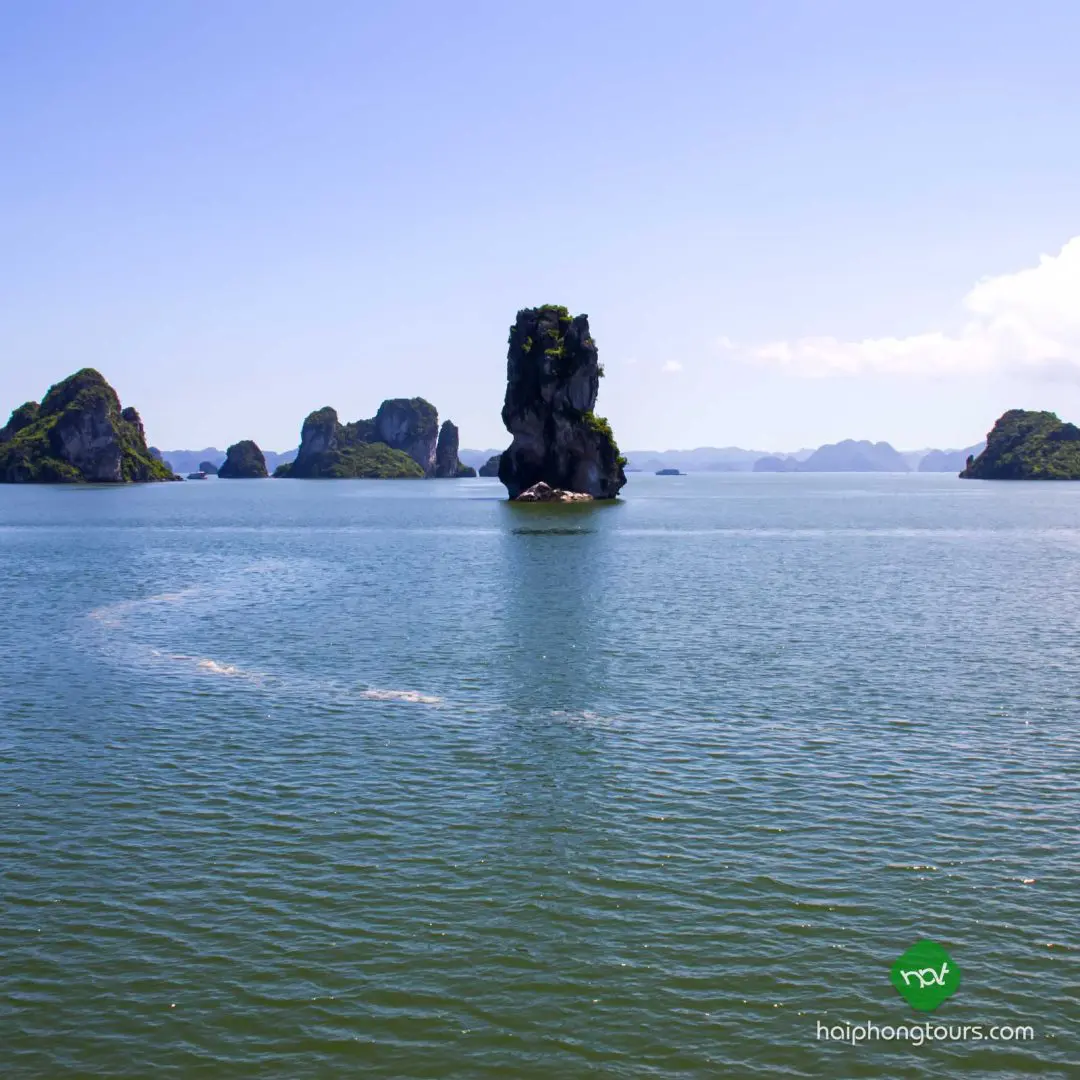
Ha Long and Lan Ha have day and overnight products. Bai Tu Long is too far for an HPT one-day program, so treat it as an overnight choice. Compare current routes in the Hai Phong Tours cruise directory, then verify the bay, port, duration, transfer and weather policy for the exact product.
Sapa, Ha Giang, Cao Bang and other mountain areas
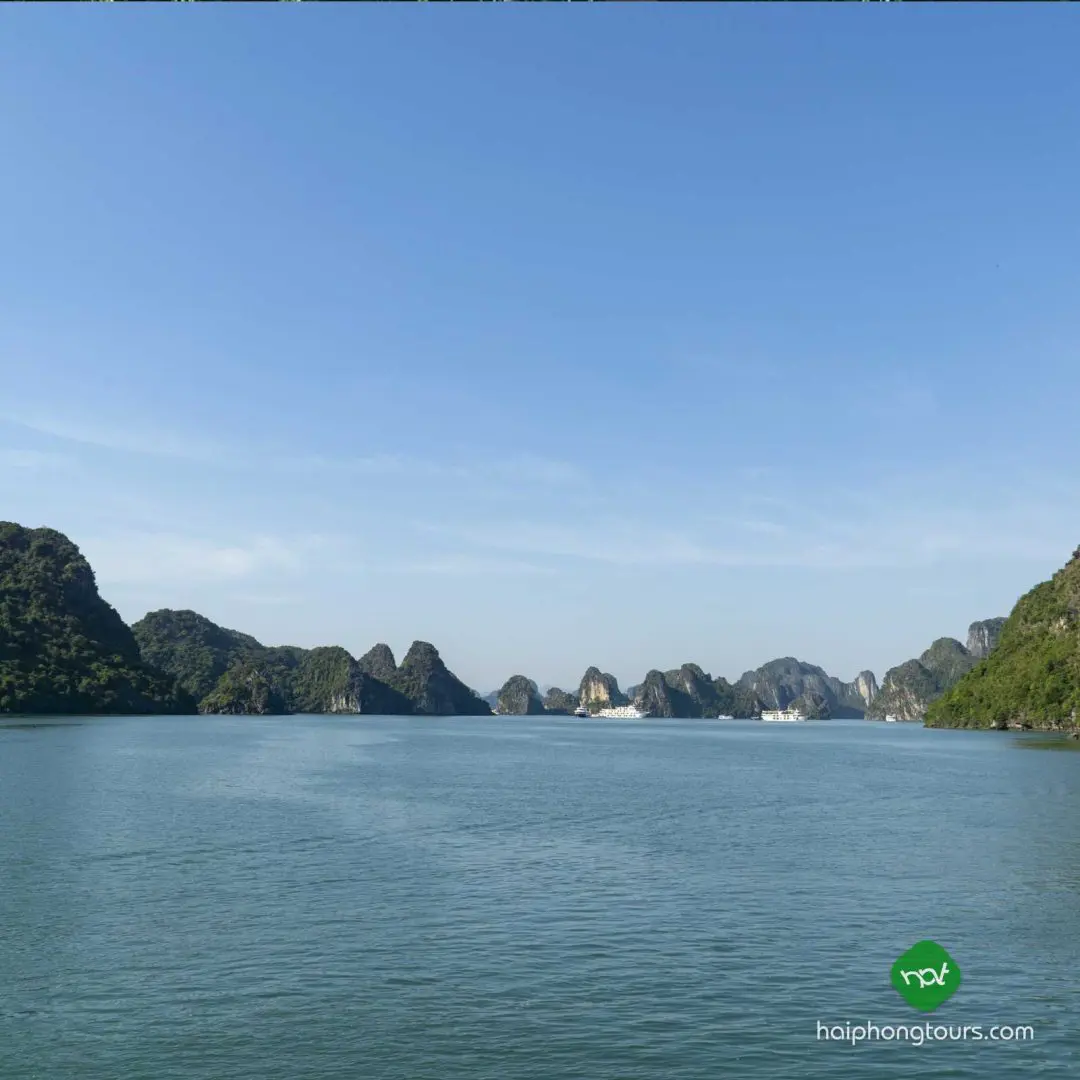
Cloud can hide the view, while prolonged or intense rain can cause slippery paths, rockfall, landslides and road disruption. A route that remains passable in town may not make a remote pass or village trail sensible. Use a local forecast and local road information, and let the driver or guide change the day when conditions deteriorate.
Do not treat a rain jacket as a solution to a dangerous road. If visibility, slope stability or water level is the issue, wait or change the route. Mountain travel deserves more spare time than Hanoi or Ninh Binh.
A resilient 10-day rainy-season itinerary
This route keeps major travel days short enough to adjust and puts a buffer before the flight.
Days 1–3: Hanoi
Use the first morning for the Old Quarter, Hoan Kiem Lake or an outdoor site. Keep at least two indoor alternatives ready for each day. A group activity can be useful when rain changes the plan because transport and timing are coordinated. The current Hanoi City Group Tour has different package formats; reconfirm the selected itinerary, pickup and any weather-related adjustment.

Days 4–5: Ninh Binh
Travel during daylight and stay two nights. Choose the clearest forecast window for a boat ride, then use the other half-day for Hoa Lu, Bai Dinh or a relaxed village visit according to location and interest. Avoid making a steep viewpoint climb the non-negotiable centerpiece.
Days 6–7: Bay or coastal alternative
Book a day or overnight cruise only with a clear cancellation and rescheduling understanding. If sailing is restricted, use the time for a city stay in Ha Long or Hai Phong rather than chasing an unofficial boat. Never accept a seller’s claim that a small private craft can ignore an official suspension.
Days 8–9: Hanoi buffer and flexible day
Return to Hanoi with a full day before the international flight. If earlier plans ran normally, use the spare day for a museum, food walk or an accessible day trip. If the cruise or road transfer moved, the buffer absorbs the change.
Day 10: departure
Travel to the airport from Hanoi rather than from a distant mountain or port. Allow extra road time during heavy rain.
When to add a mountain segment
Add Sapa, Mai Chau or another mountain base only when you have at least three additional nights and can accept a change of plan. Sapa has a wider range of hotels, restaurants and indoor services than a remote village. Mai Chau offers a lower, gentler valley setting, but cycling and village paths are still weather-dependent.
Ha Giang, Cao Bang, Mu Cang Chai and Hoang Su Phi should not be squeezed between fixed bookings. Give them a dedicated block with a buffer on both sides. If a loop operator recommends shortening, delaying or cancelling because of road conditions, treat that as risk management rather than a lost opportunity.
How to build a usable daily forecast routine
- Check the local destination, not “North Vietnam.” Hanoi, Sapa and Ha Long can have different conditions on the same day.
- Look beyond the rain icon. Wind, thunderstorm timing, rainfall intensity and warnings matter more than a simple percentage.
- Ask the operator about the exact route. A hotel receptionist may know town streets but not a mountain pass, trail or harbor decision.
- Recheck before departure. Conditions can change overnight.
- Use daylight. It is easier to assess flooded roads, find a new hotel and contact support before dark.
The North Vietnam weather-by-month guide explains the broader seasonal pattern. A short-range local forecast and official warnings should make the final daily decision.
Booking rules that protect the trip
- Keep the final night near the departure airport.
- Avoid nonrefundable accommodation in several consecutive remote stops.
- Read what happens if a cruise cannot sail or returns early.
- Do not book separate transport tickets with an unrealistic connection between them.
- Save the operator’s active contact channel and your booking reference offline.
- Use travel insurance that covers the activities and disruptions important to you; read exclusions rather than assuming all weather events are covered.
If public departure times create a risky connection, compare the current direction-specific private transfers. A private transfer can simplify timing and hotel access, but it cannot make a closed road or suspended sailing safe.
What to pack for heat and heavy rain
- A light waterproof shell or poncho that allows ventilation
- A compact umbrella for city use, but not as protection in strong wind
- Quick-drying clothes and one dry set sealed for the evening
- Shoes with reliable grip rather than smooth fashion soles
- Dry bags or zip pouches for passport, phone, medication and chargers
- Insect repellent and breathable long sleeves
- A small towel and reusable water bottle
- Power bank and offline maps
Do not pack only sandals for mountain paths. Wet stone, metal boat decks and clay trails need traction. Keep medication in original packaging and protect it from moisture.
Activities to change first when the forecast worsens
Cancel or postpone exposed ridge walks, remote waterfalls after heavy rain, steep viewpoint climbs, self-drive mountain sections and unapproved boat trips. Swimming near a waterfall, stream or beach is a poor choice when water level, current or lightning risk changes.
Replace them with museums, covered markets, cooking activities, craft workshops, cafés, spa treatments or a slower town day. A rainy day does not need a heroic substitute. The best alternative is often rest before the next safe outdoor window.
Common planning mistakes
Assuming rain lasts all day
Some days do have prolonged rain, but other days have a short intense period. Keep the schedule movable instead of cancelling everything from a single daily icon.
Moving hotels every night
Frequent moves create more wet luggage, more road exposure and fewer chances to wait for a clear morning. Two- or three-night bases are more resilient.
Connecting a cruise directly to a flight
A delayed road, late disembarkation or weather change can break the connection. Return to Hanoi or the departure city at least one night earlier.
Forcing a famous viewpoint
Cloud may remove the view, while rain makes the approach less safe. Choose the trip for the whole destination rather than one photograph.
Continuing because money was already paid
A nonrefundable booking does not improve road, trail or sea conditions. Separate the financial loss from the safety decision.
Frequently asked questions
Does rainy season mean constant rain?
No. Conditions can range from short afternoon downpours to several wet days, depending on the destination and weather system. Plan with local short-range information rather than a national seasonal label.
Are Ha Long Bay cruises cancelled when it rains?
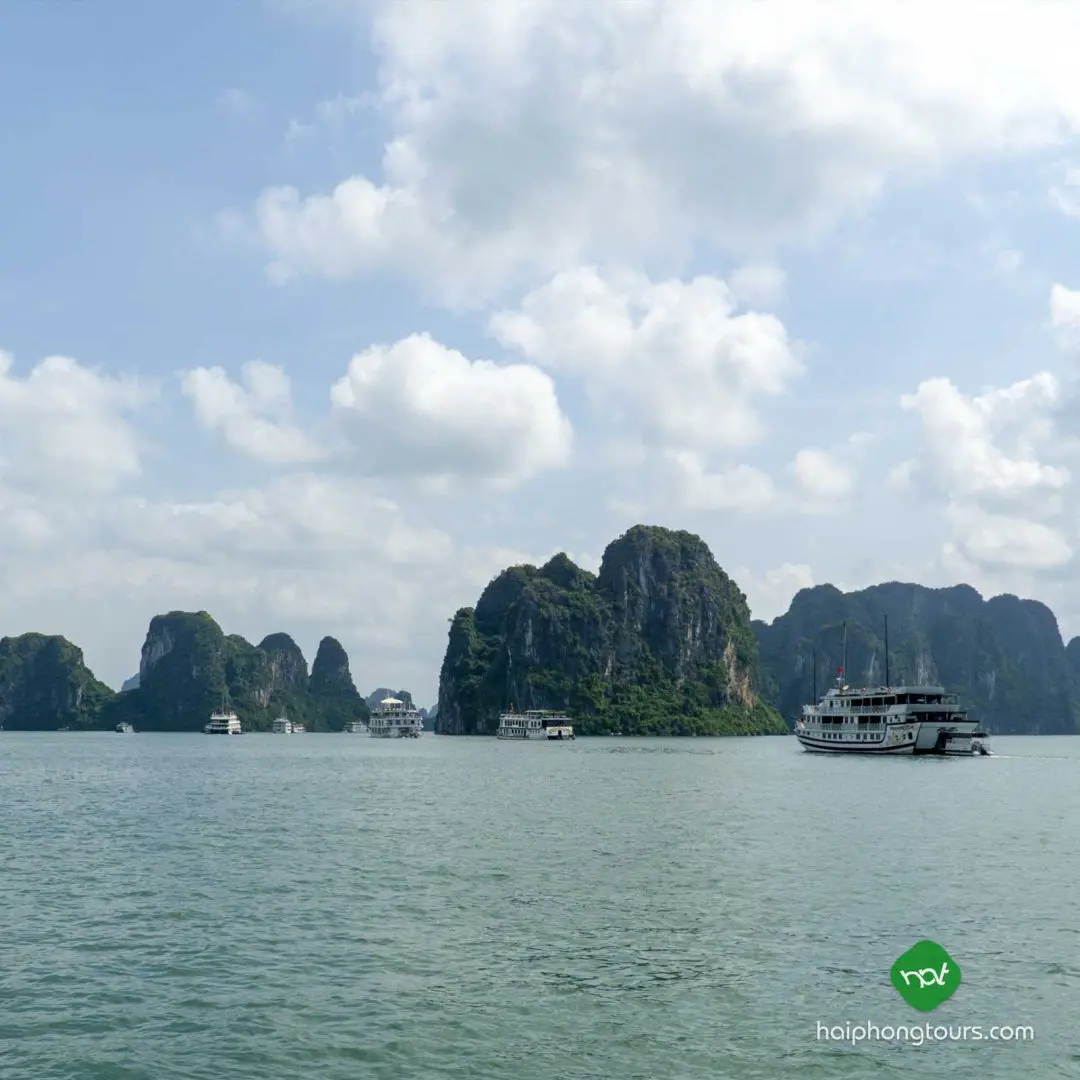
Rain alone does not automatically stop every cruise. Authorities and operators respond to the actual marine conditions and official instructions. Confirm the decision with the booked operator and never substitute an unauthorized departure.
Is Ninh Binh still worth visiting?
Yes, especially with two nights and a flexible schedule. The landscape is green, but boat rides, cycling and viewpoint steps should move to the best weather window.
Should I rent a motorbike?
Rain increases braking distance, reduces visibility and makes mountain surfaces less predictable. If you lack strong riding experience, a licence recognized for the vehicle and valid insurance, use a car or professional passenger arrangement.
Final decision
Choose the rainy season when you value green landscapes and can trade certainty for flexibility. Use longer bases, keep the final flight buffer, treat official warnings as decisive and reserve remote mountains for a generous schedule. A shorter route that adapts well will deliver more than a long route spent protecting fixed bookings.
Would you like help fitting this experience into your trip? Contact us with your travel dates, starting point, available time and group size. Tell us about walking limits or special interests so we can suggest a practical itinerary.