
North Vietnam’s temples and pagodas make more sense when you distinguish what each place is for. A Buddhist pagoda, a temple honoring a historical figure, a communal house and a Confucian academy can look similar to a first-time visitor but have different altars, rituals and stories. Choose a few sites that explain those differences instead of collecting buildings.
A strong first route combines Hanoi’s Temple of Literature, Tran Quoc Pagoda and Ngoc Son Temple with either Ninh Binh’s Hoa Lu and Bai Dinh, or Quang Ninh’s Yen Tu. Dress with shoulders and knees covered, follow signs about shoes and photography, and give worshippers priority.
Quick spiritual-site decisions
- Best city introduction: Hanoi, for several traditions within short travel distances.
- Best history-and-landscape pair: Hoa Lu and Bich Dong in Ninh Binh.
- Best large Buddhist complex: Bai Dinh, with significant walking and electric-vehicle logistics.
- Best mountain pilgrimage: Yen Tu, planned as a full day or overnight route.
- Best river-approach pilgrimage: Perfume Pagoda, with boat and climbing or cable-car stages.
- Best Hai Phong history route: Bach Dang sites, combined with a city pagoda on a separate pace.
- Most important etiquette: do not block worship, altars, doors or processions for a photograph.
Pagoda, temple or communal house?
Chùa: Buddhist pagoda
A chùa is a Buddhist place of worship. Buddha images, bodhisattvas, monks or nuns and incense halls may be present. The English word “pagoda” is commonly used even when the site is a wider monastery or temple complex.
Tran Quoc, Bai Dinh and Bich Dong are examples. Visitors should distinguish architectural interest from active worship and allow people space at the altar.
Đền: temple or shrine
A đền commonly honors a deity, national hero, ruler or protective figure. Ngoc Son Temple, the temples of the Dinh and Early Le kings at Hoa Lu and the shrines associated with Bach Dang history belong to this broad category.
The word “temple” in English does not tell you whom the site honors. Read the interpretation or use a guide before repeating a simplified legend.
Đình: communal house
A đình is traditionally a village communal and ritual building connected with local protective figures and community events. It may be locked or quiet outside a ceremony. A closed door does not mean visitors should find another entrance.
For a focused architectural outing west of Hanoi, the Tay Dang Communal House guide explains its carved timber, visitor access and how to fit the stop into a western Hanoi day.
Văn miếu: Temple of Literature
A văn miếu is associated with Confucian learning and the veneration of scholars. Hanoi’s Temple of Literature is an educational and historical complex rather than a typical Buddhist pagoda. The distinction explains its courtyards, stelae and academic symbolism.
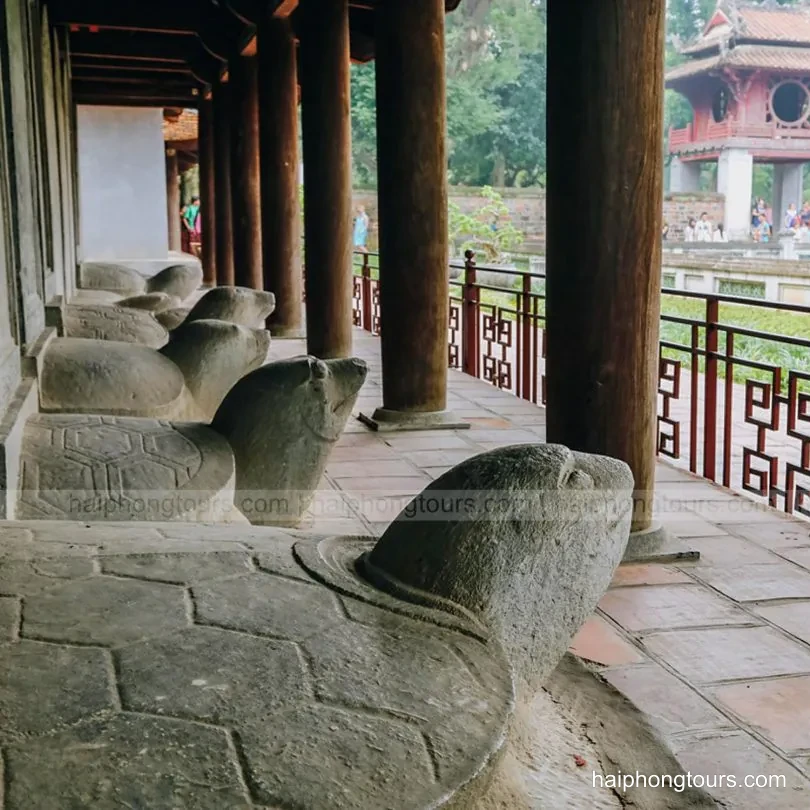

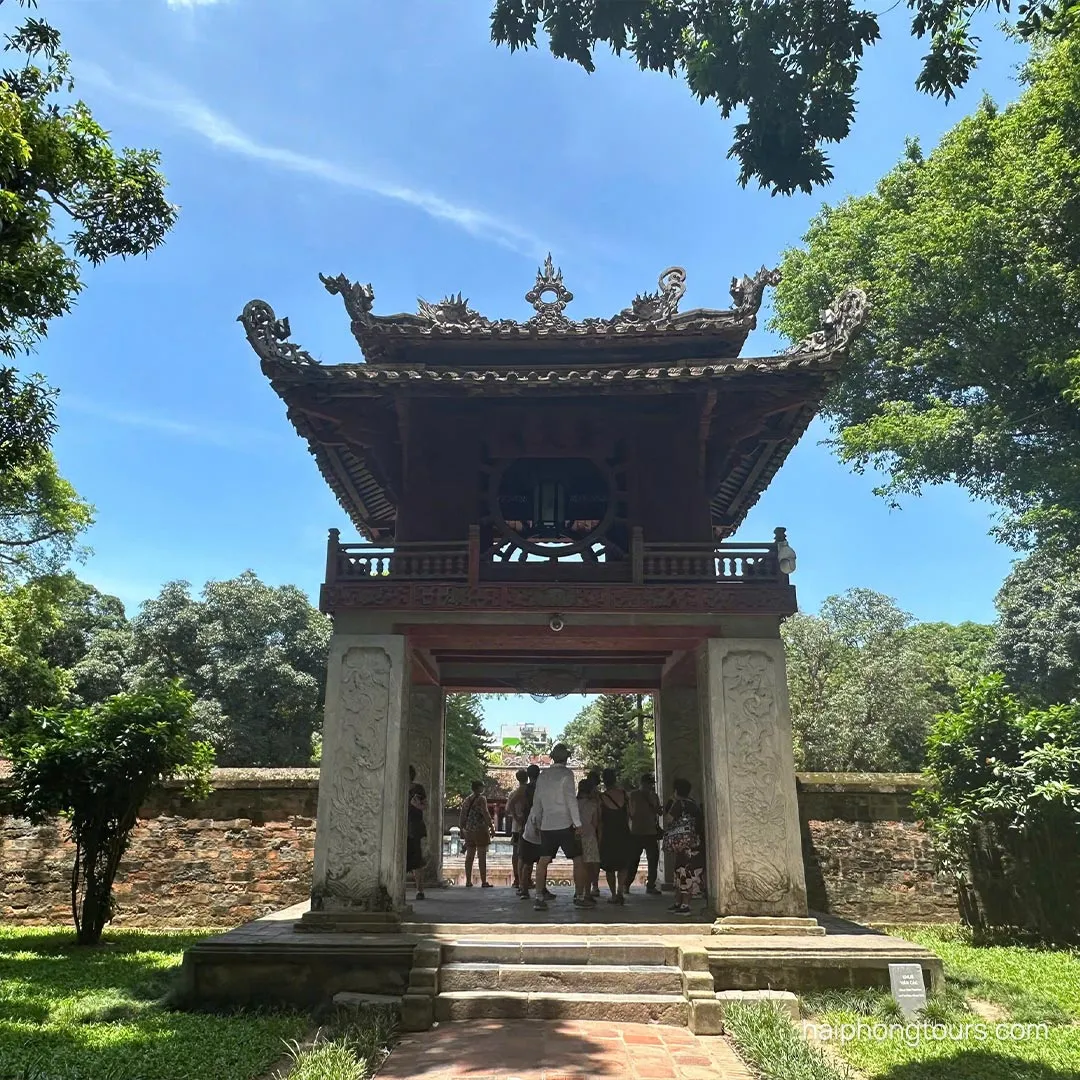
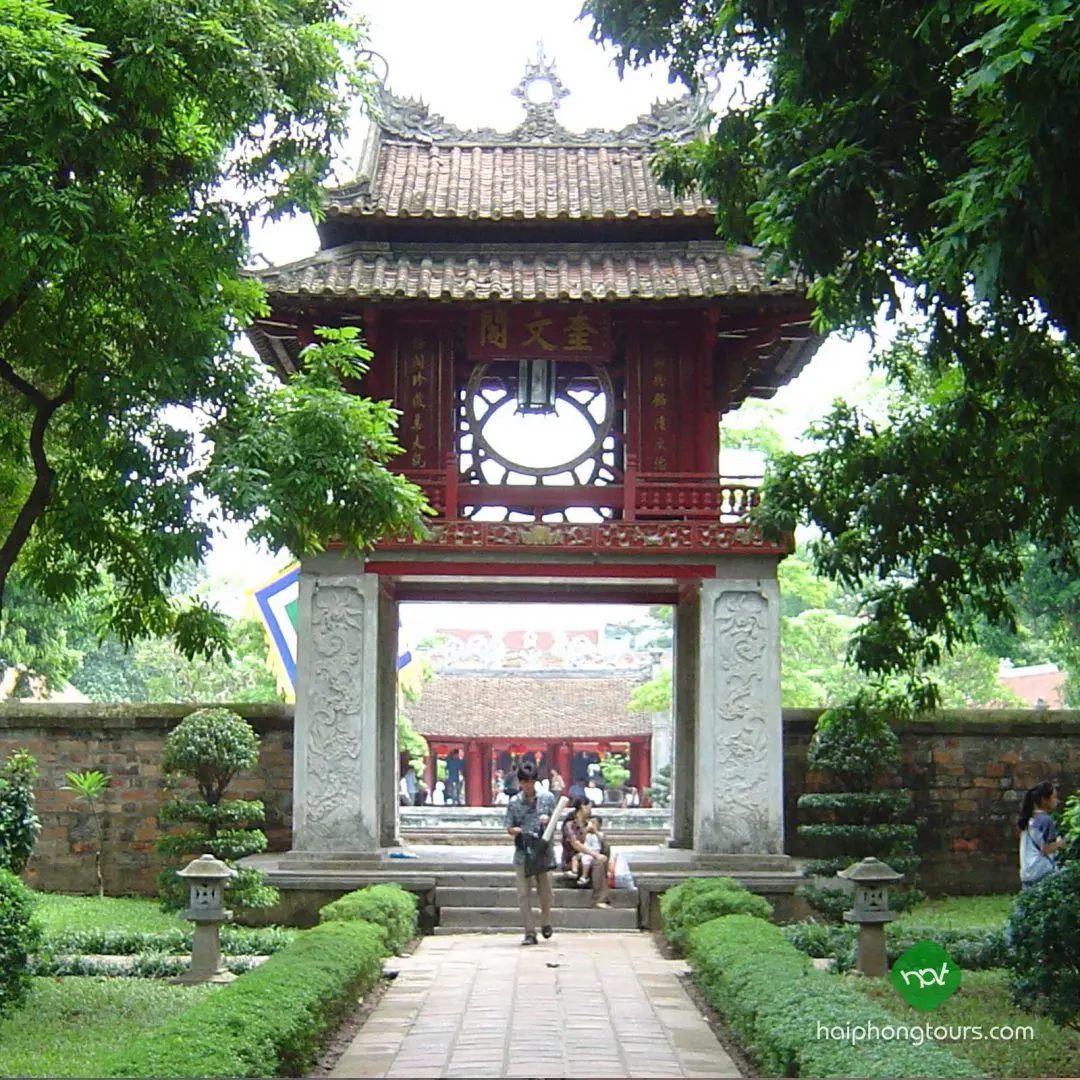


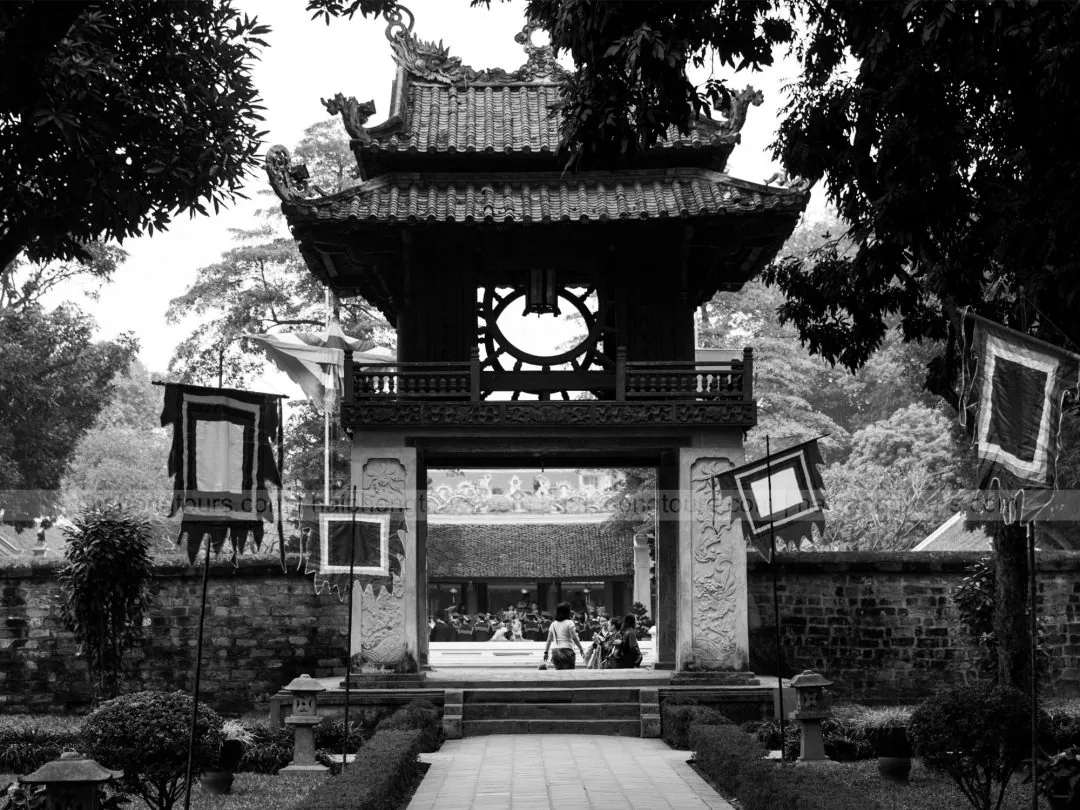
Courtyards, stone stelae and ceremonial buildings at the Temple of Literature, with a historical gate photograph.
Phủ: palace or shrine
In a religious context, phủ can identify a shrine linked with deities and Mother Goddess traditions. Ritual objects, music and offerings may differ from a Buddhist hall. Observe quietly and do not label every ceremony “Buddhist.”
Near Tam Dao, Tay Thien’s temples and Truc Lam monastery offer a useful example of these different traditions within one wider area. Plan the mountain temple route and the monastery as separate stops.
Hanoi: the best first-day comparison
Temple of Literature
The Temple of Literature presents Vietnam’s Confucian scholarly tradition through a sequence of gates, courtyards, pavilions and stone stelae. It is one of the clearest places to understand why a “temple” may be connected with learning rather than a Buddhist congregation.
Allow time for the full courtyard sequence. Graduation photographs and student visits can make parts of the site lively. Do not touch or climb the stelae, and keep ceremonial routes clear.
Tran Quoc Pagoda
Tran Quoc is an active Buddhist site on the edge of West Lake. Its compact area makes it easy to combine with another Hanoi attraction, but visitor congestion can reduce the experience. Go with modest clothing and accept that access to individual areas may change during worship or ceremonies.


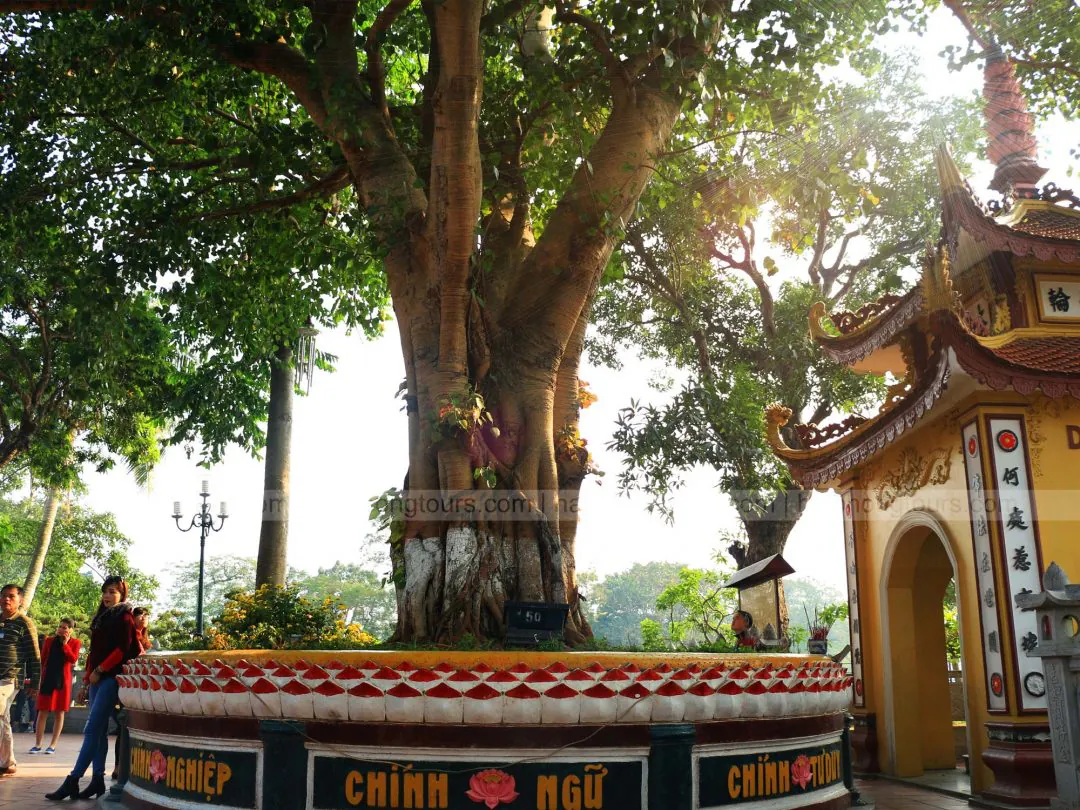
Tran Quoc Pagoda beside West Lake, with its tower, gateway and Bodhi tree.
Ngoc Son Temple
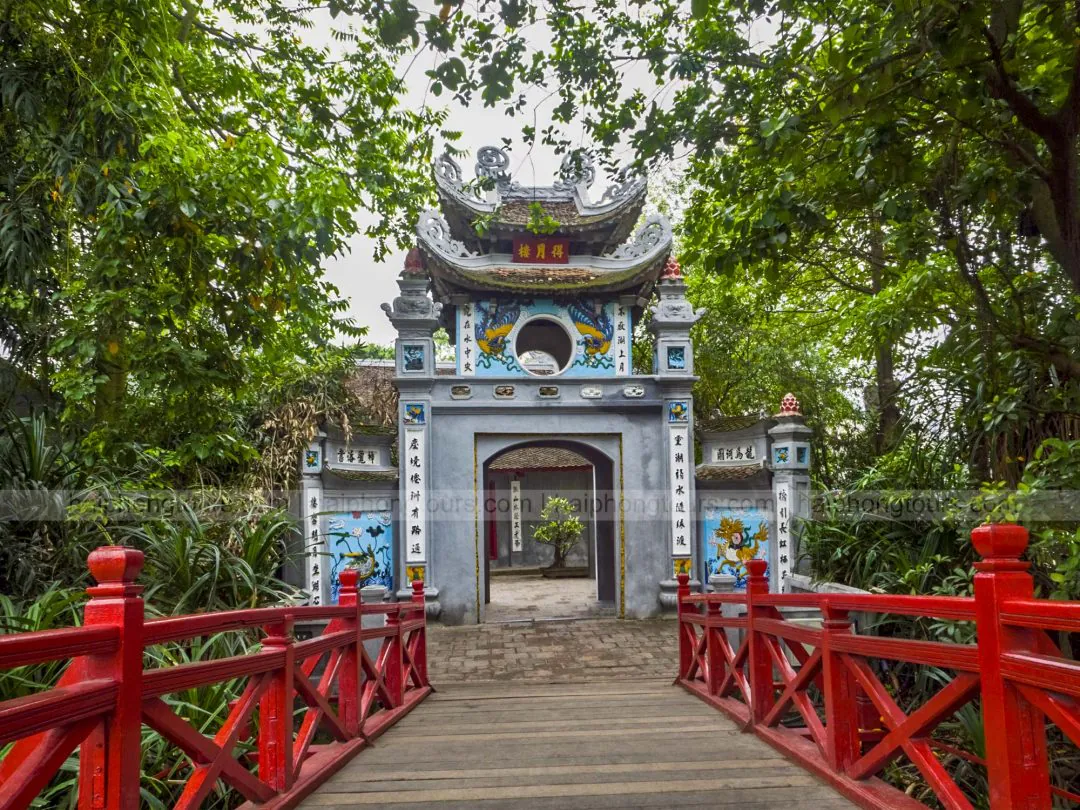
Ngoc Son stands on an island in Hoan Kiem Lake and works well within an Old Quarter walk. The bridge and lake setting attract many photographs, while the temple itself requires the same quiet behavior as any active sacred place.
Quan Thanh Temple
Quan Thanh provides a Taoist counterpart near West Lake. It is useful when you want to compare religious traditions without leaving Hanoi. Read the site’s interpretation rather than assuming the altar and imagery have the same meaning as Tran Quoc.

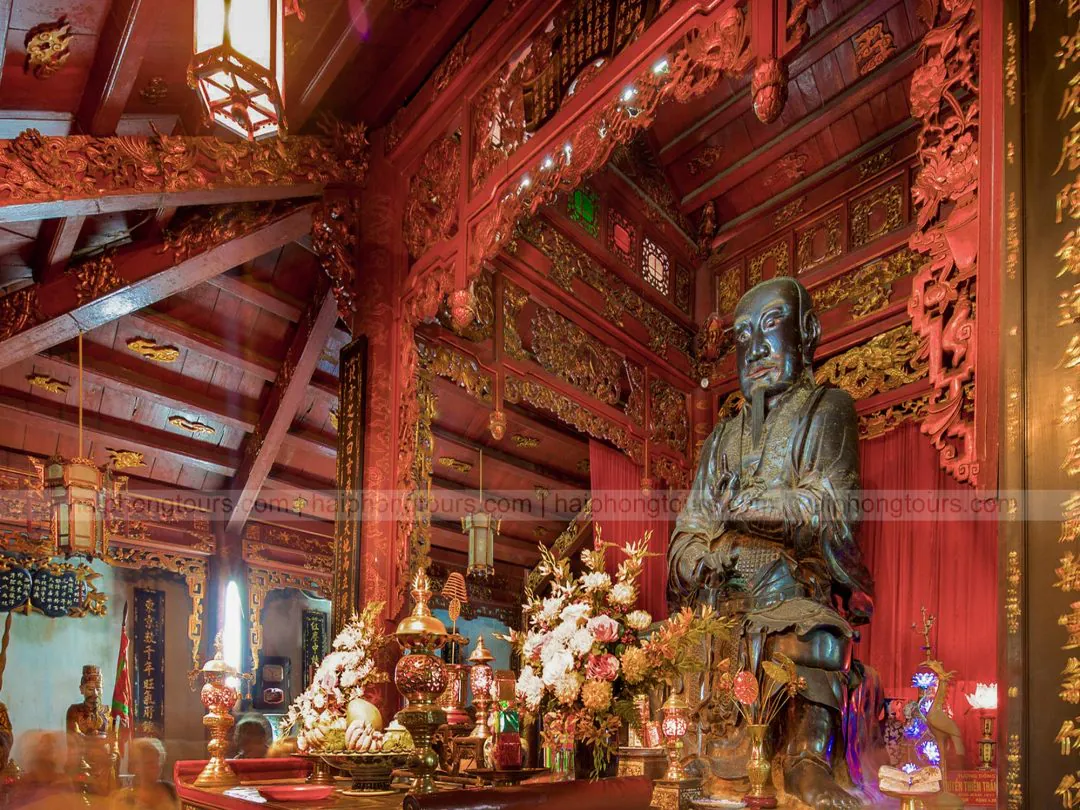
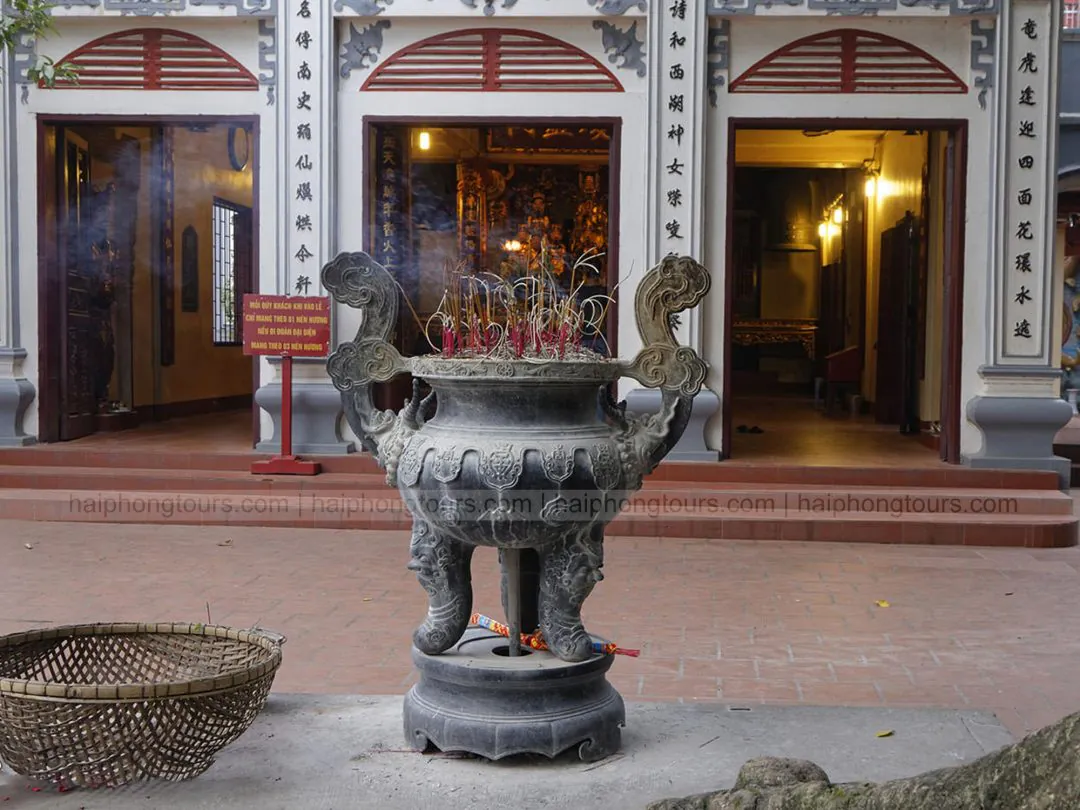
Quan Thanh Temple gateway, bronze statue and incense burner.
The afternoon and full-day versions of the current Hanoi City Group Tour include several cultural stops, while the exact morning, afternoon and full-day itineraries differ. Check the selected package before booking.
Tay Phuong: hilltop halls and wooden Buddhist sculpture
The Tay Phuong Pagoda guide focuses on the staircase, three halls and expressive wooden figures west of Hanoi. Choose it when sculpture and architecture interest you, and allow enough energy for the descent as well as the climb.
Giong temples: two settings and two festival calendars
The Phu Dong and Soc Son Giong temple guide separates two places linked with the same legendary hero and helps you choose a village visit or a wider hill-complex outing. Plan any higher Soc Son stops around the routes currently cleared for visitors.
Me Linh: the Trung sisters and their community
Hai Ba Trung Temple in Me Linh honors the Trung sisters through the main sanctuary, family shrines and temples for their generals. Plan the Ha Loi site as an excursion outside central Hanoi; it is different from Dong Nhan Temple on Huong Vien Street.
Phat Tich: early Buddhist sculpture in Bac Ninh
The Phat Tich Pagoda guide distinguishes the Ly-dynasty Amitabha and paired stone animals from the modern upper-hill Buddha. Prioritize the main sculpture, then add the hillside if your time and mobility allow.
Binh Son: looking closely at terracotta architecture
Binh Son Tower and Vinh Khanh Pagoda in Tam Son, Phu Tho, suit a compact architecture stop. Study the lotus bands, dragons and miniature tower panels from the grounds; the eleven tiers are not a public climbing route. Plan a separate road journey rather than treating the site as central Viet Tri.
Ninh Binh: Hoa Lu, Bai Dinh and Bich Dong
Hoa Lu Ancient Capital
Hoa Lu connects early Vietnamese state history with temples honoring the Dinh and Early Le rulers. It is a compact historical choice within a broader Ninh Binh day. The value comes from understanding the political landscape and people commemorated, not from treating the site as a generic pagoda.
Hoa Lu Ancient Capital and Hoa Lu Ancient Town are different visitor places. The ancient capital contains the historic temple area; the modern ancient-town attraction beside Ky Lan Lake serves a different evening and cultural role.
Bai Dinh Pagoda
Bai Dinh is a very large Buddhist complex combining modern monumental construction with an older sacred area. Distances between gates, halls and viewpoints can be substantial. Electric-vehicle services reduce some walking but do not make every section step-free.
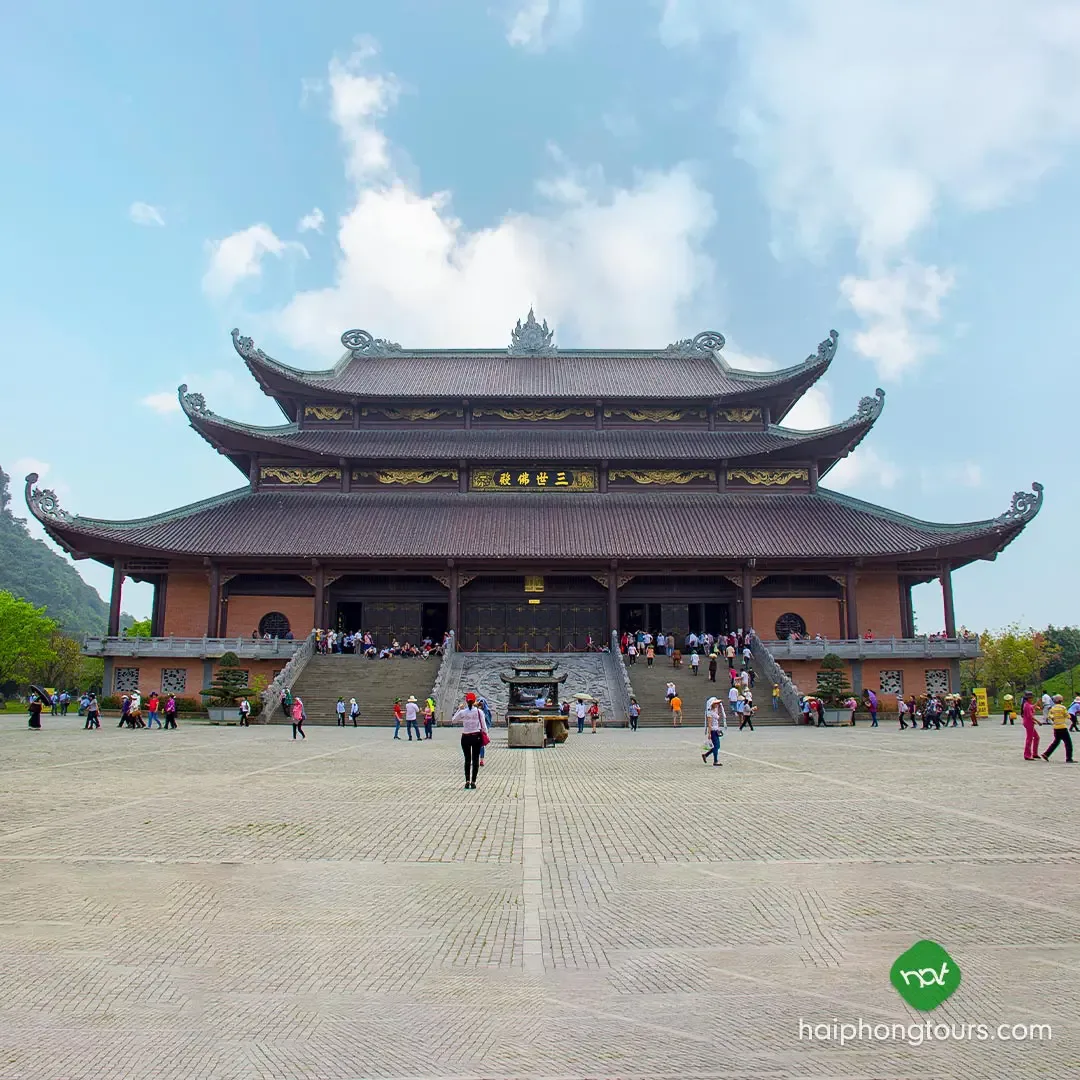


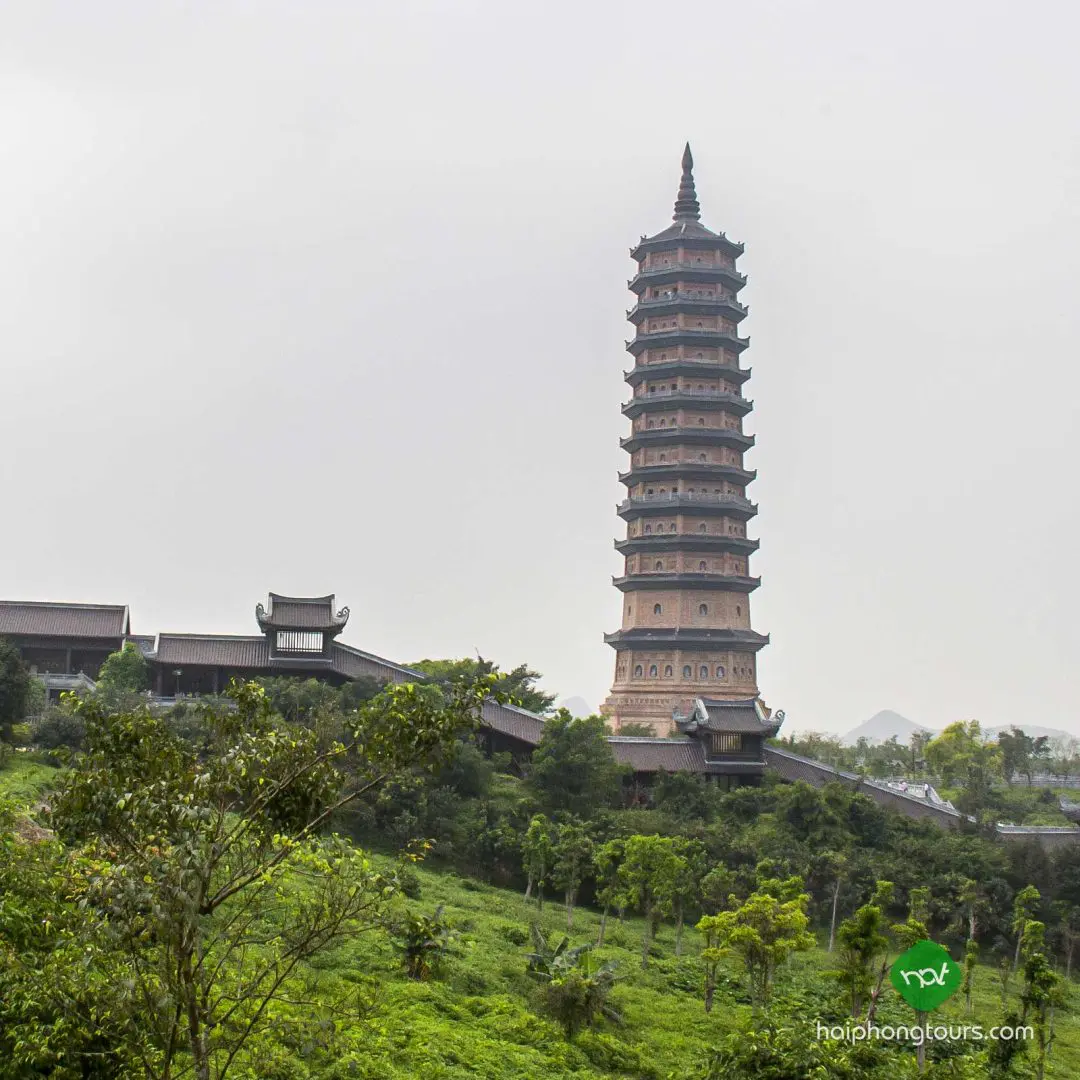
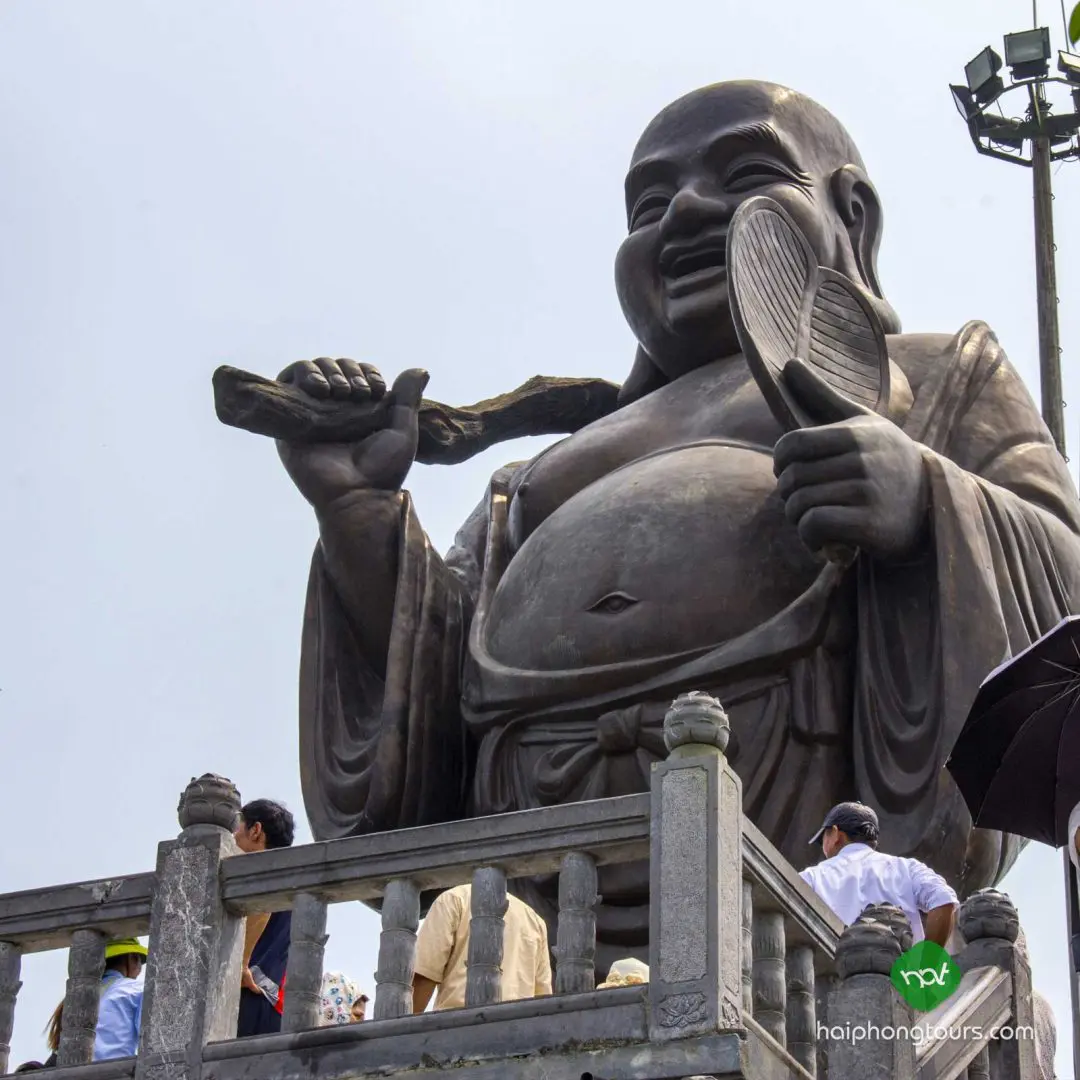


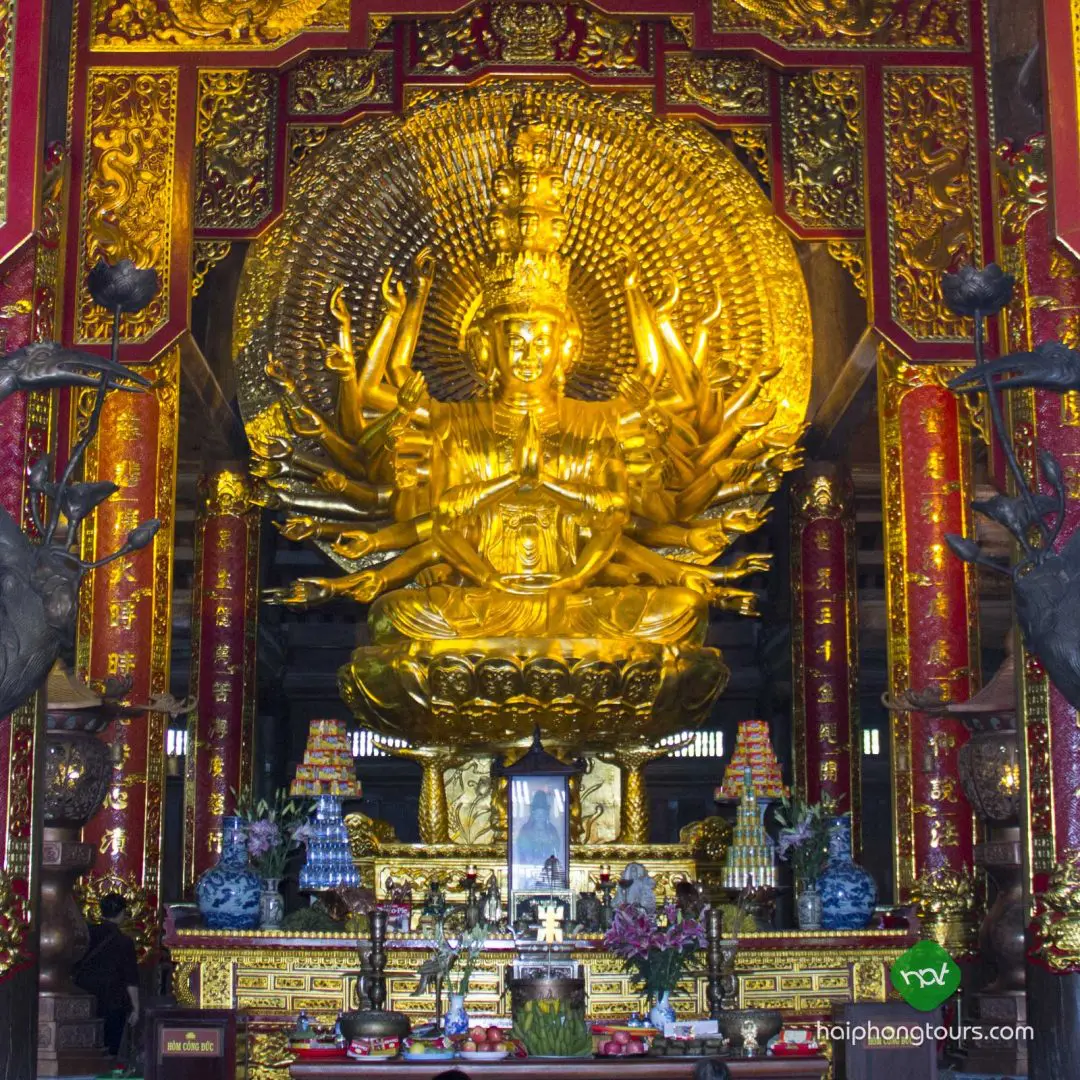
Bai Dinh halls, electric shuttles, bronze drum, tower and Buddhist statues.
Choose Bai Dinh when scale, Buddhist pilgrimage and monumental architecture are the priority. Choose Hoa Lu when early dynastic history and a more compact visit matter. The Bai Dinh versus Hoa Lu guide makes that day-tour decision explicit.
For a separate lake-and-temple excursion from Hanoi, the Tam Chuc Pagoda visitor guide explains boat and electric-car routes, walking demands and why its current Ninh Binh address does not make it a quick addition to Tam Coc.
For stone calligraphy and planted grounds near Phủ Lý, consider Phat Quang Pagoda. Allow a separate journey and time for an unhurried visit.
Bich Dong Pagoda
Bich Dong combines a rural approach with pagoda buildings arranged up a limestone slope. Steps connect the levels, and wet weather can make stone slippery. The site suits travelers who want a compact spiritual landscape after Tam Coc, provided they are comfortable with stairs.
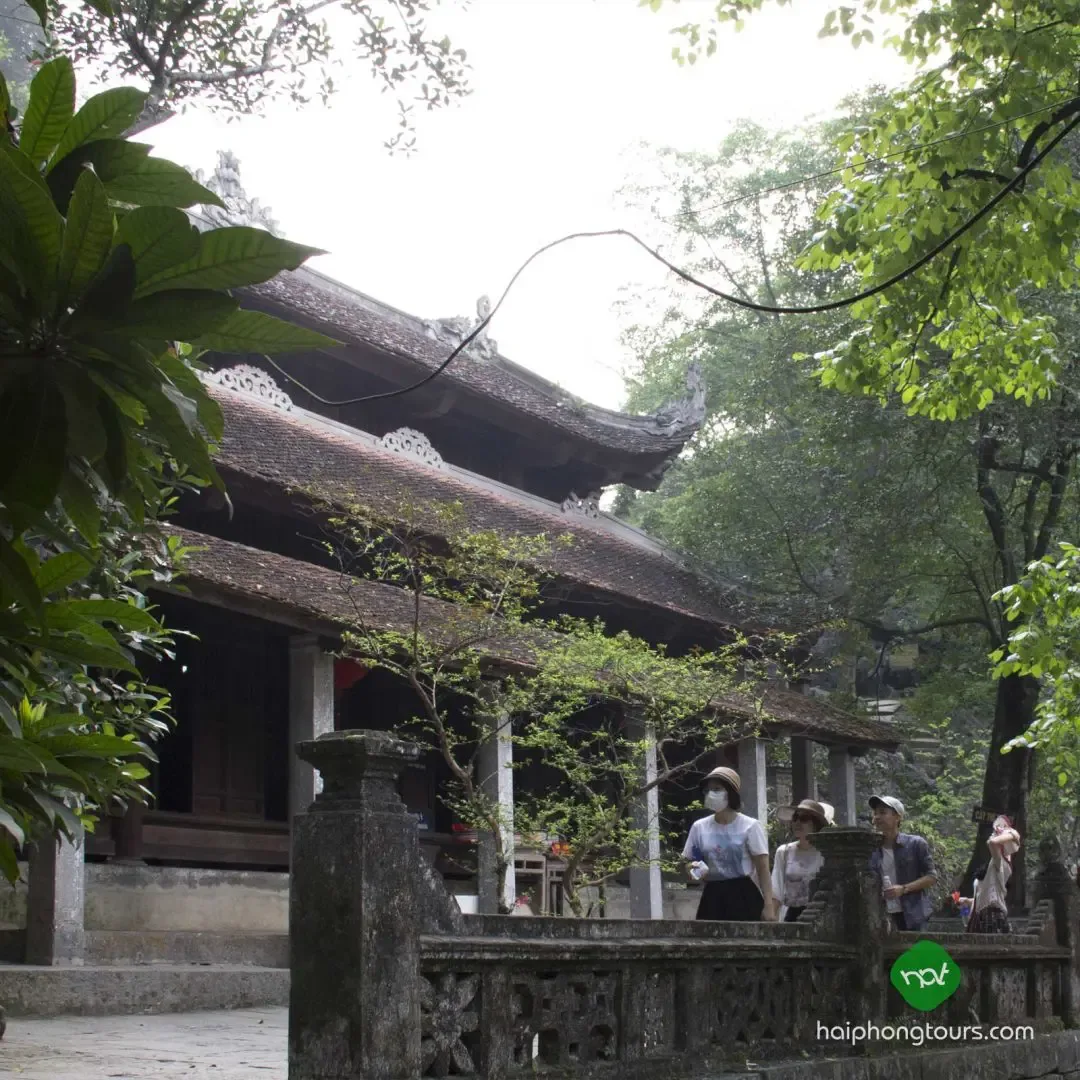
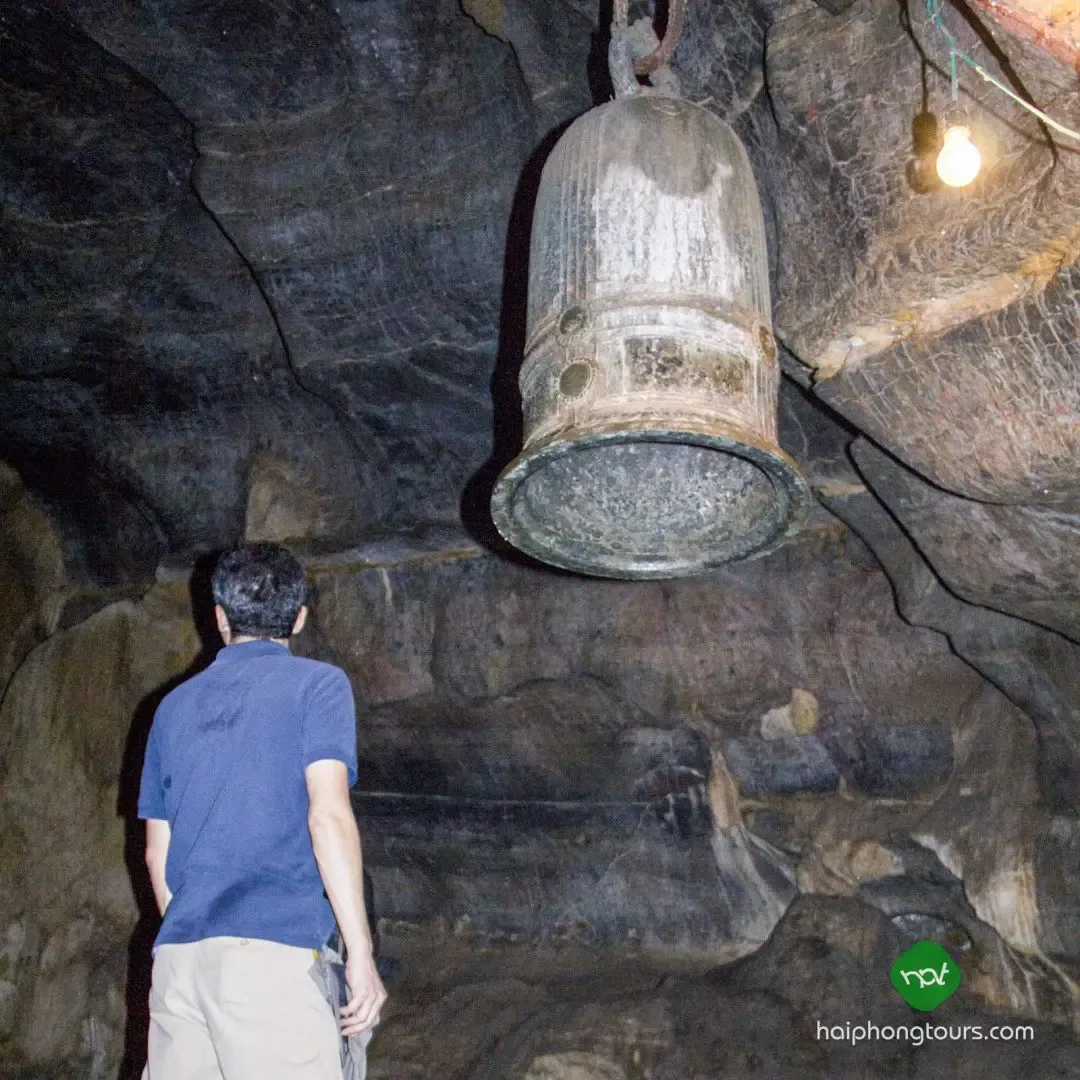
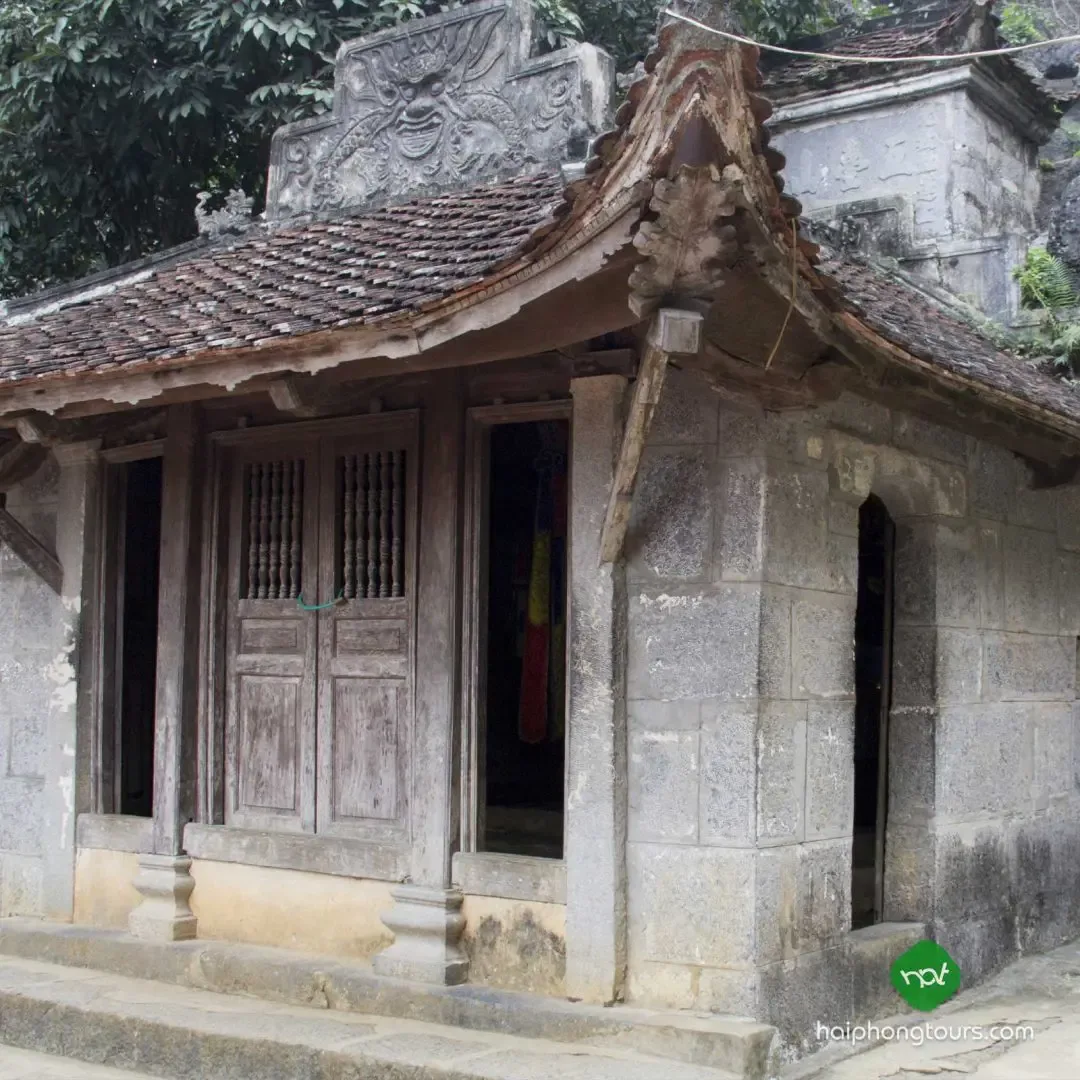
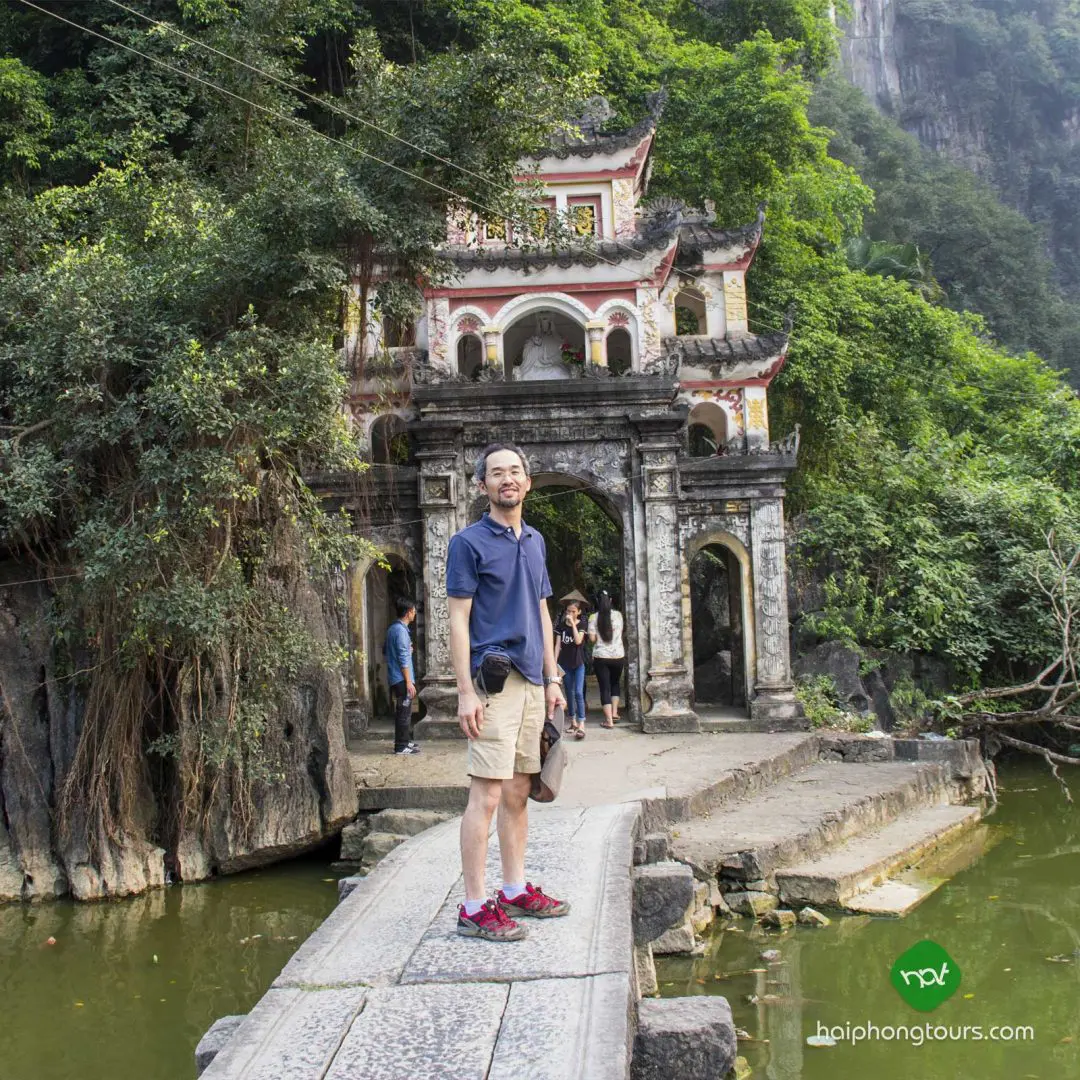
Bich Dong pagoda buildings, cave bell and entrance bridge.
Some visitors pass through quickly for the entrance photograph. Continue only as far as your time, footwear and mobility allow, and keep the gateway clear for worshippers and other visitors.
Current packages on the Ninh Binh Day Tour from Hanoi combine different boat, historical and pagoda stops. Verify whether your chosen package uses Hoa Lu or Bai Dinh and whether cycling or Hang Mua is included.

Yen Tu: a mountain pilgrimage, not a short photo stop
Yen Tu is a mountain Buddhist landscape associated with the Truc Lam tradition. The visitor journey can combine road access, electric transport, cable cars, walking and many religious sites. Reaching one upper point does not mean you have understood the full cultural route.
Plan by physical ability and purpose. A cable-car itinerary still includes queues, steps and exposed mountain weather. A walking pilgrimage requires far more time and fitness. During the main pilgrimage season, crowds can change boarding and movement.
The wider heritage story connects Yen Tu with Vinh Nghiem and Con Son–Kiep Bac. The Yen Tu UNESCO World Heritage route guide explains how the linked sites differ and why they should not be compressed into one unrealistic day.
Best for: travelers who want Buddhist history, mountain landscape and a pilgrimage route.
Main limitation: transport systems reduce effort but do not remove steps, weather exposure or festival queues.
Perfume Pagoda: boat, valley and pilgrimage
Perfume Pagoda, or Chua Huong, is a large religious landscape southwest of central Hanoi. A typical visit involves road travel, a small boat through the valley, then walking and possibly cable-car travel between sacred sites. It is a full-day commitment.
The pilgrimage season brings atmosphere and heavy demand. A quieter period can make movement easier but offers a different social experience. Confirm boat organization, cable-car operation, walking requirements and the sites included for the actual date.
Small-boat boarding and prolonged low seating can be difficult for limited mobility. Rain, heat and crowding affect the route. Carry only what you need and keep both hands free for boarding.
Hai Phong and the Bach Dang history route
Hai Phong has active pagodas, local temples and a broader network of Bach Dang historical sites. Du Hang Pagoda offers a city-based Buddhist stop, while Trang Kenh, Cao Quy and Tu Luong Xam connect ritual spaces with the memory of major river battles and national figures.
The Bach Dang locations are not interchangeable. Trang Kenh and Bach Dang Giang form a landscaped historical and memorial complex; Cao Quy connects archaeological evidence with the river landscape; Tu Luong Xam is associated with worship of Ngo Quyen. Use the Bach Dang sites comparison to choose by history, distance and walking.
Ba De Temple in Do Son is a coastal religious site associated with a local female figure. Visit it as a place of worship within a Do Son day, not as evidence that every coastal legend has one fixed historical version.
Phu Day: a route through Mother Goddess shrines
The Phu Day shrine guide connects Tien Huong, Van Cat and the Lieu Hanh mausoleum in the former Nam Dinh area. Choose it for Mother Goddess traditions and architecture, with an informed local explanation; a religious ceremony is not a guaranteed sightseeing performance.
Temple etiquette that works across the north
- Cover shoulders and wear clothing that reaches around the knee.
- Remove hats in indoor worship areas.
- Follow signs and local practice about shoes.
- Walk around offerings and floor-level altars rather than stepping over them.
- Do not stand between a worshipper and the altar.
- Keep phones silent and voices low.
- Ask before photographing ceremonies, clergy or worshippers.
- Do not touch statues, bells, ritual objects or offerings without permission.
- Place donations only in a designated box or clearly managed area.
The North Vietnam culture and etiquette guide covers homes, meals, markets and community visits beyond religious sites.
Incense, offerings and worship
You may observe visitors lighting incense, making offerings or bowing. Participation is optional. If you choose to take part, follow the site’s rules and use the designated area. Some places limit incense to reduce smoke and fire risk.
Do not buy a large offering because a vendor promises a guaranteed outcome. Keep money secure and agree on prices before accepting incense, trays, written prayers or ritual services. Religious practice and commercial pressure can exist side by side.
Food placed on an altar is not a public sample. Do not move flowers, fruit, banknotes or ritual objects to improve a photograph.
Photography inside sacred places
A camera-permitted courtyard does not establish permission at every altar. Look for signs at each building. Turn off flash, avoid photographing a person in prayer from close range and do not occupy the central doorway for a portrait.
Tripods and drones create additional obstruction and regulation issues. A temple’s open grounds are not automatic drone-launch space. Ask the site and follow current aviation and local restrictions.
During a ceremony, funeral or ordination, the event takes priority over the visitor’s image. Put the camera away unless an organizer has given clear permission.
Festivals and pilgrimage season
The first lunar months are a major period for temple and pagoda visits. Dates move on the solar calendar, and operating plans change each year. Crowds, parking, cable cars, boat queues and accommodation can all be affected.
Choose the festival period for communal energy and ritual activity. Choose another period for easier walking and quieter interpretation. Neither is automatically more authentic; they answer different visitor goals.
Reconfirm the official festival calendar and transport plan for the year of travel. Do not copy a Gregorian date from an old article.
Accessibility and physical effort
“Cable car available” and “accessible” are not equivalent. Vehicle drop-off, ticketing, ramps, platform gaps, steps between halls and toilet access all matter. Ask for the route from parking to the exact site you want to see.
- Lower effort: selected Hanoi city sites and central Hoa Lu areas, subject to entrances and crowds.
- Moderate effort: parts of Bai Dinh using internal transport, depending on the selected halls.
- Higher effort: Bich Dong upper levels, Yen Tu walking routes and Perfume Pagoda’s full sequence.
Travelers with limited mobility should use the accessible North Vietnam guide and request site-specific details. A guide can adapt the sequence, but cannot remove a mountain or historic staircase.
What to wear and carry
- A light layer that covers shoulders
- Trousers, skirt or dress with suitable knee coverage
- Shoes that remove easily but grip stone and steps
- Socks if you prefer not to walk barefoot where shoes are removed
- Water and sun protection for open complexes
- A light rain layer for mountain and boat routes
- Small cash for legitimate tickets, transport and donations
- A compact bag that does not strike altars or displays
Bao Ha: a living pilgrimage site in the Red River valley
The Bao Ha Temple guide explains Ong Hoang Bay, an ordinary visit versus the lunar festival, and the related Co Tan An Temple across the river. Use the Lao Cai temple name and exact pin; it is a different destination from Hai Phong’s Bao Ha craft village and Bac Ha market.
Choose a route by intent
One day in Hanoi
Pair the Temple of Literature with one active religious site such as Tran Quoc or Quan Thanh. Add Ngoc Son only if the Old Quarter and lake are already part of the route. Three well-understood sites are enough.
Two days in Ninh Binh
Use Hoa Lu with a boat route on the first day. Choose Bai Dinh or Bich Dong on the second according to scale, stairs and interest. Do not add both large complexes simply to increase the site count.
Yen Tu and Ha Long
Give Yen Tu its own day or overnight. Continue to Ha Long only after the pilgrimage portion is complete and with enough transfer margin. A same-day cruise departure after an uncertain mountain finish is weak planning.
Hai Phong and Bach Dang
Use one city pagoda for religious context and select one or two Bach Dang sites for historical depth. A private vehicle helps because the heritage locations are spread across different areas.
Travelers drawn to timber architecture can also plan a focused visit to Keo Pagoda in the Thai Binh area. Choose an ordinary day to study the buildings or check the annual lunar-festival program for ceremonies and processions.
Read the place before collecting the image
North Vietnam’s sacred sites explain Buddhism, Confucian learning, village protection, dynastic history and the memory of national figures. The building type and person honored are the beginning of the visit, not minor labels beneath the photograph.
Choose one Hanoi comparison, one Ninh Binh or Quang Ninh route and one locally grounded site if your itinerary allows. Dress for worship, verify seasonal logistics and leave space for the people using the site for its living purpose.
Would you like help fitting this experience into your trip? Contact us with your travel dates, starting point, available time and group size. Tell us about walking limits or special interests so we can suggest a practical itinerary.