
Most trips through North Vietnam need normal safety precautions rather than fear. The recurring risks are traffic, bag snatching and pickpocketing, poorly verified transport, payment or booking disputes, unsafe alcohol, severe weather and delayed help on remote routes. A written booking, matched driver, secure phone, realistic road plan and suitable insurance remove much of the avoidable risk.
Safety changes by setting. Hanoi requires street and traffic awareness; overnight transport requires baggage control; Ha Giang and Cao Bang require road and weather decisions; islands and cruises require boat procedures; festivals require crowd planning. Use the guidance that matches the actual route.
Quick safety decisions
- Safest airport or station pickup: a pre-booked driver or official taxi or ride-hailing booking whose vehicle and driver details match.
- Safest money routine: withdraw inside or beside a bank during opening hours, divide cash and keep the card in sight.
- Safest mountain transport: an experienced legal driver and a vehicle suited to the road and weather.
- Safest motorbike decision: do not ride unless licensed, insured, experienced and equipped for the exact route.
- Safest booking routine: verify the business, final itinerary, inclusions, cancellation terms and payment recipient in writing.
- Safest nightlife routine: buy your own drink, keep it in sight and use arranged transport home.
- Safest weather rule: change the route when authorities, vessel operators or road conditions require it.
- Safest response to theft: protect yourself first; do not fight over a phone or bag.
- Best emergency preparation: keep passport copies, insurance details, medication information and key contacts available offline.
Prepare before arrival
Put the first night’s address, airport transfer, hotel number and insurance assistance line in an offline note. Save copies of the passport photo page, visa or entry permission, tickets and essential prescriptions in secure storage that can be reached without the missing phone.
Share the route with one trusted person. For a remote road trip, include the vehicle, driver or operator, planned overnight towns and the next check-in time. A detailed live location is not necessary all day; a useful escalation plan is.
Install or update maps, translation and transport apps on trusted internet before leaving. Protect important accounts with a device passcode and an authentication method that will still work if the main SIM or phone disappears.
Carry the passport without surrendering control
Hotels and transport providers may need passport details for registration, tickets or cruise manifests. Ask why the original is needed, watch the process where practical and retrieve it promptly.
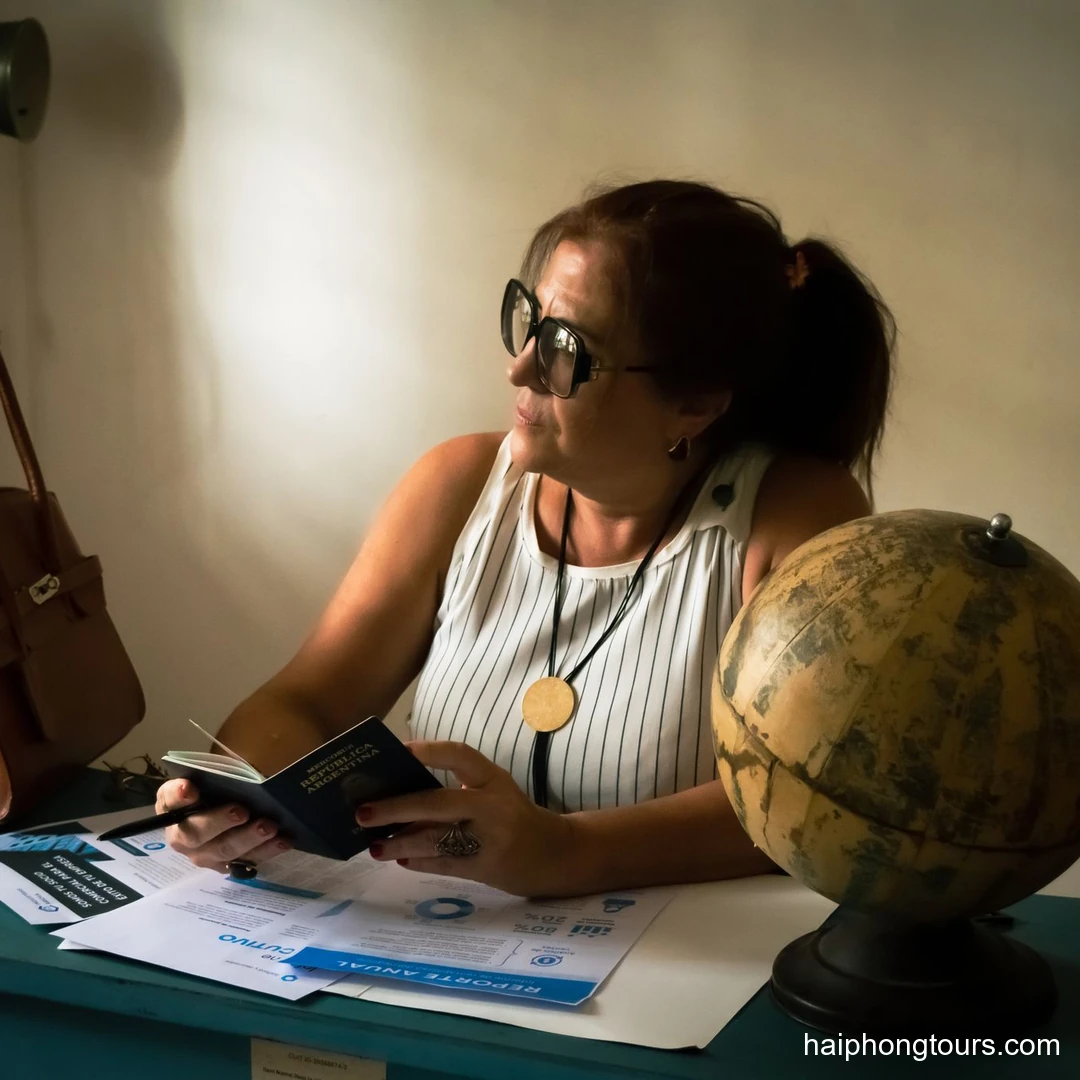
Do not leave the passport as security for a motorbike, room, fine or disputed bill. Use an agreed cash deposit or another documented arrangement. Keep a printed copy of the passport photo page and entry document separate from the original, and a secure digital copy elsewhere.
For domestic flights and any service that explicitly requires the original travel document, carry the document used to enter Vietnam and confirm the operator’s current rule.

Street theft and bag snatching
Pickpocketing and bag snatching are most likely where people concentrate: Old Quarter streets, night markets, festivals, transport hubs and crowded viewpoints. A phone held toward the road is an easy target for a rider approaching from behind.
- Use the phone away from the curb or step inside a doorway.
- Carry the bag closed and in front, on the side away from traffic.
- Keep only the day’s cash in the easy-access wallet.
- Do not hang a phone or bag from the back of a chair.
- Secure valuables before sleeping on a bus or train.
- Avoid counting money or reorganizing documents in the street.
- If someone grabs an item, let it go rather than entering traffic or fighting.
A hotel safe or locked luggage is useful for items not needed that day. Record device serial numbers and activate remote-lock features before the trip.
Crossing streets and walking near traffic
Traffic may continue around pedestrians rather than stopping in a single line. Use a signalized crossing or overpass when available. Wait for the best gap, walk at a steady and visible pace, and avoid sudden backward movement.
Do not assume a green pedestrian signal removes the need to look for turning vehicles. At night, poor lighting, rain and parked vehicles reduce visibility. Keep children on the building side of the sidewalk and hold their hands at crossings.
Airport, station and hotel transfer scams
A person holding a familiar logo or saying the hotel name is not proof of a booking. Match the driver name, vehicle registration and contact channel to the written confirmation. Ask the hotel or provider through its known number when details conflict.
Decline an unexpected “free” transfer or a claim that the booked driver, hotel or bus has closed unless the original provider confirms it. Do not follow a stranger to a remote parking area to solve a supposed booking problem.
For an undecided intercity route, the current North Vietnam Transfers directory lists direction-specific private-car options. Verify the exact pickup, destination, vehicle, luggage capacity, price and contact person before travel.
Taxis and ride-hailing
Use a taxi booked by a reputable hotel or restaurant, an established metered company, or a full journey booked inside an official ride-hailing app. A person standing outside an airport with an app logo may not be the driver shown in the booking.
- Match the registration plate, vehicle type and driver details before entering.
- Keep the destination open on a map.
- Do not move the conversation to a private message to accept a different fare.
- End the journey in the app only after reaching the destination.
- Use the in-app emergency or sharing features when available.
- Leave a vehicle if the driver, plate or route cannot be reconciled safely.
Late at night, wait inside the hotel, restaurant or station until the verified vehicle arrives.
Trains, buses and limousine vans
A low price does not explain pickup, transfer points or arrival location. Confirm the operator, vehicle class, seat or berth, luggage policy, exact boarding point and whether another vehicle completes the route.
On overnight transport, keep passport, phone, cards and medication attached to your body or inside a secured small bag. Do not place irreplaceable items in luggage stored under a bus. Set an alarm before the expected stop and confirm the stop name with staff.
Night driving adds fatigue and visibility risk. A daytime bus or train can be the safer choice when the road is mountainous or when the overnight arrival would leave you stranded before hotel check-in.
The North Vietnam transport guide compares train, bus, private car, sleeper transport and route connections.
Motorbike rental and self-driving
A motorbike is not automatically the authentic or economical choice. The rider needs a licence valid for the vehicle in Vietnam, suitable insurance, real experience and a proper helmet. An insurer can reject a claim when the rider is unlicensed or the activity is excluded.
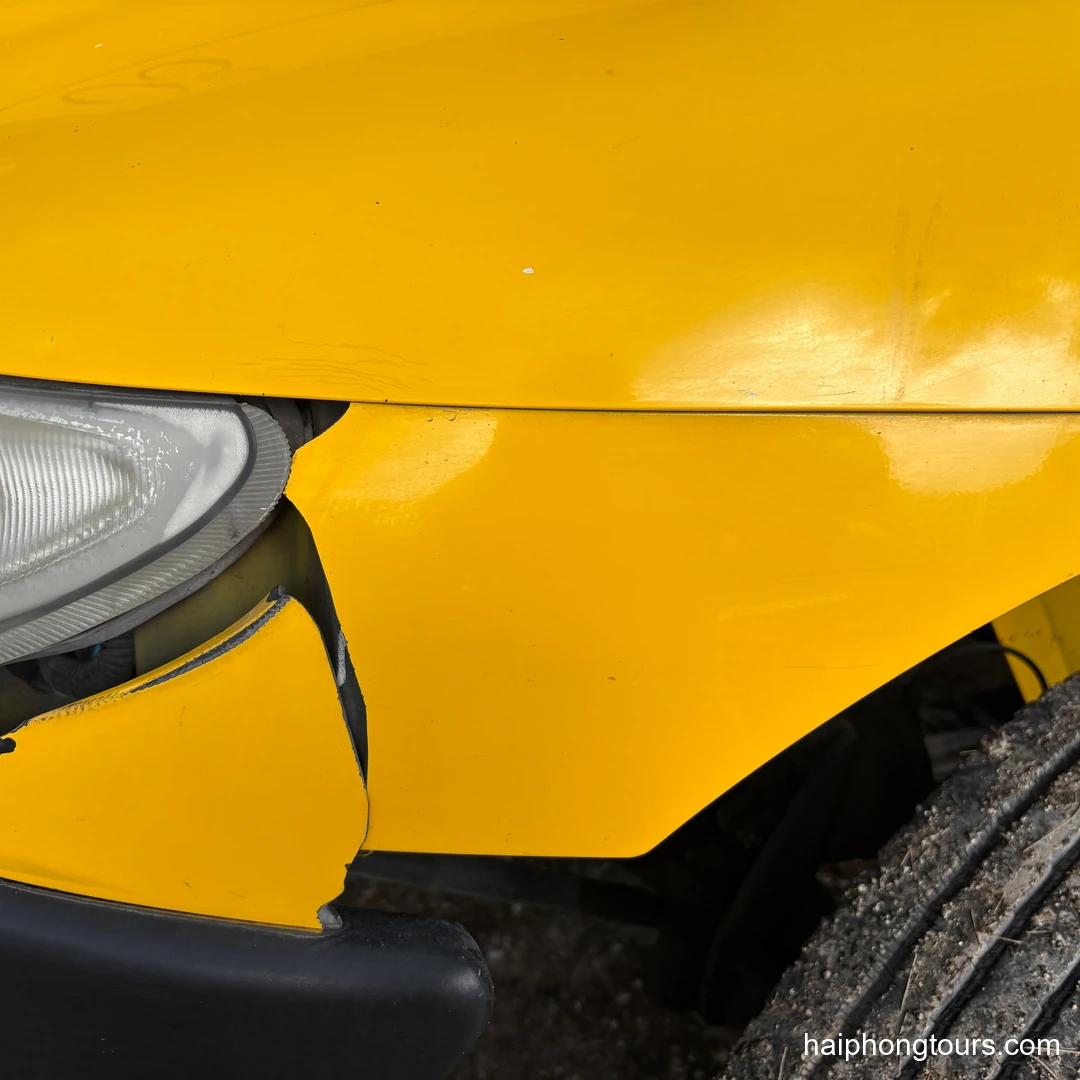
Before taking a rental vehicle, photograph it with the provider present. Record existing damage, tires, brakes, lights, horn, mirrors, fuel and the agreed return condition. Use a written contract and receipt. Do not leave the passport as collateral.
Alcohol and riding do not mix. Do not ride after drinking, in dense fog, during a severe-weather warning or at night on an unfamiliar mountain road.
Ha Giang, Cao Bang and other mountain roads
Mountain risk comes from curves, steep grades, large vehicles, animals, loose material, fog, rain, landslides and long distances from advanced care. An itinerary that looks short on a map can require a full road day.
Choose an experienced driver who can explain the vehicle, daily distance, rest pattern, weather decision and backup plan. Passenger helmets need to fit and fasten correctly. A decorative open-face helmet and thin clothing provide limited protection.
Do not pressure a driver to maintain a social-media itinerary when visibility or road conditions deteriorate. The North Vietnam road-trip guide compares cars, easy riders and self-driving, with realistic route pacing.
Boats, ferries and cruises
Confirm the correct port, vessel or ferry, check-in contact and weather procedure. A seller using the name “Ha Long cruise” may depart from a different terminal or operate in another bay.
Pay attention to the safety briefing. Locate the life jacket, emergency route and assembly instruction before the vessel leaves. Children need correctly sized flotation equipment, and non-swimmers should tell the activity guide before kayaking or swimming.
Do not board an obviously overcrowded craft or accept an unplanned tender transfer when conditions feel unsafe. Ask whether the vessel and crew are registered for the service. Weather changes can cancel or alter routes; a responsible operator may disappoint a traveler in order to protect passengers.
Adventure tours and equipment
For trekking, climbing, kayaking, cycling, caves or canyon activities, ask who leads the trip, what training they have, how the route is graded and what happens during injury or bad weather.
- Inspect helmets, harnesses, bicycles and flotation equipment before use.
- Ask whether equipment fits children or larger adults.
- Confirm the maximum group size and guide ratio.
- Tell the operator about relevant health or mobility limits.
- Check whether insurance covers the exact activity and altitude.
- Do not continue because the group pressures you.
- Use established paths in border and former-conflict areas.
Illegal or prohibited access does not become safe because a guide offers it. Decline a route that depends on bypassing a barrier, local instruction or permit rule.
Tour, cruise and accommodation booking fraud
Fraud can copy a real company name, logo, photograph or itinerary. The contact may use a new messaging account, a slightly altered domain or a bank recipient unrelated to the booking business.
Verify before paying
- Start from the business’s known website, category page or verified listing.
- Check the full domain character by character.
- Call or message through a contact obtained independently from the payment request.
- Get the exact product, date, route, room or cabin, inclusions and cancellation terms in writing.
- Confirm the legal or trading name receiving the payment.
- Be cautious when a personal account replaces a company account without explanation.
- Save the invoice, conversation and payment receipt offline.
- Do not allow artificial urgency to replace verification.
The safe online tour-booking guide provides a shorter payment and identity checklist.
Price disputes and unclear services
Before using an informal service, agree on the total price, currency, number of people, duration and included items. For seafood, agree on species, weight, unit price and cooking fee. For a boat, establish whether the price is per person or for the whole craft.
Pointing at a menu or calculator is useful, but keep a screenshot or written confirmation when the amount is significant. Remain calm during a disagreement and involve hotel management, the booking platform or police when a threat develops.
Vietnamese dong, cards and ATMs
Large numbers and similarly colored notes can cause mistakes. Count the zeros, say the total aloud or show it on a calculator, and check change before leaving.
Use ATMs at banks, reputable hotels or established shopping centers. Shield the keypad, inspect the slot and avoid help from a stranger. Keep the card in sight during payment and review alerts promptly.
If a terminal offers home-currency conversion, compare it with paying in Vietnamese dong before accepting. The North Vietnam money guide explains ATMs, cards, cash, exchange and dynamic currency conversion.
Nightlife, drink spiking and unsafe alcohol
Buy or receive the drink directly, keep it in sight and do not accept an open drink from a stranger. Leave with trusted companions and use verified transport. A sudden level of confusion, loss of coordination or illness needs immediate help.
Methanol cannot be reliably identified by taste or smell. Unlabeled spirits and improvised mixtures create avoidable risk, but licensing alone does not guarantee that every drink is safe. Choose sealed products or a reputable venue, drink moderately and seek urgent medical help for visual changes, severe headache, vomiting, breathing difficulty or altered consciousness after alcohol.
Sexual harassment and assault risk
Harassment and assault can happen, including through unlicensed transport or nightlife situations. The responsibility remains with the offender. Practical precautions include arranging the return journey, keeping drinks controlled, sharing the vehicle details and leaving when a person ignores a boundary.
If an incident occurs, move to a safe place and seek medical, police and consular support according to the traveler’s wishes. Preserve messages, receipts, clothing or other evidence when possible, but immediate safety and care come first.
Solo travelers can use the North Vietnam solo guide for accommodation, nighttime arrival and route choices.
Hotel and homestay checks
Identify the exit, stair route and assembly area after check-in. Lock doors and windows, keep valuables secured and do not admit an unexpected visitor claiming to be staff without calling reception.
In a rural homestay, ask about stairs, heating, open fires, bathroom access, animals and the nighttime contact. A low-cost or culturally hosted stay still needs a workable emergency exit.
Weather, typhoons, flooding and landslides
Northern coastal areas can face tropical storms, strong wind and heavy rain. Mountain areas can face flash floods, falling material and landslides. Forecasts describe risk; current road, vessel and local-authority decisions determine whether a route operates.
Do not walk or drive through floodwater. Do not approach a closed beach, pier, waterfall or mountain pass for photographs. Keep power, drinking water, cash and essential medicine available when severe weather may interrupt service.
Use the North Vietnam weather-by-month guide to understand regional patterns, then check the official forecast and local conditions for the travel day.
Border zones, checkpoints and sensitive photography
Parts of Ha Giang, Cao Bang, Lang Son, Lao Cai and Quang Ninh lie close to international borders. Carry the required identity document, follow signs and stay on the permitted road or trail.
Do not photograph military sites, checkpoints, border procedures or controlled infrastructure when signs or officers restrict it. A viewpoint shown online may lie outside the current permitted area. Drone rules, local permission and aviation or security restrictions need separate checks.
Health and medical emergencies
Remote destinations can be hours from advanced care. Carry the medication, prescription copy and insurance information needed for the route. Foodborne illness, animal bites, serious falls, chest pain, breathing difficulty, severe allergic reaction and altered consciousness require an appropriate response rather than waiting for the itinerary.
The North Vietnam health and emergency guide covers pre-travel preparation, medical files, medication, insurance, hospitals, islands and remote routes.
What to do after theft, fraud or an accident
- Move away from immediate danger and get medical help when needed.
- Lock the missing phone, card or account through a trusted device.
- Record the time, location, vehicle, people and sequence while memory is fresh.
- Save screenshots, receipts, booking messages and photographs.
- Report the incident to local police when a report is required or useful.
- Contact the bank, booking platform, insurer and relevant embassy or consulate.
- Ask for a written report, case reference and medical records where available.
- Do not pay a private “recovery agent” who promises guaranteed return of money or documents.
Insurance deadlines and evidence requirements vary. Contact the insurer early instead of waiting until the trip ends.
Safety plan by destination type
Hanoi or Hai Phong city break
Focus on street crossings, phone and bag control, official transport, nighttime return and card handling. Keep the hotel address offline.
Ha Long, Cat Ba or island trip
Focus on correct port, vessel identity, weather cancellation, life jackets, swimming ability, tender transfers and the island’s medical limitations.
Ha Giang, Cao Bang or mountain journey
Focus on driver and licence, helmet, daily road time, weather, landslides, border instructions, accommodation heating and distance to care.
Festival or major holiday
Focus on crowd movement, pickpocketing, road closures, meeting points, mobile-data congestion and official schedule changes. Carry only the cash and documents needed for that day.
Common safety mistakes
- Holding a phone toward moving traffic
- Following a driver whose plate does not match the booking
- Leaving a passport as motorbike collateral
- Riding without a valid licence or insurance
- Choosing a night bus only to save one hotel night
- Paying a copied business account without independent verification
- Accepting an unlabeled alcoholic drink
- Ignoring a storm, flood or landslide warning to preserve the itinerary
- Leaving valuables unsecured while asleep on transport
- Entering restricted border, cave or viewpoint areas because a social post shows them
Safety guides for specific planning situations
- Women solo travel in North Vietnam adds accommodation, meeting-people and late-arrival decisions.
- Sensory-friendly North Vietnam planning turns noise, crowds, food and sudden change into concrete requests.
- The first-trip mistakes guide checks visas, airports, ports, transfers, weather and flight buffers.
- The AI travel-planning guide explains which routes, schedules and operator claims still require verification.
- Private versus group tours compares pace, pickup, mobility, children and dietary needs.
Use normal precautions with a route-specific plan
North Vietnam is not one risk environment. The safest traveler matches the precautions to the day: traffic and theft in a city, driver and weather in the mountains, vessel procedure on the coast, and crowd control at a festival.
Verify people, vehicles, prices and bookings before committing. Protect documents and accounts, keep an offline emergency file and change the route when conditions require it. Good safety planning should make the trip calmer, not make every local interaction feel suspicious.
Safer transfer planning
- Send a correct pickup pin
- Plan transport during Tet and public holidays
- Arrange a wheelchair or limited-mobility transfer
- Prepare a late-flight pickup
- Recover an item left in a private car
Would you like help fitting this experience into your trip? Contact us with your travel dates, starting point, available time and group size. Tell us about walking limits or special interests so we can suggest a practical itinerary.