
A useful North Vietnam wellness trip combines a slower route, enough sleep, suitable movement and one or two verified treatments. Hanoi works for professional spa and yoga choice; Sapa and the mountain valleys add quiet and nature; Quang Hanh offers a developed hot-mineral-bathing experience; Yen Tu suits travelers interested in contemplative space and pilgrimage.
Choose by purpose rather than the word “wellness.” A massage, yoga class, herbal bath, hot spring, silent retreat and medical treatment are different services. None should promise to cure disease, remove toxins or replace professional care.
Quick wellness decisions
- Best city base: Hanoi, for the widest choice of spas, studios, healthy meals and medical backup.
- Best developed hot-spring format: Quang Hanh in Quang Ninh, with current bathing rules checked before arrival.
- Best mountain recovery: a quiet Sapa, Mai Chau or Pu Luong stay with realistic road time and gentle activity.
- Best cultural bathing context: a carefully chosen Red Dao herbal bath around Sapa or Ta Phin.
- Best contemplative route: Yen Tu, when pilgrimage, walking and quiet matter more than spa facilities.
- Best post-trek choice: rest, hydration and a gentle treatment after recovery, not a painful deep massage immediately after injury.
- Best retreat length: at least two nights in one base.
- Best safety rule: disclose pregnancy, injury, recent surgery, allergies and relevant medical conditions before treatment.
Define what you want to improve
Physical recovery
This may mean sleep, a low-effort day, gentle mobility, warm bathing or a massage adapted to travel fatigue. It does not mean forcing pain after a trek. Swelling, acute injury, fever, numbness or severe pain needs appropriate medical assessment.
Mental quiet
A quiet room, reduced transfers, time outdoors and a clear phone boundary may contribute more than a crowded schedule of treatments. Ask whether the property is actually quiet at night and whether construction, weddings or group events are expected.
Yoga or movement
Choose a class by level, teacher qualification, language, duration and group size. Tell the teacher about injuries and experience. A rooftop sunrise class can look attractive while heat, slippery floors or an unsuitable sequence reduce its value.
Spiritual or contemplative practice
A temple visit, pilgrimage or meditation program may follow religious rules rather than a commercial retreat schedule. Understand dress, silence, meals, accommodation and participation expectations. Do not treat an active sacred space as a spa backdrop.
Hanoi: choice, convenience and recovery between routes
Hanoi is the easiest place to compare established spas, independent yoga studios, hotel wellness facilities and medical services. It works well for one recovery day after arrival or between a mountain loop and a flight.
For a single city class, the Hanoi yoga drop-in guide explains Yoga Lab and Sivananda bookings, English instruction, equipment and practical differences between a one-class pass and a longer program. Confirm the actual session before fitting it around your hotel and transport.
Choose a location near the hotel so the treatment does not create another long taxi journey. Confirm the exact branch, therapist gender preference, treatment duration, pressure, price and included tax before arrival.
A wellness day can remain simple: an unhurried breakfast, gentle walk, one booked treatment and an early night. Adding a cooking class, long city tour and evening entertainment defeats the recovery purpose.
Hai Phong: a short singing-bowl session in the city
For a quiet indoor pause without an overnight retreat, Chuông Retreat offers individual singing-bowl sessions lasting about 60 minutes. You begin with a conversation, settle into a comfortable position and listen to the bowls, with time to return gradually to ordinary activity. Treat this as a relaxation experience, not medical treatment or a guarantee of better sleep.
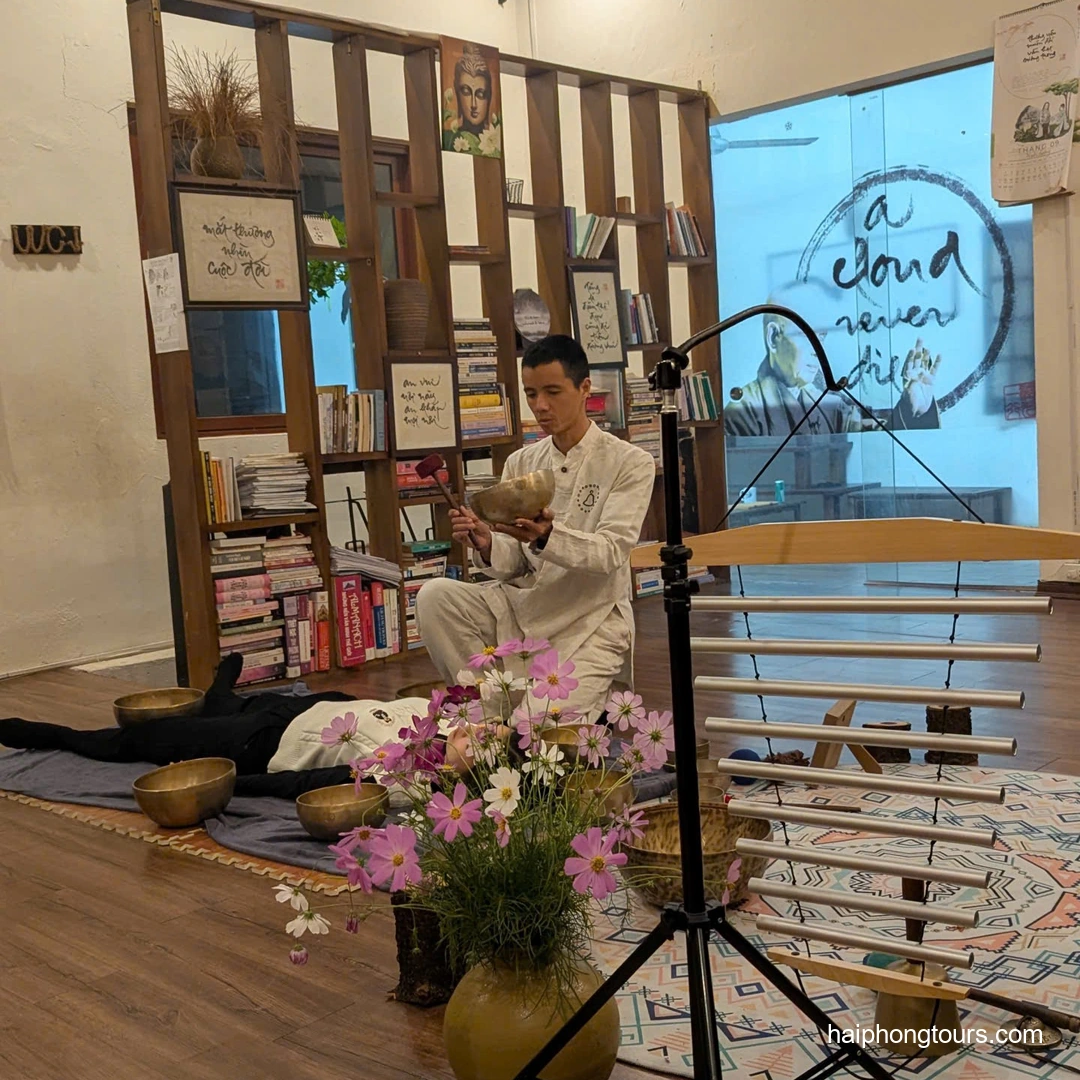
Its Cau Dat venue is 3/63 Cầu Đất, down the alley beside Hoang Phuong jewelry shop. The operator also lists a location at 5 Phan Bội Châu, so confirm which address your appointment uses. For an inquiry, contact ( from an international phone).
Group sessions run on announced dates; do not turn up expecting a daily class. Hai Phong Tours recommends confirming the date, total price, English-language guidance and whether you are booking a private session or a group event before arranging your afternoon. A previous workshop may have included tea and an introduction to playing the bowls, but these are not automatic inclusions in every booking.
Tell the facilitator about sound sensitivity and any health concerns before booking, and agree on a comfortable position and sound level. If you do not want a bowl placed on your body, say so beforehand. Keep the session unhurried rather than fitting it immediately before a train departure.
Hung Yen: a Korean-style sauna day near Hanoi
For an indoor half-day east of Hanoi, the Aquafield Ocean City guide explains four-hour sauna entry, separate treatment charges, family planning and gender-specific bathing areas. Allow for travel to the Ocean Park 2 mall in Hung Yen.
Quang Hanh: hot-mineral bathing with rules
Quang Hanh near Cam Pha has a developed onsen-style facility with public and private bathing formats. It can fit a Quang Ninh route before or after Ha Long, Bai Tu Long or Yen Tu. Current hours, package access and gender or swimwear rules should be confirmed directly.
Hot bathing is not suitable for every traveler. Ask a clinician about pregnancy, heart or blood-pressure conditions, recent illness, heat sensitivity and other relevant concerns. Follow the facility’s instructions, hydrate, limit exposure to a comfortable duration and leave immediately if dizzy or unwell.
Do not combine long hot bathing with alcohol, dehydration or a demanding road day. A private bath improves privacy but does not remove health considerations.
Thanh Thuy: choose a day pass or a private bath
West of Hanoi, Thanh Thuy suits a mineral-bathing day or one-night break. The Thanh Thuy hot-springs guide compares Ohayo day passes, Tre Nguon pools and private resort baths, including what room and bathing packages actually cover.
Kim Boi: covered pools, onsen and private villas
For a separate bathing trip in the former Hoa Binh area, the Kim Boi hot-spring guide distinguishes Cong Doan’s covered pools from Serena’s swimming, onsen and private-villa formats. Choose the actual bathing arrangement before comparing day entry with an overnight stay.
Red Dao herbal baths: cultural practice and careful claims
Herbal bathing is associated with Red Dao knowledge in the Sapa and Ta Phin area. A responsible experience should identify who prepares the bath, what the visitor is receiving and how the community benefits. It should not turn cultural knowledge into an unnamed “detox formula.”
Ask for the ingredients or known allergens, water temperature, bathing duration and hygiene process. Tell the provider about pregnancy, skin conditions, asthma, allergies or medication. Stop if breathing, skin or circulation symptoms appear.
Treat the bath as relaxation and cultural learning. Do not repeat claims that it cures chronic disease, removes toxins or guarantees sleep.
Sapa: wellness needs the right location
Sapa combines mountain views, spas, pools, herbal bathing and yoga offerings, but weather and construction can change the experience. A room facing the valley may also face fog, road noise or a steep approach.
For recovery, prioritize heating, hot water, quiet, mattress comfort, lift or step access and reliable meals. A remote resort can be restorative when you plan to stay on site; it becomes inconvenient when every meal or treatment needs another vehicle.
Use one gentle valley walk rather than a difficult trek marketed as a wellness activity. Wet stone, mud and repeated stairs still create physical load.
Mai Chau and Pu Luong: slow rural stays
Mai Chau and Pu Luong suit travelers who define wellness as rural quiet, walking, simple food and fewer screens. Neither destination guarantees silence. Roosters, family activity, agricultural work, karaoke and road noise are part of living landscapes.
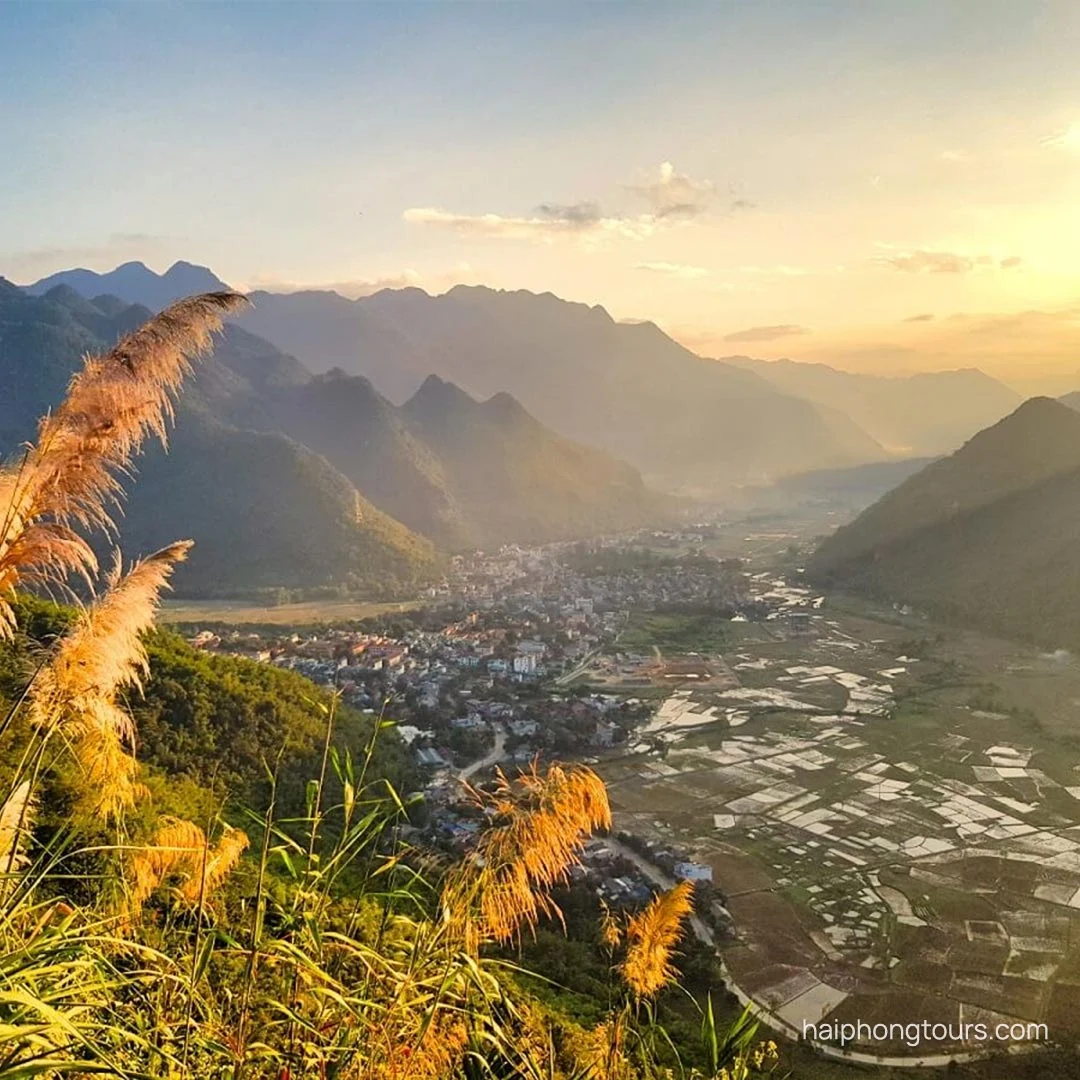
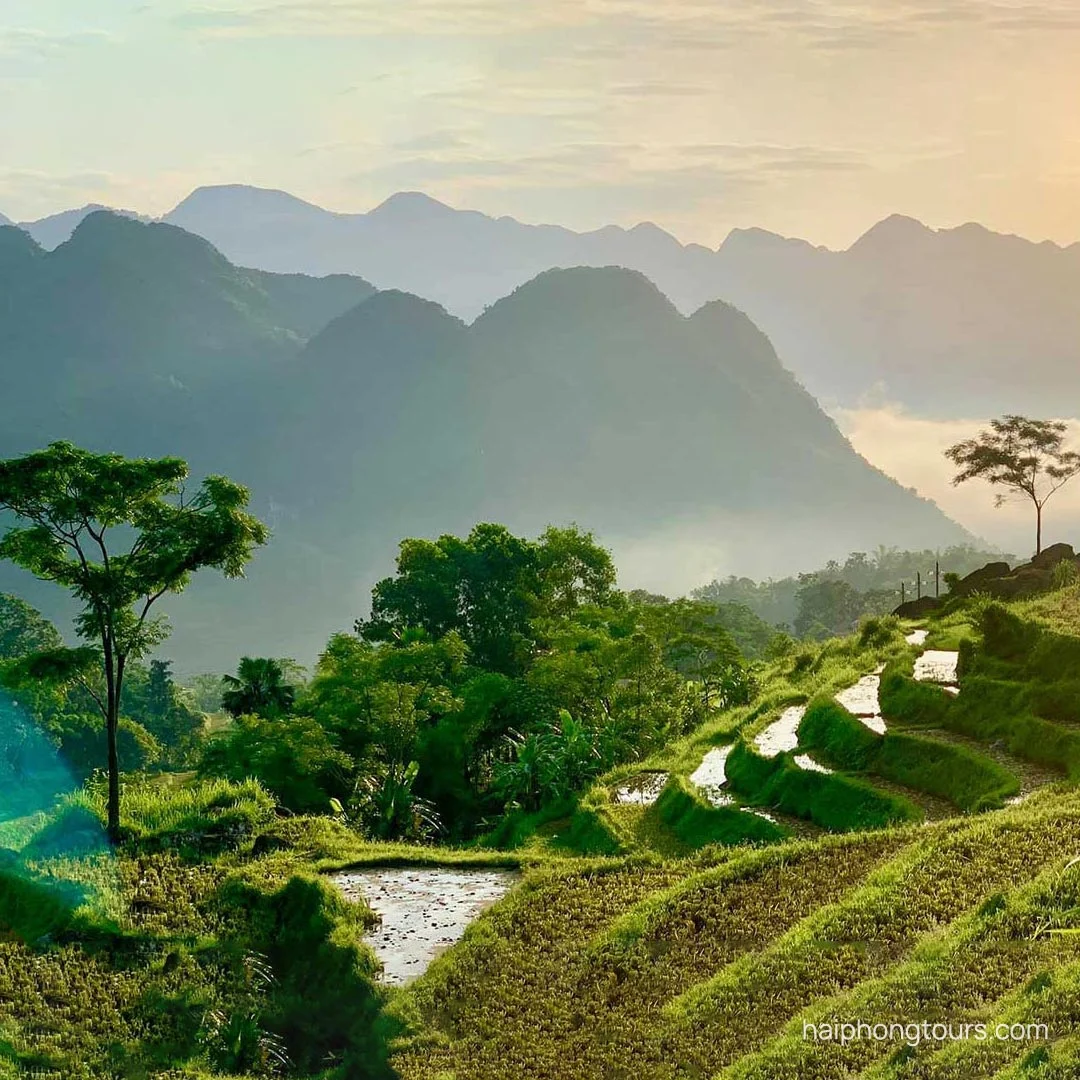
Mountain views in Mai Chau and rice terraces in Pu Luong.
Confirm whether the room is private, air-conditioned or heated when needed, and separated from a shared floor. Ask about steps, insects, bathroom access and meals. The North Vietnam homestay guide helps distinguish cultural value from a hotel-style wellness promise.
Yen Tu: contemplation through a pilgrimage landscape
Yen Tu can support reflection through early starts, forested slopes and a sequence of religious sites. It is an active pilgrimage destination, especially during busy periods, and reaching higher sites may involve cable cars, steep walking, crowds and changing mountain weather.
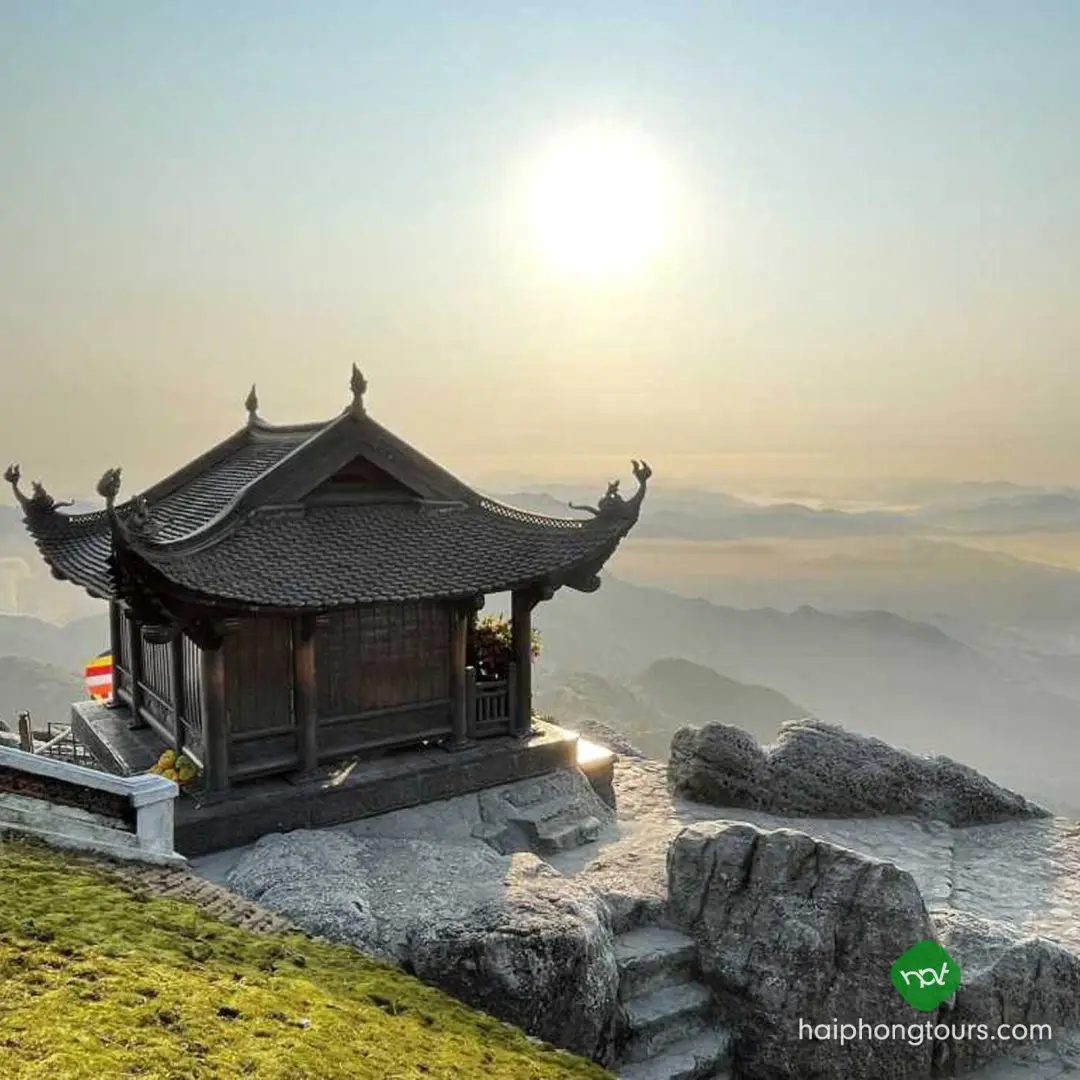
An overnight stay allows a quieter early or late period and reduces the pressure to race upward. The Yen Tu day-trip versus overnight guide explains the trade-off.
Follow worship etiquette and keep commercial wellness language away from religious practice. A visit can be meaningful without claiming that the place guarantees healing or transformation.
Cat Ba and the bays: nature with operational limits
Cat Ba can combine a quiet-area hotel, a gentle forest walk, swimming when conditions allow and a massage. The town is lively in peak periods, while remote properties require more transport and meal planning.
An overnight cruise can feel restful because meals and movement are organized, but cabins, engines, announcements, tenders and scheduled activities limit personal control. Ask about cabin location, stairs, diet, noise and activity alternatives.
Do not market sea air or kayaking as medical treatment. Weather can change the route and swimming access.
Massage and spa: verify the treatment
Ask for the treatment name, duration, price, pressure and body areas before changing clothes. A legitimate therapist should accept a request to reduce pressure, avoid an injured area or stop.
Check the room’s cleanliness, linen, handwashing and product labeling. Leave if boundaries are unclear, the treatment differs from the booking or the business pressures you into an undisclosed service.
The North Vietnam massage and spa guide covers treatment types, etiquette, safety and booking in detail.
Yoga: class fit matters more than the view
- Ask the teacher’s training and experience with your level.
- Confirm the teaching language and maximum group size.
- Describe injuries, pregnancy and movement limits privately.
- Check whether mats and cleaning are provided.
- Ask whether the class is heated, outdoors or weather-dependent.
- Avoid inversions, extreme stretching or breath retention you have not been trained to use.
- Choose a private session when a standard class cannot be adapted safely.
A beginner label does not guarantee that every movement suits every body. Pain, dizziness or numbness is a reason to stop.
Meditation and silent retreats
Before booking, identify whether the program is secular, religious, teacher-led or self-directed. Ask about the daily timetable, sitting duration, noble silence, meals, phone access, sleeping arrangement, gender rules and ability to leave early.
Intensive silence and long sitting can be difficult for some physical or mental-health conditions. Discuss relevant concerns with an appropriate professional and the retreat organizer. A retreat should have a clear safeguarding and emergency process.
Evaluate health claims
Be cautious when a provider promises to:
- cure a disease or chronic pain;
- remove toxins through one treatment;
- replace prescribed medicine;
- diagnose illness without proper clinical assessment;
- guarantee weight loss, sleep or emotional transformation;
- use a secret ingredient that cannot be disclosed;
- require a prepaid treatment series before one session is completed.
Wellness services can support comfort and routine. Medical claims require qualified care and reliable evidence.
Choose a retreat by operations
- Purpose: rest, yoga, meditation, spa, nutrition or outdoor movement.
- Staff: qualifications, language, supervision and emergency training.
- Program: fixed or optional sessions, difficulty and rest periods.
- Room: privacy, noise, temperature, bed, bathroom and step access.
- Food: actual menu, allergy process, drinks and meal timing.
- Transport: travel time, road surface, pickup and late-arrival plan.
- Health: contraindications, medication storage and nearest appropriate care.
- Terms: deposit, cancellation, weather changes and early departure.
A property can have an attractive spa menu while the overall schedule, noise or transfers work against recovery.
Food and wellness
Ask for a real sample menu instead of labels such as “clean,” “detox” or “organic.” Check protein, portion size, allergens, beverages and whether a demanding activity day receives enough food.
A juice-only program or severe restriction is not automatically healthy. Travelers with diabetes, pregnancy, allergies, eating-disorder history or medication-dependent meal timing need an appropriate professional plan.
Sleep is the core treatment
Check mattress firmness, external noise, curtains, room temperature and the first activity time. A late mountain arrival followed by a dawn class may reduce sleep more than the class can restore.
Stay at least two nights in one wellness base. The first night absorbs transport; the middle day provides the actual slow experience; the final morning should not begin with a stressful connection.
Weather changes recovery
Summer heat can make outdoor yoga, hot bathing and long walks harder. Winter creates cold rooms, fog and slippery mountain paths. Rain can improve the atmosphere while limiting views and outdoor sessions.
Ask for indoor alternatives and cancellation rules. Use the North Vietnam weather guide for broad planning, then check current conditions.
Accessibility and older travelers
Clarify steps, wet floors, pool rails, changing-room seating, treatment-bed height and distance from vehicle to room. A lift in the main hotel does not guarantee step-free access to the spa or hot spring.
Shorter treatments, private transport and a recovery day can matter more than a large wellness menu. The North Vietnam senior travel guide covers pacing, access and medication logistics.
A five-day recovery route
- Day 1, Hanoi: arrive, eat simply and sleep before any treatment.
- Day 2, Hanoi: take a gentle class or verified massage and a short walk.
- Day 3, mountain or Quang Ninh base: use private or direct transport and avoid scheduling a major activity after arrival.
- Day 4: choose one main experience, such as yoga, hot bathing, an herbal bath or a gentle nature walk.
- Day 5: keep the morning unhurried and return without a tight flight connection.
Choose one out-of-city base. Combining Sapa, Pu Luong, Yen Tu and Quang Hanh in five days turns a recovery trip into a vehicle itinerary.
A seven-day slower route
Use two Hanoi nights, three nights in one mountain or coastal base and a final Hanoi or Hai Phong night before departure. Add treatments only after sleep, food and travel time are protected.
The North Vietnam luxury travel guide helps evaluate private transport, room categories and cruise cabins when comfort matters, without assuming that higher price automatically creates wellness.
Responsible wellness
Ask who owns the service, who performs the work and whether cultural knowledge is credited. Buy herbal or craft products only when ingredients, origin and use are clear. Do not collect plants or copy a community formula for commercial use.
Use water and towels thoughtfully, avoid wildlife-based ingredients and decline single-use products you do not need. The responsible travel guide provides a wider framework for community and environmental choices.
Recovery comes from the itinerary
A valuable North Vietnam wellness trip does not require a branded retreat. It needs fewer transfers, enough sleep, suitable food, safe movement and one well-chosen practice or treatment.
Define the purpose, check the provider’s operations and remove unsupported medical claims. Two quiet nights in the right place will usually restore more than five hurried wellness stops.
Travelers who want a restorative activity rather than a treatment program can use the quiet hobbies in North Vietnam guide to plan birdwatching, sketching, tea, crafts or careful photography.
Travelers who want a simple nature practice rather than a packaged retreat can use the North Vietnam mindful-walking guide for quiet settings, safe access and realistic expectations.
Perimenopause and menopause can change what a comfortable retreat requires. The menopause travel guide for North Vietnam covers heat, sleep, toilets, medication and pacing.
Would you like to include local food in a city visit? Contact us with your destination, date, group size and dietary needs to discuss a suitable tour or private itinerary.