
A North Vietnam winter trip should be planned for cool, damp lowlands and colder, mistier mountains rather than tropical beach weather. From December through March, Hanoi and Ha Long can feel chilly under cloud, while Sapa and higher routes may be much colder. Winter still works well for city food, heritage, karst landscapes and cruises when you pack layers and do not require clear mountain views every day.
For a first winter trip, use Hanoi, Ninh Binh and one bay as the core. Add Sapa, Mai Chau or another mountain area only when you have time for weather changes and a properly heated or insulated room.
What winter feels like by region
Hanoi
Winter days can be cool, cloudy and damp. Buildings may feel colder indoors than visitors expect because heating is not universal. The season suits walking, museums, cafés and hot dishes, but drizzle and traffic spray make a light waterproof layer useful.
Ninh Binh
Karst scenery remains impressive in mist, and outdoor activity is usually more comfortable than during peak summer heat. Open boat rides can feel significantly colder than town because you sit still near water. Carry a wind-resistant layer and protect it from spray.
Ha Long, Lan Ha and Bai Tu Long bays
The coast is often cool to cold, misty and cloudy from December to March. Visibility can be atmospheric rather than clear. Marine conditions and official instructions still determine whether a vessel sails. A winter cruise should be chosen for the whole onboard and itinerary experience, not only for blue-sky photographs.
Sapa and high mountains
Sapa is colder than the lowlands and can be foggy. Rare cold spells may bring frost or snow to high locations. Mountain roads, stone steps and trekking paths require local condition checks. A clear valley view is never guaranteed, so include town, food, craft or wellness alternatives.
A balanced 10-day winter route
Days 1–3: Hanoi
Use the arrival day for rest and warm food. Spend the next two days across the Old Quarter, Hoan Kiem area, museums and historic sites. Keep a flexible indoor block for drizzle or a cold morning.
If you prefer organized transport, the current Hanoi City Group Tour lists morning, afternoon and full-day packages. Reconfirm the selected route, pickup and operating arrangements for your date.

Days 4–5: Ninh Binh
Stay two nights. Choose one main boat route and use the clearer or calmer day for it. Bring a layer that blocks wind and a dry seat layer if needed. Use the other day for Hoa Lu, Bai Dinh, a short countryside route or rest.
Do not schedule Hang Mua steps as mandatory when surfaces are wet or visibility is poor. The lower landscape can still be worthwhile without the summit.
Days 6–7: bay experience
Choose a day cruise if time is limited or you do not want a cold night aboard. Choose an overnight cruise for evening and morning on the water, understanding that two calendar days include boarding and disembarkation.
Compare active vessels through the current cruise directory. Ha Long and Lan Ha have day and overnight products. Bai Tu Long is too far for an HPT one-day program and requires at least a two-day, one-night itinerary.
Days 8–9: Hanoi buffer or Hai Phong extension
Return to a mainland city rather than moving directly from a cruise to an international flight. Hanoi provides the broadest museum and food alternatives. Hai Phong offers a practical coastal-city stop when Cat Bi Airport or a local departure suits the route.
Day 10: departure
Leave from the city where you slept. Winter fog and rain can slow road movement, so use a generous airport margin.
How to add Sapa without making the trip fragile
Add three nights and remove another optional stop. Travel during the day if overnight transport prevents you from sleeping. Confirm whether the hotel provides effective heating, an electric blanket or another safe warming arrangement; “mountain view” does not answer the comfort question.
Use the clearest period for Fansipan or a viewpoint. Keep a village walk short enough to return before dark and avoid exposed trails in poor visibility. If the forecast remains foggy, enjoy food, a herbal bath, craft shopping or a slower town day rather than chasing a different pass.
Mai Chau as a gentler winter extension
Mai Chau sits lower than Sapa and can be easier for a two- or three-night countryside break. The valley may still be cool and damp. Ask whether the room is enclosed, heated and private; an attractive traditional stilt house can have open construction and shared facilities.
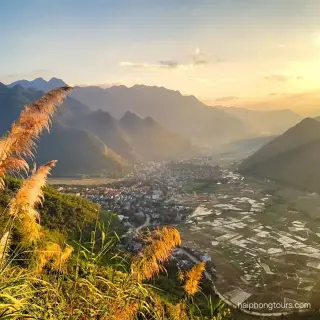
Walking or cycling is pleasant in stable weather, while a driver-supported village route suits cold rain or limited mobility. Mai Chau also connects logically toward Ninh Binh without requiring a return to central Hanoi when transport is arranged.
Winter cruise questions
- Which bay and port does the vessel use?
- Is the cabin climate-controlled for cool weather?
- Are dining and public areas enclosed or open?
- Which activities are outdoors, and what happens in rain or poor visibility?
- Does the operator provide suitable life jackets for children?
- What is the transfer pickup and return drop-off?
- What happens if authorities restrict sailing?
- Are hot water, dietary needs and medication storage confirmed?
Mist does not automatically mean cancellation. Wind, visibility, marine conditions and official decisions matter. Follow the operator’s confirmed instructions and do not move to an unofficial boat if sailing is suspended.
What to pack
- Breathable base layers
- Warm mid-layer such as fleece or wool
- Wind-resistant and water-resistant outer layer
- Long trousers and comfortable socks
- Shoes with grip for wet stone and boat decks
- Compact umbrella for cities
- Warm hat and light gloves for mountains or exposed decks
- Dry pouch for passport, phone and medication
- Moisturizer and lip balm for cool or dry periods
Layering works better than one bulky coat because indoor temperatures, walking effort and elevations change. The North Vietnam packing list separates city, mountain and cruise items.
Accommodation checks that matter in winter
Ask about the exact room rather than the property in general. Corner rooms, bungalows and traditional houses may have different insulation. Confirm:
- Heating method and hours
- Hot-water availability
- Sealed windows and room humidity
- Extra blankets
- Bathroom location
- Backup electricity in remote areas
- Vehicle access in fog or rain
Do not use unsafe improvised heaters in a closed room. Follow the property’s instructions for electric blankets and heating equipment.
Food and daily rhythm
Winter is well suited to hot noodle soups, grilled dishes, hotpot and coffee. Schedule the main outdoor activity from late morning into the warmest useful part of the day, then use early morning or evening for food and indoor sites.
Hydration still matters in cool weather. Carry water on boat trips and mountain walks even when you do not feel hot. Alcohol creates a sensation of warmth but does not replace proper layers, food or shelter.
Transport choices
Fog and wet roads can slow mountain travel. Use daylight for unfamiliar routes and keep one night near the international airport. If a shared timetable creates a tight connection, compare the exact direction in the current HPT transfer directory.
A private vehicle offers door-to-door timing and stops, but it does not make poor mountain conditions safe. Allow the driver to adjust speed and route.
Common winter mistakes
- Packing only for tropical heat
- Booking an unheated mountain room from summer photographs
- Expecting clear Fansipan or bay views on a fixed date
- Using smooth shoes on wet stone steps
- Taking an overnight bus and starting a trek immediately
- Connecting a cruise or mountain transfer directly to the flight
- Assuming every cold day needs a completely different destination
Frequently asked questions
Is North Vietnam too cold in winter?
Most lowland trips remain practical with layers, but damp conditions can feel colder than the temperature suggests. Mountains require warmer clothing and verified accommodation heating.
Is Ha Long Bay worth visiting in winter?
Yes, if you accept mist and cloud as possible. Choose a vessel with comfortable indoor spaces and an itinerary you value even without blue sky.
Does it snow in Sapa?
Snow can occur during exceptional cold spells in high areas, but it is not a dependable attraction. Do not plan a trip around seeing it.
Should I choose Sapa or Ninh Binh?
Choose Sapa for colder mountain atmosphere and the possibility of cloud, terraces and village routes. Choose Ninh Binh for easier lowland access, boat landscapes and a route that combines smoothly with Hanoi and the coast.
Final decision
Winter is a good North Vietnam season for travelers who value food, culture, atmosphere and cooler walking weather. Keep Hanoi, Ninh Binh and one bay as the reliable core, add a mountain only with time and warm accommodation, and protect the final flight with a mainland buffer. Pack for damp cold rather than for a generic tropical holiday.
Useful guides for your trip
Would you like help fitting this experience into your trip? Contact us with your travel dates, starting point, available time and group size. Tell us about walking limits or special interests so we can suggest a practical itinerary.