
A North Vietnam trip with teenagers works when they have influence, privacy and time that is not programmed by adults. Use a route with clear contrasts, such as Hanoi, Ninh Binh and Hai Phong or Cat Ba, and let each teenager choose one meaningful activity rather than asking them to approve an entire itinerary.
Seven to ten days is enough for two or three bases. The aim is not to keep a teenager entertained every minute; it is to mix independence, shared experiences and reliable downtime.
Give teenagers real planning responsibility
Assign a decision with a real consequence: choose one Hanoi neighborhood walk, compare two boat options, plan one meal within a budget or select the trip playlist. Provide safety and cost limits, then accept the choice when it fits them.
Avoid asking, “What do you want to do?” without context. Show two or three options with the travel time, physical effort and trade-off. Teenagers are more likely to participate when their choice changes the plan.
A route with variety and breathing room
Hanoi: three or four nights
Hanoi offers food, history, contemporary cafes, shopping and street photography within a compact stay. Choose one serious cultural visit at a time, then add a self-directed activity such as choosing snacks, navigating a lake route or finding a particular design or architectural detail.
For a teenager who enjoys football, check whether a Hanoi FC match at Hang Day Stadium fits your dates. Confirm the host club and local kickoff time, buy the correct match ticket and choose a stand that suits your family before making it an evening commitment.
Agree on road-crossing rules before independent movement. A teenager confident at home may still misread Hanoi traffic. Start with a familiar route in daylight and define the exact area and return time.
Ninh Binh: two nights
A boat trip, cycling and a viewpoint provide more movement after the city. Select only one main boat route. Hang Mua can appeal to active teenagers, but the steep exposed steps, heat and crowds require appropriate footwear and a willingness to turn back.

Book accommodation with usable shared space, a pool where seasonally practical, or easy food access. A scenic rural property can feel isolating after dark if the teenager expected walkable choices.
Hai Phong, Cat Ba or a bay: two nights
Hai Phong supports food exploration and flexible city time. Cat Ba adds beaches and nature with more transport. A cruise packages scenery and activities but reduces personal control over the schedule.
Before booking a cruise, show the teenager the actual activity timetable, cabin arrangement and connectivity limits. Confirm whether kayaking, swimming and cave visits are optional and what happens in poor weather.
Balance family time and private time
Build one protected period each day when the teenager can read, message friends, exercise or rest without being treated as antisocial. Adults need the same freedom. A family trip is not weakened by two hours apart.
Room configuration matters. A twin room, connecting room or apartment may work better than adding a rollaway bed beside the parents. Verify the actual layout, bathroom privacy and whether connecting rooms are guaranteed.
Set phone rules for a travel purpose
Phones are tools for maps, translation, tickets, photos and contact. Agree on the few times when recreational use should pause, such as meals, a guide’s explanation or a shared activity. Adults should follow the same rule.
Download maps and entertainment before transfers, use headphones responsibly and carry a power bank. Keep location sharing and emergency contacts set up when a teenager has agreed independent time.
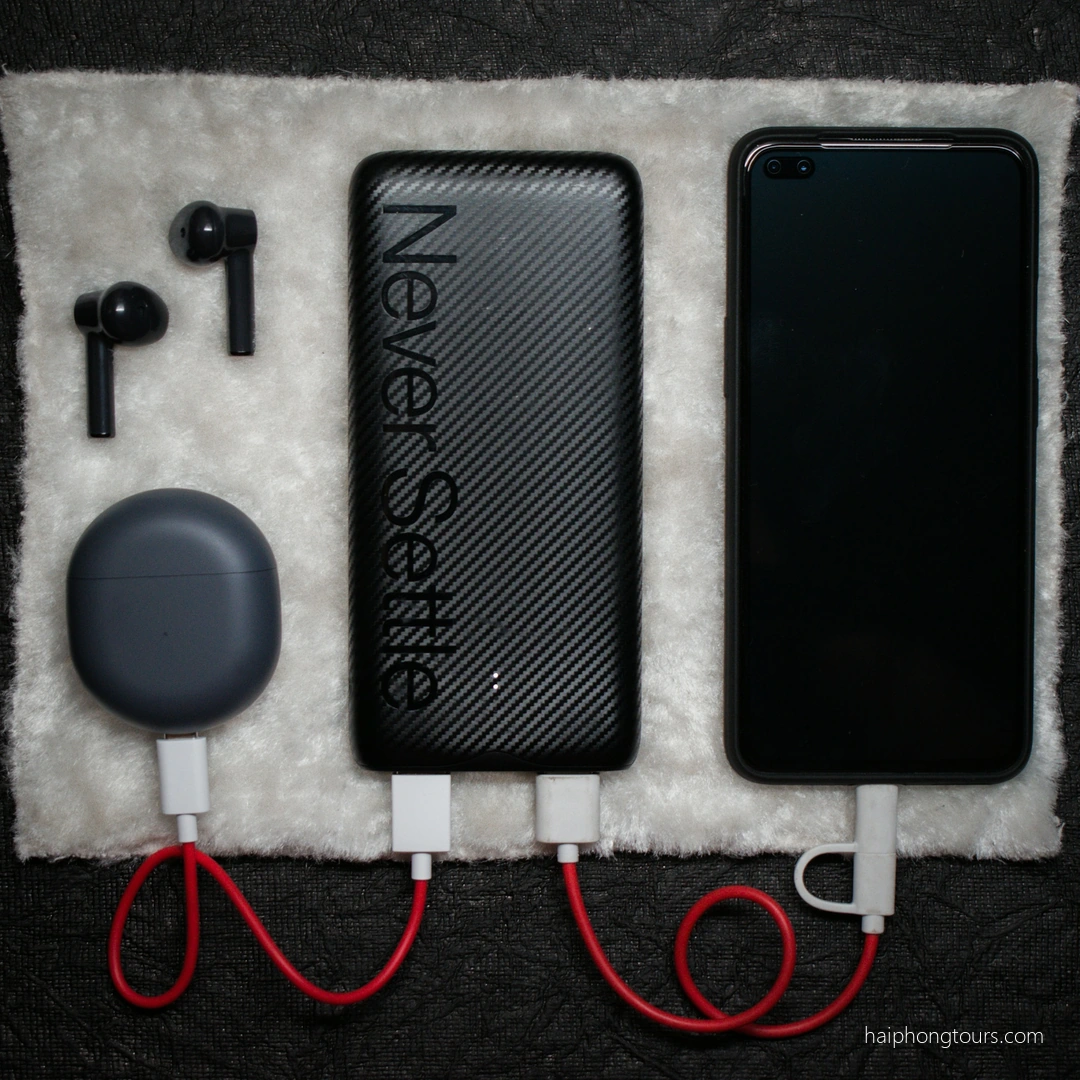
The screen-free family travel guide offers a structured system without removing the connected device needed for safety.
Money and spending freedom
Give the teenager a daily or activity budget and explain what it covers. Keep emergency funds separate. Practice currency conversion together and agree that purchases above a set amount need discussion.
Cash is useful for small vendors, but it should be divided rather than kept in one wallet. A payment card or phone may not work everywhere, and a successful electronic payment should be confirmed before repeating it.

Food without a daily argument
Let the teenager choose one food target and one dependable backup. Share unfamiliar dishes rather than ordering a full portion for one reluctant eater. A familiar breakfast can leave more willingness for local food later.
Allergies require a translated written explanation and adult oversight. Teenagers can practice stating the restriction, but they should not carry sole responsibility for interpreting sauces, broths or cross-contact.
Choose active experiences by skill, not confidence
Ask about the actual route, supervision and equipment for cycling, kayaking or hiking. A confident teenager may still be new to tropical heat, local traffic, moving boats or slippery limestone steps.
Use fitted safety equipment and follow operator instructions. Do not pressure a teenager to join a water or height activity for a photo. An alternative place to wait should be agreed before the group splits.
Social media and photography boundaries
Agree before the trip about posting each other, tagging the live location and photographing strangers. Ask permission for close portraits and never enter homes, working areas or worship spaces for content without consent.
Delay precise location posts when privacy or independent movement matters. Keep travel documents, room numbers and boarding passes out of public images.
What to do when motivation collapses
Check the cause before adding another attraction. Heat, hunger, poor sleep, social fatigue or lack of privacy can look like disinterest. Remove one commitment, eat something simple and give the teenager a defined break.
Keep one low-effort fallback at every base: cinema, cafe, pool, market, drawing session, hotel rest or a short food walk. A quiet afternoon can protect the following day.
A practical daily rhythm
- Morning: one shared high-priority activity.
- Lunch: a meal with one familiar option.
- Early afternoon: private time or rest.
- Late afternoon: a flexible walk, activity or teenager-led choice.
- Evening: agree on tomorrow, then stop planning.
Teenagers do not need a special attraction at every stop. They need a trip where their choices are visible, the rules have reasons and rest is allowed.
Would you like help fitting this experience into your trip? Contact us with your travel dates, starting point, available time and group size. Tell us about walking limits or special interests so we can suggest a practical itinerary.