
For a northern Vietnam train-station transfer, send the station printed on the ticket, train number, travel date and expected arrival or departure. A city can have more than one station or entrance, and the railway endpoint may still be far from the hotel or attraction named in the itinerary.
Book around a time window rather than one exact arrival minute. Trains can reach early or late, while passengers still need to leave the carriage, find bags and reach the public pickup point.
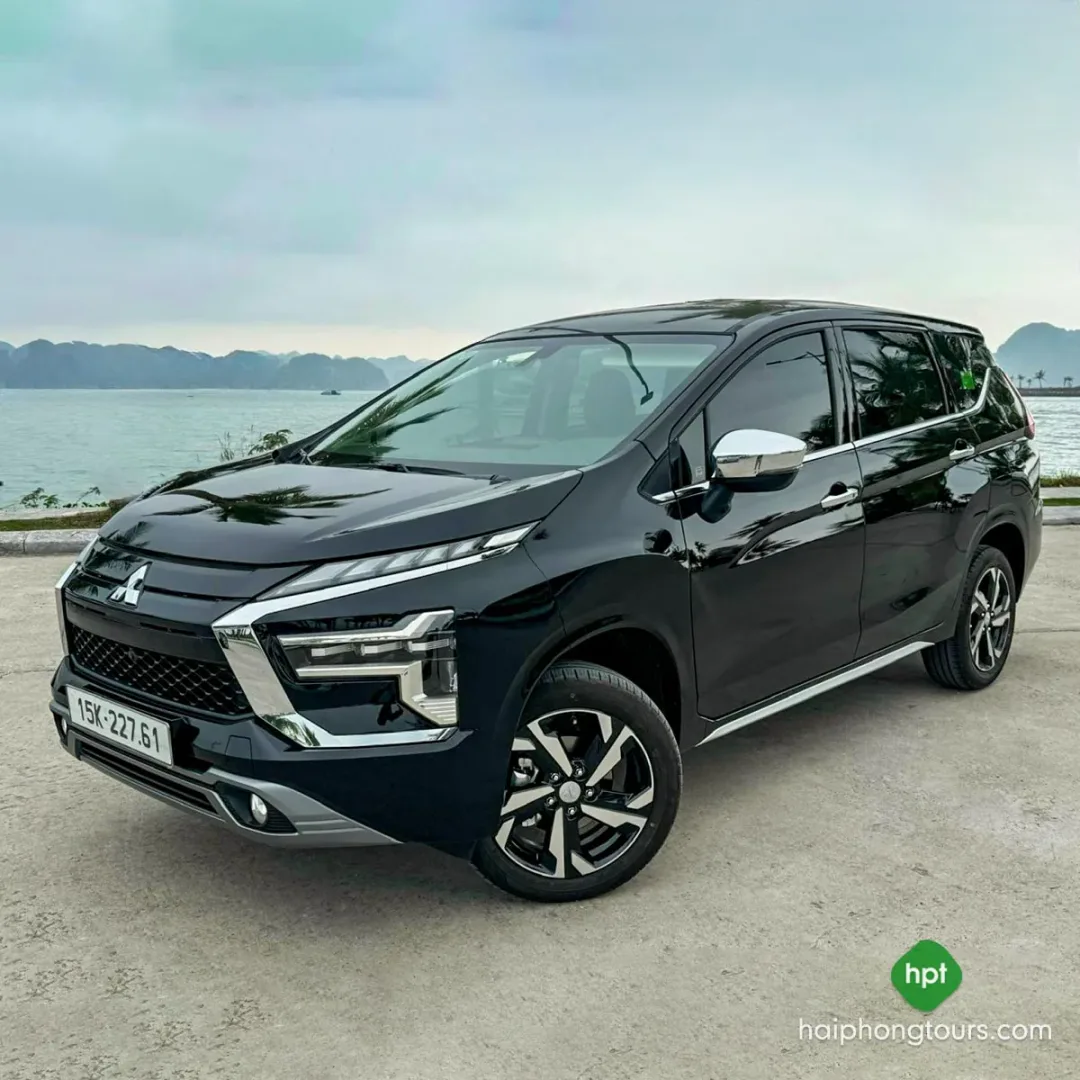
Use the station on the actual ticket
Hanoi Station, Long Bien and Gia Lam are different pickup points. A familiar route may use a different station because of service changes or bridge work. In Hai Phong, the main station is not the same as every suburban stop on the line.
Check the official railway booking or ticket for the station name and train number. Do not ask a driver to meet “the Hanoi train” or rely on a blog timetable. Forward a screenshot that shows the useful train details without exposing payment information.
Ask which station exit or street the vehicle uses. A pin in the middle of the railway complex is not an executable meeting point.
The railway endpoint may not be the traveler’s destination
Lao Cai is not Sapa
The railway finishes in Lao Cai city. Sapa requires another mountain-road transfer. Arrange it before arrival, particularly for an early-morning train, and confirm whether the hotel is in Sapa Town or a valley village.
Ninh Binh city is not every Ninh Binh attraction
Trang An, Tam Coc, Hang Mua, Bai Dinh and rural homestays use different roads from Ninh Binh station. Send the accommodation pin and ask whether reception is open at the train-arrival time.
Hai Phong station is not Cat Ba Island
Cat Ba needs a road and sea crossing after the train. Confirm the through bus or separate car, crossing method and island drop-off. A late train can miss the useful island connection.
Build pickup time around the train status
For an arrival, give the scheduled time and ask how waiting is handled if the train is late. A fixed-time local taxi may leave, while a private driver may include a waiting period or track the train number.
Message the driver when the train reaches the preceding major station if mobile service works, then again after leaving the carriage. Keep the driver outside the restricted platform area unless the operator has a defined meet-and-assist service.
For a departure, arrive with time to locate the correct station entrance, platform and carriage. Road traffic, unloading luggage and finding the ticket check come before boarding.
Choose the meeting point
Use a public exit, numbered gate, station sign or named street. Send a photo when the station has multiple exits. At night, choose a lit staffed point and do not walk away with someone who cannot confirm the booking.
Verify the plate and driver contact. If the vehicle changes, require the original operator to confirm the substitution. Do not rely on a person holding only a generic name sign.
When several passengers in the group use different carriages, set one meeting point after everyone has left the train. The driver should not search the platform while bags are still being unloaded.
Night trains need an early-arrival plan
Night trains often reach destination stations early in the morning. Ask the hotel whether reception is staffed, bags can be stored and a shower or early room is available. Immediate room use may require reserving the previous night.
Keep a warm layer and water accessible. Do not place every essential item in a suitcase that will be buried in the vehicle after arrival.
If continuing to a mountain or island destination, avoid booking the earliest possible connection with no train-delay margin. A breakfast stop or flexible local car can be more resilient than the last seat on a tightly timed shared service.
Luggage and berth choices affect the road transfer
A large suitcase can be awkward on carriage steps and crowded platforms. Tell the road-transfer provider the actual bag count and any bicycle, stroller or wheelchair. The car must fit the load after all passengers are seated.
Keep passport, ticket, money, medicine and electronics in a small bag at the berth. Before leaving the train, check bedding area, charging point, floor and luggage rack. Count bags before the car leaves the station.
Using two trains or changing stations
A Hai Phong–Hanoi train and a Hanoi–Lao Cai train are separate journeys. Confirm both station names. The arrival from one route and departure for another may require a road transfer across Hanoi rather than a platform change.
Leave a substantial margin for train delay, station exit, city traffic and boarding. Independently booked trains may not protect the second ticket. An overnight in Hanoi can be the better plan when the connection is critical.
When a train-and-car combination works well
Rail can cover the long city-to-city segment while a private car solves the final hotel, village or attraction road. This is useful for Lao Cai–Sapa, Ninh Binh rural stays and Hai Phong–Cat Ba when the timing fits.
Define where the car job begins. A station pickup does not automatically include waiting through breakfast, sightseeing or a hotel room release. Add those stops to the quote.
Accessible and family travel
Ask the railway about boarding assistance separately from the road transfer. For the car, state whether a traveler can transfer to a normal seat and whether a folding wheelchair, stroller or child seat is carried.
Station steps, platform gaps and elevator availability require station-specific confirmation. A driver cannot solve access inside the rail system. Arrange a companion or official assistance where needed.
Book the direction that starts at the station area
Use the Hai Phong Tours transfer directory when a current exact direction matches the station city and destination. Then specify the station pickup in the booking; a city product does not automatically describe platform assistance.
If the route is absent, request a custom plan and do not imply it is a listed HPT service.
Copy this station-transfer request
“We arrive on train [number] at [station name] on [date] at [scheduled local time]. We are [passengers] with [bags/equipment], traveling to [name and pin]. Please confirm the public exit meeting point, waiting rule for a late train, driver contact, plate-assignment timing, vehicle fit and any final local handover.”
For a departure, replace the arrival details with the train’s reporting and boarding requirement, then ask the driver to recommend a pickup that protects the station margin.