
A trekking transfer in northern Vietnam needs two verified points: the trailhead and the finish. Many routes are one-way, and bad weather can move either point. The driver, guide and traveler should share the same pins, timing and luggage plan before departure.
Do not book only “transport to the trek.” Name the route, local guide, start, finish, expected walking window and the fallback if the group turns around or exits early.

Find out whether the trek is one-way
A driver can wait at the starting point only when the group returns there. Ridge crossings, village-to-village walks and multi-day treks may finish on another road. Ask the guide to send the actual exit pin and road name, not only the mountain or village.
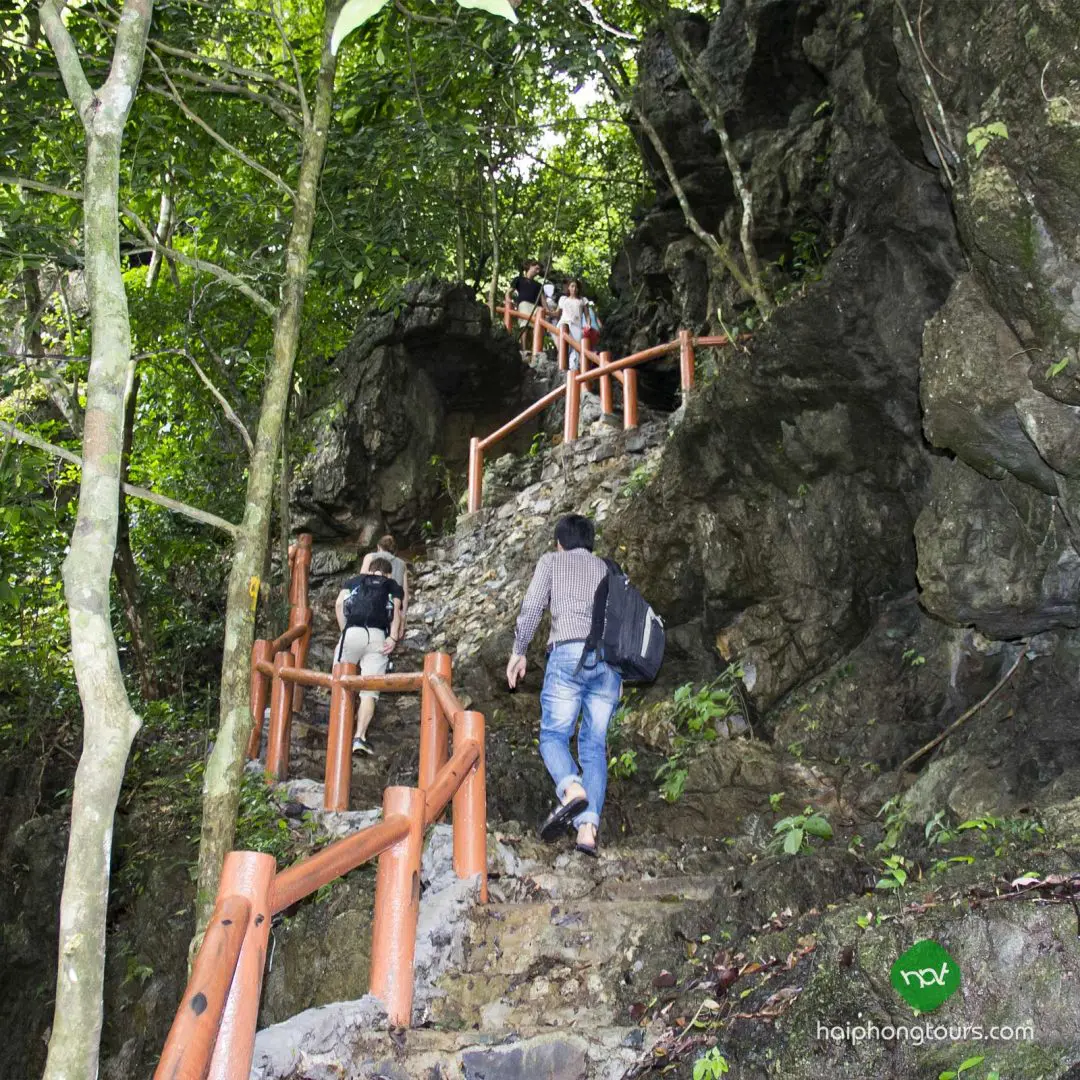
If the finish is uncertain, agree on several named exits and the trigger for choosing each. The driver needs enough notice to move between them. A vehicle cannot follow the group on trails or remain within mobile range everywhere.
For a loop walk, confirm the parking point and whether the driver stays or returns at a fixed time. “Waiting” should appear in the quote when it is part of the job.
Use the local guide as the terrain contact
The transport dispatcher knows the road network; the local guide should know the trail, village permissions and current conditions. Put them in contact or forward one agreed summary. The passenger should not become the only person translating moving trail information while hiking.
Send the guide’s working phone and an offline description of the vehicle meeting point. In areas with weak signal, agree on the last time the guide will update and the default plan if no message arrives.
Do not ask a driver to enter an unverified forest or farm road because a map shows a line. The guide or host should confirm whether the vehicle class can reach the point that day.
Separate trekking luggage from transfer luggage
Carry only what is needed on the trail. Store the main suitcase at a hotel, operator office or in the transfer vehicle only when custody is agreed. A driver who drops the group and leaves is not automatically responsible for unattended luggage.
Label the stored bag and keep passport, money, medicine and electronics according to the security plan. If the driver carries luggage to the finish, confirm vehicle plate, driver contact and who receives the bags if the walking group is late.
List trekking poles, large packs, muddy boots, helmets and technical equipment when choosing the vehicle. These items use more space than an ordinary day bag.
Plan for wet and dirty gear
Bring a change of clothes, dry socks and a sealed bag for wet equipment. Ask whether the vehicle can carry muddy footwear and where it should be placed. Do not put wet gear loose on seats or against another passenger’s luggage.
A plastic liner protects the hiking pack, but valuables need a proper waterproof inner bag. Keep water and a warm layer accessible after the walk; body temperature can drop during a long drive in air conditioning.
If the group is very wet or muddy, choose a finish with shelter and changing space. A roadside pickup without cover can turn a minor delay into a comfort and safety problem.
Driver waiting is not automatic
Define whether the booking is a one-way drop, a drop plus fixed wait, or a full-day vehicle that moves to the finish. State the maximum service window and added waiting rate. A trek that ends two hours late can affect the driver’s next job.
Use a time range rather than pretending the walking pace is exact. Add more margin for children, a large group, photography, steep descent or recent rain. The guide should contact dispatch as soon as the finish estimate changes.
Weather can move the trailhead
Fog, rain, heat, river levels, landslide repair and local restrictions can change the safe route. Ask the guide for the morning decision point. If the trek is shortened or moved, send new pins to the transport operator before the car departs.
Create a road-based alternative: shorter village walk, lower trail or return to the starting point. Do not pressure the guide or driver to preserve an unsafe plan merely because the transport is prepaid.
Hai Phong Tours recommends keeping the evening after a weather-sensitive trek flexible. A delayed finish should not immediately threaten the last bus, flight or cruise.
Protect the journey after the trek
Do not place a nonrefundable connection against the guide’s fastest finish estimate. Include time to clean up, change clothes, retrieve luggage, eat and travel from the exit to the station or hotel.
After a strenuous multi-day route, a town hotel is often better than an overnight sleeper. Fatigue, dehydration or a minor injury may make an immediate long transfer uncomfortable.
If a flight must follow the trek, finish a day earlier. Mountain road delay and trail delay are independent risks; stacking them produces a fragile plan.
Vehicle and road fit
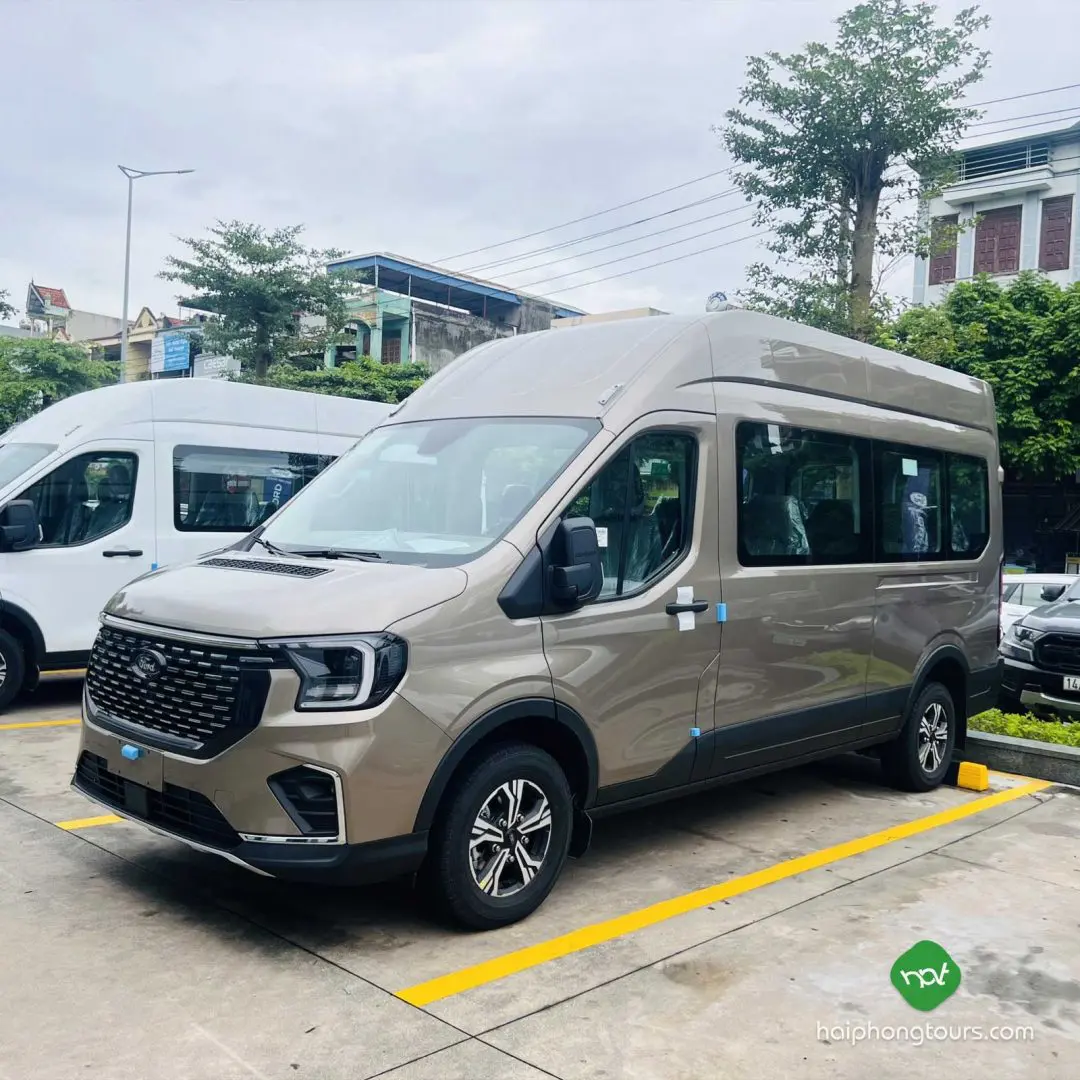
A larger vehicle may be comfortable for the intercity section but unable to reach a narrow trailhead. The solution can be a main vehicle to a village and a smaller local car or motorcycle for the last road. Confirm who handles bags and where passengers change.
For a motorcycle handover, use an appropriate helmet and limit luggage. A hard suitcase is not a practical item to balance on a rural motorcycle. Arrange separate luggage storage or a local car.
Safety and emergency plan
Give one trip leader and the guide responsibility for updates. Share the route, expected finish and emergency contact with the driver. Carry a charged phone and power bank, but do not assume continuous signal.
If the group exits early because of injury or weather, the guide should identify the safest road point before requesting a car. A moving live-location dot without a road name is not enough for dispatch.
Medical evacuation is not the same as a normal transfer. In an emergency, follow the guide’s local safety plan and contact emergency or medical services as appropriate rather than waiting for a tourism vehicle.
What to put in the transport request
- trek name and local guide contact;
- start pin, finish pin and alternative exits;
- date, pickup and expected walking window;
- passenger and bag count;
- stored-luggage custody and delivery point;
- vehicle road limit and any local handover;
- waiting included and added-time rule;
- weather decision time and no-signal default plan.
The Hai Phong Tours transfer directory can identify a current intercity route, but it does not define an unlisted trailhead, guide or waiting job. Those details require separate written confirmation.
Copy this booking message
“Our trek on [date] starts at [pin] and normally finishes at [pin] between [time range]. Guide: [name and phone]. Alternative exits are [pins]. We have [passengers], [bags] and [stored luggage plan]. Please confirm the vehicle, accessible road points, drop/wait/relocation scope, included waiting, late-finish rule and the contact procedure if weather changes the route.”
The driver does not need every trail detail, but the road endpoints, timing and fallback must be exact.
Would you like help fitting this experience into your trip? Contact us with your travel dates, starting point, available time and group size. Tell us about walking limits or special interests so we can suggest a practical itinerary.