
Most popular walking caves in Halong Bay, Bai Tu Long Bay and Cat Ba involve an uphill approach as well as walking inside. At Sung Sot, allow for roughly 100 steps up to the entrance; at Thien Canh Son, around 70. These figures describe the approach, not every step you will take during the visit.
If stairs, balance or bending are difficult for you, choose by the whole route: boat boarding, the climb, passages inside and the descent. Trung Trang is a particularly important distinction: its roughly 300-meter length is a walking distance, and the visit also involves entrance steps and low passages.
Compare the six caves before choosing a cruise
- Sung Sot, Halong Bay: roughly 100 entrance steps, followed by a walk through large chambers and the route back down.
- Thien Canh Son, Bai Tu Long Bay: around 70 stone steps uphill, with a narrow entrance and lower ceiling sections inside.
- Thien Cung, Halong Bay: an uphill approach followed by an interior visitor route of about 190 meters.
- Dau Go, Halong Bay: an elevated cave with an approach climb and three chambers; visiting nearby Thien Cung as well adds more walking.
- Trung Trang, Cat Ba: a steep entrance climb and about 300 meters through the mountain, including sections where you need to duck or crouch.
- Hospital Cave, Cat Ba: a stair climb to a former wartime hospital built inside the mountain, with further changes of level on parts of the visit.
A shorter boat trip does not necessarily mean less climbing. A four-hour cruise that visits two caves can involve more time on your feet than you expect. Ask for the actual stops and walking requirements before choosing by cruise duration alone.
Walking conditions at each cave
Sung Sot Cave: entrance stairs and a longer visit inside
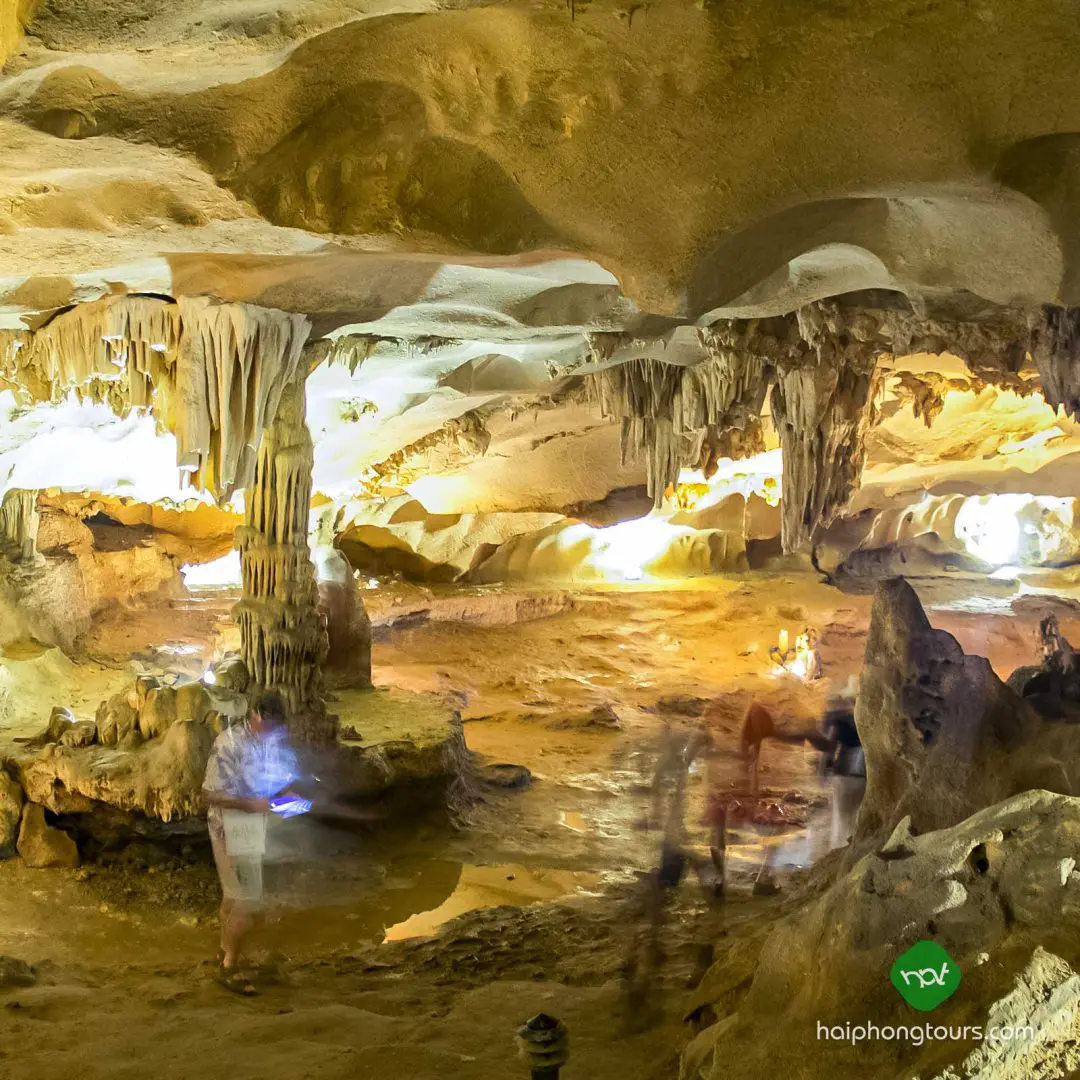
Sung Sot, also called Surprise Cave, is on Bo Hon Island in Halong Bay. The roughly 100-step climb from the landing area brings you to the entrance, where the visit continues through limestone chambers. Reaching the top of the entrance stairs is only the first part of the outing.
 Overnight Cruise
Halong Bay
Catherine Cruise 2 day 1 night tour
 Day Cruise
Halong Bay
Top Luxury Halong bay 1 day Yacht with Private room
 Day Cruise
Halong Bay
Luxury Halong bay day cruise
 Day Cruise
Halong Bay
Private 6 Hour Halong Bay Day Cruise
 Day Cruise
Halong Bay
Catherine Horizon Day Cruise
 Overnight Cruise
Halong Bay
Oriental Sails 2 day 1 night tour
 Overnight Cruise
Halong Bay
Athena Cruise 2 day 1 night tour
 Overnight Cruise
Halong Bay
Starlight Cruise 2 day 1 night tour
Overnight Cruise
Halong Bay & Lan Ha Bay Oriental Sails 3 day 2 night tour
Overnight Cruise
Halong Bay & Lan Ha Bay Starlight Cruise 3 day 2 night tour
Overnight Cruise
Halong Bay Athena Cruise 3 day 2 night tour
Overnight Cruise
Halong Bay Catherine Cruise 3 day 2 night tour
 Day Cruise
Halong Bay
Icon Cruise Halong Bay: 6-Star Luxury Day Cruise
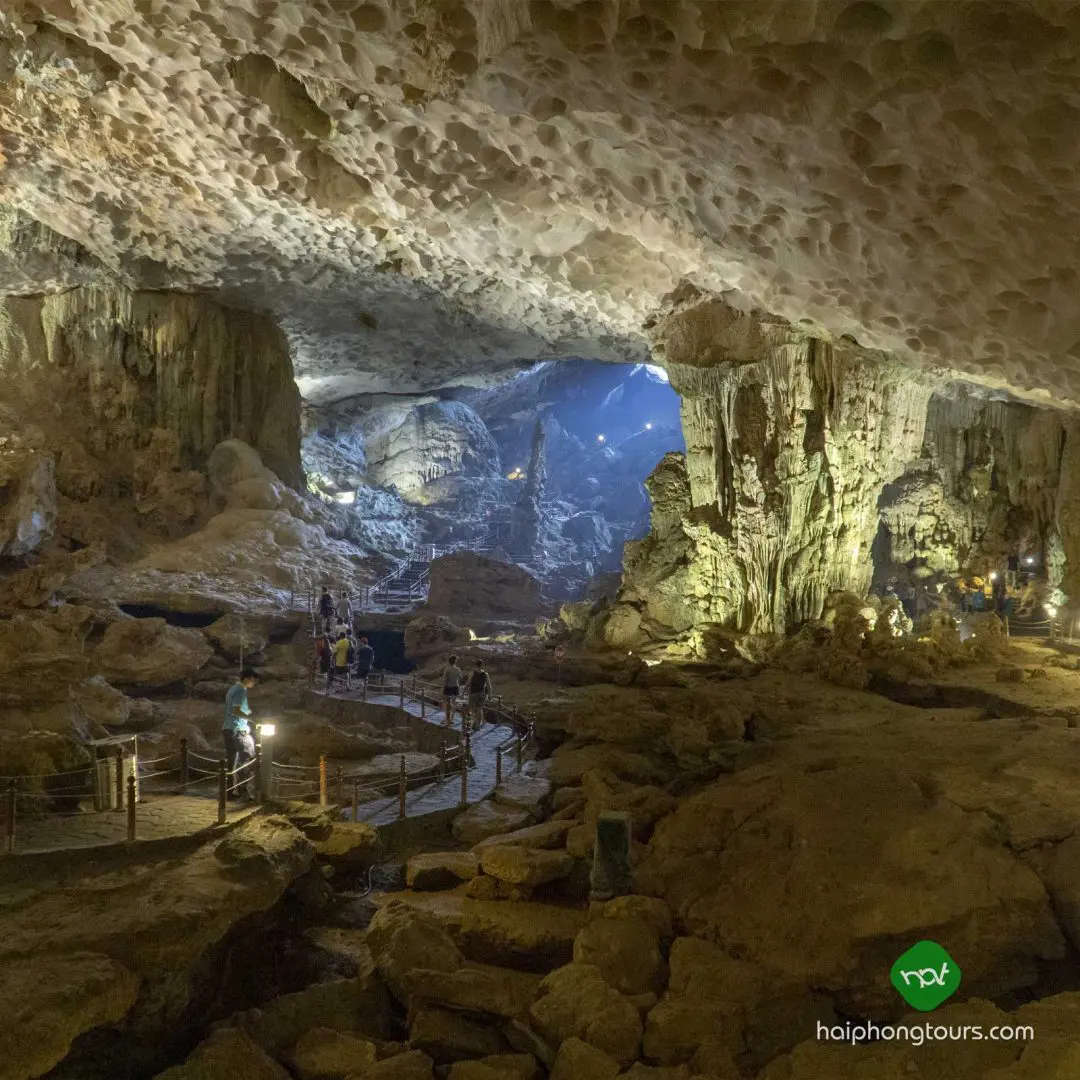
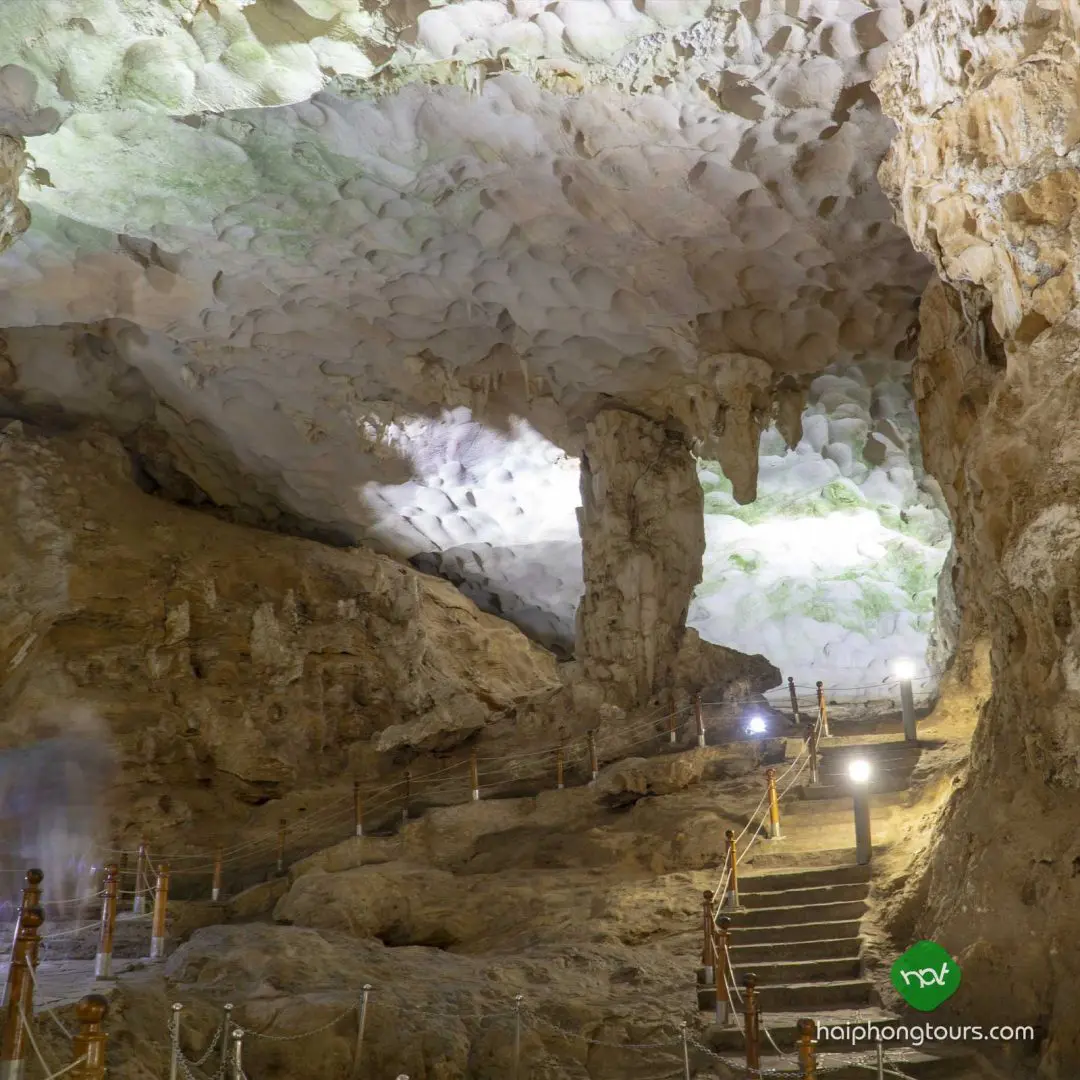
The walking route and stone steps inside Sung Sot Cave.
Keep enough energy for the interior walk and the descent. If you need frequent rests, tell the guide before leaving the boat so the group’s timing and your return arrangements are clear.
The six-hour Halong Bay day tour includes Sung Sot, Luon Cave and Titov Island. Treat any additional viewpoint climb at Titov as a separate decision rather than assuming that completing the cave means you should do every activity.

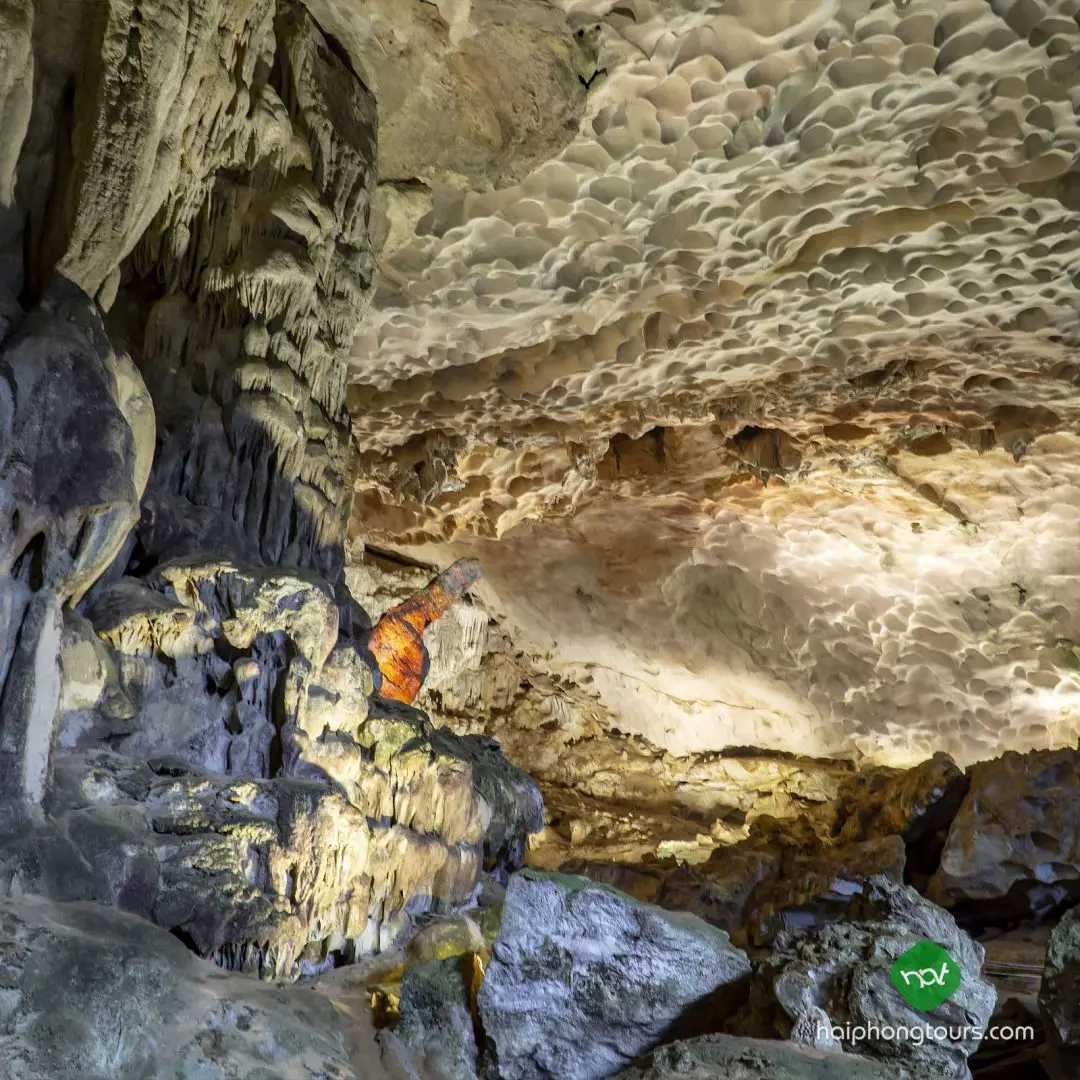
Thien Canh Son Cave: stone steps on a Bai Tu Long itinerary
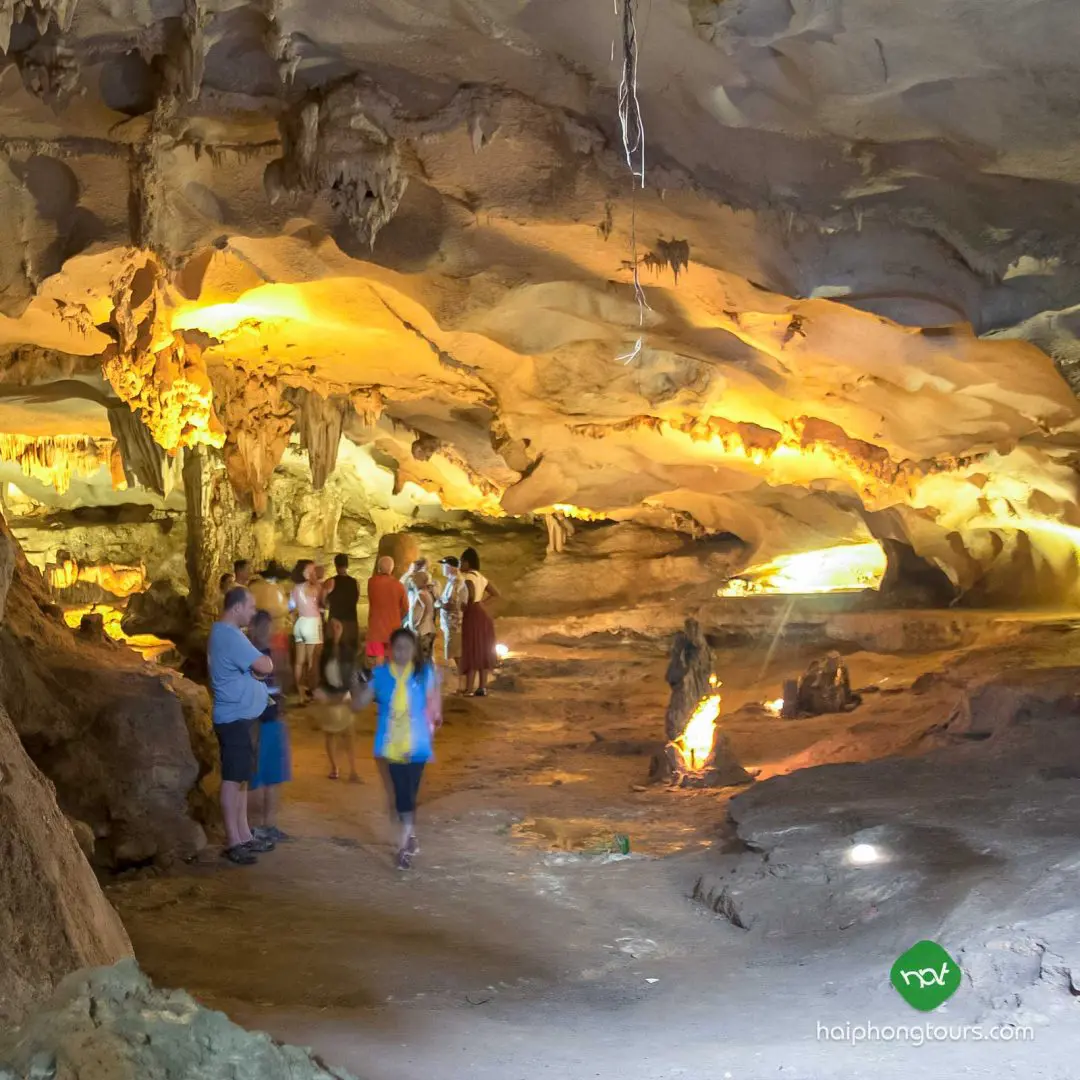
Thien Canh Son, also known as Hang Co, is on Hon Co Island in Bai Tu Long Bay. Around 70 stone steps lead uphill through vegetation. The entrance is narrow, and the ceiling is lower in parts of the cave, so watch your head as well as your footing.
 Overnight Cruise
Bai Tu Long Bay
Signature Cruise 2 day 1 night tour
 Overnight Cruise
Bai Tu Long Bay
Larissa Cruise 2 day 1 night tour
Overnight Cruise
Bai Tu Long Bay Larissa Cruise 3 day 2 night tour
Overnight Cruise
Bai Tu Long Bay Signature Cruise 3 day 2 night tour
 Overnight Cruise
Bai Tu Long Bay
Renea Cruise 3 day 2 night tour
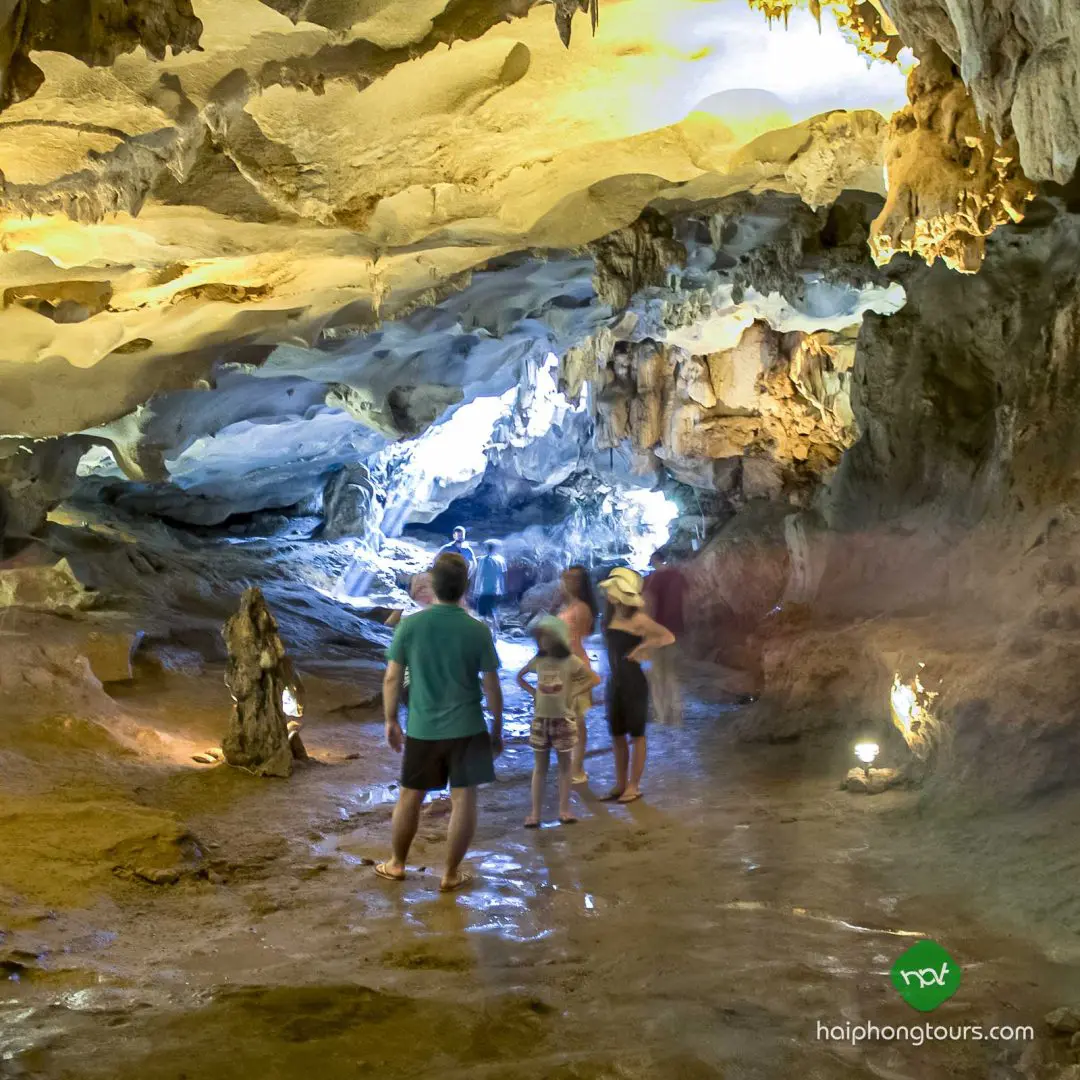


The interior path and beach near Thien Canh Son Cave.
The viewpoint and smaller cave do not remove the need to climb and descend. Wear shoes that grip on stone, especially if the approach is damp.
Hai Phong Tours does not offer a Bai Tu Long day cruise because the route is too far for our one-day program. Plan at least two days and one night. The Renea two-day cruise includes Thien Canh Son on its second morning.
Thien Cung Cave: the interior distance matters too
Thien Cung, or Heavenly Palace Cave, is in the Dau Go island group. An uphill approach leads to its entrance, followed by a visitor path of about 190 meters through three chambers. That distance covers the route inside, not the walk from the boat and back.
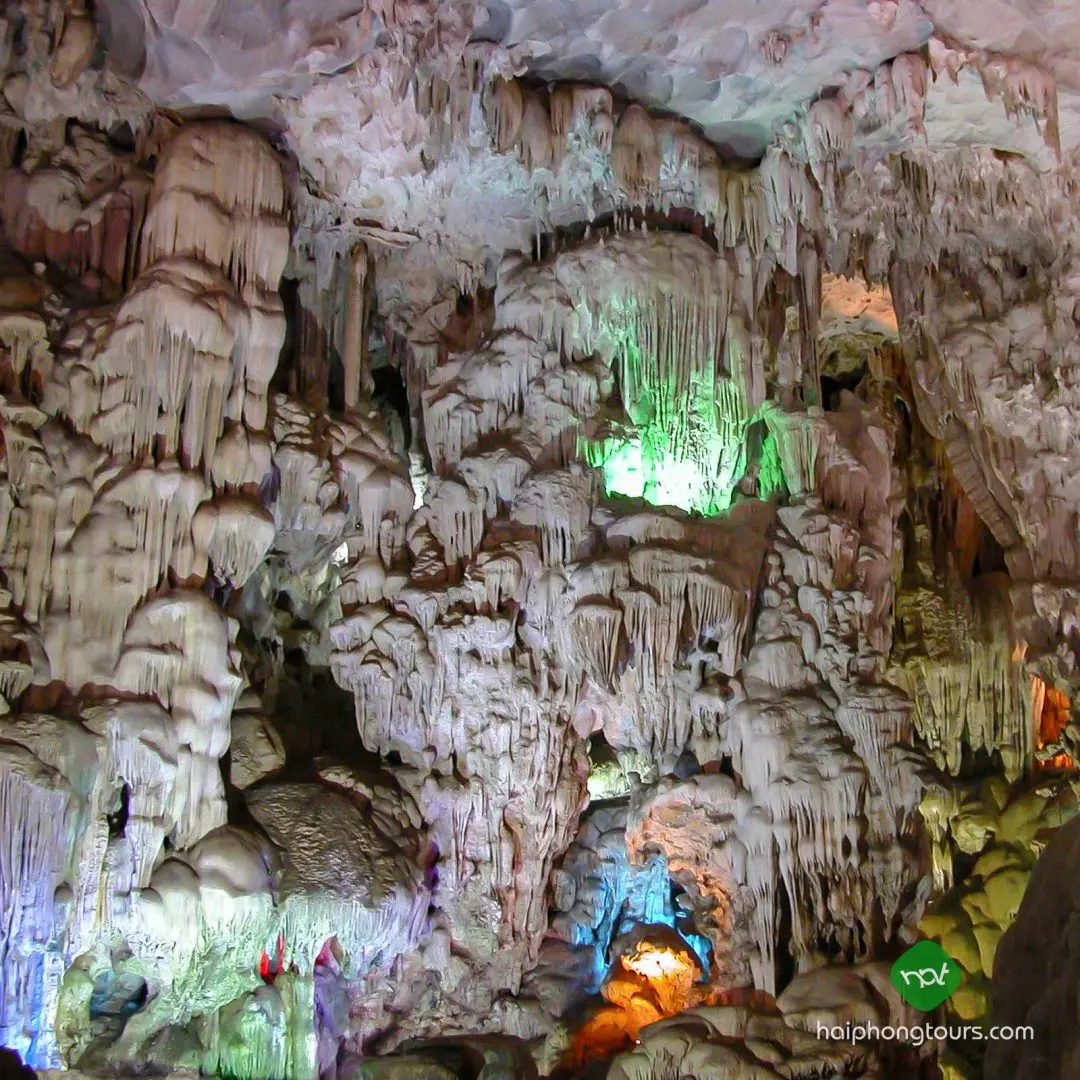
Allow for standing while the guide explains the formations and for walking between changes of level. If you can manage only a short staircase, ask the operator to describe the entire visit before treating this as a suitable stop.
Dau Go Cave: consider the combined walk with Thien Cung
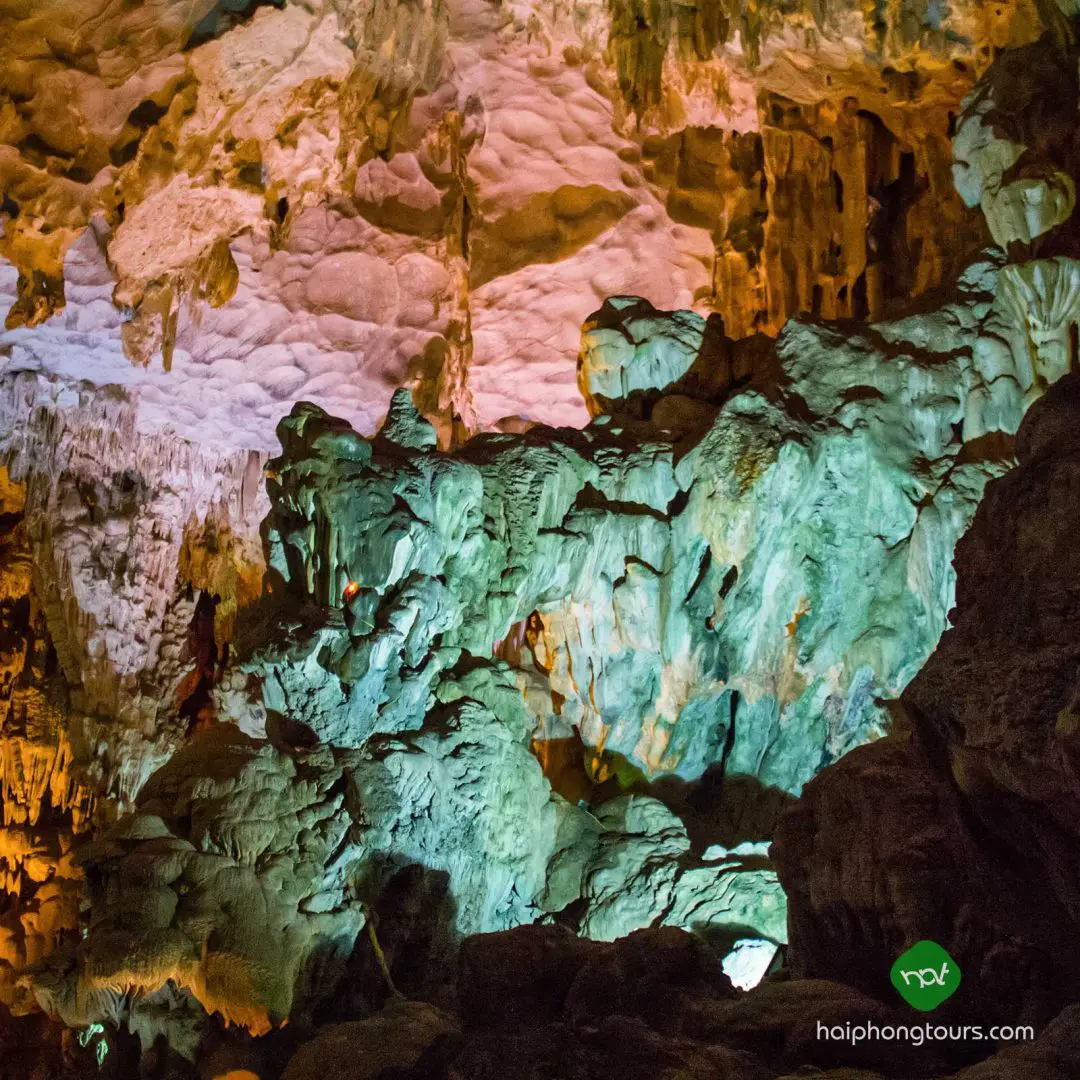
Dau Go is a separate cave close to Thien Cung. Its broad entrance and three chambers give it a different layout, but it is still an elevated cave visit rather than an attraction reached directly from the landing at water level.
When both caves appear on an itinerary, check whether you are expected to walk through both and where you can wait if you visit only one. Do not judge the combined excursion by a single entrance stair count.
The private four-hour Halong Bay cruise lists Thien Cung and Dau Go, together with Ba Hang and sightseeing among the islands. Road transfers are separate from the boat package, so include travel to the port in your day plan.
Trung Trang Cave: stairs, narrow sections and crouching
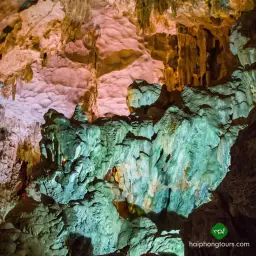
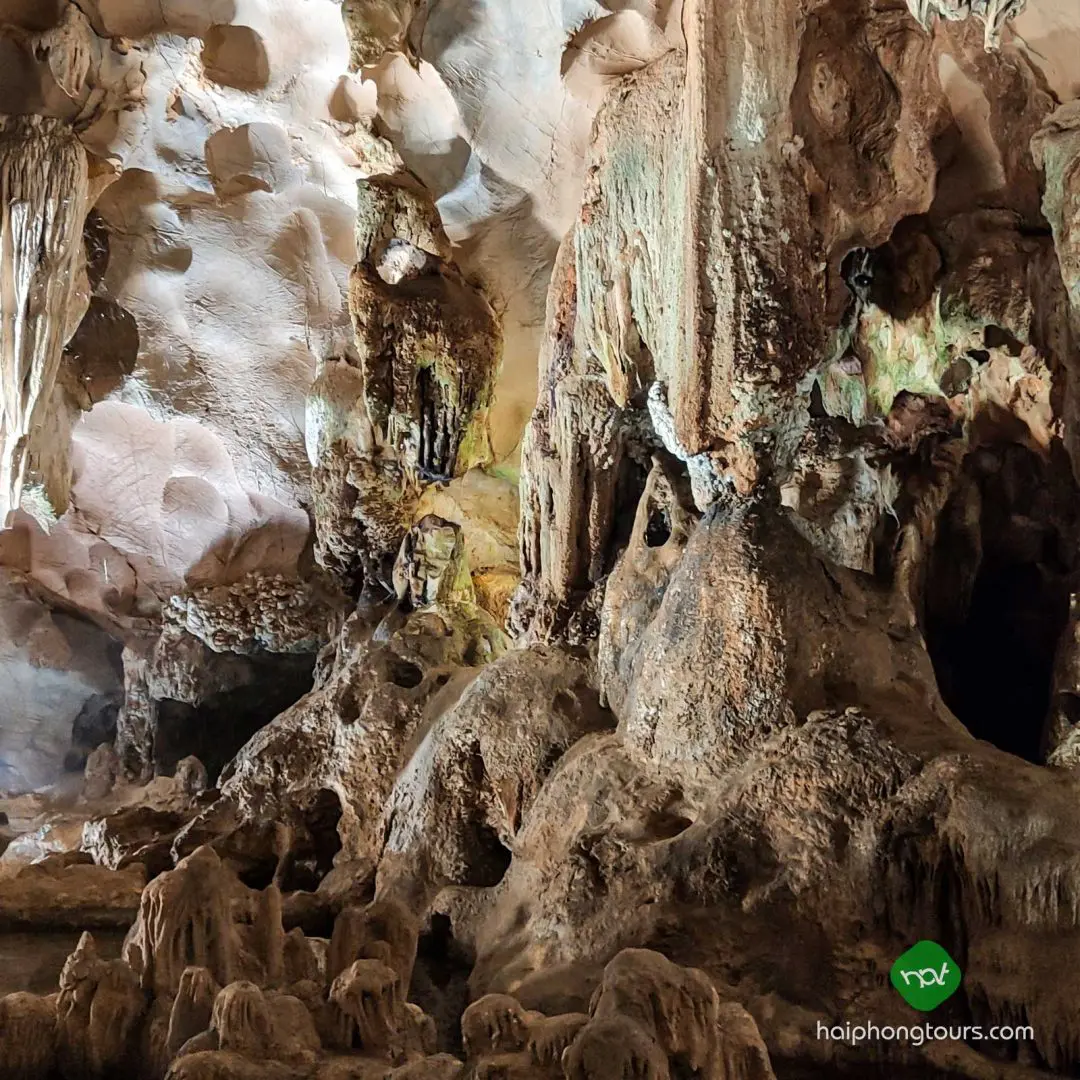
Trung Trang is inland on Cat Ba Island, near the national park. The cave extends roughly 300 meters through the mountain. Getting there involves a steep climb to the entrance; inside, some passages become low and narrow enough that you need to bend or crouch.
 Overnight Cruise
Lan Ha Bay
Mila Grand Cruise 2 day 1 night tour
Overnight Cruise
Lan Ha Bay Mila Grand Cruise 3 day 2 night tour
 Overnight Cruise
Lan Ha Bay
Aqua Luxury cruise 3 day 2 night tour
This is a poor match if bending low or moving through confined spaces is difficult for you, even if you can manage ordinary stairs. A small bag is more practical than a bulky backpack, and you should follow the marked visitor route.
The Aqua Luxury two-day cruise includes Trung Trang on its second morning, with transport from the vessel to the island excursion. Confirm the complete transfer arrangements; a land-based cave stop still requires getting off the cruise.
Hospital Cave: a historical visit with stairs
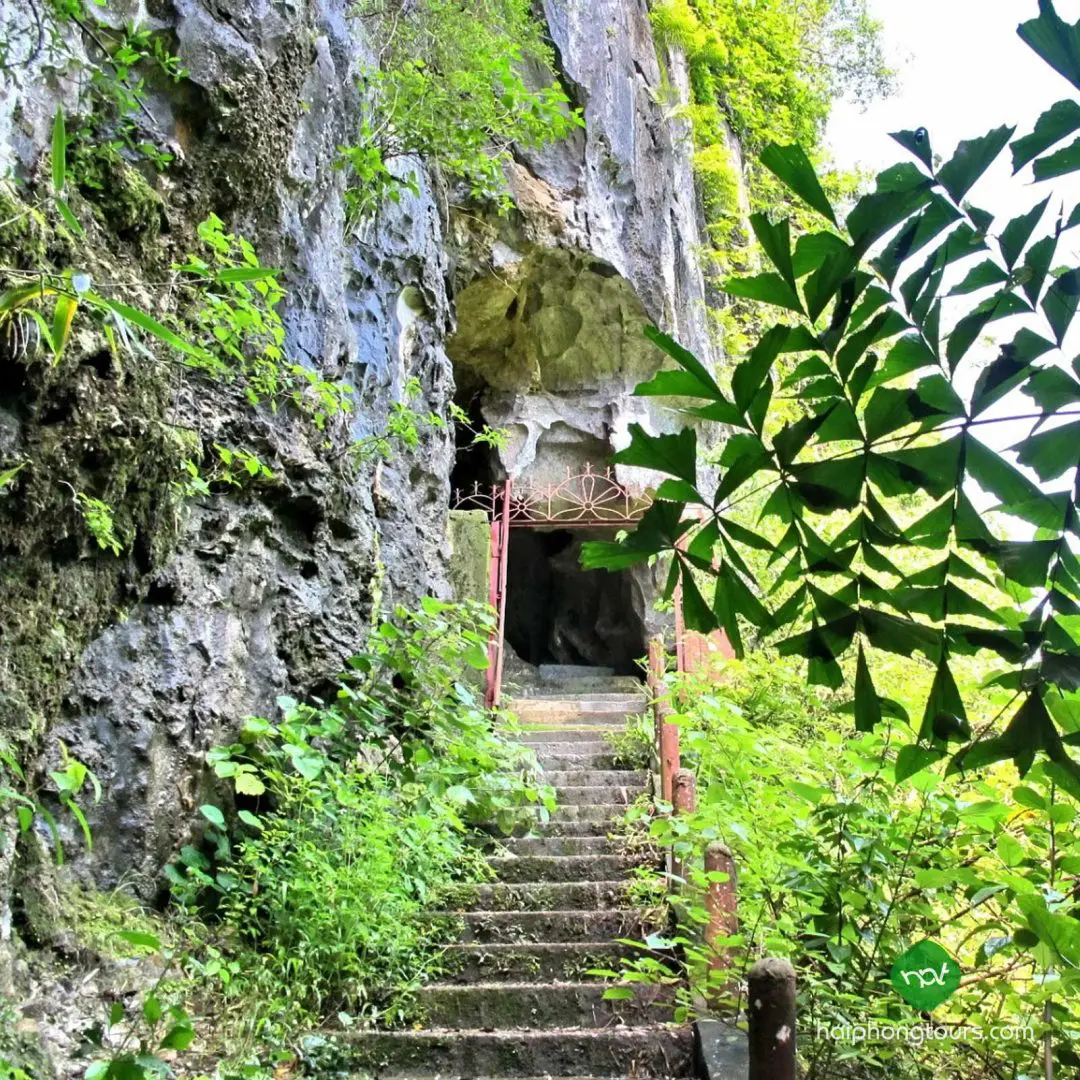
Hospital Cave, also called Quan Y Cave, is on Cat Ba’s cross-island road. The main interest is the former wartime hospital constructed within the limestone mountain, including corridors and rooms used for treatment and daily operations.
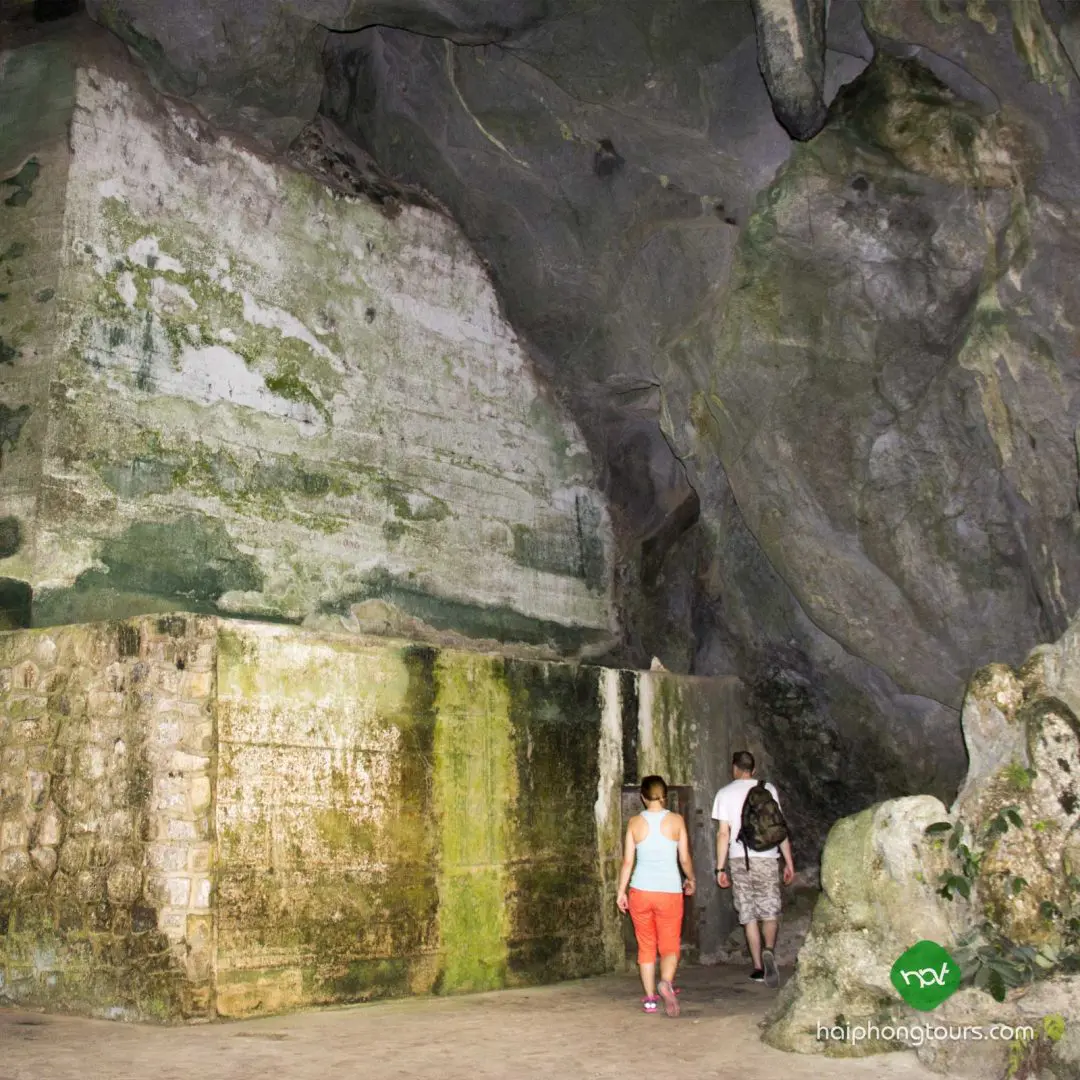
A stair climb leads to the entrance, and parts of the interior visit involve additional changes of level. Follow the guide and signs for the areas open to visitors. The presence of built hospital rooms does not make the approach step-free.
The Calypso two-day cruise includes Hospital Cave on its second morning. Check the named cave when comparing Lan Ha itineraries: Hospital Cave and Trung Trang are different stops with different walking conditions.

Plan around the person who needs the easiest route
Before booking, describe what you can comfortably do: climb stairs with a handrail, walk for a sustained period, crouch, or transfer between a large vessel and a smaller boat. Ask where handrails and rest points are available, how the return route works, and what happens if you skip the cave. Agree on a waiting place and rejoining plan rather than assuming you can remain aboard every vessel.
If you use a wheelchair or require a route without stairs, ask for specific access information for both the vessel and the excursion. A ship’s elevator does not provide access through a hillside cave. For some travelers, a scenic cruise with an agreed alternative to the cave walk is the more practical choice.
Wear secure footwear with good grip, carry drinking water in a refillable bottle and keep your hands free on the stairs. Stay on the visitor path, leave formations untouched and follow the guide’s instructions if conditions change. Choose a pace that leaves you comfortable for the way down as well as the climb up.
Useful guides for your trip
Would you like help fitting this experience into your trip? Contact us with your travel dates, starting point, available time and group size. Tell us about walking limits or special interests so we can suggest a practical itinerary.