
The revolutionary prisoners’ museum in Nam Quat, Phu Xuyen, is a personal collection of wartime captivity and remembrance outside central Hanoi. Choose it for close attention to everyday objects and the people behind them, with time for interpretation.
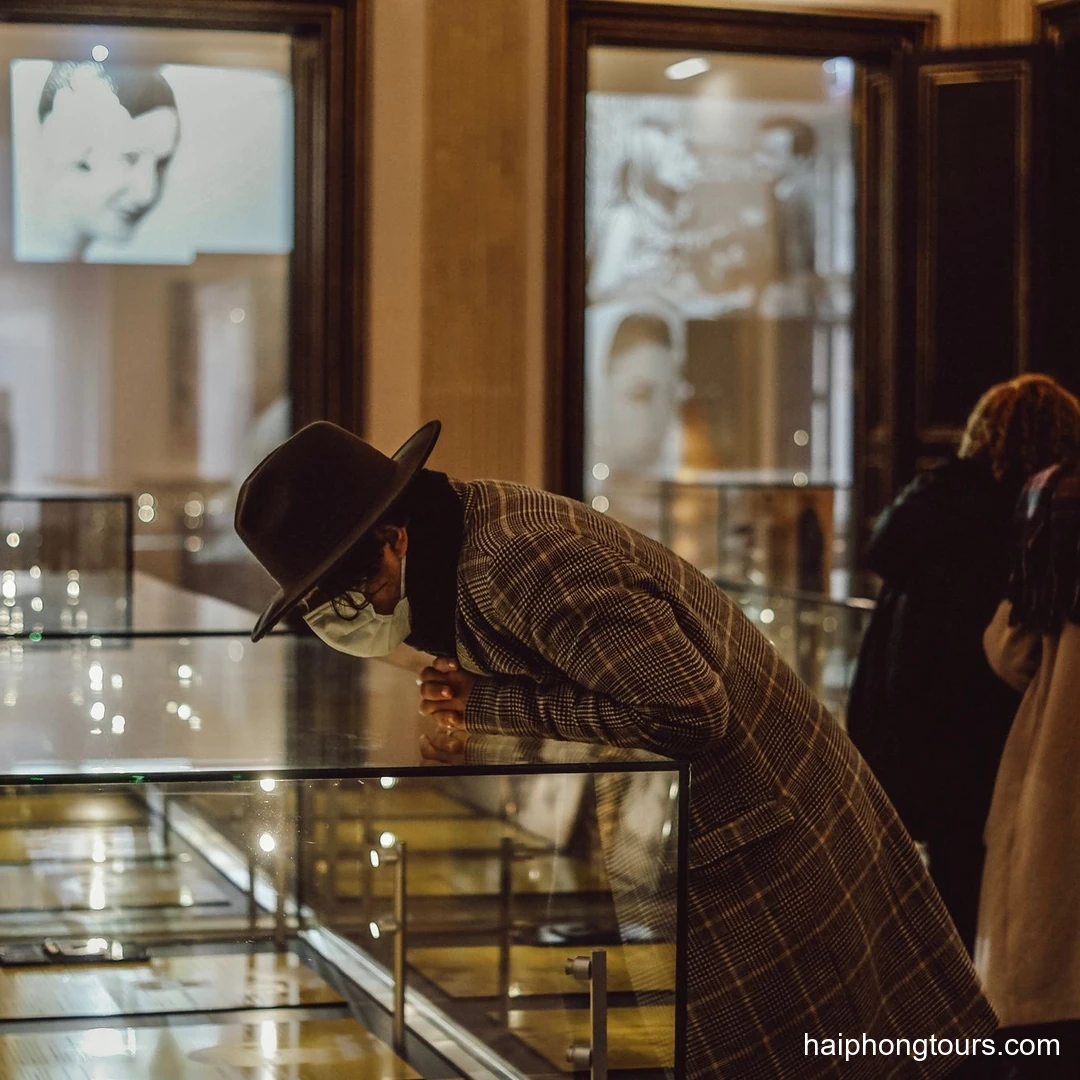
Give the visit its own travel block. It suits someone interested in how former prisoners preserve their experiences; for a first introduction to Hanoi’s wider collections, start with the Hanoi museum comparison before committing to this journey.
Read the small objects carefully
Former Phu Quoc prisoner Lam Van Bang established the museum on family land. The collection includes identification papers, enamel cups and small iron implements used to write and study in sand. Models and photographs accompany the objects.
Hai Phong Tours suggests choosing a few items to understand rather than photographing every case. Ask who used an object, where it came from and what its label says about its purpose. Distinguish an original possession from a model, later illustration or reconstruction.
The subject is presented through the experience of Vietnamese revolutionary prisoners. Keep the name, place and period attached to each story; a shared theme of captivity does not make every prison or person’s experience interchangeable.
Allow space for a serious subject
The museum includes displays about torture and a place for remembrance. Decide whether this material suits everyone in your party, especially younger children. A short, thoughtful visit can be more appropriate than completing every display.
Former prisoners have participated in guiding and commemorative gatherings here. If meeting a veteran is important to your visit, request it in advance and accept that the person may be unavailable. Do not treat an individual encounter or a performance as part of ordinary admission.
Ask permission before recording a conversation or taking someone’s portrait. Let a speaker set the limits of a personal account; visitors should not press for distressing details. Keep photography restrained around the remembrance area.
Arrange the visit to Nam Quat
Save the Vietnamese name for your driver: Bảo tàng Chiến sĩ cách mạng bị địch bắt tù đày. The destination is Nam Quat village, Phu Xuyen, Hanoi. Older addresses use Nam Trieu; confirm the museum entrance pin rather than navigating only to the commune name.

For a visit enquiry, call or email. Agree the day and arrival time before setting out.
- State the number of visitors and the language you need for interpretation.
- Ask which rooms will be open, whether a guide can be arranged and what any visit or guiding charge covers.
- If steps, prolonged standing or toilet access affect your plans, request details of the actual visitor route.
- Confirm photography rules and any group or commemorative activity affecting your session.
Arrange English interpretation explicitly. A confirmed visit time does not establish that someone will be available to explain the displays in English. If you bring an interpreter, discuss the subject and expected length of the visit beforehand.
Plan the journey as a return outing
Book transport to the confirmed entrance and agree the return collection before leaving Hanoi. Give a driver the full museum name as well as the pin. Keep the museum contact available in case the last approach needs clarification.
As a planning allowance, leave a half day free from central Hanoi, then refine the schedule around your accommodation, traffic and the agreed museum session. Avoid placing a flight, train or another timed booking immediately after the return.
For a contrasting collection, use the Vietnam Military History Museum guide to plan a separate visit. Comparing a national collection with personal possessions is more useful when each has enough time for its own story.
Useful guides for your trip
Would you like help fitting this experience into your trip? Contact us with your travel dates, starting point, available time and group size. Tell us about walking limits or special interests so we can suggest a practical itinerary.