
Ninh Binh has several famous sights, but a useful itinerary is built by choosing the right combination rather than trying to collect them all. For a first visit, choose one boat trip—Trang An or Tam Coc—and add one land-based site such as Hang Mua, Hoa Lu or Bai Dinh. With two days, Van Long, Thung Nham and Am Tien become much easier to include without rushing.
The eight places below offer different experiences: cave waterways, rice fields, viewpoints, royal history, Buddhist architecture and protected wetlands. Ticket packages, boat routes and electric-car services can change, so use the visit times as planning estimates and confirm the day’s operating details at the official counter.
Choose a Ninh Binh attraction quickly
- Best first boat trip: Trang An for a longer cave-and-temple route through the UNESCO landscape.
- Best for rice-field scenery: Tam Coc, especially when the fields along the Ngo Dong River are green or gold.
- Best viewpoint: Hang Mua, provided you are comfortable with a steep climb of nearly 500 stone steps.
- Best short history stop: Hoa Lu Ancient Capital.
- Best Buddhist complex: Bai Dinh Pagoda, with separate ancient and modern areas.
- Best compact scenic stop: Am Tien, where a lake, a cave pagoda and a walled valley share one site.
- Best quiet wetland: Van Long, with wildlife viewing as a possibility rather than a guarantee.
- Best half-day nature park: Thung Nham for its bird garden, caves and landscaped grounds.
1. Trang An: the strongest all-round first choice
Trang An is the best starting point when you want the karst landscape that defines Ninh Binh. Small sampans pass beneath limestone cliffs, through low water caves and between temples and valleys. The wider Trang An Landscape Complex is a UNESCO mixed cultural and natural World Heritage property that also includes Hoa Lu and the Tam Coc–Bich Dong landscape.
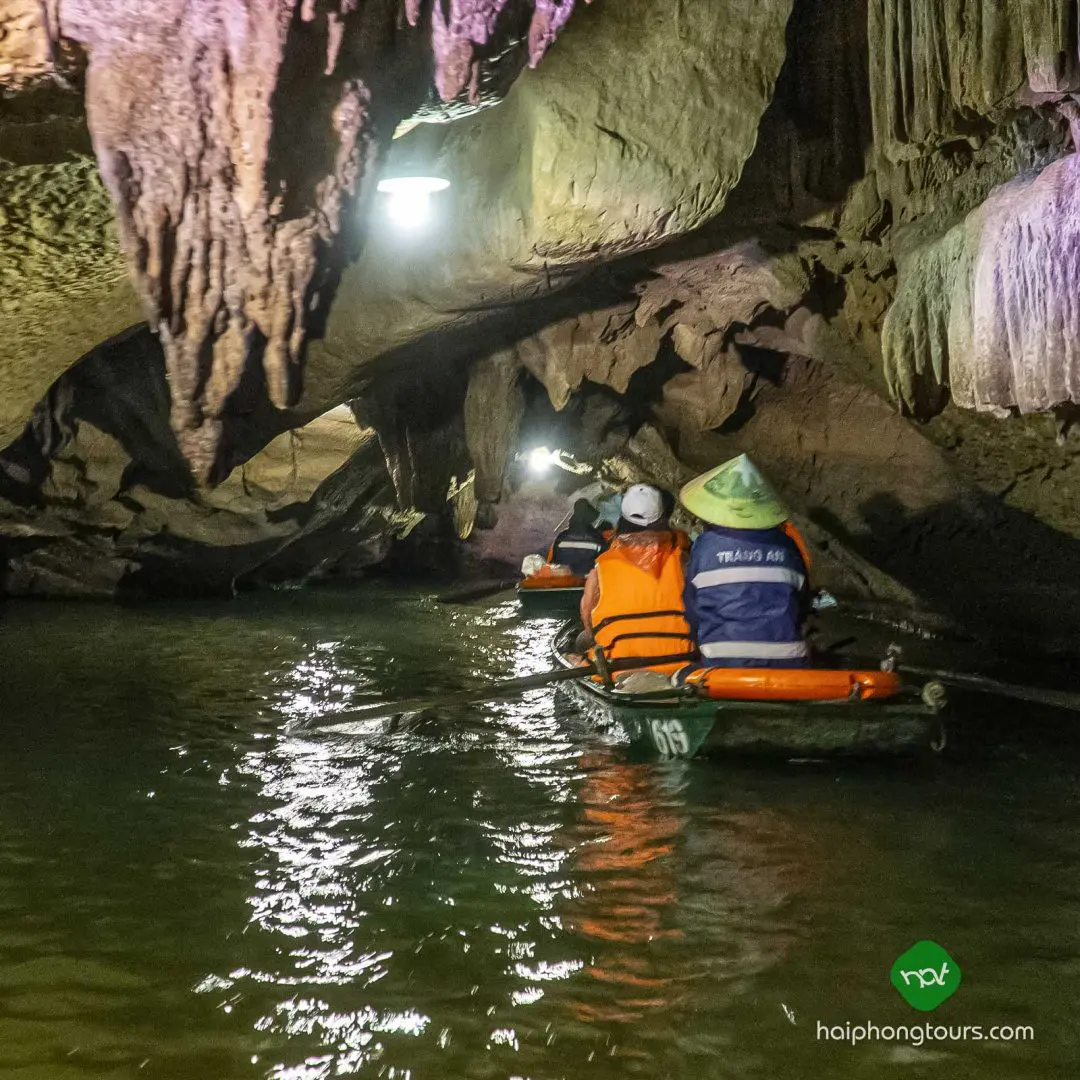
Trang An normally offers several boat routes. The shortest published option takes roughly 1.5–2 hours, while the longer routes are planned at about three hours. Ask at the wharf which routes are operating and how long each is expected to take before choosing; this matters if your driver, tour or onward train has a fixed departure time.
You will sit in a small boat for most of the trip and step in and out at some religious sites. Wear the life jacket provided, protect yourself from sun or rain, and follow the boat operator’s instructions inside low caves. Travelers who struggle with prolonged sitting, low passages or unassisted boat boarding should discuss the route at the counter before buying a ticket.
Best for: first-time visitors, dramatic karst scenery and travelers who want one substantial boat experience.
2. Tam Coc: open rice fields and a simpler boat route
Tam Coc means “three caves”: Ca, Hai and Ba. The return boat journey follows the Ngo Dong River through all three, with limestone walls and cultivated fields remaining visible for much of the route. Allow about two hours on the water, then extra time if you continue to Bich Dong Pagoda or Thai Vi Temple.
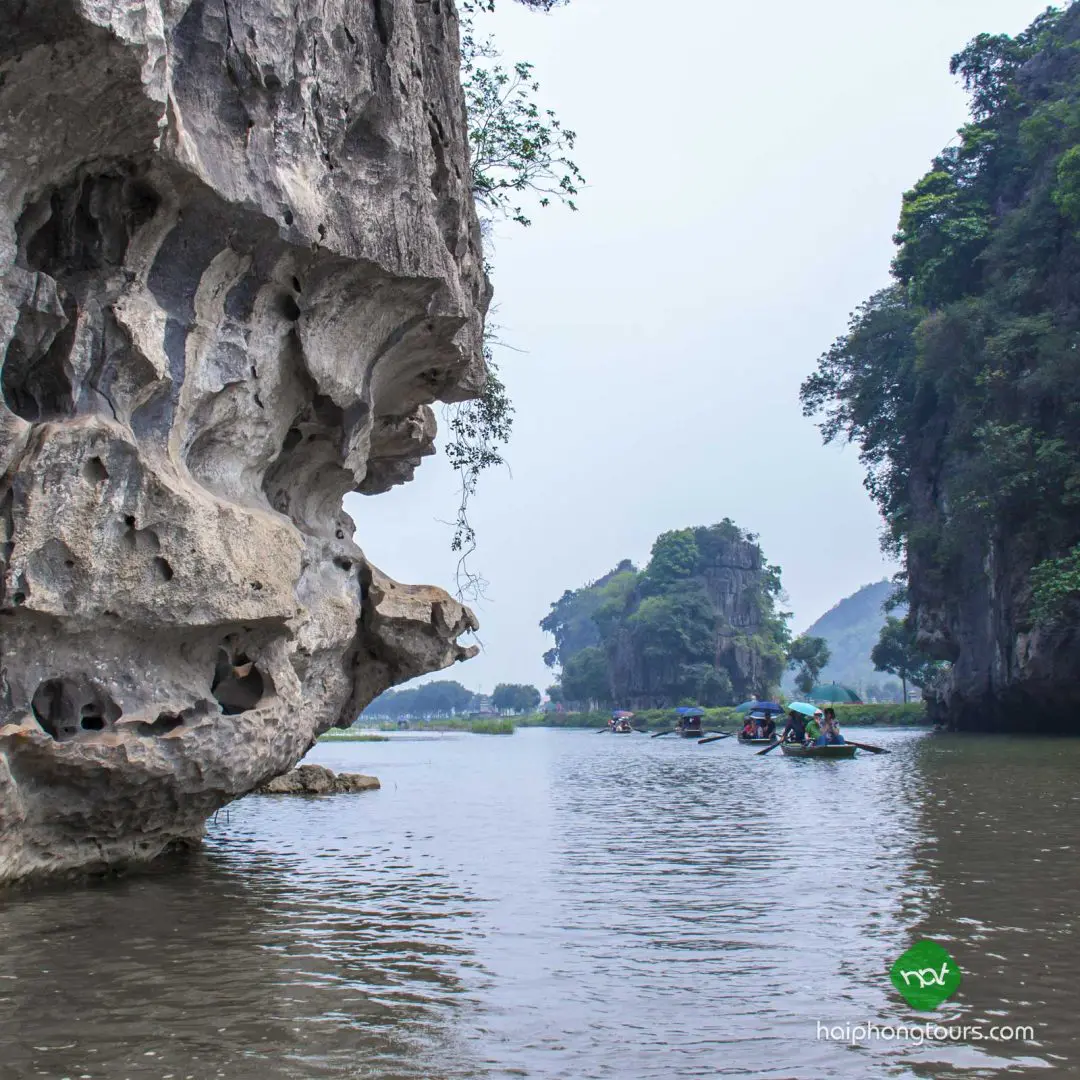
Tam Coc is the better choice when rice fields are central to your trip. The best-known golden period often falls around late May or early June, but planting, harvest and weather change the view each year. Outside the rice season, the caves and river remain, although the landscape will not match harvest photographs.
Both Tam Coc and Trang An involve open boats and cave passages. Most one-day visitors should choose one of them. Select Tam Coc for an open agricultural landscape and an easy pairing with Bich Dong; select Trang An for a longer route with more enclosed valleys, caves and spiritual stops.
Best for: rice-field photography, a roughly two-hour boat ride and a Tam Coc–Bich Dong day.
3. Hang Mua: the panoramic view with a demanding climb
The main reason to visit Hang Mua is the viewpoint above the Ngo Dong River and Tam Coc countryside. Reaching the upper viewpoints requires climbing nearly 500 stone steps. The staircase is steep, exposed and uneven in places, so the climb is a poor choice during heavy rain, extreme heat or when knee and balance problems are a concern.
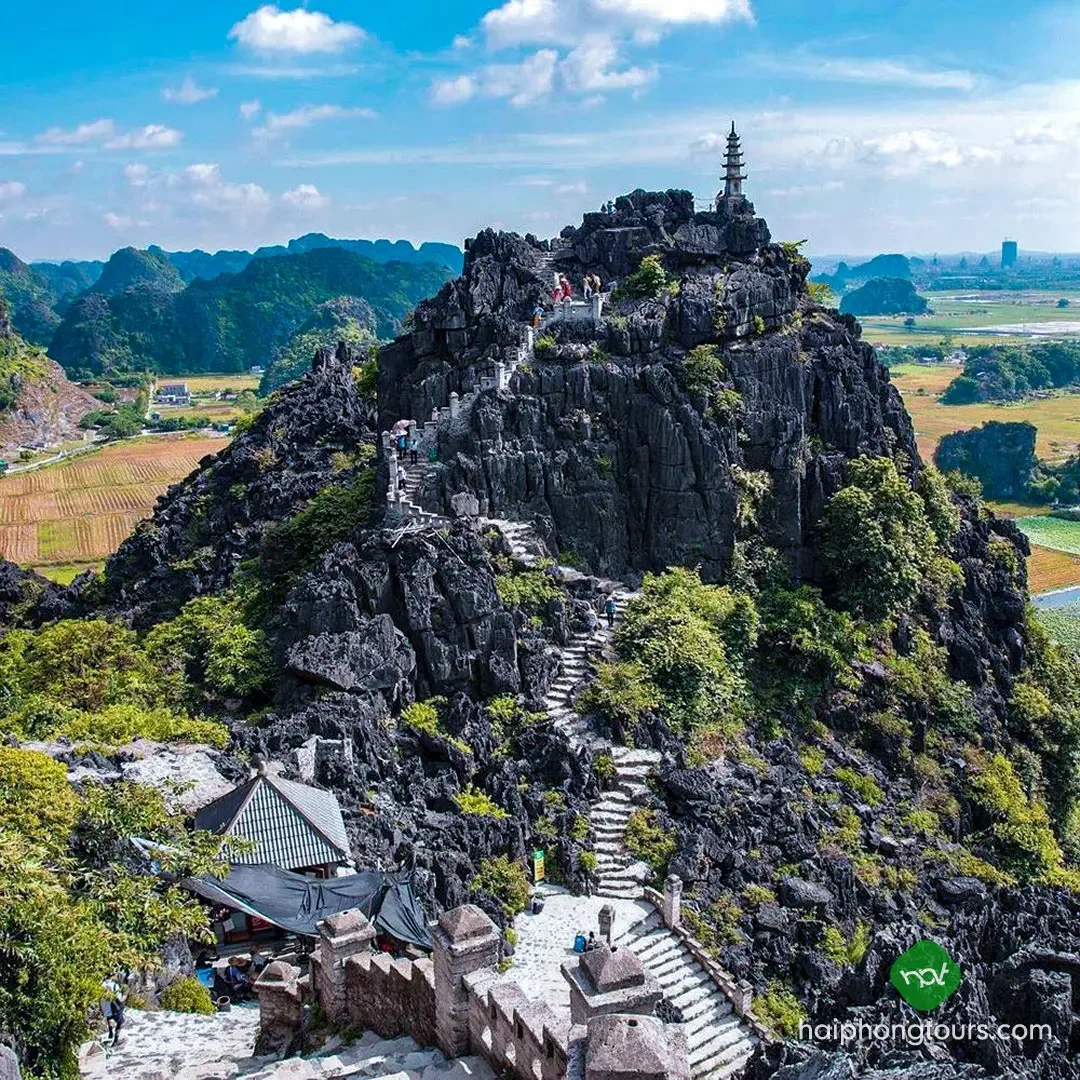
Allow roughly 1.5–2 hours for the grounds, climb and careful descent. Go early when possible, bring water and wear shoes with reliable grip. Sunset light can be attractive, but do not begin a slow descent so late that you lose visibility on the steps.
Hang Mua adds physical variety after a boat trip, but it is not essential to understanding Ninh Binh. Travelers with limited mobility will usually gain more from Hoa Lu or Bai Dinh with an electric-car plan.
Best for: active visitors who value a high viewpoint more than comfort.
4. Hoa Lu Ancient Capital: the clearest historical stop
Hoa Lu was the capital of Dai Co Viet in the tenth and early eleventh centuries before the capital moved to Thang Long in 1010. The surviving visitor area centers on temples associated with Emperor Dinh Tien Hoang and Emperor Le Dai Hanh rather than an intact royal city. That distinction helps set the right expectation: come for history, worship architecture and the defensive limestone setting.
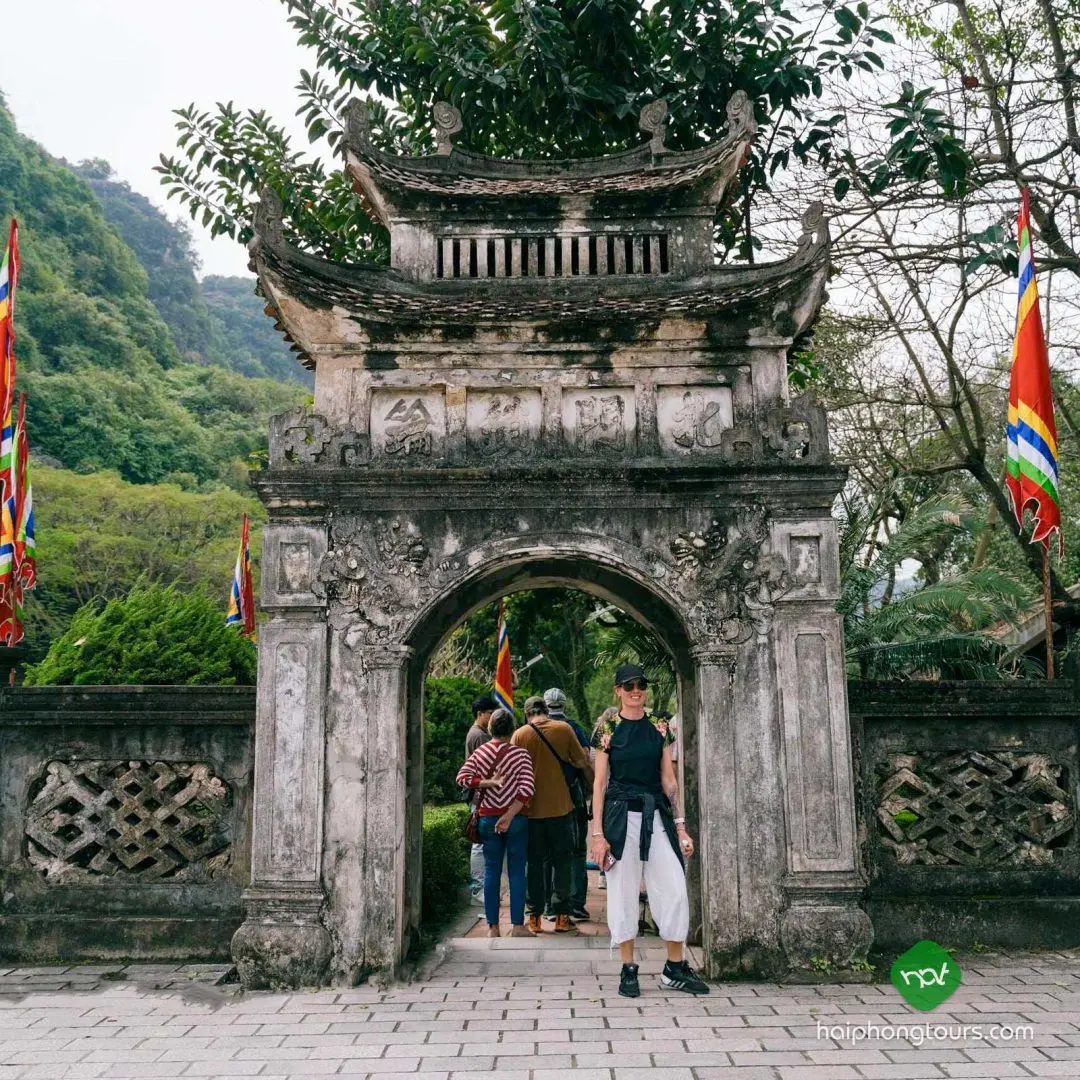
A focused visit usually needs about 45–90 minutes. Dress respectfully, keep voices low inside worship spaces and read the on-site interpretation before treating decorative details as remains of the original palace. Hoa Lu is shorter and less strenuous than Hang Mua, making it a practical partner for Trang An or Tam Coc.
Best for: Vietnamese history, temple architecture and a compact cultural stop.
5. Bai Dinh Pagoda: a large modern complex and an older mountain pagoda
Bai Dinh contains two different experiences. The new complex is monumental, with broad courtyards, halls, statues and a long Arhat corridor. The ancient pagoda area sits on the mountain and is reached by roughly 300 steps, with cave shrines and sites linked to Buddhist traditions surrounding Zen master Nguyen Minh Khong.
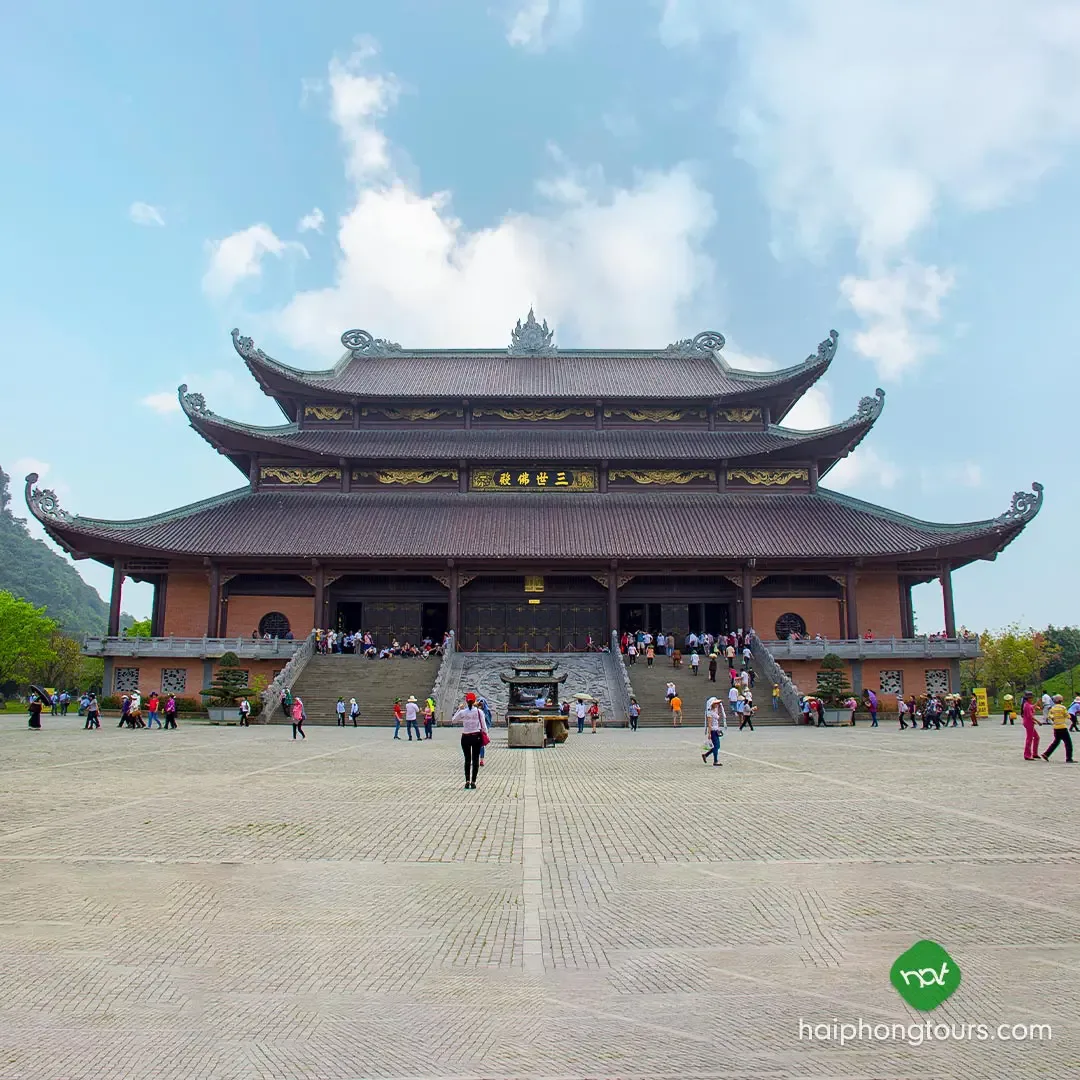
The grounds are much larger than many visitors expect. Allow about two hours for a selective visit and longer if you want both areas in detail. Electric-car packages reduce long transfers across the modern complex, but they do not remove every slope, threshold or stair. Check exactly which stops and admissions the current ticket includes.
Bai Dinh is busiest around the Lunar New Year and spring festival period. Wear clothing that covers shoulders and knees, avoid blocking worshippers for photographs and treat the site as an active religious place.
Best for: Buddhist architecture, large-scale religious sites and travelers who prefer a less strenuous day when electric transport is available.
6. Am Tien: a lake and cave pagoda beside Hoa Lu
Am Tien, often marketed locally as Tuyet Tinh Coc, lies close to the eastern side of the Hoa Lu heritage area. Visitors enter the enclosed valley through a tunnel, walk beside Ao Giai lake and climb 174 steps to the cave pagoda. The lake and limestone walls create the site’s appeal; dramatic punishment stories repeated online should be treated as legends rather than the reason to visit.
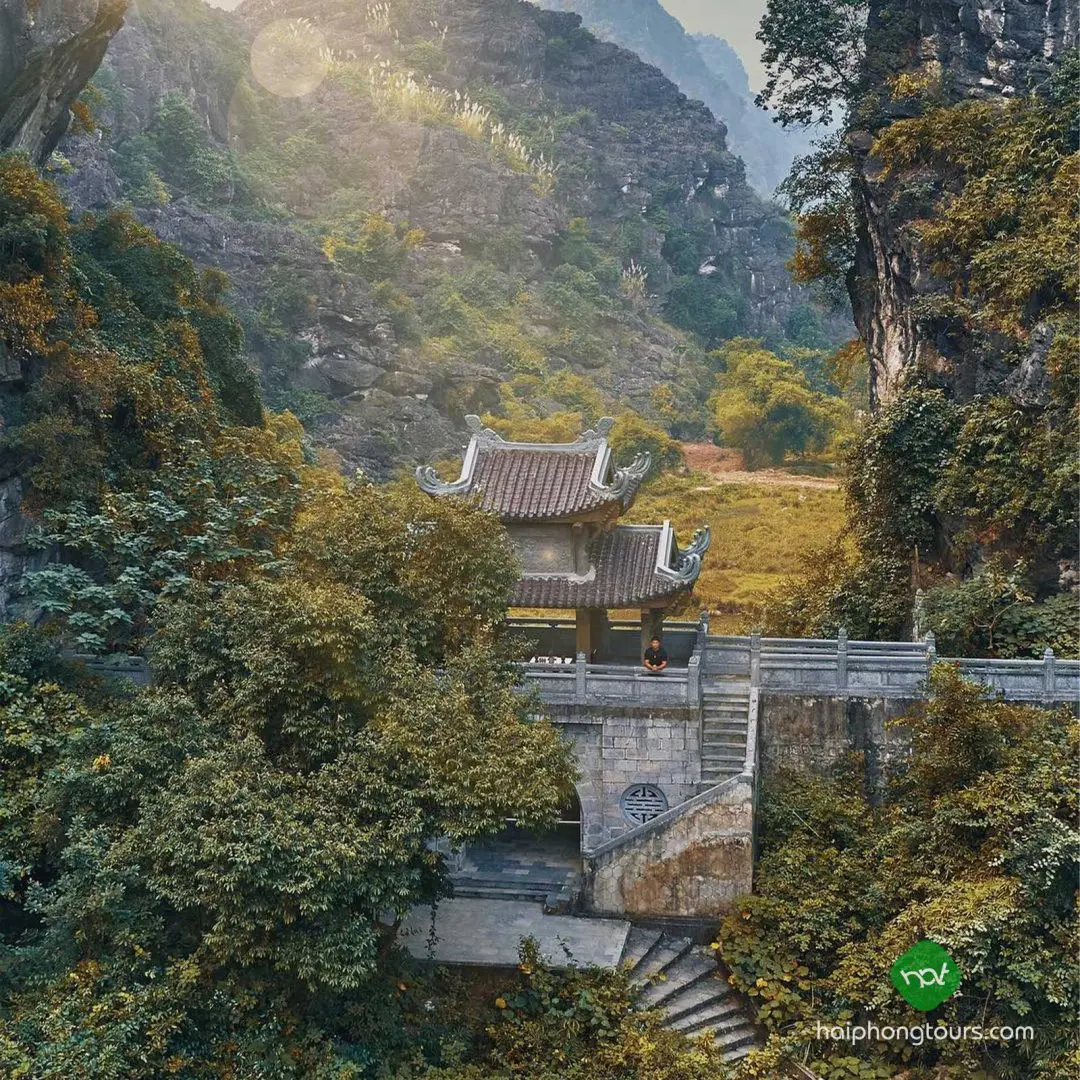
Allow around 60–90 minutes for the lower visit, or roughly two hours if including the cave-pagoda climb and pauses. The lakeside path is easier than the cave climb, so a mixed-ability group can decide on the stairs separately. Am Tien works well after Hoa Lu, but adding it to a day that already includes a long boat trip and Hang Mua can make the schedule needlessly crowded.
Best for: a short scenic walk, photography and a simple extension to Hoa Lu.
The Am Tien lake and pagoda guide helps you choose between the lower walk and the stair climb, check admission and plan the visit around Hoa Lu Ancient Capital.
7. Van Long: a protected wetland with uncertain wildlife sightings
Van Long is a Ramsar-listed wetland and an important habitat for the critically endangered Delacour’s langur. Its boat experience is quieter and more open than Trang An or Tam Coc, with reed beds, still water and limestone outcrops. Wildlife is never scheduled: a calm boat ride is the dependable experience, while langurs and large groups of birds are a bonus.

Late afternoon can improve the chance of seeing birds returning to roost, and migratory birds are more relevant from roughly November to April. Keep noise low, do not feed animals and use binoculars instead of asking a boat operator to approach wildlife. Allow a half day once road transfer and waiting time are included.
Van Long sits away from the main Tam Coc cluster. It is best treated as a separate northern Ninh Binh outing or combined carefully with Bai Dinh, rather than squeezed between several central attractions.
Best for: quiet landscapes, birdwatching and patient wildlife travelers.
8. Thung Nham: a broader nature park near Tam Coc
Thung Nham combines a bird garden with caves, gardens, wetland scenery and internal transport or boat activities. It offers more facilities and more separate stops than Van Long, so it suits travelers who want a managed nature park rather than a single quiet wetland boat ride.
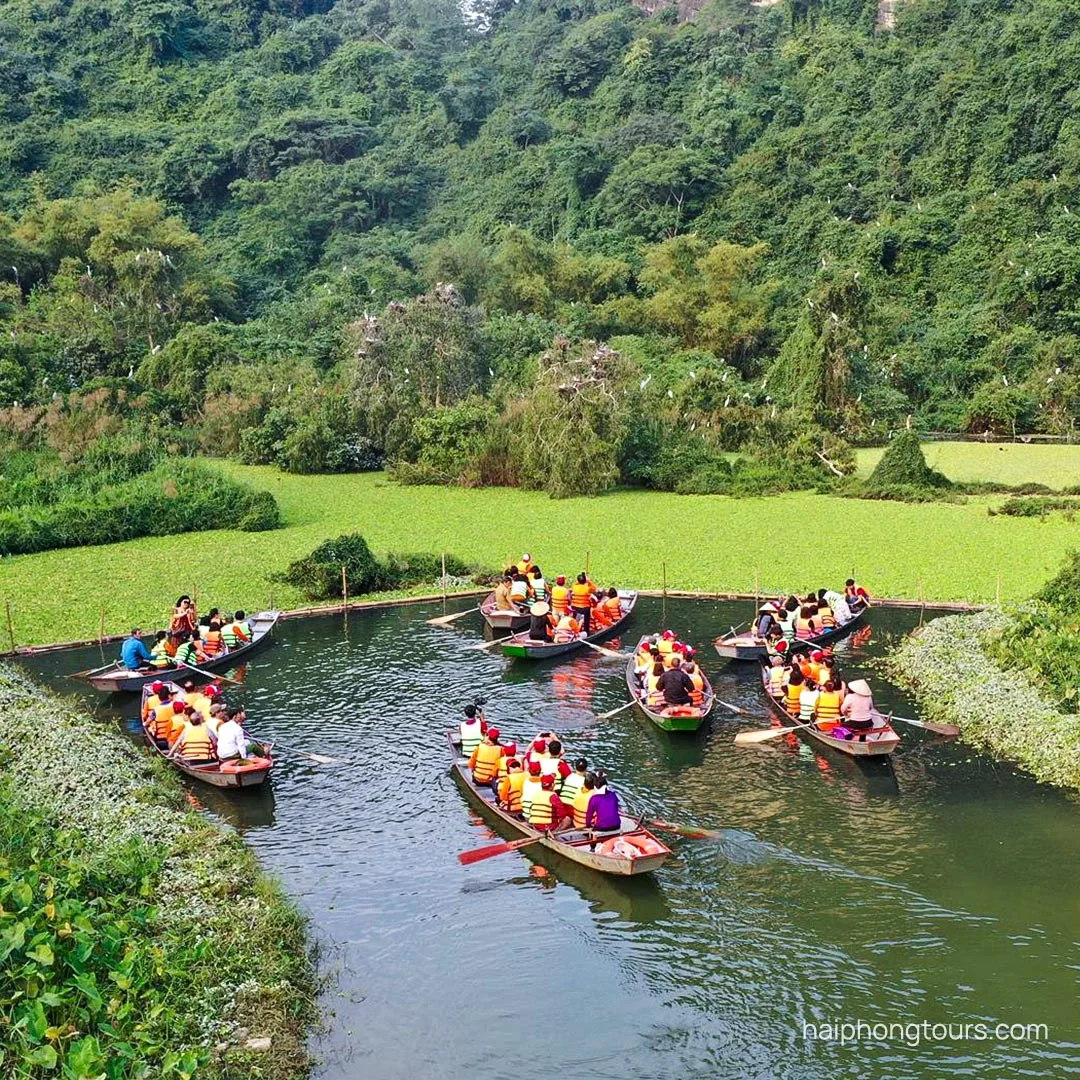
Plan at least half a day if the bird garden is your priority. Late afternoon is usually the most logical time for returning birds, but sightings and numbers vary with weather and season. Confirm the current closing time, boat operation and ticket inclusions before entering; arriving too late can leave insufficient time to reach the observation area.
Hai Phong Tours’ Thung Nham half-day plan explains boat versus walking access to the bird area and arranging the return to Tam Coc.
Some caves and viewpoints involve steps or uneven ground. Tam Coc and Bich Dong are the natural nearby partners, while a same-day combination with Trang An, Bai Dinh and Hang Mua is too compressed for most visitors.
Best for: families and nature-focused visitors who want several activities in one organized site.
Realistic itineraries for one or two days
One day from Hanoi
Choose one of these combinations: Hoa Lu and Trang An for history plus scenery; Tam Coc, Bich Dong and Hang Mua for rice fields and a viewpoint; or Bai Dinh and Trang An for a less athletic cultural day. A current Ninh Binh day tour from Hanoi offers several of these combinations with Old Quarter pickup, transport, a guide and a choice of Trang An or Tam Coc-based itineraries.

One day from Hai Phong
The drive makes this a long day, so do not build the plan around more than two or three major stops. The Hai Phong to Ninh Binh day tour uses private transport and lets travelers choose combinations such as Trang An with Hang Mua, Hoa Lu with Trang An, or Bai Dinh with Trang An. Several three-stop versions are explicitly busy; choose them only if your group is comfortable with a late return.

Two days in Ninh Binh
Use the first day for one central boat route plus Hoa Lu or Hang Mua. On the second day, choose either Van Long for a quieter wetland experience or Thung Nham for a managed half-day nature park. Add Am Tien only when its lake-and-pagoda setting is a genuine priority.
Practical checks before you go
- Do not trust an old ticket screenshot. Official annual lists show that prices and package inclusions can change. Confirm the current adult, child, senior and transport categories before payment.
- Protect fixed departures. Boat trips can occupy two to three hours before queues and transfers. Leave a substantial buffer before an evening train, bus or airport journey.
- Plan around the weather. Skip the Hang Mua climb in heavy rain or poor visibility. For boat trips, follow the site’s same-day safety decision.
- Use attraction names in navigation. Administrative labels around Ninh Binh have changed, while names such as Trang An Wharf, Tam Coc Wharf and Hoa Lu Ancient Capital remain clearer for drivers.
- Choose road transport by cluster. Bicycles are useful around Tam Coc and Bich Dong, but taxis, a driver or a tour are more realistic between distant clusters such as Van Long and Tam Coc.
- Ask about access in detail. “Electric car available” does not mean step-free. Boat boarding, cave steps and temple thresholds can still be difficult for wheelchairs or limited mobility.
Ninh Binh is most rewarding when the pace matches the landscape. Choose Trang An or Tam Coc as the core experience, then add one site that contributes something different. Saving Van Long, Thung Nham or Am Tien for a second day produces a better visit than racing through eight separate ticket gates.