
Choose Pu Luong for a quieter rural base, lower-elevation terraces and village walking within a nature reserve. Choose Sapa for higher mountains, a larger range of hotels and restaurants, easier scheduled transport, and access to Fansipan by cable car.
Both destinations reward two or more nights, but they solve different travel needs. Pu Luong fits a route through Mai Chau and Ninh Binh; Sapa is a separate northwestern mountain journey that deserves its own block of time.
Pu Luong or Sapa: the quick decision
- Choose Pu Luong for: a lodge or homestay in a nature reserve, guided terrace walks, Thai and Muong villages, and a route continuing through Mai Chau or Ninh Binh.
- Choose Sapa for: high mountains, cooler weather, Hmong, Dao and Giay communities, more transport choices, varied accommodation and Fansipan access.
- Choose Pu Luong with two nights: one full walking day plus arrival and departure time.
- Choose Sapa with two or three nights: one valley day, one mountain or town day, and enough margin for cloud or rain.
- Choose both only on a longer trip: the destinations are far enough apart that a short itinerary loses too much time to transport.
The central difference
Pu Luong is a dispersed nature reserve
Pu Luong covers more than 17,600 hectares of forest, cultivated terraces and villages. Don Village, Hieu Village, Kho Muong and the Son-Ba-Muoi area appear in many plans, but they are not clustered around one pedestrian center.
Your property often provides meals, guides and local road transport. This makes the exact lodge location part of the itinerary. A terrace view, waterfall route and cave approach may each sit in a different part of the reserve.
Sapa combines a mountain town with surrounding valleys
Sapa town sits at roughly 1,500 meters and has a concentrated tourism center with hotels, restaurants, shops and vehicle services. Beyond town, Muong Hoa Valley and communities such as Lao Chai, Ta Van and Ta Phin provide the main walking landscapes.
Fansipan rises to 3,143 meters in the Hoang Lien Son range. A cable-car system makes a high-altitude visit possible without a multi-day summit trek, although the final experience still involves walking, steps, cold and rapidly changing visibility.
Which has the better landscape?
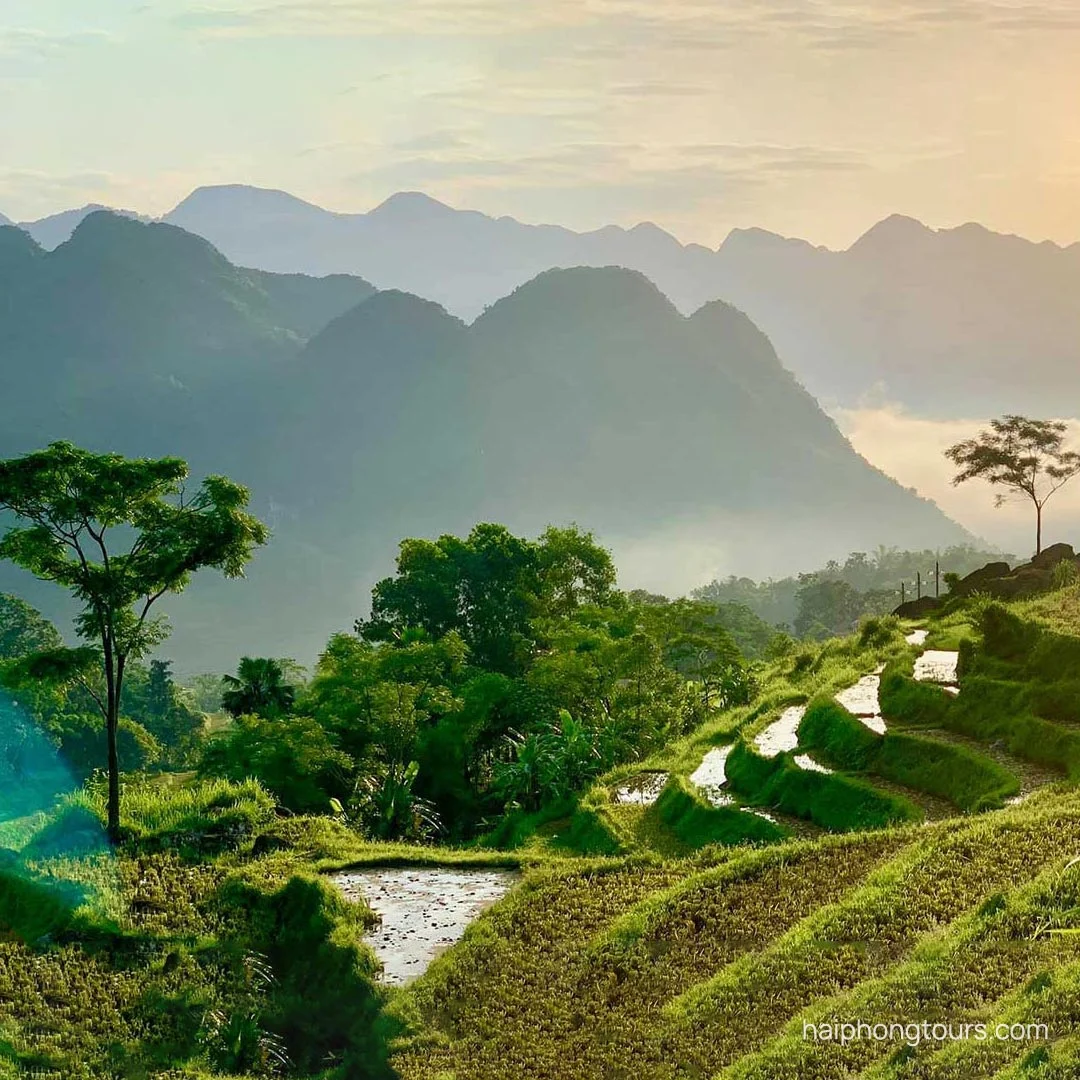
Choose by landscape type rather than a claim that one is more beautiful. Pu Luong has lower limestone mountains, layered terraces, tropical forest and rural valleys. The experience feels closely tied to the accommodation and the route between villages.
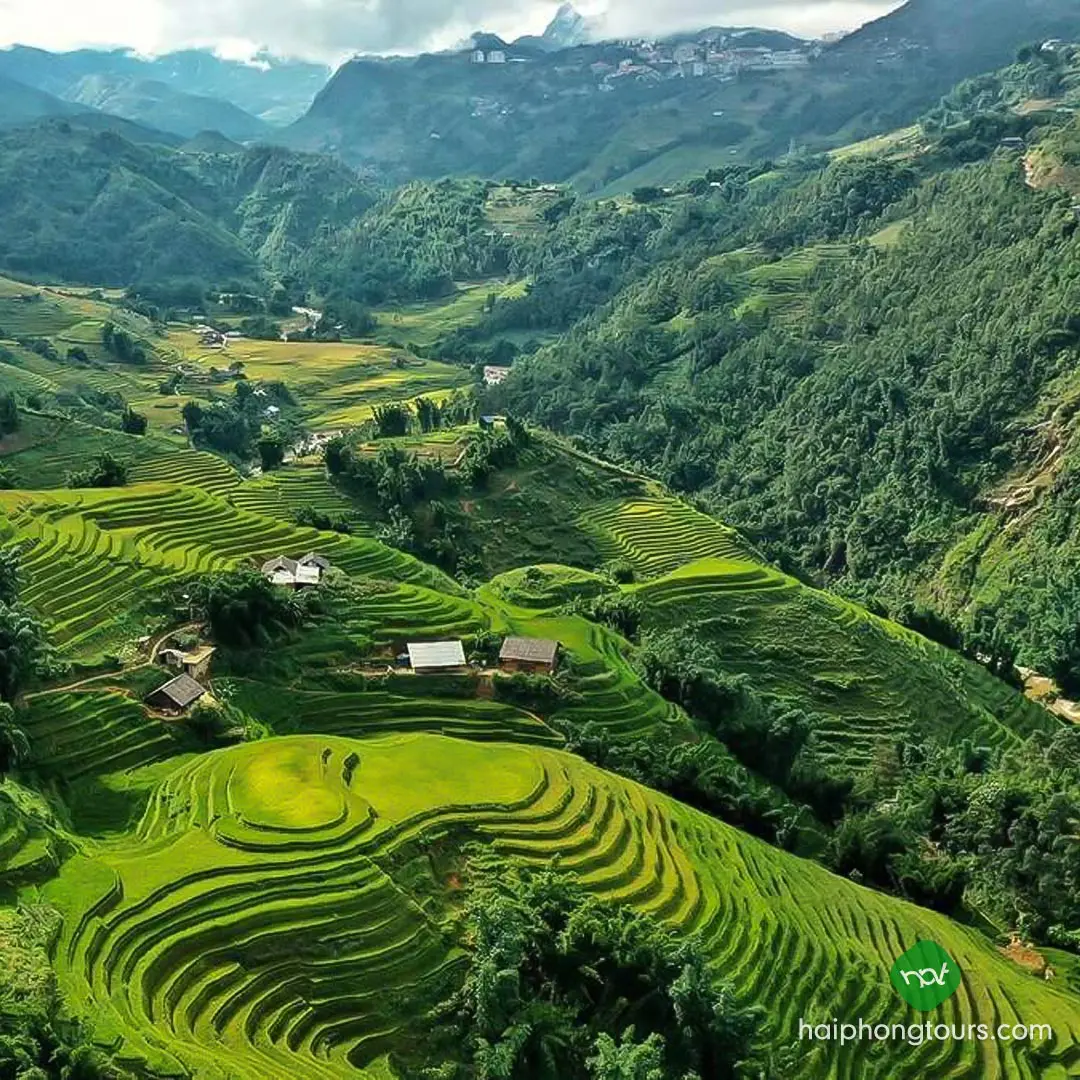
Sapa has a larger vertical scale: deep valleys, steep terraced slopes and the Hoang Lien range above the town. It can produce dramatic mountain views, but cloud may hide them completely on a given day.
If a terrace photograph drives your decision, ask a property in the exact area for a recent image. Rice planting and harvest differ by elevation, village and year in both destinations.
Trekking and walking
Pu Luong: plan around one base and a local guide
Pu Luong is strongest for village-to-village walks through terraces and forest edges. Maps and marked paths are limited in parts of the reserve, and working farmland can make an apparently obvious trail inappropriate. A local guide helps choose a route and coordinate road transfers.
Ask for walking hours, ascent, descent, surface, water crossings and the finish point. “Easy” and “hard” are not useful without those details.
Sapa: more route choice and more commercial activity
Sapa offers short village visits, full-day valley walks and demanding mountain routes. Some well-used areas can be visited without a guide, while longer routes, remote villages and Fansipan trekking require proper arrangements.
A guided Lao Chai–Ta Van route can combine terraces and village context in one day. Cat Cat is close to town and easy to add, but it is a developed visitor attraction rather than a substitute for a longer valley walk.
Which is better for a first trek?
Pu Luong suits a traveler who wants one guided rural walk and a restful lodge. Sapa suits someone who wants to compare several route lengths or combine a valley trek with Fansipan and town services.
In either place, choose the route by your current fitness and the weather. Mountain paths after rain can be very different from the same trail in dry conditions.
Access from Hanoi
Getting to Pu Luong
Pu Luong is commonly reached by road in roughly half a day, with the final time affected by the village and access road. Shared services may use fixed pickup points or connect through another town. Confirm the complete route to the accommodation rather than the bus destination name.
There is no single central station that solves every Pu Luong arrival. Keep the lodge phone number and map pin available for the final approach.
Getting to Sapa
Road services run directly from Hanoi to Sapa town. Hai Phong Tours lists the private route at approximately 320 km and five hours 30 minutes. The Hanoi to Sapa private transfer provides hotel pickup and direct drop-off at a confirmed Sapa address.
Scheduled buses and shuttles commonly take around five to six hours. An overnight train reaches Lao Cai rather than Sapa, so a road transfer is still required for the climb to town. Compare sleep quality, station transfers and hotel check-in time as well as the ticket price.
Transport and independence at the destination
In Pu Luong, arrange activities through a lodge that can provide a guide and vehicle to the trailhead. Walking from the room works only when the route you want is genuinely nearby.
Sapa town has taxis and a wider choice of bookable tours. This gives more flexibility after arrival, although the steep streets and spread of valley sights mean you may still need a vehicle.
Do not rent a motorcycle merely because rural transport is inconvenient. Ride only when your licence is valid for the vehicle in Vietnam, insurance covers the trip and you have relevant mountain-road experience.
Accommodation and food
Pu Luong
Accommodation ranges from shared stilt-house spaces to private homestay rooms and hillside lodges. A remote view often means greater dependence on the property for meals and transport. Confirm bathroom type, stairs, vehicle access and whether the quoted room is enclosed.
Sapa
Sapa town offers a broader range of hotels, restaurants and shops. Valley homestays and mountain lodges place you closer to walking routes but may require separate transport from the town or bus stop.
In both destinations, tell the property about dietary needs before arrival. Vegetarian, vegan, allergies and avoiding fish sauce need separate instructions. Carry some Vietnamese dong because payment options outside town can be limited.
Weather and temperature
Sapa is colder and more exposed
Sapa’s elevation brings cold winter periods, mist and rapid visibility changes. From November to March, pack for genuinely cool conditions rather than treating the town like Hanoi. Even on a mild day below, Fansipan can be colder, windier and cloudier.
Pu Luong is warmer but still weather-sensitive
Pu Luong’s lower mountain environment can feel warmer and more humid. Heavy rain and storms, particularly in the wet season, can affect roads, streams and trails. Winter mornings can still be cool and damp in open or poorly insulated rooms.
No month guarantees a clear view or golden field. Build the trip around activities that remain worthwhile when the landscape looks different from a promotional image.
Fansipan changes the Sapa decision
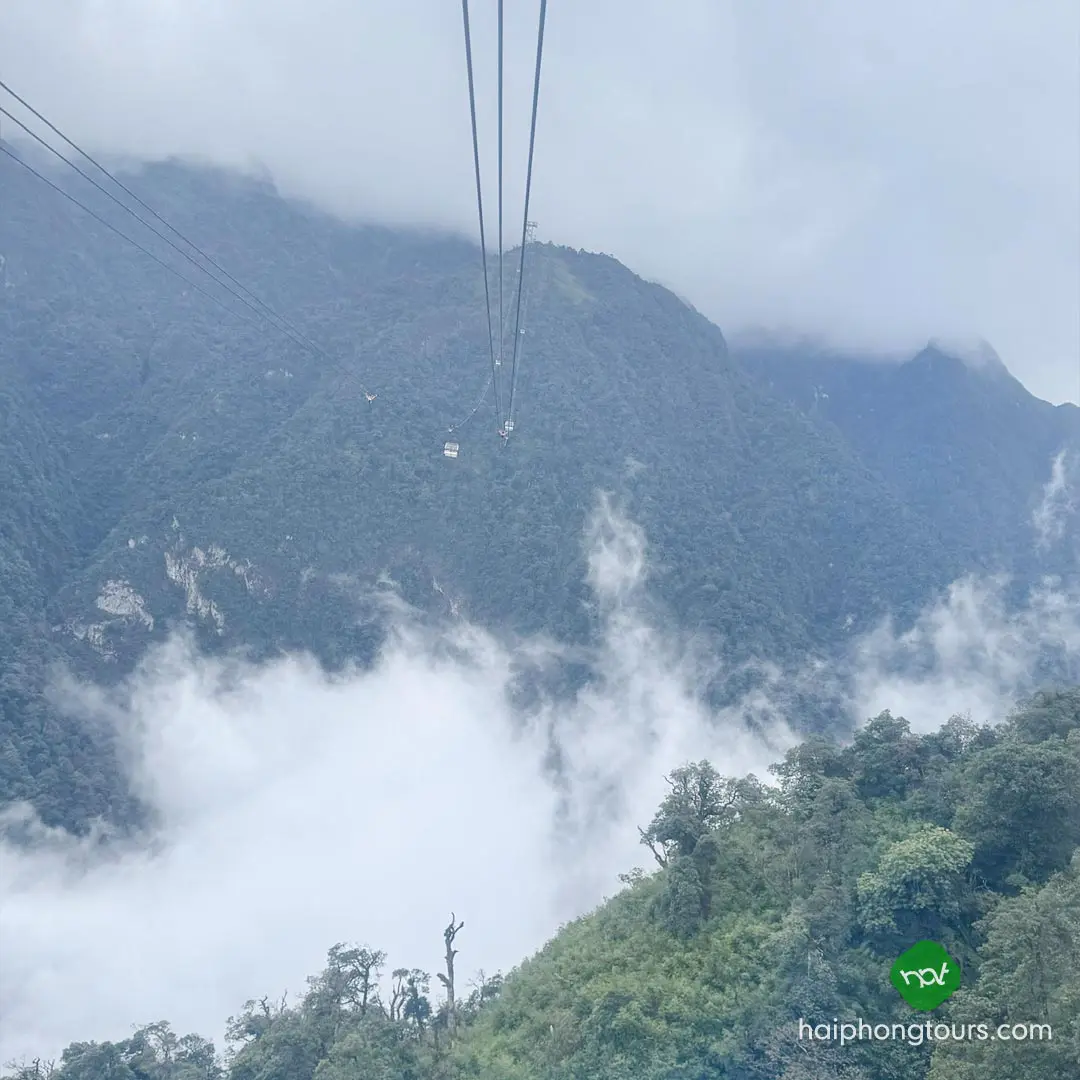
Sapa is the clear choice when Fansipan is a priority. The cable car covers a six-kilometer route and reaches the upper mountain area in about 15 minutes, followed by further movement through the summit complex.
Check operating status and weather on the day. A cable-car ticket provides access, not a guaranteed view. Travelers with heart, breathing or mobility concerns should consider the altitude, cold and steps and seek appropriate medical advice for their circumstances.
A summit trek is a different activity from the cable car. It requires an authorized plan, guide and equipment; do not infer trekking access from a cable-car itinerary.
Which feels busier?
Sapa has a larger, more visible tourism center and concentrates visitors around town, the cable-car complex and well-known villages. This also creates benefits: more room types, restaurants, shops and transport departures.
Pu Luong has no comparable town center, but popular lodge areas and viewpoints can still receive groups. Remoteness does not guarantee solitude. Ask where a room, dining area and trail sit in relation to the road and neighboring properties.
Cultural visits
Pu Luong is home to Thai and Muong communities, while the Sapa area includes Hmong, Dao, Giay, Tay and other groups. These are living communities, not interchangeable scenery.
Use a guide who can explain local context and visitor boundaries. Ask before photographing people or entering a home, do not treat clothing as a costume prop, and buy textiles only after asking who made them and from what material.
How many nights?
Pu Luong
Two nights are the best first visit: arrival, one full walking day and departure. Choose three nights for two areas, a demanding walk, weather flexibility or a slow lodge day. The Pu Luong trip-length guide provides realistic one-, two- and three-night plans.
Sapa
Two nights work for one valley day plus Fansipan or a shorter town activity. Three nights are better when you want a full-day trek, Fansipan and a separate village or lodge day without attaching each activity to a long arrival or departure.
A night train can save a hotel night on paper, but poor sleep and early arrival may reduce the first day’s value. Count usable daylight and energy rather than nights on the booking screen.
Which is better for families?
Sapa offers more indoor alternatives, restaurants and taxis, while the cable car gives non-hikers a high-mountain experience. The town is steep, and many attractions involve steps, so check the exact route for strollers and young children.
Pu Luong works well for a family that chooses an accessible lodge, private vehicle and short guided walk. Confirm balcony railings, pools, road access, child meals and private bathrooms. The quiet setting does not automatically make a property child-safe.
Which is better for older travelers or limited mobility?
Sapa may provide more suitable hotels and vehicle access, but steep streets, stairs and altitude remain material. Pu Luong can offer scenery from a lodge, but hillside construction and uneven approaches are common.
Ask concrete questions: can a car reach reception, how many steps lead to the room and restaurant, is a lift available, and can the principal view be reached without an unpaved slope?
Which fits your wider route?
Choose Pu Luong with Mai Chau and Ninh Binh
Pu Luong sits naturally in a west-to-southeast countryside route. Mai Chau adds flatter cycling, and Ninh Binh adds boat journeys and limestone heritage. The Mai Chau versus Pu Luong guide helps decide whether to use one or both.
Choose Sapa as a separate Hanoi return
Sapa is far to the northwest and works cleanly as an out-and-back journey from Hanoi by road or rail plus road. Combine it with Ha Giang or another far-northern route only when you have enough time and verified transport; map distance alone does not show mountain travel time.
Common decision mistakes
- choosing from one rice photograph without checking current field conditions;
- assuming every Pu Luong lodge is near every named village;
- booking Sapa for Fansipan without leaving a weather alternative;
- treating a train to Lao Cai as direct arrival in Sapa;
- underestimating steep paths, winter cold or monsoon rain;
- calling a homestay private without confirming the sleeping and bathroom arrangement;
- adding both destinations to a short trip and losing full days to transport.
Final choice
Choose Pu Luong when you want a rural nature stay where the lodge and one guided walking area define the trip. Choose Sapa when you want high mountains, Fansipan, more infrastructure and several activity choices from a tourism town.
If the decision remains close, use your itinerary as the tiebreaker. Pu Luong combines more efficiently with Mai Chau and Ninh Binh; Sapa is worth the longer northwestern journey when its altitude, valleys and mountain access are the main objective.
Useful guides for your trip
Would you like help fitting this experience into your trip? Contact us with your travel dates, starting point, available time and group size. Tell us about walking limits or special interests so we can suggest a practical itinerary.