
Pu Sam Cap is a worthwhile cave outing if you are already staying in Lai Chau and want a few hours of forest, stone formations and walking rather than another long mountain drive. The two principal visitor stops are Thien Mon and Thien Duong. Although descriptions of the cave system also name Thuy Tinh, you should not plan on an ordinary ticket giving you a three-cave circuit.
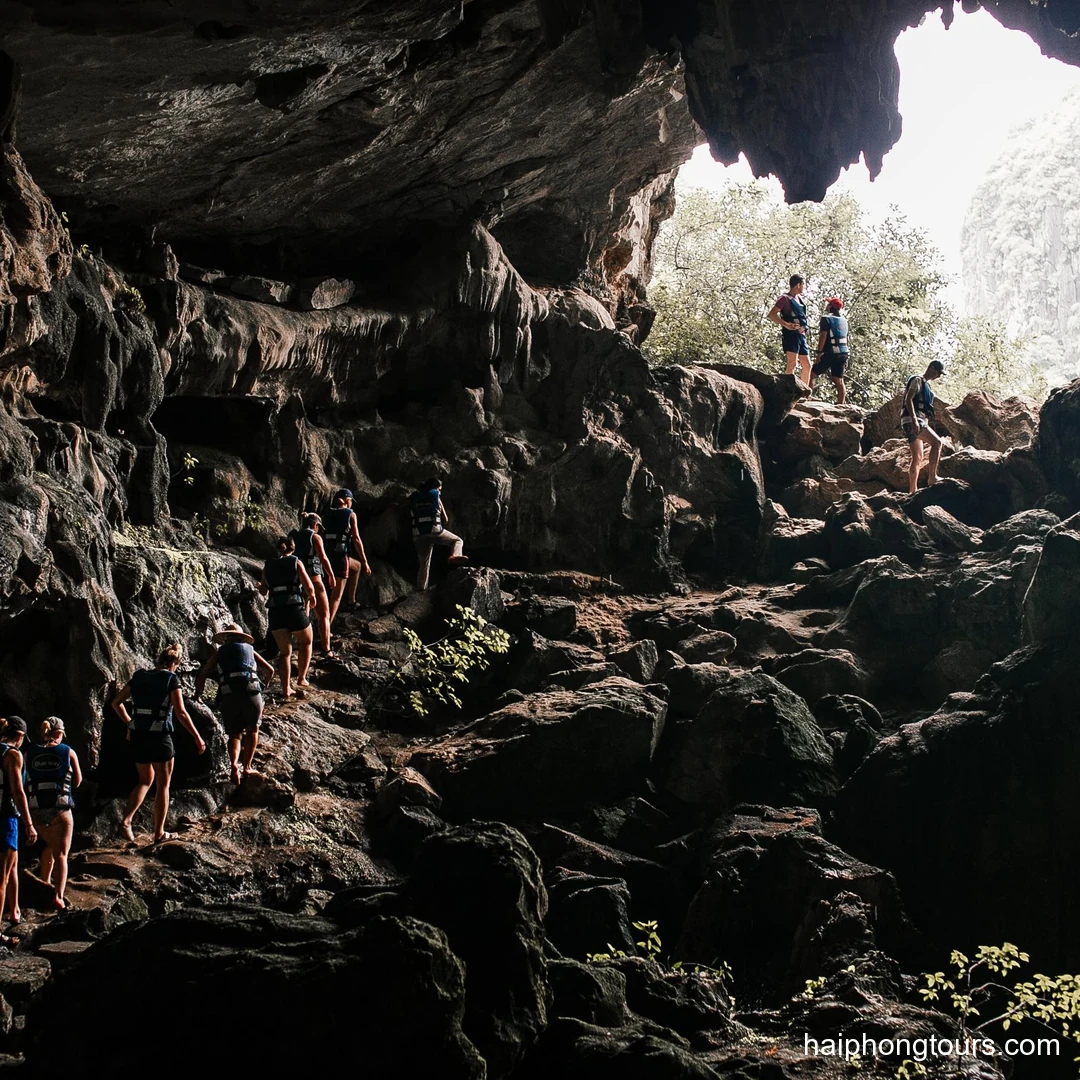
Set aside a half-day from Lai Chau, including transport and an unhurried walk. Pu Sam Cap is close to the urban center, but the visit involves steps, uneven surfaces and outdoor paths between the cave areas. It is a better fit for someone comfortable walking on damp ground than for a traveler needing step-free sightseeing.
The correct destination: Doan Ket, near Lai Chau
The cave attraction lies around 6 km west of the Lai Chau urban center, along provincial road 129, in Doan Ket ward. Search for the cave complex, Dong Pu Sam Cap, rather than simply navigating to Pu Sam Cap commune, a separate administrative destination with the same name.
The mountain system contains more than ten caves of different sizes. The names most often used for a visit are Thien Mon, Thien Duong and Thuy Tinh; these are separate caves within the larger complex, not three rooms that everybody automatically passes through.
Thien Duong here is the Lai Chau cave. The name means “Paradise” and is also used elsewhere in Vietnam, so use Pu Sam Cap together with it when discussing your route. A photograph or tour listing labeled only Paradise Cave may refer to somewhere entirely different.
Thien Mon: the first cave and a useful pace check
The usual approach begins with a climb on stone steps to Thien Mon. Trees and the hillside form part of the approach, so allow time for the walk before you reach the cave itself. The broad entrance and high interior make this a good place to slow down and look at the scale of the chambers.
Inside, pay attention to the different forms rather than trying to memorize every fanciful name: hanging formations, columns and small mineral deposits on the floor. Areas of daylight and deeper shade change the appearance as you move. The result is more interesting when you let your eyes adjust instead of rushing from one photograph to the next.
Use this first section to judge the group’s energy and footing. A large chamber does not mean every part of the approach is easy. If the steps already feel difficult, there is no need to add the next cave simply to complete a list.
Thien Duong: allow for the walk between caves
Thien Duong is the natural continuation when the connecting path is open and your group is comfortable proceeding. Its appeal is the variety of columns, hanging formations and the water within the cave. A local guide can help separate the recognizable shapes used in storytelling from the underlying rock features.
Before leaving the first cave area, establish the current route to Thien Duong and the way back. Do not assume the entrance and exit are connected by a flat indoor passage. An itinerary naming both caves should account for the connecting walk as well as time inside.
Photography is easiest when you pause at a stable place on the visitor route. Keep clear of other walkers and avoid balancing on formations to gain a better angle. The cave water is part of the landscape, not a place to wade or rinse equipment.
Leave Thuy Tinh out of a normal sightseeing plan
Thuy Tinh occupies a more difficult part of the cave system and should not be treated as a casual extension from the visitor path. Its appearance in a destination description is not confirmation of a maintained route or permission to explore.
For a normal visit, base your decision on Thien Mon and Thien Duong. If somebody offers an additional cave, require a clear explanation of the authorized route, guide arrangements and equipment before agreeing. Do not follow an unmarked trail because a map pin suggests another entrance nearby.
If your goal is a broader cave journey, compare the walking and boat formats in the northern Vietnam caves guide. Pu Sam Cap is an inland walking visit, so it adds a different experience to cave passages reached by boat in Ninh Binh or the bays.
Time, tickets and transport
Allow roughly two to three hours on site as a planning buffer for the main visitor areas, photographs and rest stops, then add the return drive. This is not a fixed circuit time: your pace and which sections are open will decide how long you need. Avoid placing the visit immediately before a bus departure.
Entrance is paid. Confirm the current charge and which cave areas are included when arranging the visit, and keep small cash available. If you hire a guide, establish whether guiding is part of the transport package or a separate charge.

A car or taxi arranged from your Lai Chau accommodation is straightforward for a half-day. Agree on the return pickup or waiting time before you leave the vehicle. Driving to the access area does not remove the final walk to the caves.
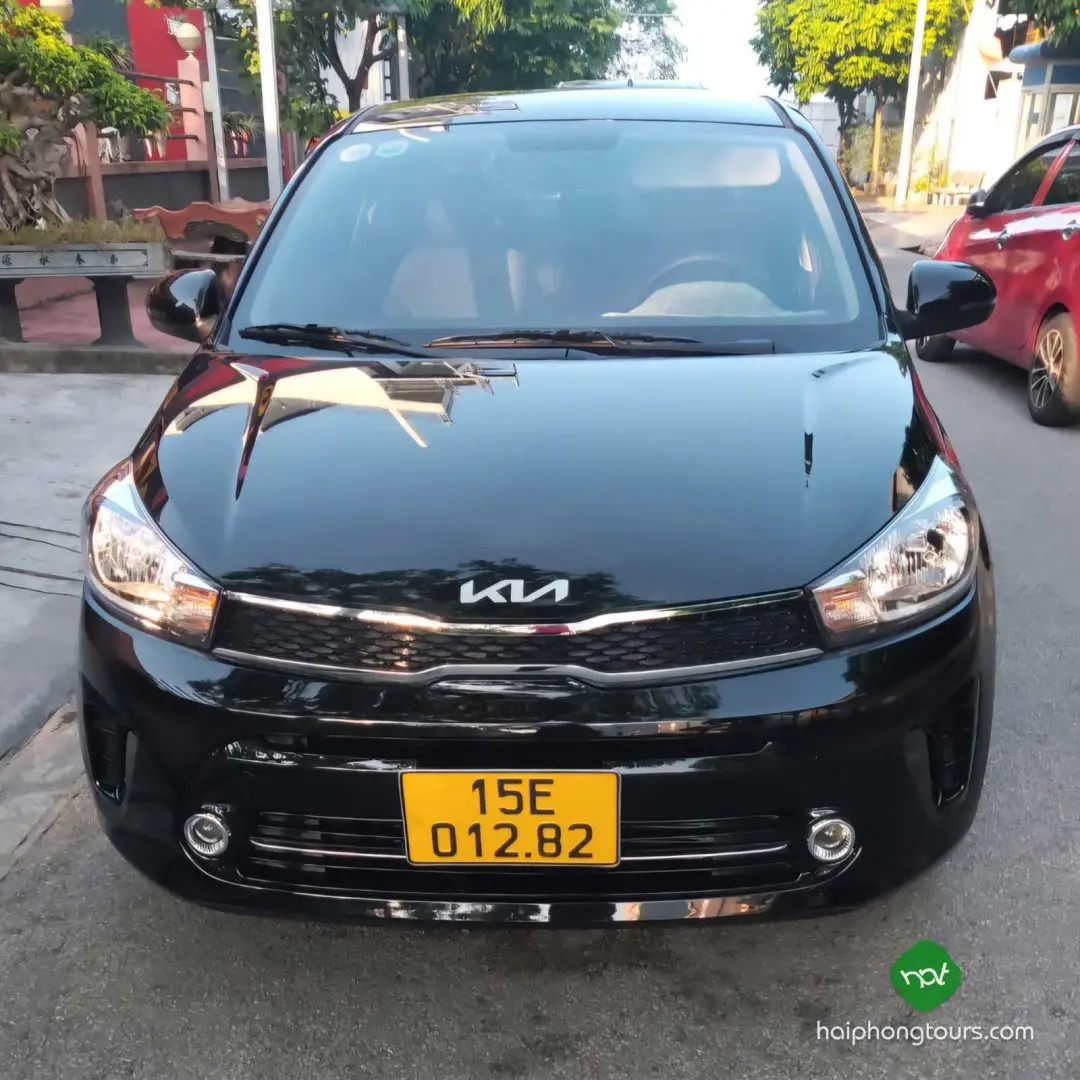
Choose a morning or early afternoon arrival with enough daylight for the outdoor part of the return. Before leaving town, have your driver or accommodation confirm that the visitor route is open and that your intended cave sections can be visited that day. This is especially useful after persistent rain or during work on the site.
Weather and who will enjoy the visit
Dry conditions make the approach and connecting paths more comfortable. Being underground does not make the whole outing weatherproof: the roads, steps and forest sections still matter. After heavy rain, postpone rather than treating the cave as an automatic bad-weather substitute.
Wear shoes with reliable grip and use a small bag that leaves your hands free. Carry drinking water and a light layer for the change from walking outside to standing inside. A small light can help with footing, but it is not a reason to enter an unlit or closed section.
Children who can follow instructions and manage steps may enjoy identifying formations. Keep them close on the approach and inside; shorten the visit when they tire. A stroller is not a useful solution to the walking route.
For limited mobility, the main question is the actual sequence of steps and surfaces, not the short road distance from town. Discuss that with the organizer before going. If reliable step-free access is essential, choose another activity instead of relying on somebody to carry equipment up the approach.
Fit the caves into a Lai Chau stay
For a relaxed day, visit the caves in the morning and return to Lai Chau for lunch. Leave the afternoon flexible rather than committing to several distant villages. Pu Sam Cap works particularly well as a shorter outing between more demanding travel days.
On a longer regional trip, you can give a separate day or overnight to Sin Suoi Ho village and its waterfall walk. That separates the cave experience from the Hmong village visit and leaves time for each, instead of making the villages little more than roadside pauses.
The best reason to include Pu Sam Cap is that you are nearby, interested in caves and happy to walk. Go with time for the two main visitor caves, respect any closed sections, and treat the forest approach as part of the outing.
Would you like help fitting this experience into your trip? Contact us with your travel dates, starting point, available time and group size. Tell us about walking limits or special interests so we can suggest a practical itinerary.