For a first run in North Vietnam, choose a short daylight loop in a park, around a lake with a continuous pedestrian path or on a hotel-recommended route away from fast traffic. Inspect it on foot first and keep the first session easy; heat, humidity, air quality, paving and road behavior may differ from your normal training environment.
Hanoi offers the most route choice but also the most traffic and air-quality variation. Hai Phong can be easier to read in the central area, while Ninh Binh and mountain destinations require more caution around unlit roads, dogs, weather and limited medical access.
Choose the surface before the scenery
- Managed park or track: easiest for a predictable recovery run.
- Lake path: useful only when the pedestrian section is continuous and open.
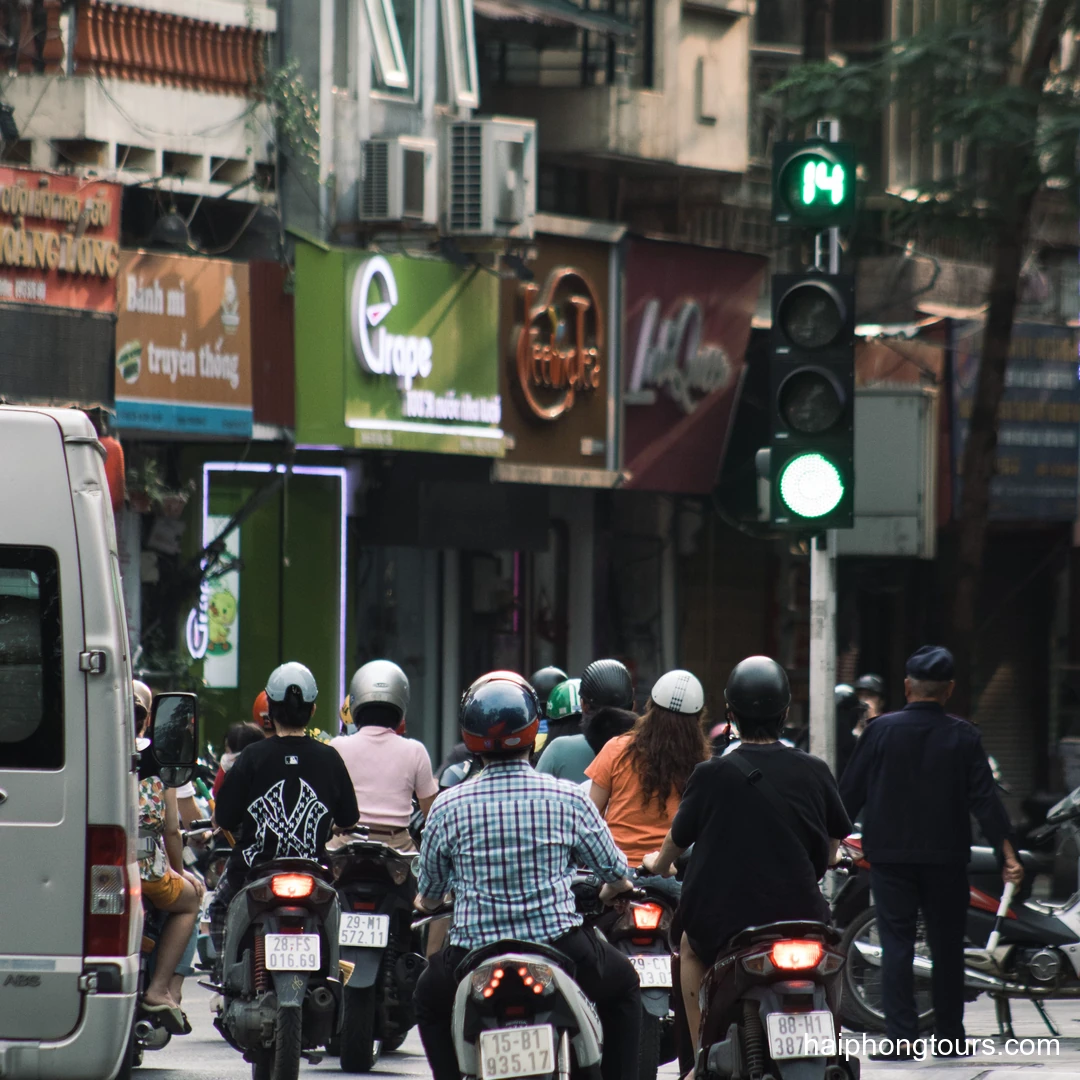
- Wide central pavement: convenient but interrupted by vehicles, vendors and crossings.
- Rural road: scenic but may lack a shoulder, lighting, water and safe turning points.
- Trail: a separate activity requiring route, weather and rescue planning.
Do not turn a tourist viewpoint, rice-field edge, railway line or mountain pass into a running route because it looks empty in a photograph.
Inspect the loop in daylight
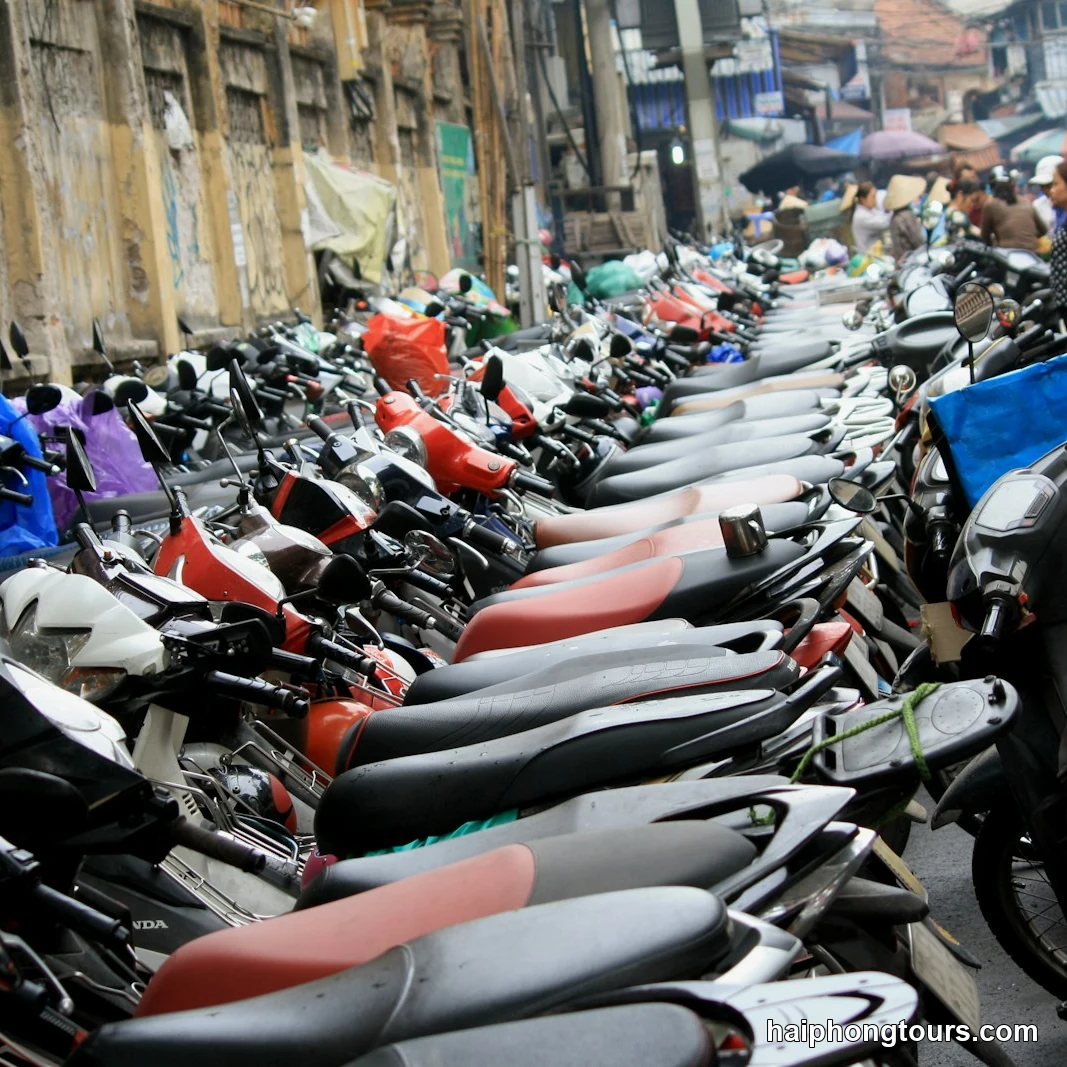
Check crossings, surface damage, construction, locked gates, toilets and places where motorbikes use the pavement. Save the accommodation address offline and choose a loop you can shorten without improvising through traffic.
Run against or with traffic only according to the actual road design and local rules; the safest choice is a separated pedestrian area. Put the phone away at crossings and remove headphones where you need to hear vehicles.
Heat and humidity change effort
Schedule outdoor exercise for a cooler part of the day, reduce pace and stop if you feel faint or weak. Drink before thirst becomes intense and carry water when the route does not have a reliable source. Dark, exposed pavement can feel much hotter than the general forecast.
The North Vietnam weather guide explains seasonal heat, cold, rain and mountain variation. Check the same-day forecast because a monthly description cannot predict one workout.
Check air quality as a separate condition
Air pollution can vary by day, time and area. Check a current local reading, choose a greener route away from dense traffic and reduce intensity when conditions or symptoms require it. Travelers with asthma, cardiovascular disease or another relevant condition should follow individual clinical advice.
Stop and move to cleaner air if you develop chest tightness, wheezing, unusual breathlessness or dizziness. An indoor treadmill is a useful backup, not a failed travel experience.
Carry only what supports safety
- hotel address and emergency contact;
- small amount of money and charged phone;
- water appropriate to the route;
- reflective detail when visibility is imperfect;
- necessary medication kept accessible;
- identification or medical information without exposing unnecessary data.
Running alone or with a group
Tell someone the route and return time. A local running group can help with surface and access, but confirm pace, distance, meeting point and bag storage before joining. Do not follow a group onto a road or trail that exceeds your ability simply to avoid being separated.
For a group outing, see how to join a Hanoi Hash run or walk.
The North Vietnam safety guide adds road, phone and emergency planning. For longer two-wheel routes, use the separate North Vietnam cycling guide.
A five-day travel-running rhythm
- Arrival: walk the local loop and recover from transit.
- Day 2: short easy run near the accommodation.
- Day 3: sightseeing or rest, especially after a transfer.
- Day 4: second run only if weather, air and recovery are suitable.
- Day 5: walk or indoor backup rather than forcing mileage before travel.
A useful travel run should improve the day that follows. Choose a visible, repeatable route, adjust for local conditions and finish before fatigue reduces your judgment in traffic.
Would you like help fitting this experience into your trip? Contact us with your travel dates, starting point, available time and group size. Tell us about walking limits or special interests so we can suggest a practical itinerary.