
For a first temple visit in Da Nang, choose Linh Ung on Son Tra Peninsula for the sea-facing Lady Buddha statue, or the Marble Mountains for historic pagodas and caves. If you want to see everyday Buddhist life without a mountain excursion, consider Tam Bao or Pho Da in the city.
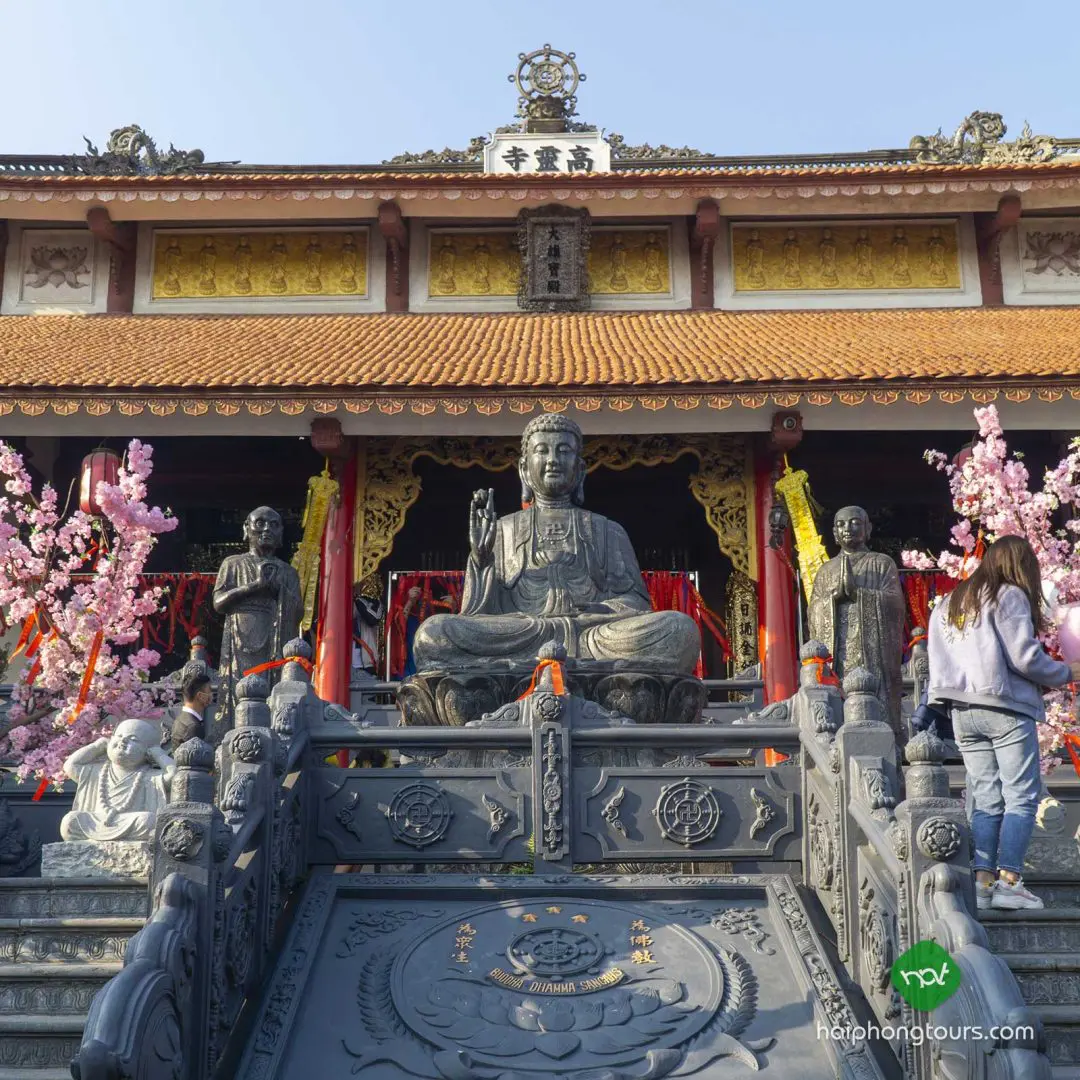
Da Nang has three different Linh Ung pagodas: Son Tra, Non Nuoc at the Marble Mountains, and Ba Na Hills. Tell your driver the full name. The ten pagodas and monasteries below offer different experiences, and two or three thoughtfully chosen stops are usually more rewarding than a rushed attempt to visit them all.
Choose by location and the visit you want
- Coastal scenery and a prominent landmark: Linh Ung Son Tra.
- Historic pagodas with a hill walk: Tam Thai and Linh Ung Non Nuoc, both on Thuy Son at the Marble Mountains.
- Avalokitesvara worship and festival traditions: Quan The Am Pagoda at the foot of Kim Son, a separate mountain in the Marble Mountains group.
- City temples and different Buddhist traditions: Tam Bao, Pho Da and Phap Lam.
- A garden setting or a quieter local visit: Nam Son or Bo De, with visiting arrangements checked before a dedicated trip.
- A pagoda within a larger mountain attraction: Linh Ung Ba Na, best included in a Ba Na Hills day.
The suggested visit lengths are planning estimates for sightseeing. Worship, a guided explanation or a festival can require much longer. These are active religious places, so access to individual halls may change around services and monastic activities.
1. Linh Ung Son Tra: the Lady Buddha by the sea
Location: Bai But, Son Tra Peninsula, reached along the coastal road northeast of central Da Nang.
The 67-meter statue commonly called Lady Buddha depicts Quan The Am, or Avalokitesvara, the bodhisattva associated with compassion. It is the distinguishing landmark of this Linh Ung pagoda. The grounds face the sea and provide views toward the city’s coastline when visibility is good.
Allow around 45–75 minutes for the courtyard, statue and accessible worship areas. The open spaces can be hot, so an earlier visit is a practical choice in sunny weather. Arrange a return pickup instead of assuming a car will be waiting at the exit.
Best for: first-time visitors who want one substantial pagoda visit with coastal scenery. The pagoda is one stop on the peninsula; a trip here does not automatically include its higher viewpoints or forest roads. Keep the route agreed with your driver.
2. Linh Ung Non Nuoc: the Marble Mountains pagoda
Location: Thuy Son, the main visitor mountain within Ngu Hanh Son, or the Marble Mountains.
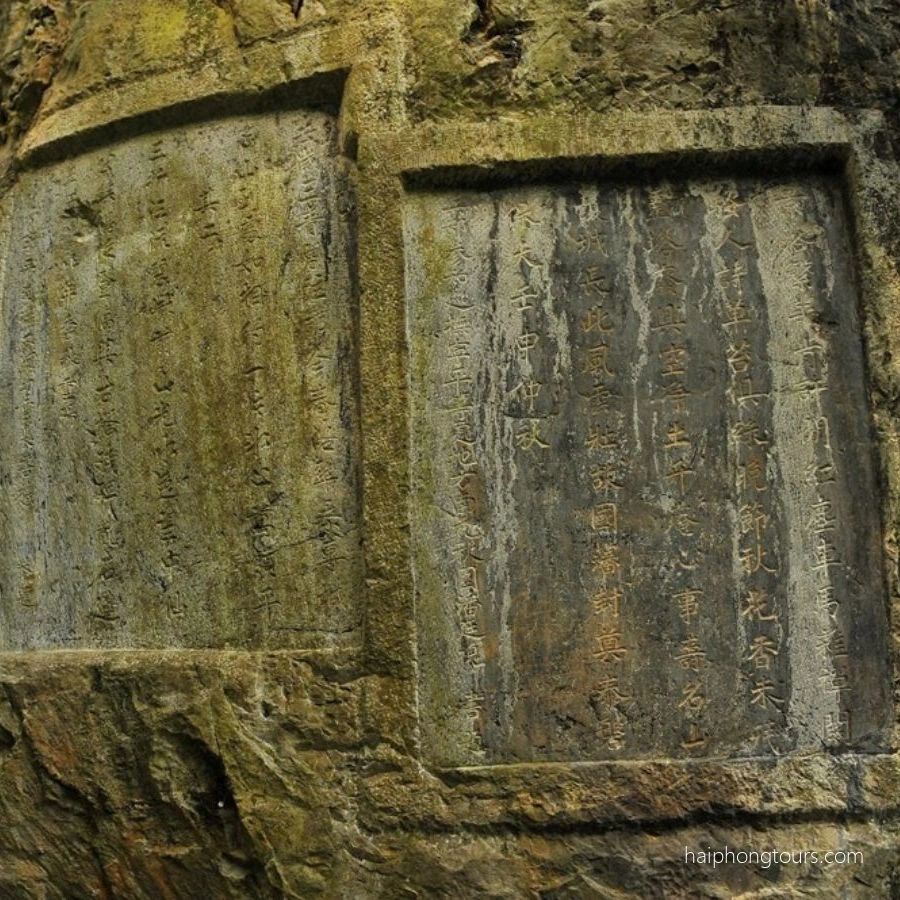
This Linh Ung has a much older history than the modern Son Tra complex. Its present name dates to the reign of Emperor Thanh Thai in 1891, following earlier rebuilding under the Nguyen emperors. The pagoda sits within a landscape of rock, caves and religious structures, with Tang Chon Cave behind it.
See the temple as part of a Thuy Son visit rather than a separate cross-city excursion. The elevator approach reaches the side of the mountain near the Xa Loi tower and Linh Ung, but it does not make the entire mountain route step-free. Paths to other pagodas, caves and viewpoints still involve walking and steps.
Best for: combining Buddhist architecture with the Marble Mountains. Budget roughly two to three hours for a selected mountain route, and ask the ticket counter which entrance, elevator and cave admissions your route requires.
3. Tam Thai Pagoda: a historic stop on Thuy Son
Location: Thuy Son, within the same Marble Mountains visitor area as Linh Ung Non Nuoc.
Tam Thai’s history reaches back to the 17th century, with important patronage under Emperor Minh Mang. Its gate, courtyard and worship buildings make it a worthwhile cultural stop during a mountain walk. The structures have undergone restoration, so the temple’s early origins should not be taken to mean that every visible feature is original.
Pair Tam Thai with Linh Ung Non Nuoc and one or two caves that suit your mobility and available time. Huyen Khong is a possible addition on a longer route; reaching every viewpoint is unnecessary if the purpose of your visit is the temples.
Best for: travelers interested in the region’s religious history. Wear shoes with grip, allow for uneven stone steps and shorten the route when surfaces are wet. Buying an elevator ticket does not remove the walking needed to reach all these places.
4. Quan The Am Pagoda: the cave and festival tradition
Location: 48 Su Van Hanh Street, at the foot of Kim Son in the Marble Mountains area.
Quan The Am, also written Quan Am, is a different destination from the pagodas on Thuy Son. Its founding tradition links the monk Thich Phap Nhan with a cave formation understood by devotees as an image of Avalokitesvara. The story is part of the temple’s religious heritage.
Allow around 45–60 minutes for an ordinary visit, subject to access to the cave and worship spaces. If steps or confined passages are difficult for you, ask about the approach before adding the cave. The temple can be combined with the Marble Mountains, but it requires a separate stop at Kim Son.
The Quan The Am Festival centers on the 19th day of the second lunar month. The surrounding program and corresponding calendar dates vary, so check the announced schedule for your year. Expect a much busier visit around the principal ceremonies.
Best for: travelers interested in living devotional traditions. Give worshippers space and distinguish observing a public ceremony from joining a religious practice.
5. Tam Bao Pagoda: Theravada Buddhism in the city
Location: 323 Phan Chau Trinh Street.
Tam Bao follows the Theravada, or Nam Tong, tradition. Its pointed towers and worship setting offer a useful comparison with the Mahayana pagodas elsewhere on this list. The community continues to hold religious events such as Kathina, the robe-offering ceremony following the monastic rains retreat.
Allow around 20–40 minutes for a respectful visit when the grounds are open to visitors. If a ceremony is taking place, ask where you may sit or stand. An English explanation is not something to assume on arrival; arrange a guide if understanding the differences between Buddhist traditions is central to your visit.
Best for: a short city stop with a distinct religious identity. Combine it with nearby Pho Da, also on Phan Chau Trinh Street, rather than driving out to another side of Da Nang.
6. Pho Da Pagoda: a center of Buddhist learning
Location: 340 Phan Chau Trinh Street.
Pho Da has a long association with Buddhist education in Da Nang. The monk Thich Ton Thang established the predecessor hermitage, Pho Thien, and the temple later became closely connected with Buddhist study and the training of monastics.
A visit here is about a working place of worship and learning. Look at the temple architecture and permitted worship areas, while leaving classrooms, residential spaces and organized activities undisturbed. Allow roughly 20–40 minutes if a short visit is possible.
Best for: travelers interested in how local Buddhism is taught and practiced. Tam Bao and Pho Da make a compact pairing, but their proximity does not mean that their services or visiting arrangements are the same.
7. Phap Lam Pagoda: Buddhist community life
Location: 574 Ong Ich Khiem Street.
Phap Lam grew from a Buddhist association temple founded in 1934. It remains an important venue for Da Nang Buddhist community activities. Its courtyard and main worship hall suit a short cultural visit within the city rather than a sightseeing trip built around a mountain view.
Allow around 20–40 minutes, giving priority to any service or meeting taking place. Look for the temple entrance at the stated address and check whether the worship hall is receiving visitors before entering. The opportunity to see a functioning community temple matters more here than the size of the complex.
Best for: a locally focused city itinerary. Pair it with Tam Bao or Pho Da if you want more context, but avoid adding all three simply to increase the number of stops.
8. Nam Son Pagoda: gardens and waterside walkways
Location: the Cam Nam area, formerly listed under Hoa Chau, south of central Da Nang. Use the local name Chua Nam Son when confirming the map pin.

Founded in 1962 and subsequently expanded, Nam Son is known for its landscaped grounds, tiled roofs and walkways crossing ponds. Its architecture draws on the pagoda traditions of Central Vietnam. The setting offers a different experience from the exposed seaside courtyard at Son Tra or the rocky paths of Thuy Son.
Allow about 45–60 minutes on site, plus the drive. Confirm current visiting hours before leaving central Da Nang and follow the temple’s guidance on which areas are open. Permission to walk through the grounds does not necessarily include photography inside the halls.
Best for: visitors who enjoy gardens and architectural details and have time for a separate southern outing. Keep walkways clear and supervise children beside the water.
9. Bo De Monastery: a local community visit
Location: Hoang Thi Loan Street, northwest of the city center. Search for Thien Vien Bo De, also called Bo De Thien Vien.
The monastery’s recognizable features include a multi-tiered stupa, a Quan Am statue and the main hall. It serves a local Buddhist community, with worship and ceremonies forming part of its life beyond sightseeing.
Consider a short visit if you are staying nearby or have a particular interest in the monastery. Confirm access before making a dedicated journey, and plan around 20–40 minutes if visitors can enter. View the stupa from the permitted grounds rather than assuming its upper floors are open.
Best for: a quieter addition to a longer Da Nang stay. The word “monastery” does not imply a drop-in meditation class in English; any participation in a retreat or organized practice needs separate arrangements.
10. Linh Ung Ba Na: part of a mountain day
Location: inside Sun World Ba Na Hills, west of Da Nang.
The large seated Shakyamuni Buddha, approximately 27 meters high, distinguishes this Linh Ung from the standing Quan The Am statue at Son Tra. The pagoda opened in 2004 and forms part of Ba Na’s religious landscape within the wider visitor complex.
Plan access through the Ba Na Hills ticket and cable-car arrangements for your travel date. A short temple visit is only one component of the outing: road transfers, queues, cable-car travel and movement around the mountain all take time. Check the current visitor map and operating routes instead of relying on an old cable-car station sequence.
Allow around 30–45 minutes for the pagoda within a larger Ba Na day. Bring a light layer and rain protection; mist can limit the mountain views even when the weather below is clear.
Best for: travelers already interested in Ba Na Hills. If you only want a pagoda visit, Son Tra or the city temples usually require a simpler itinerary and fewer paid transport arrangements.
Three practical ways to plan your visits
A short city visit
Choose Tam Bao and Pho Da for two temples on the same street, allowing roughly one to two hours overall with movement between them. Add Phap Lam only if Buddhist community history is a strong interest. Confirm visiting access first if your schedule is tight.
A half day around the Marble Mountains
Start with a manageable Thuy Son route linking Linh Ung Non Nuoc and Tam Thai. Add Quan The Am at Kim Son if time and energy allow. Reserve roughly four to five hours from a central Da Nang hotel for this combined outing, with extra time for a meal or a festival.
A coastal visit or a full Ba Na day
Give Son Tra its own coastal outing, or place Linh Ung Ba Na within a full day at Ba Na Hills. Trying to fit all three Linh Ung pagodas into a standard sightseeing day creates a transport-heavy schedule. Spread a dedicated pilgrimage over more than one day if you want time to worship.
Temple etiquette, access and costs
- Dress for a place of worship: cover shoulders and knees; carry a light extra layer if arriving from the beach. Remove hats and shoes where requested.
- Observe before entering: keep voices low, silence your phone, follow the visitor route and avoid stepping between worshippers and the altar.
- Ask about photographs: a courtyard photo and a close-up of a monk, devotee or altar are different requests. Respect signs and personal consent.
- Choose only the practices you understand: a respectful visit does not require buying incense or making an offering. Follow local instructions if you do participate.
- Check the actual walking route: temple thresholds, stairs and cave passages matter more than a general claim that a place is “easy.” The Marble Mountains elevator serves part of the ascent.
- Separate admission from other costs: mountain-site tickets, cable cars, parking and transport have their own arrangements. Confirm the current inclusions before paying.
Start with the location that matches your main interest, then add a nearby temple that offers something different. A clear route, realistic walking expectations and time to observe make these visits more meaningful than a checklist of names.
Would you like help fitting this experience into your trip? Contact us with your travel dates, starting point, available time and group size. Tell us about walking limits or special interests so we can suggest a practical itinerary.