
In Sapa, a batik workshop and an indigo-dyeing class can both leave you with blue patterned cloth, but you make the pattern differently. Batik uses wax to protect drawn areas before dyeing; a fold-and-dip indigo session creates patterns through the way the fabric is prepared and immersed. Choose the process you would enjoy doing, then check the item, teaching language and session length.

For a first creative half-day, Indigo Cat offers a wax-drawing and indigo workshop, while ETHOS offers a separate introductory indigo session with English instruction. You can build either around a Sapa stay without making a village trek part of the same booking.
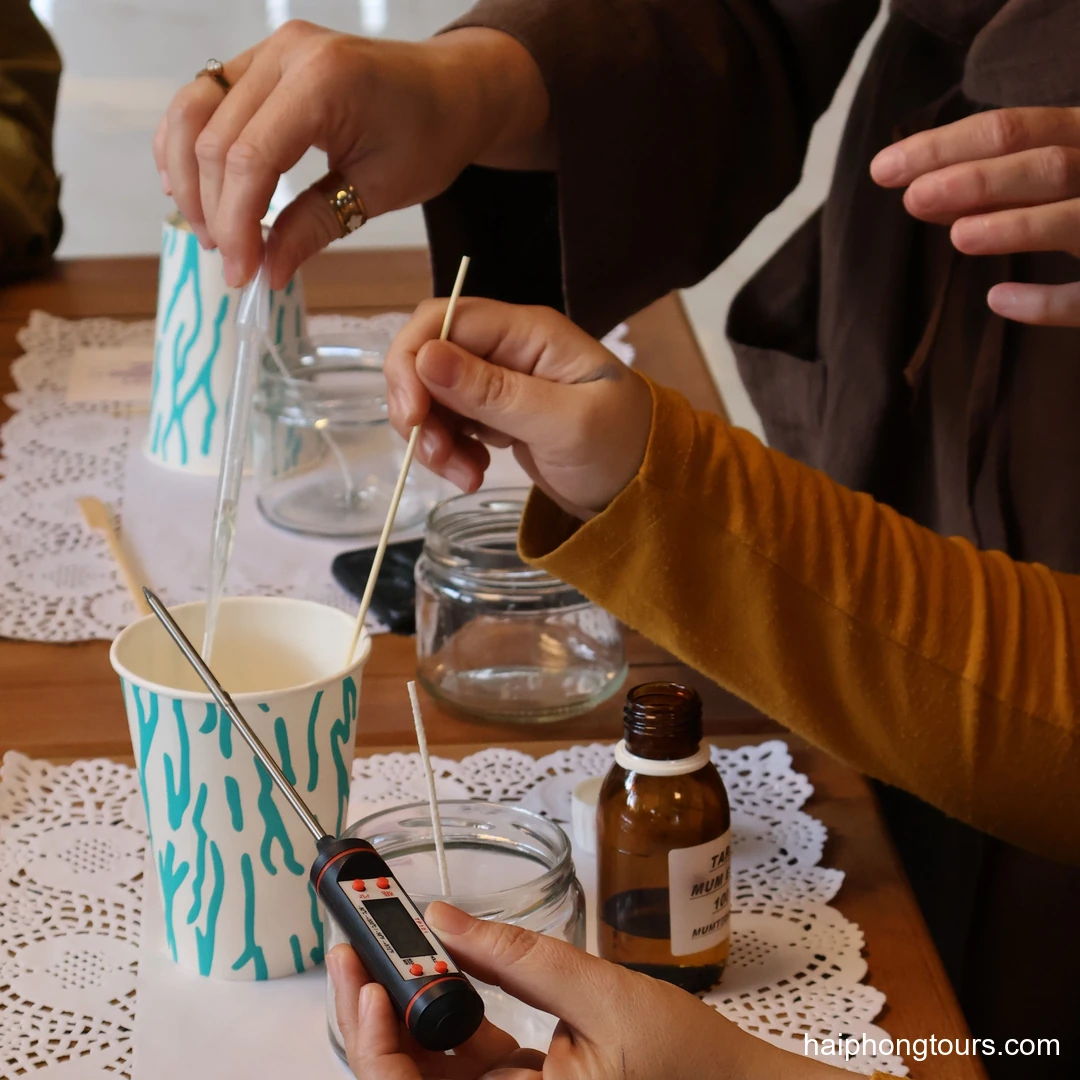
Choose what you want to make
- Draw lines and motifs: choose wax-resist batik if you enjoy careful drawing and want to see a design emerge through the dye.
- Experiment with folds and color: choose an introductory indigo session if the dipping process interests you more than drawing.
- Study a technique in greater depth: ask for a longer textile workshop with time to discuss materials and practice.
- Understand fabrics before buying: combine a lesson with a focused look at finished work, rather than treating every souvenir shop as a classroom.
Indigo describes the dye; batik describes a resist technique. They can be used together, but an indigo-colored item is not automatically batik, and a short class does not cover every stage of making traditional clothing.
Indigo Cat: draw with wax and dye a fabric square
Indigo Cat’s Sapa workshop takes approximately two to two and a half hours. You work with wax on a 40-by-40-centimeter cotton square, then follow the indigo-dyeing and wax-removal process to create a souvenir.
The shop lists morning sessions around 9 a.m. and afternoon sessions around 2 p.m.; reserve your actual time rather than treating these as walk-in guarantees. Its listed shop address is 039A Fansipan Street. Ask whether the class meets there and request the workshop pin before traveling.
Best fit: someone who wants to draw and make a small patterned textile during a single session. Confirm instruction language, class size and the minimum age for your party. The workshop welcomes interest from families, but the child’s age and handling of wax need a specific arrangement.
ETHOS: an introductory indigo session in a small group
ETHOS holds its half-day indigo workshop at the ETHOS Community Centre in Sapa. The published format is two and a half hours, with morning and afternoon sessions, English instruction and a maximum of five participants. It is described as suitable for beginners aged eight and above.
Participants prepare and dye cotton, choosing a scarf or decorative square. This format focuses on designing, folding and dipping the material with guidance from Hmong artisans; choose it for that process rather than assuming it includes drawing with wax.
Best fit: beginners who want English explanation, a small-group setting and a wearable or decorative result. Confirm the chosen item, meeting pin and session before paying, particularly if different members of the party want different projects.
When to ask ETHOS about a longer textile day
ETHOS also describes separate full-day textile activities, including Hmong batik on hemp and embroidery. These are different bookings from the introductory cotton-dyeing session.
A longer format may be worth considering if the craft is a main reason for your Sapa visit. Request the day’s actual process, teaching language, travel component and take-home outcome; do not transfer the half-day session’s age rules, timing or inclusions to another program.
Cotton, hemp and the result you take home
An introductory class may use prepared cotton so visitors can concentrate on one technique. That can be a useful learning experience, but it should not be described as making a traditional hemp garment from raw fiber.
Ask which parts are prepared before you arrive and which you will do yourself. For batik, establish who handles the hot wax and its removal. For indigo, ask which stages of dipping, rinsing and finishing fit inside the session.
Choose a pattern that fits your experience and available time. A clear, simple design you understand is a better first project than an intricate motif you can only finish with most of the work done for you.
Bring curiosity and clothes that can collect dye
Wear clothing and shoes you would not mind marking, and keep your phone or bag away from the work surface. Ask whether an apron or other protective equipment is provided. Follow the artisan’s instructions around wax, hot water and the dye vat.
Bring reading glasses if you need them for fine lines. Tell the host beforehand if hand dexterity, prolonged sitting or bending over a table would make the activity difficult. A craft class can be less physically demanding than trekking while still requiring concentration and a comfortable working position.

For children, choose by the specific operator’s policy and the task, not the broad phrase “family activity.” An eight-year minimum for one ETHOS session does not establish the rule at Indigo Cat or in another workshop. Confirm whether an accompanying adult participates, supervises or pays a separate fee.
Give the workshop space in your Sapa day
A late-morning or afternoon session can pair with a leisurely meal and a short town outing. If you are arriving after overnight travel, leave time to wash, eat and rest before committing to close work with unfamiliar tools.
Keep a fixed bus or train connection well after the planned finish. Ask whether your cloth will be dry and ready to pack, or whether you should return later. Drying and finishing matter more than squeezing one extra attraction into the afternoon.
The Sapa without trekking guide helps you build the rest of the stay around town, food and selected views. If your accommodation is in a village outside central Sapa, confirm the workshop’s actual location and the return ride before booking.
Learn from the maker without flattening the culture
Ask the teacher about the technique and any pattern they are comfortable explaining. Hmong and Dao textile traditions are not interchangeable, and a decorative design should not automatically be given a spiritual meaning.
Photograph people and their work only with permission. If you share a picture of your finished piece, name the maker or workshop accurately and describe the part you made. A visitor exercise can be meaningful without claiming the skill of an experienced artisan.
The North Vietnam textiles and natural-dyes guide explains how to ask about fiber, technique, maker and care when choosing other textiles during your trip.
Book the process and the finished item
We would like [wax-resist batik / introductory indigo dyeing] on [date] for [number] people. Please confirm the teaching language, minimum age, class size, meeting point, duration and total price. What fabric and item will each person use, which stages will we do ourselves, and will the work be ready to take away when the session ends?
Before leaving, get care instructions for your own cloth, including the first wash and possible color transfer. Keep it separate from pale clothing during the journey and follow the host’s drying advice rather than sealing damp fabric into luggage.
Choose batik for the pleasure of drawing with wax, or introductory indigo for folding and experimenting with color. The strongest reason to book is the chance to spend time making, asking questions and understanding the textile you carry home.
Useful guides for your trip
Would you like help fitting this experience into your trip? Contact us with your travel dates, starting point, available time and group size. Tell us about walking limits or special interests so we can suggest a practical itinerary.