
Sapa is still worthwhile without trekking. A practical two-day visit can combine the Fansipan cable-car system, a road-accessible viewpoint or village edge, Sapa town, local food and a Red Dao herbal bath. The important limitation is that “no trek” does not mean step-free: slopes, stairs, high altitude and uneven paving remain common.
Use a private car, taxi or electric vehicle for the longer gaps, verify the final walking surface at each stop and keep one weather-dependent view optional.
Use Fansipan transport to replace the mountain climb
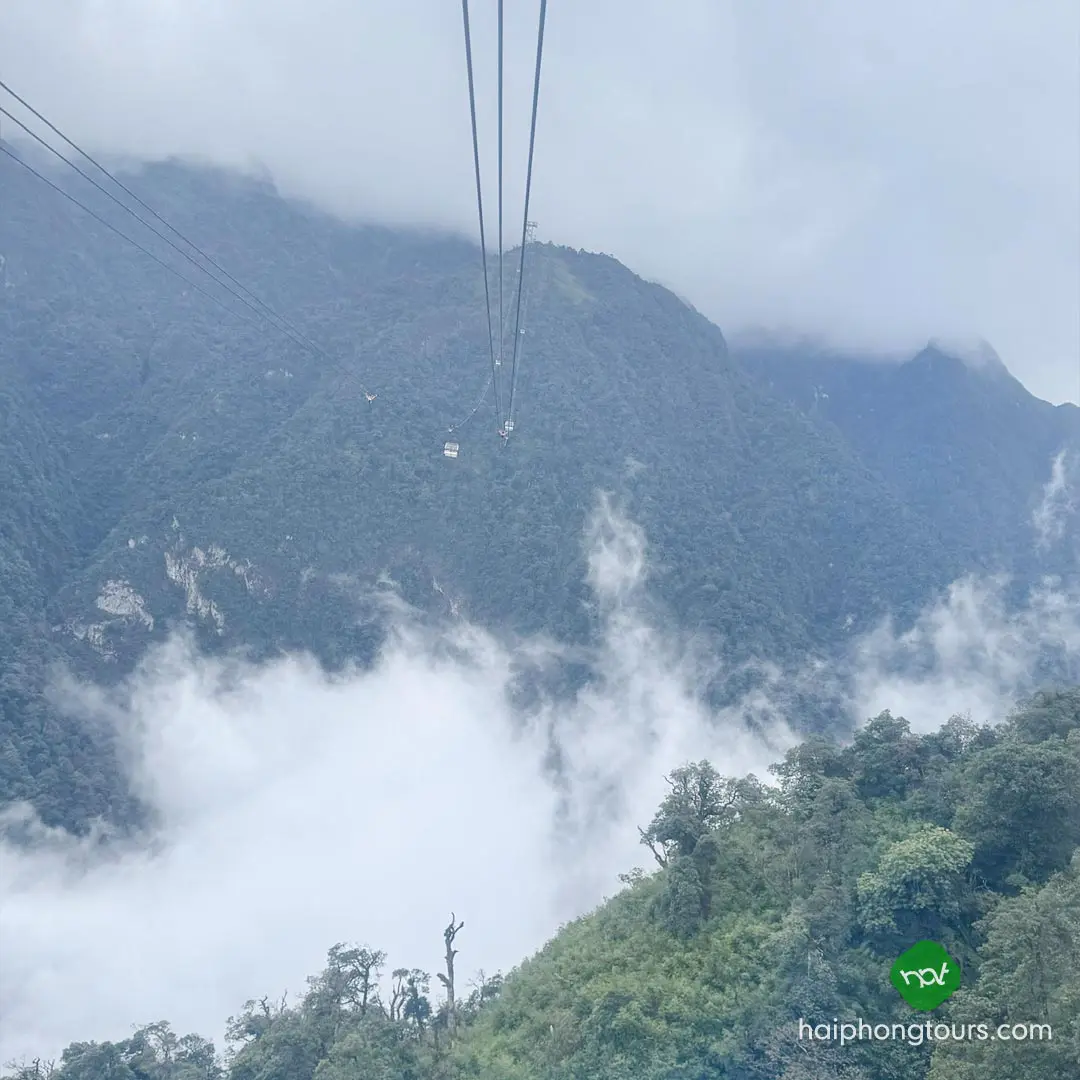
Sun World Fansipan Legend connects Sapa with the cable-car complex, and an additional summit funicular can replace a long flight of stone steps near the top. This turns Fansipan into a half-day outing rather than a multi-day trek.
The cable car does not remove altitude, cold, wind, queues or every stair. At more than 3,000 meters, the summit area can feel demanding even for travelers who walk comfortably at sea level. Move slowly, carry a warm layer and follow individualized medical advice when heart, lung or mobility conditions matter.
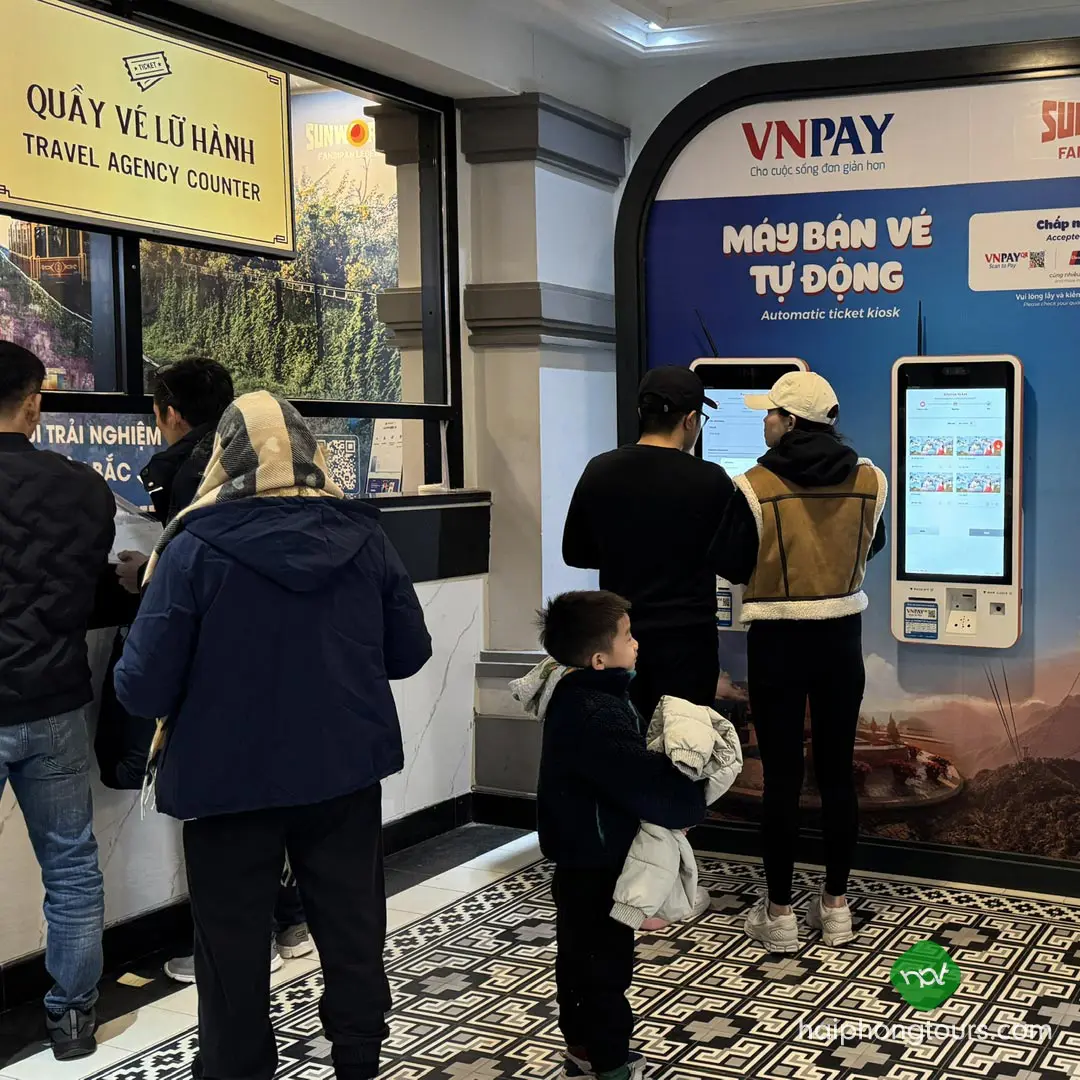
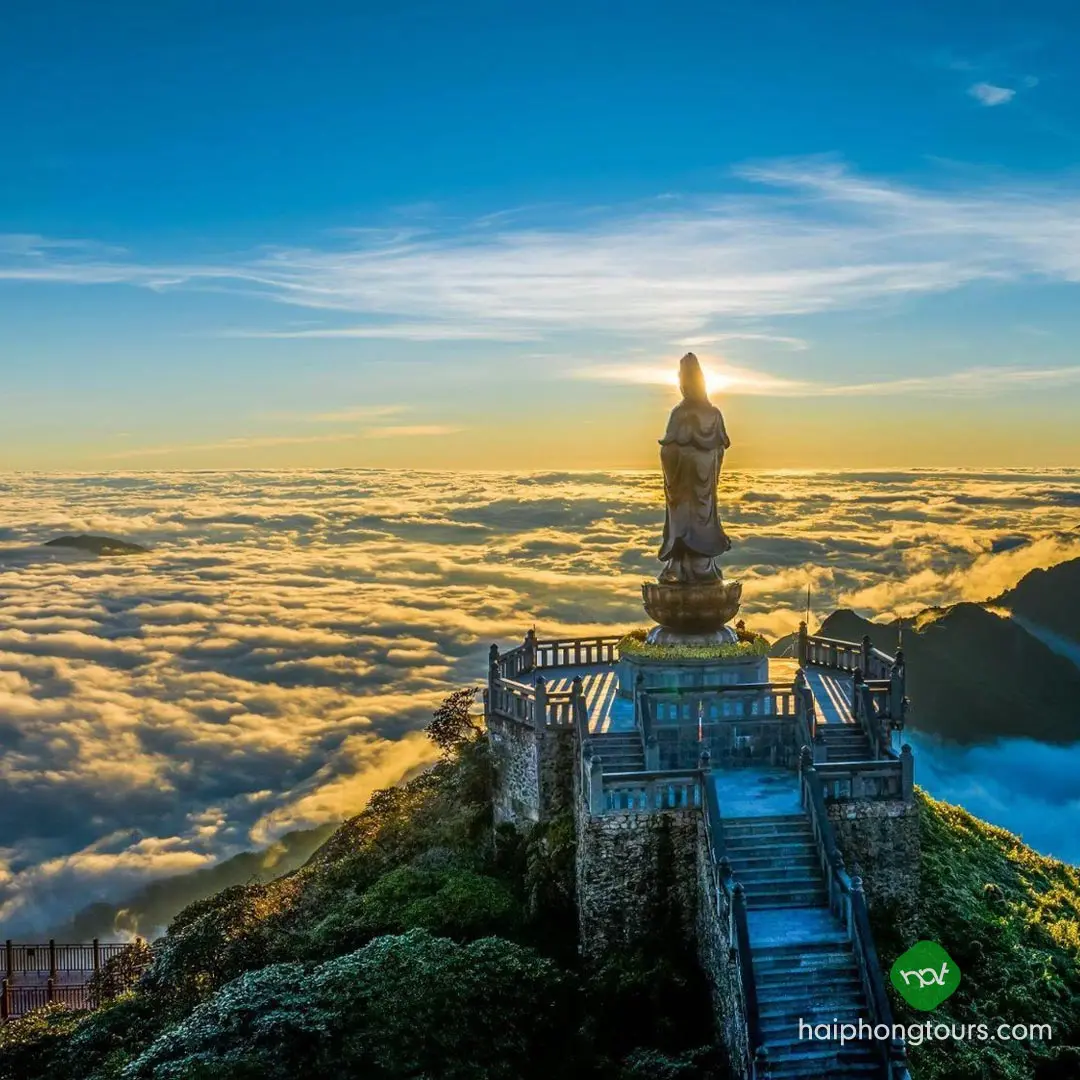
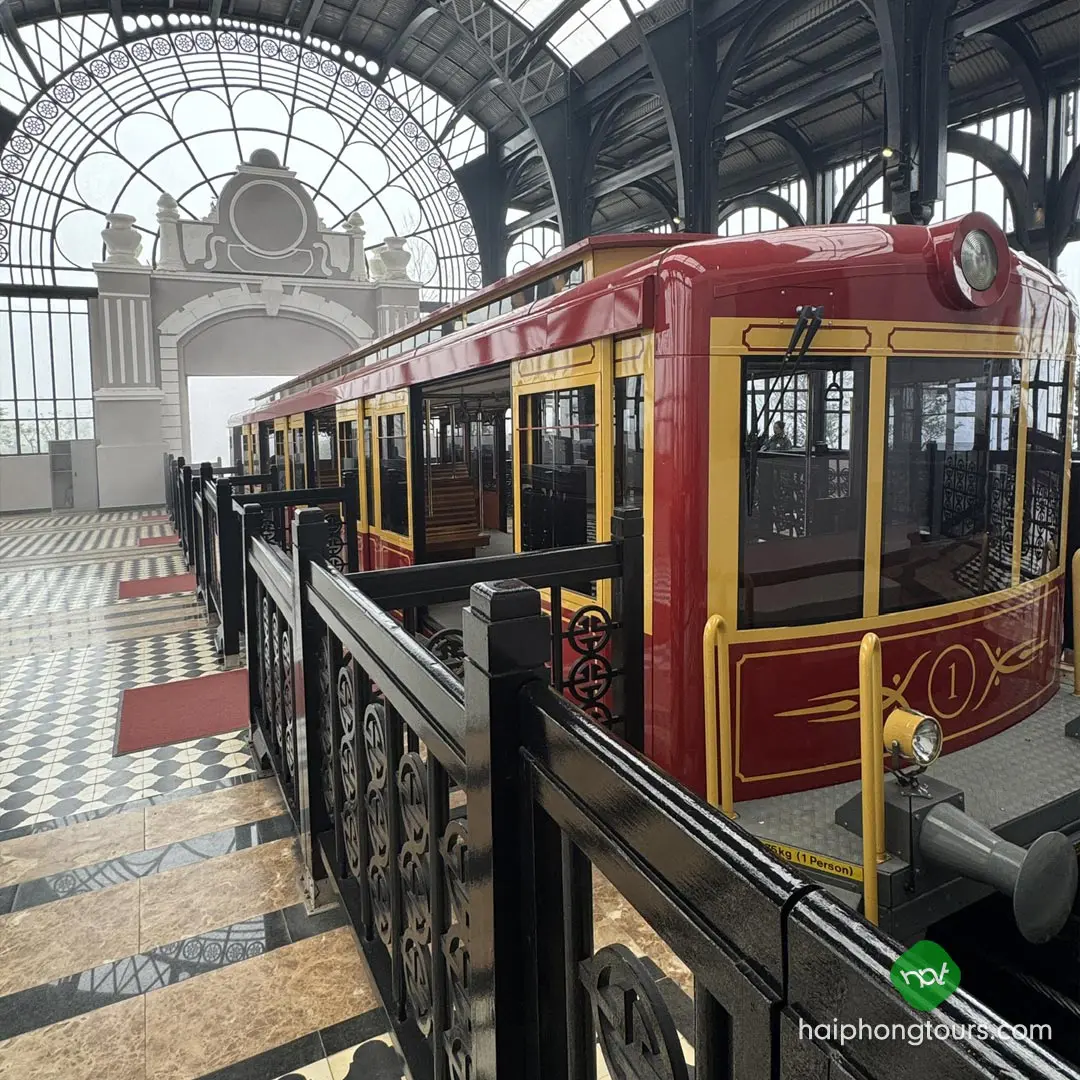
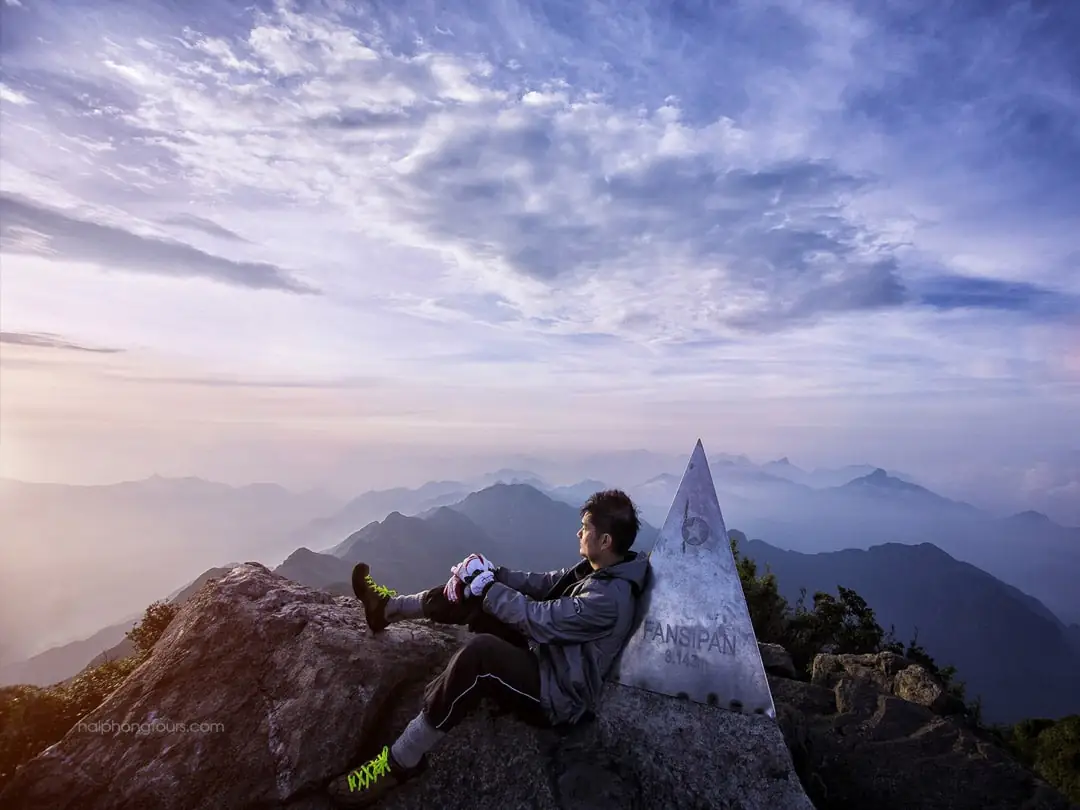
Fansipan ticketing, funicular and summit scenery.
Cloud can remove the view without making the machinery unsafe, while strong weather or maintenance can change operations. Check the official status before buying a fixed onward transfer. The Fansipan ticket guide explains the separate rail, cable-car and summit segments.
For culture at the lower cable-car base, the Ban May cultural village guide explains the houses, crafts and performances, including how to check a village-only visit. Confirm the walking surface and the day’s program before adding it to a low-walking plan.
Do not treat Cat Cat as an easy-access village
Cat Cat is close to Sapa by road, but the visitor route includes slopes, steps and a return climb. A vehicle can shorten the approach without making the complete circuit low walking.


Cat Cat Village stream, waterwheels and walking route.
Travelers who want village scenery with limited walking should ask a driver for a road-based visit, clarify the drop-off and pickup points and agree that the route can be shortened. The Sapa villages guide compares settlement areas and walking demands.
Choose one roadside mountain section
O Quy Ho Pass, Silver Waterfall and other roadside viewpoints can provide mountain scenery without a long trail. Access still changes with construction, weather and traffic, and a named viewpoint may involve stairs from the parking area.
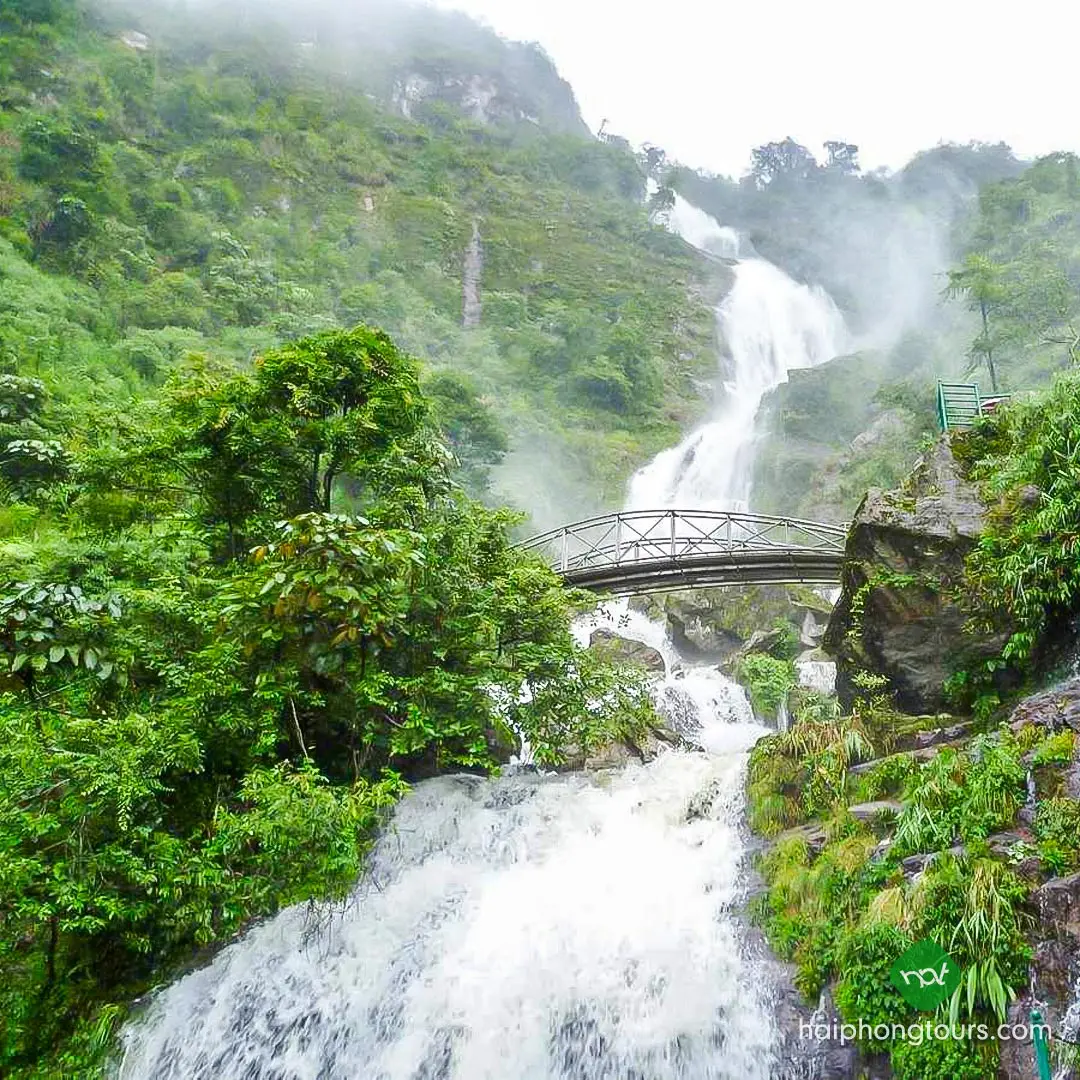
Hire a vehicle for a short out-and-back journey rather than joining a fast multi-stop circuit. Ask the driver to wait, and inspect the surface before leaving the vehicle.
Use Sapa town for culture and recovery
Sapa’s central square, stone church exterior, lake, market area and cafes can fill several unhurried hours. Town streets are hilly, so map a short loop that ends close to the hotel rather than assuming the center is flat.
A Red Dao herbal bath or massage can be a restful cultural experience when the business explains ingredients, heat, privacy and access. It is not appropriate for every health condition; request clinical advice when heat exposure or herbal products may be a concern.
For a creative half-day, compare the batik and indigo workshops in Sapa. You can choose wax drawing or introductory dyeing without adding a village trek; confirm the session location, language and physical access before booking.
Plan food as an activity
Hotpot, grilled dishes and a slow cafe meal let you experience Sapa without adding elevation. Confirm ingredients and broth when allergies, vegetarian food or religious requirements matter.
The Sapa hotpot guide explains salmon, sturgeon and practical ordering. Keep the evening close to the hotel because fog and rain can make short slopes harder after dark.
A realistic two-day no-trek itinerary
- Day 1 morning: arrive, leave luggage and take a short orientation loop in town.
- Day 1 afternoon: choose one cafe, market visit or herbal-bath session.
- Day 2 morning: use the Fansipan rail and cable-car system if the weather and operation are suitable.
- Day 2 afternoon: take a private vehicle to one roadside viewpoint or village edge.
- Day 2 evening: eat near the accommodation and prepare for the onward transfer.
Switch the two main activities when the summit forecast is poor. Do not force Fansipan and a long road circuit into the same day.
Choose accommodation for gradients, not only views
A panoramic hotel can sit below or above the center on a steep road. Ask for the entrance gradient, elevator coverage, steps between reception and the room, and whether a car can stop at the door.
Travelers who want door-to-door travel from the capital can compare the verified private Hanoi-to-Sapa transfer. The current service lists pickup in Hanoi, drop-off in Sapa and vehicle choices based on passenger and luggage capacity.
A good no-trek Sapa trip uses transport to reach scenery and protects enough energy to enjoy it. It does not relabel steep village paths as easy simply because they are famous.
Useful guides for your trip
Would you like help fitting this experience into your trip? Contact us with your travel dates, starting point, available time and group size. Tell us about walking limits or special interests so we can suggest a practical itinerary.