
North Vietnam can be planned for travelers who are sensitive to noise, crowds, touch, light, food textures or sudden changes, but “sensory-friendly” is not a standardized label across hotels and tours. The most reliable approach is to identify exact triggers, use private or low-change transport where it matters, and keep a quiet recovery space available every day.
Hanoi’s traffic and narrow Old Quarter streets can be intense. Mountain roads, boat engines, markets, karaoke and group-tour schedules create different challenges. A good itinerary reduces exposure rather than trying to eliminate every unpredictable moment.
Start with a personal sensory plan
Two travelers with the same diagnosis may need opposite arrangements. One may prefer a predictable group schedule; another may need the ability to leave immediately. Write a short plan covering:
- Most difficult sounds, lights, smells, textures or crowd situations
- Early signs of overload
- What helps during recovery
- Food and medication requirements
- Communication preferences
- Whether unexpected touch or physical guidance is acceptable
- A phrase a companion can use to pause or end an activity
Share only the parts a hotel, guide or driver needs. A concise request such as “quiet room away from elevator and karaoke, no room-entry service before calling” is easier to act on than a broad label.
Choose fewer bases
Use three main bases for a 10- to 12-day first trip: Hanoi, Ninh Binh and one coast or countryside destination. Add a mountain only when long winding roads, cooler conditions and variable visibility are acceptable.
A stable pattern is:
- Hanoi: 3 or 4 nights in one quiet room
- Ninh Binh: 3 nights with one boat day and one recovery half-day
- Ha Long, Lan Ha, Cat Ba or Hai Phong: 2 or 3 nights
- Hanoi or departure city: final buffer night
Repeated check-in, unfamiliar bathrooms and uncertain transfers can use more capacity than the attraction itself. Remove one destination before removing recovery time.
Hanoi: reduce intensity by location and timing
The Old Quarter combines horns, scooters, cooking smells, pedestrians, vendors and uneven walking space. It is culturally rich but not the only place to stay. A room near Hoan Kiem or in a quieter residential area can provide access without placing the bed above the busiest lane.
Visit popular areas early, before the strongest heat and visitor volume. Use a car for crossings that would require a long walk in dense traffic. Plan a hotel break after the first major activity rather than waiting for overload.
Ask the hotel about construction, karaoke, bar floors, connecting doors, elevator location and street-facing windows. Request a room inspection or change immediately if the assigned room conflicts with a confirmed requirement.
Accommodation checks
- Exact room location and distance from lift, stairs and housekeeping store
- Street, bar, pool, temple bell, rooster or construction noise
- Blackout curtain and controllable bedside lighting
- Air-conditioning or heating noise
- Smell from smoking areas, kitchen or cleaning products
- Bathroom fan, water temperature and shower pressure
- Ability to decline housekeeping or schedule it
- Private balcony safety and external noise
- Simple food available nearby
“Quiet room” can mean a high floor with a loud rooftop venue. Ask about the specific noise source you want to avoid.
Transport choices
Shared vans and buses can involve horns, music, air-conditioning changes, pickup delays, phone calls and several stops. Trains provide more movement space but stations and boarding can be busy. A private vehicle offers control over stops, temperature and audio, though traffic remains outside your control.

If private travel solves a real sensory or mobility need, compare the exact direction in the HPT transfer directory. Tell the operator in writing if you need no music, minimal conversation, a front or rear seat, regular breaks or advance warning before stops.
Carry headphones or ear protection, sunglasses, familiar snacks, water, a light layer and a small comfort item in the day bag. Keep essential medication and communication tools with you rather than in the luggage compartment.
Ninh Binh: use space and flexible timing
Ninh Binh offers open landscapes and quieter accommodation, but boats, temples and viewpoint steps can become busy. Stay two or three nights so the main activity can move to a calmer time or better weather window.
A boat ride involves sitting in one position, other boats, voices, water reflection and limited ability to leave early. Ask about approximate duration, boat arrangement, shade and bathroom access. Choose one route rather than stacking Trang An and Tam Coc.
A private car can wait nearby during land-based visits, while a bicycle creates independence only when traffic and balance feel comfortable. A garden, pool or room break is a legitimate part of the itinerary.

Bay cruise decisions
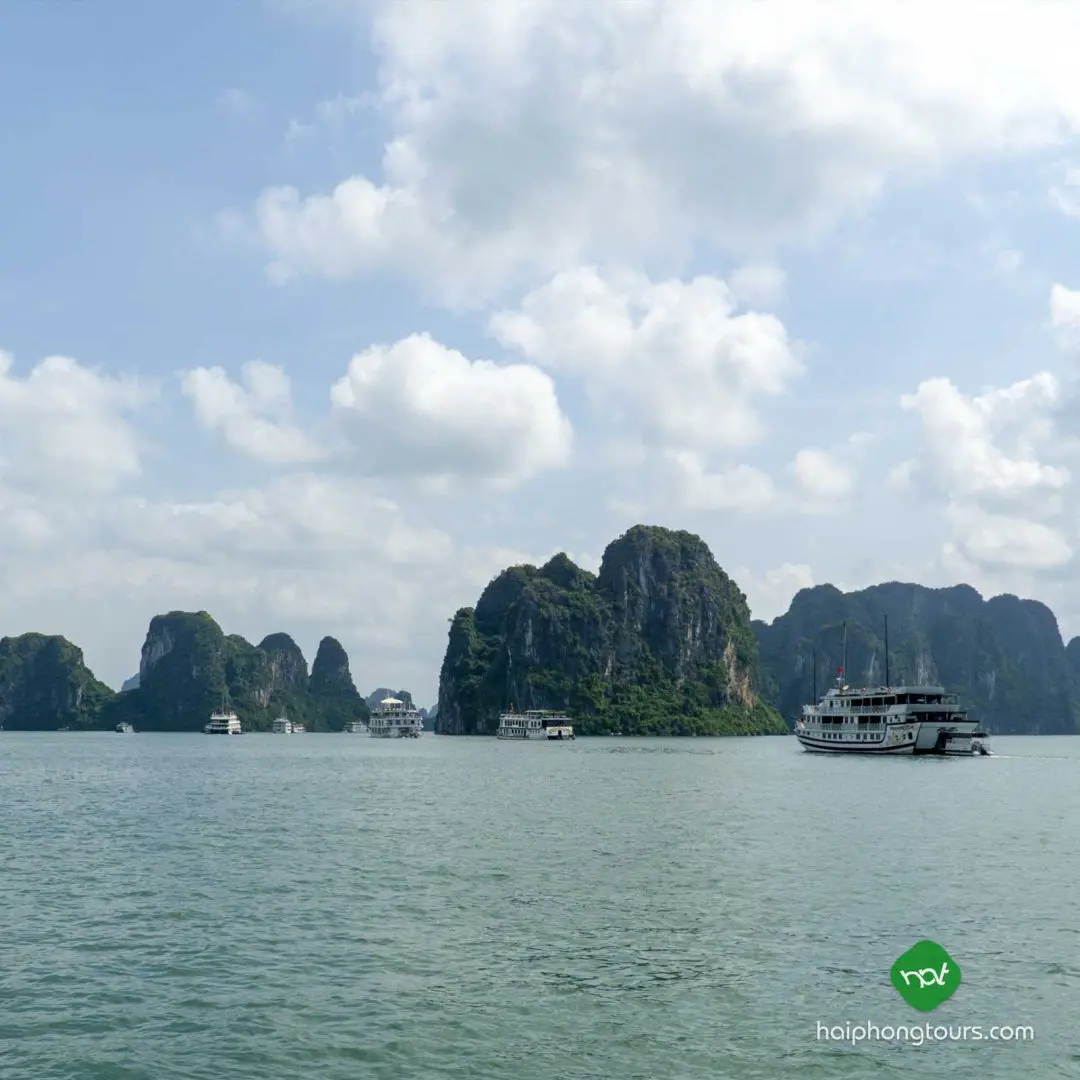
A cruise adds engines, announcements, dining-room noise, group activities and fixed timing. It can also reduce daily decisions because room, meals and route are organized. Decide which side of that trade-off helps you.
Ask the operator:
- Passenger capacity and typical group size
- Cabin location relative to engine, generator, restaurant and speaker
- Whether announcements enter the cabin
- Meal seating and possibility of a quieter table
- Music, karaoke or evening-program schedule
- Ability to skip kayaking, cave visits or group games
- Boarding through a busy port or tender boat
- Food texture and allergy arrangements
- Weather-change process
A private day vessel can reduce the number of unrelated passengers and allow a shorter program, but it cannot remove port crowds, engines or weather. The active Private 4 Hour Halong Bay Day Cruise is a time-limited option to compare after checking port and return logistics. Bai Tu Long is too far for an HPT day cruise and requires an overnight itinerary.

Markets, festivals and nightlife
Markets combine voices, music, animals, food smells, close movement and photography. Visit early, set a short first interval and identify a café or vehicle where you can leave. A guide can explain what is happening and help find a quieter edge, but should not pressure you to stay.
Festivals and night markets may be the wrong choice during a high-load day. Use a calm restaurant, lake walk or room meal instead. You do not need to complete every “local experience” to have a meaningful trip.
Food and texture planning
Vietnamese meals can include mixed textures, herbs, bones, shellfish, strong aromas and shared plates. Identify several simple foods you can reliably eat and keep a translated card for allergies or strict restrictions.
Plain rice, bread, eggs, fruit, simple noodles or grilled items may be easier, but preparation and cross-contact vary. Show a clear written request and confirm the specific dish. Carry familiar emergency snacks for transfers rather than expecting every stop to have a suitable option.
Guides and communication
Tell the guide how to communicate changes. Useful requests include:
- Give a 10-minute warning before departure
- Explain the next three steps at the start
- Ask before touching or physically guiding
- Use literal instructions instead of jokes during safety moments
- Provide a quiet waiting place when the group enters a crowded site
- Accept the agreed pause signal without discussion
A private guide offers more control, but a predictable small group can suit travelers who like a fixed structure. The guide’s willingness to understand the request matters more than the marketing label.
Build a recovery kit
- Earplugs and over-ear protection
- Sunglasses or cap
- Soft familiar layer
- Water and reliable snack
- Medication in original packaging
- Power bank and offline hotel details
- Communication card in English and Vietnamese
- Small unscented hygiene items if fragrance is a trigger
Keep the kit consistent and reachable. A companion should know where it is without removing control from the traveler.
Plan for change without creating constant uncertainty
Use Plan A and one simple Plan B. For example, Plan A is a morning boat ride; Plan B is a quiet temple ground and hotel lunch. Avoid presenting five alternatives at the moment of disruption.
Weather can change mountain and marine plans. Explain the decision point in advance: “We will check at 7:00; if the cruise is suspended, we stay in Hai Phong.” This creates a predictable process even when the outcome is uncertain.
Have a calm plan for overload
Agree on a short signal that means pause or leave, identify a quiet fallback before entering a busy place and keep the next commitment movable. During overload, reduce speech and decisions, move away from traffic or speakers and use the traveler’s established recovery method.
The home-routine guide helps preserve familiar meals, sleep cues and downtime between higher-intensity days.
Common mistakes
- Staying above a bar because the room review says “central”
- Scheduling both a market and night market on one day
- Assuming private transport removes all road noise
- Booking a cruise without cabin-location details
- Using overnight buses to save every hotel night
- Waiting for overload before returning to the hotel
- Describing needs only with a diagnosis instead of practical requests
- Changing hotels every night
Frequently asked questions
Is Hanoi too overwhelming?
It can be intense, but location, timing and transport make a large difference. Use short early visits, a quiet room and a recovery break. You can enjoy Hanoi without spending every hour in the Old Quarter.
Is a private tour always better?
No. It provides control over pace and breaks, while a fixed group may provide useful structure. Choose the format that matches the traveler and confirm how changes are handled.
Which destination is calmest?
No place is consistently calm. A rural property may have animals or karaoke; an urban hotel may have excellent soundproofing. Verify the exact room and daily setting. The quiet alternatives guide compares destinations and their trade-offs.
Can a sensory-sensitive traveler take a cruise?
Yes, when the vessel, cabin, announcements, meals and activities are suitable. A day cruise is easier to test, while an overnight cruise reduces transfers but adds more fixed group time.
Final decision
Create a three-base route, confirm the exact room and transport environment, and protect a quiet recovery period every day. Ask operators for concrete arrangements instead of a sensory-friendly label. North Vietnam becomes more manageable when the traveler knows what happens next and can leave an activity without losing the whole trip.
The North Vietnam guide for blind and low-vision travelers covers hotel orientation, guided street movement, transport and boat access.
Light, sound, smell and disrupted routine can also interact with migraine. The North Vietnam migraine travel guide covers trigger planning, quiet rooms and recovery options.
Would you like help fitting this experience into your trip? Contact us with your travel dates, starting point, available time and group size. Tell us about walking limits or special interests so we can suggest a practical itinerary.