
Yes, you can usually skip kayaking, a cave visit, an island hike, swimming, or an onboard cooking demonstration on a Halong Bay, Lan Ha Bay, or Bai Tu Long Bay cruise. However, an activity being optional does not automatically mean you may remain on the main cruise ship with access to your cabin, lounge, and toilet.
Cooking demonstrations and other onboard activities are the easiest to skip. Off-boat excursions need more planning, especially on a 3-day 2-night itinerary that may send continuing guests out on a day boat while the main vessel follows a separate operating schedule. Ask about the exact activity, vessel, and facilities in writing before booking if staying onboard is important.
Quick guide to the activities you can usually skip
- Cooking demonstration, Tai Chi, and squid fishing: These normally take place on the cruise and are voluntary. You can generally rest in your cabin or another available guest area instead.
- Kayaking: You may be able to take a bamboo boat or sampan, ride on the excursion tender, or skip the stop. The available alternative depends on the location and cruise program.
- Cave and island visits: Participation is usually optional, but permission to stay on the main ship must be confirmed. The group may use a tender to reach the cave or island.
- Day-two excursions on a 3-day cruise: Do not assume the main ship or your cabin will remain available. Many programs use a smaller day boat, transfer cruise, or speedboat for several hours.
- Activities on a day cruise: Do not assume a private cabin is included. Unless you have separately confirmed daytime room access, ask which indoor or shaded area and public toilet remain accessible while the group is ashore.
Why “optional” does not always mean “stay on the main boat”
Cruise descriptions often call kayaking, swimming, Tai Chi, or a cooking class optional because no guest is forced to participate. That word describes the activity, not the ship’s operating plan.
For a simple onboard class, you are already on the main vessel and can step away. A cave or kayaking stop is different: guests may board a tender, speedboat, or day boat that follows a separate route. The main vessel may remain nearby, reposition, or continue its scheduled turnaround.
This distinction matters for travelers with limited mobility, seasickness, young children, or anyone who wants a quiet cruise rather than a full excursion schedule. Ask where you will wait, not only whether the activity is optional.
When the main cruise ship may not be available
Day two of a 3-day 2-night itinerary
This is the most important situation to check. Many three-day programs transfer continuing passengers to a smaller vessel after breakfast. That day boat may carry the group to a village, beach, cave, or kayaking area and serve lunch before returning to the main cruise in the afternoon.
The transfer may be a central part of the day’s operation rather than one short activity. If you decline it, the operator may not permit you to stay alone on the main cruise, and your cabin may not be available while that vessel handles its other scheduled movements. Other cruise designs do allow guests to remain onboard, so obtain an answer for the exact ship and departure date.
An excursion reached only by tender or speedboat
Large cruise ships cannot approach every cave, lagoon, beach, or island. Guests may first transfer to a smaller craft. You might be able to stay on the main vessel, but the excursion tender itself may be the only transport assigned to the group at that time.
If you plan to ride the tender but skip the walk, confirm that the tender will remain at the landing place or provide a sightseeing option. It may unload guests and return later rather than wait beside the pier.
A final-morning excursion near checkout time
Some cruises visit a cave early on the final morning and ask guests to check out soon afterward. Even when you skip the excursion, the cabin may need to be vacated at the scheduled time so the crew can prepare for the next departure.
Ask whether you can use the cabin during the excursion and where you should wait after checkout. A lounge may be available, but it should not be assumed from the presence of a lounge on the deck plan.
Can you skip the cooking class?
Yes. A cruise cooking class is usually a short demonstration or hands-on session held in the restaurant, lounge, or on the sundeck before dinner. It is an onboard activity, so skipping it normally requires no boat transfer or special arrangement.
You can rest in your cabin, use an open public area, or watch without participating. The dinner schedule remains separate, so check when the restaurant expects guests to return. The same practical approach usually applies to Tai Chi, happy hour, live music, games, and squid fishing.
Can a bamboo boat replace kayaking?
Often, but not at every kayaking stop. Luon Cave in Halong Bay and Dark and Bright Cave in Lan Ha Bay commonly have a choice between a self-paddled kayak and a locally rowed bamboo boat or sampan. Some village and lagoon programs in Bai Tu Long Bay also offer a rowed-boat option.
A bamboo boat removes the need to paddle, but it is still an off-boat activity. You must transfer down into a small craft, wear the required life jacket, and sit on a low bench exposed to the weather. It should not be treated as a step-free or universally accessible alternative.
At an open-water kayaking area or beach, no bamboo boat may operate. The alternative may be a sightseeing ride on the tender, staying at the beach, or remaining on the cruise if approved. Also confirm whether the bamboo boat is included in your package or paid separately.
Will the lounge and toilets stay open?
Lounge access
Some cruises designate an indoor lounge for guests who do not join an excursion and may serve afternoon tea there. This is useful evidence that staying onboard is an established option on that specific itinerary. It is not an industry-wide rule.
A restaurant, bar, spa, pool, or air-conditioned lounge may have limited hours while the crew cleans or prepares the next service. Ask for the name and deck of the waiting area, whether it is indoors or shaded, and whether a staff member will be available.
Toilet and cabin access
On an overnight cruise, your en-suite bathroom will normally remain available until the published cabin checkout time if you are allowed to stay on the same vessel. It will not help if the day’s program requires you to travel on another boat.
A day boat may have a toilet, but its size, steps, doorway, handholds, and cleanliness can differ greatly from facilities on the main ship. A short tender, kayak, or bamboo boat may have no toilet. On a day cruise, ask where the nearest public restroom is and whether it remains open during each stop.
If toilet access is medically important or you cannot use stairs, request current photos and exact measurements for every vessel you are expected to board. A general statement that the main cruise has a restroom is not enough.
Questions to send before you book
- Can I skip this exact cave, island, or water activity and remain on the main cruise ship?
- Does any part of the itinerary use a tender, speedboat, transfer cruise, or day boat?
- On day two of a 3-day 2-night cruise, where is the main ship while guests use the day boat?
- If I stay onboard, can I use my cabin until the normal checkout time?
- Which lounge or shaded seating area remains open, and is it air-conditioned?
- Which toilet can I use on the main ship, day boat, and at the excursion stop?
- Is a bamboo boat available instead of kayaking at this particular location, and is it included?
- Will a crew member tell me when the group returns and when I need to be ready for the next part of the program?
Describe the reason for your request when it affects safety or comfort. Mention walking limits, stair use, balance, wheelchair dimensions, motion sickness, heat sensitivity, or the need for frequent toilet access. A precise request is more useful than asking whether the cruise is generally suitable for seniors or families.
Which cruise length is easiest if you want to skip excursions?
A 2-day 1-night cruise is often the simplest overnight format. You have a private cabin for rest, and there is no full middle day that automatically requires a separate day-boat plan. You still need confirmation for each afternoon and final-morning excursion.
On a standard sightseeing day cruise, plan around public seating and toilets unless the booking specifically includes a private room. HPT’s day yacht with optional private-room access offers a paid room option; confirm availability, permitted use and the additional charge for your date. Having a room does not by itself confirm that you may remain onboard during every excursion, so still obtain the waiting arrangement.
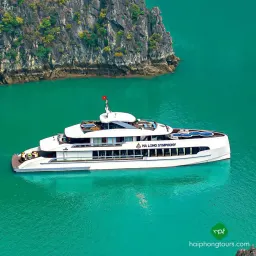
A 3-day 2-night cruise provides more time on the bay, but choose it only after checking the complete day-two vessel plan. You can compare current day and overnight cruise itineraries, then request written confirmation for the exact ship rather than relying on a general activity list.
Frequently asked questions
Can I decide to skip an activity after boarding?
You can usually decide on the day for a simple onboard activity. If remaining on the main vessel affects mobility assistance, childcare, meals, medication, or toilet access, arrange it before booking and reconfirm with the cruise manager after boarding.
Will I receive a refund for an activity I skip?
Do not expect an automatic partial refund when activities and entrance fees are bundled into the cruise package. Ask about the operator’s terms before paying if the activity represents a meaningful part of the package price.
Is a bamboo boat always easier than a kayak?
It requires less physical effort because someone else rows, but boarding can still involve steps, a height difference, and a moving gap between vessels. Confirm the transfer method and seating rather than treating a bamboo boat as an accessibility guarantee.
Plan the quiet version of the cruise in advance
You do not need to complete every activity to enjoy the limestone scenery. The most reliable plan is to separate onboard activities from off-boat excursions, identify every vessel used, and confirm your cabin, lounge, toilet, and staff arrangements for the periods you intend to rest.
For a short cooking demonstration, skipping is normally straightforward. For kayaking or a cave visit, confirm whether a bamboo boat or tender ride is available. For the middle day of a 3-day cruise, never assume the main vessel will wait or remain open to guests without written approval.