
Son La is a useful stop on a northwest Vietnam road trip if you want to visit a former colonial prison, learn about local cultures, and eat northern mountain food. For a first visit focused on the city, allow one full sightseeing day between your arrival and departure days.
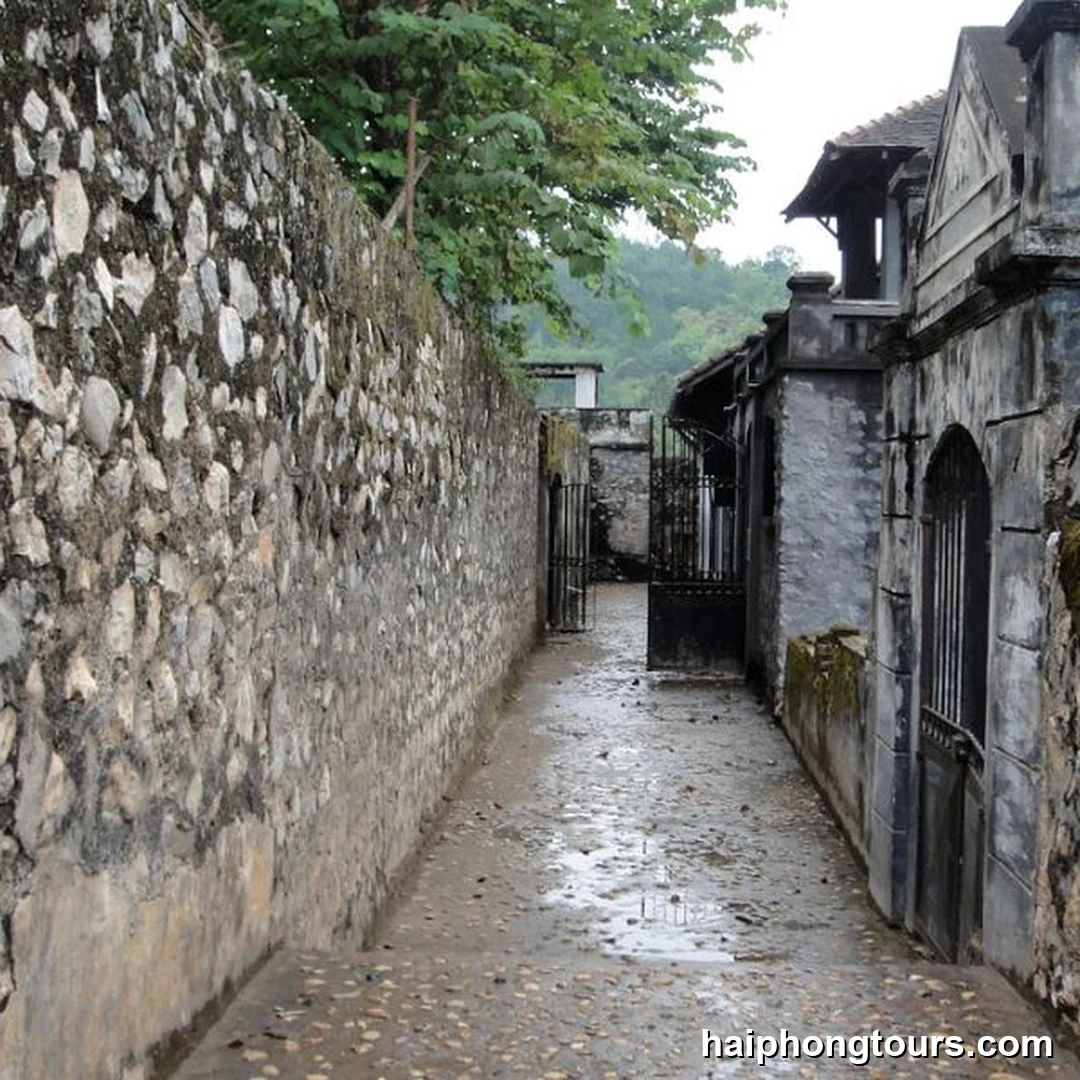 The former Son La Prison is one of the city’s central historical stops.
Be clear about which Son La you are booking: the city and the wider province cover very different trips. Moc Chau’s plateau, Ta Xua’s mountain viewpoints, and the Son La hydropower reservoir are separate destinations. A hotel in one of these areas will not put you close to all the others.
Choose your base before planning the sights
- Central Son La: choose this for Son La Prison, the provincial museum, Que Lam Ngu Che, and a short cultural stop along the northwest road route.
- Ban Mong: consider the village area for a quieter stay or a hot-bath visit, provided you have confirmed a specific host and facility.
- Moc Chau: choose a separate stay for the plateau, farms, and seasonal orchard visits. It lies on the National Highway 6 approach from Hanoi, well before central Son La.
- Ta Xua: give this mountain trip its own accommodation and transport plan. It is not a convenient extra stop between two city attractions.
- Muong La: add time for the hydropower and reservoir area. Arrange any plant visit or boat outing before committing a day to it.
If you have only a weekend from Hanoi, choose one main destination. Trying to cover Moc Chau, Son La city, and Ta Xua in two days leaves little time outside the vehicle.
When to go
The city’s historic sites do not depend on a flower or harvest season. Choose dates around comfortable walking weather and a manageable road journey; a forecast of persistent heavy rain matters more than a generic list of the “best months.”
Bring layers for cool mornings and winter evenings, plus rain protection for outdoor sections of the prison and temple grounds. During wet weather, allow extra travel time and ask your driver about current road restrictions, landslides, and visibility on the mountain approaches.
If flowers or fruit orchards are the main reason for your trip, book in the relevant part of Moc Chau and check the actual orchard’s conditions shortly before departure. A bloom calendar for the plateau does not describe what you will see in central Son La. Likewise, a clear morning in the city does not guarantee cloud views at Ta Xua.
Getting to Son La from Hanoi
The main road corridor follows National Highway 6 toward Moc Chau, Yen Chau, Mai Son, and Son La. Treat the journey as a substantial travel day. Mountain bends, meal breaks, weather, and roadworks can make a simple distance-based arrival estimate misleading.
For a cultural stop along that corridor, the Yen Chau Thai culture and mango guide explains weekend visits to the Ban Dan preservation house, separately arranged weaving and seasonal Thin Kha orchard experiences. Confirm the receiving time before adding the stop to your drive.
By intercity bus
When comparing Hanoi departures, ask for a service to Son La city and the exact drop-off location. A bus advertised broadly for Son La province may serve a different destination, while a through-service may leave you outside the center.
Hải Vân Xuân Tráng runs daytime and overnight services taking roughly seven hours. Reference fares on checked departures were VND 365,000 for a standard 34-berth sleeper and VND 400,000–450,000 for a premium 24-berth vehicle. Confirm your actual berth’s price rather than a headline “from” fare.
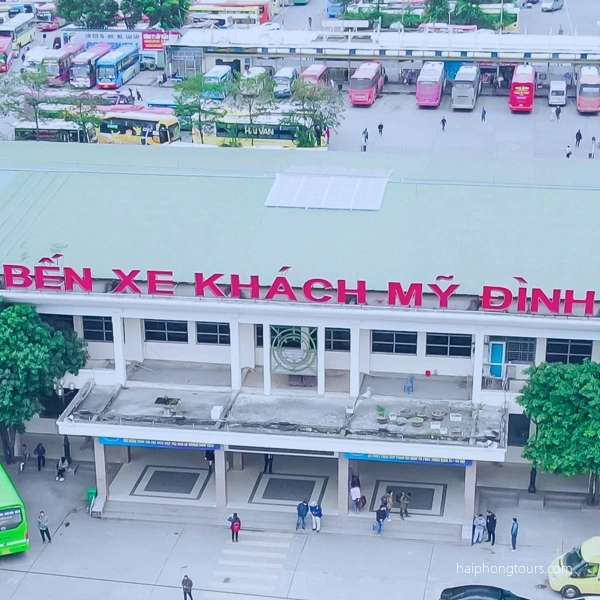
Hanoi boarding choices include My Dinh Bus Station, 20 Pham Hung, 35 Nguyen Tuan, and 10 Chau Van Liem, depending on the trip. These are separate locations: keep the confirmed boarding address with your ticket.
Timetable examples include 08:30–15:35 and 21:30–04:35 the following morning. Recheck your date and allow extra time for delays and hotel delivery. Choose the arrival window as carefully as the vehicle.
The morning option uses most of a day but makes it easier to arrive when reception is open and settle in before dinner. An overnight sleeper saves daytime travel hours only if you can rest aboard and have somewhere to go on arrival. Hai Phong Tours recommends agreeing on early room access before choosing a pre-dawn arrival; leaving bags at reception is a different arrangement from having a bed.
Central-city delivery is offered on eligible bookings, but a ticket may still specify Son La Bus Station. Confirm your hotel’s inclusion and any connecting vehicle.
Keep the onward journey separate when staying outside town. A city-delivery promise should not be interpreted as transport to Ngoc Chien, Quynh Nhai, or a remote homestay. Send the final accommodation pin to your host and agree on the remaining ride before departure.
Before paying, also check the berth’s usable length, upper or lower position, seat belt, and luggage allowance. A premium cabin label does not establish that two adults can share it comfortably. Send suitcase dimensions and any mobility needs in advance, and keep medication, documents, and valuables with you rather than in the luggage compartment.
By car with a driver
A private car is useful when you want an overnight stop in Moc Chau or have luggage that would make several transfers awkward. Request a quote covering the actual route, sightseeing stops, driver accommodation where needed, and the return or onward journey.
For a Moc Chau stop built around the glass bridge, read the guide to visiting Bach Long Glass Bridge before choosing attraction tickets and driver waiting time.
Ask the driver to check restrictions before departure. Keep viewpoints and meal stops flexible, and avoid booking a tightly timed activity immediately after the Hanoi journey.
Getting around after arrival
Use short car rides between the main city sites if you prefer to limit walking. For Ban Mong or Muong La, agree on the destination, waiting time, and return pickup before leaving. A one-way ride does not ensure that a vehicle will be waiting when you finish.
What to see in and around Son La city
Son La Prison and the provincial museum
Start on Khau Ca Hill in the To Hieu area. The former French colonial prison preserves the setting of imprisonment and resistance, with surviving structures, cells, and historical displays. Give the visit enough time to understand the site rather than treating it as a quick photograph stop.
The provincial museum adds a broader introduction to the area’s archaeological and cultural heritage. These are complementary visits: the prison focuses on political imprisonment and revolutionary history, while the museum helps place the surrounding region in context.
Allow a morning as a practical starting point, then adjust to your interest. Check the day’s opening sessions and whether an English-speaking guide can be arranged. If you need to avoid steps or uneven surfaces, ask about the accessible route before buying tickets.
The Son La Prison and Museum guide explains surviving and reconstructed spaces, the Suoi Reo newspaper and the separate memorial locations. Allow time for historical interpretation and plan around the midday break.
Que Lam Ngu Che and the temple of King Le Thai Tong
This historic inscription and temple complex makes a useful second stop in the To Hieu area. It introduces an earlier chapter of the region’s history and offers a different setting from the prison exhibits.
Use the full Vietnamese destination name, Quế Lâm Ngự Chế – Đền thờ vua Lê Thái Tông, when arranging a ride. Dress respectfully, follow the route indicated on site, and ask before photographing worship or entering a restricted area.
Ban Mong hot springs and village visits
Ban Mong is associated with hot-spring bathing and Thai community tourism. For a short visit, arrange a bath or meal with a named host before traveling there. This is more useful than arriving with only a general map pin for the village.
Ask whether the bath is private or shared, what the price includes, and whether towels and changing facilities are available. Check the water temperature yourself before entering and keep the experience comfortable; a mineral bath should not be treated as a cure for a skin condition.
If you want a village meal or cultural activity, agree on the menu, timing, and group size in advance. Performances and hands-on activities are not something to assume will be available on demand.
Tham Tat Tong Cave
The cave name is also written Thẳm Tát Tòng. Before adding it to your route, ask locally about the permitted approach, current conditions, and whether someone familiar with the site can accompany you.
Do not plan around an assumed lit walkway or routine guided departure. Skip cave entry during heavy rain or uncertain water conditions, and do not follow an unfamiliar stream passage on your own. For a short first visit, the established historic sites are easier to plan reliably.
Adding the Son La hydropower and reservoir area
The hydropower plant is in the Muong La area, outside the city sightseeing circuit. Reserve a separate day if this is a priority, with transport arranged for the whole outing.
The plant is an operating, controlled facility. Confirm whether visits are being accepted, what permission or identification is needed, and which areas you may enter or photograph. Do not arrive expecting unrestricted access to the turbine hall.
A reservoir boat trip is a separate arrangement. Confirm the departure point, vessel, life jackets, weather decision, total price, and return time with the actual operator. If the plant visit or boat is unavailable, decide whether the remaining road excursion still interests you before setting off.
The Quynh Nhai reservoir guide explains Pa Uon boat departures, Heart Island and the separate Ban Bon village outing. Choose the landing, overnight base and main activity together; a sightseeing boat does not automatically include access inside the hydropower plant.
Ngoc Chien as a separate mountain stay
The Ngoc Chien hot-spring and village guide compares a Ban Luot valley base with the higher Hmong village of Nam Nghep. Give it its own overnight and road plan rather than adding a distant bath to a full Son La city day.
Where to stay
For a first visit centered on the historic sites, a city hotel keeps arrival, meals, and local transport simpler. Compare the exact map position with your planned stops, and ask about room access, hot water, breakfast, and reception hours.
Phuong Nam Hotel on Hai Ba Trung Street is a central option to contact. Confirm the current location pin, room type, and total rate directly before booking, especially if arriving early from an overnight bus.
Choose a village stay when the host’s meals and setting are part of the experience you want. Before paying, establish whether you are booking a private room or shared sleeping space, a private or shared bathroom, and transport to the property. A low nightly rate can be less useful if each city visit requires a separate car.
What to eat
For an introductory meal, order a grilled fish dish, sticky rice, and cooked vegetables to share. Ask about chili, bones, and the ingredients in dipping sauces before ordering, particularly if you have dietary restrictions.
- Pa pinh top: fish folded and grilled with herbs and spices. Expect bones; ask the restaurant to explain the fish and portion size.
- Smoked buffalo meat: a chewy, strongly seasoned specialty. When buying it to take away, follow the seller’s storage and preparation instructions.
- Moc Chau be chao: fried veal, useful to look for during a plateau stop. It is not a milk or colostrum dish.
- Moc Chau salmon: often offered in a set of several preparations. Ask which are cooked and how many people the set serves.
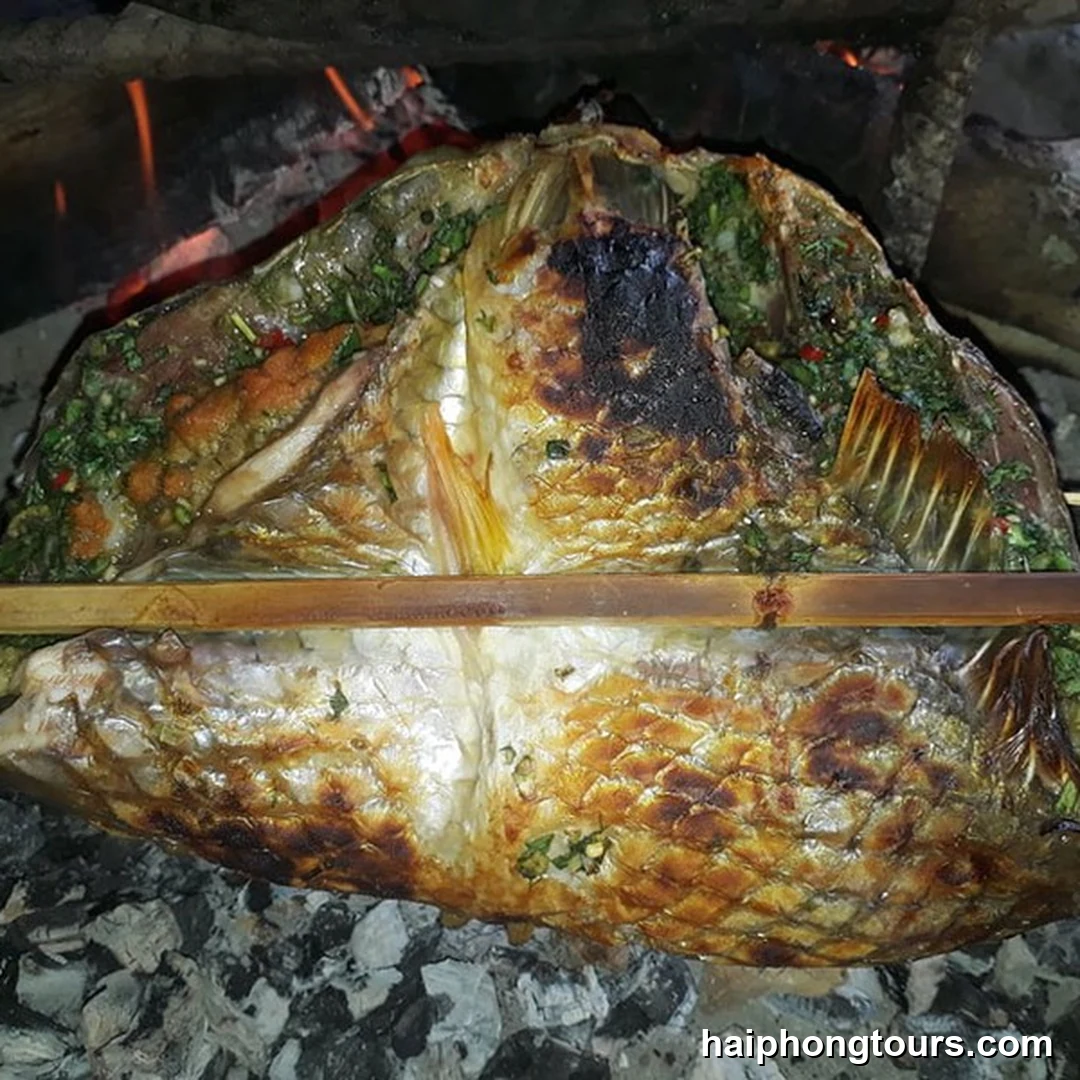
If you are stopping in Moc Chau on the way, Dong Hai Restaurant on Tran Huy Lieu Street serves local dishes including be chao and pa pinh top. Contact or and request its current map pin. This is a Moc Chau meal stop, not a restaurant beside the Son La city attractions.
A practical three-day plan from Hanoi
Day 1: Travel to Son La
Leave Hanoi with time for rest and meal breaks, then settle into a city hotel. Keep the evening for dinner and confirming the next day’s opening times and local transport. Add a proper overnight stop if you want to explore Moc Chau en route.
Day 2: History and one local experience
Spend the morning at Son La Prison and the provincial museum. After lunch, visit Que Lam Ngu Che and the temple of Le Thai Tong.
If you have arranged it and the timing works, finish with a bath or meal in Ban Mong. Otherwise, keep the afternoon relaxed in the city. Do not add the reservoir excursion or an unplanned cave visit to an already full day.
For an outdoor alternative close to the city, the Rung Vang bamboo-forest guide covers a shorter walk and an arranged regional meal in Noong Duc. Choose it in place of another afternoon outing rather than adding every stop to the same day.
Day 3: Return or continue your northwest route
For an onward journey toward Dien Bien, the Pha Din Pass stops and market guide helps you choose a garden, memorial or hosted Ban Long visit. Pha Din Top has a weekly Saturday market, while Ban Long’s separate market runs on the last Saturday of the month; confirm the actual venue before arranging a detour.
Use the day for the road journey back to Hanoi or your next destination. If the Muong La reservoir is a main interest, add another day rather than squeezing it in before a long onward drive.
Before booking, settle three things: your overnight base, the exact arrival and departure points, and any experience that requires advance arrangements. With those decisions made, Son La works well as a focused cultural stop with time to enjoy the places you came to see.
Would you like help fitting this experience into your trip? Contact us with your travel dates, starting point, available time and group size. Tell us about walking limits or special interests so we can suggest a practical itinerary.