Tay Dang Communal House suits a focused visit for wooden architecture and folk sculpture west of Hanoi. Plan around an hour at the site, plus a separate road journey. It works best as a deliberate cultural stop in the Son Tay and Ba Vi area, with time to look closely rather than collect another temple photograph.
Use the Vietnamese name Đình Tây Đằng and the location Dong Hamlet, Quang Oai, Hanoi when arranging transport. Older listings may still say Tay Dang town, Ba Vi district. The site is roughly 50 km west of central Hanoi; check the route from your actual hotel before fixing departure and return times.
What makes Tay Dang worth the journey
Tay Dang’s surviving timber architecture belongs to the 16th-century Mac period. The communal house honors Tan Vien, Cao Son and Quy Minh, protective figures in local belief. A đình serves village worship and communal life; it is different from a Buddhist pagoda.
Start with the relationship between the semicircular pond, ceremonial pillars, courtyard and broad, low roof. The main hall’s 48 timber columns carry an unusually expressive carved structure. Look upward at the beam ends and brackets, while staying within the areas open to visitors.
The carvings combine sacred creatures with recognizable human activity. Alongside dragons, look for scenes of rowing, carrying children and riding elephants. The interest is in how the figures move and interact, not simply their age. A guide who understands Vietnamese architecture can help explain particular scenes without turning every image into the same legend.
Look closely without disturbing the building
- Compare a carved creature with a human scene: notice posture, expression and the way the carving fits the timber.
- Step back to see how the roof and columns relate before taking close-up photographs.
- Use camera zoom rather than touching a carving, climbing a base or leaning against old wood.
- Ask before photographing altars or people, and leave the ceremonial route clear.
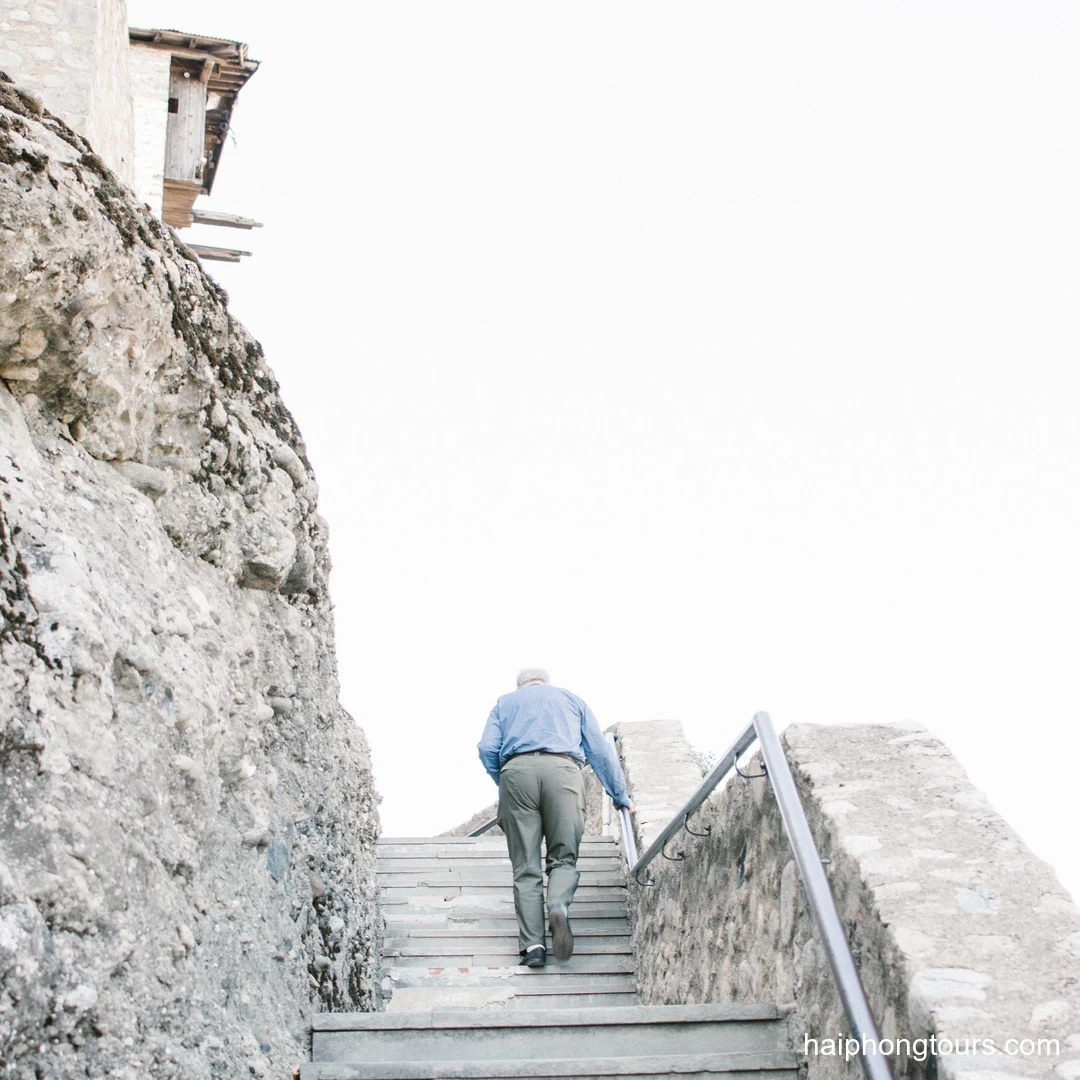
The main hall stands above the courtyard and is reached by steps. Travelers who need step-free access should ask about the actual entrance and permitted viewing areas before setting out. Keep children beside you around the pond and raised edges.
Plan an ordinary visit or a festival visit
For architectural detail, Hai Phong Tours suggests a daylight visit with a flexible schedule. Check access on arrival with the caretaker, especially before entering worship spaces. If seeing the interior is the main reason for the journey, have your hotel or guide confirm that day’s arrangements first. An open courtyard does not guarantee access to every part of the hall.
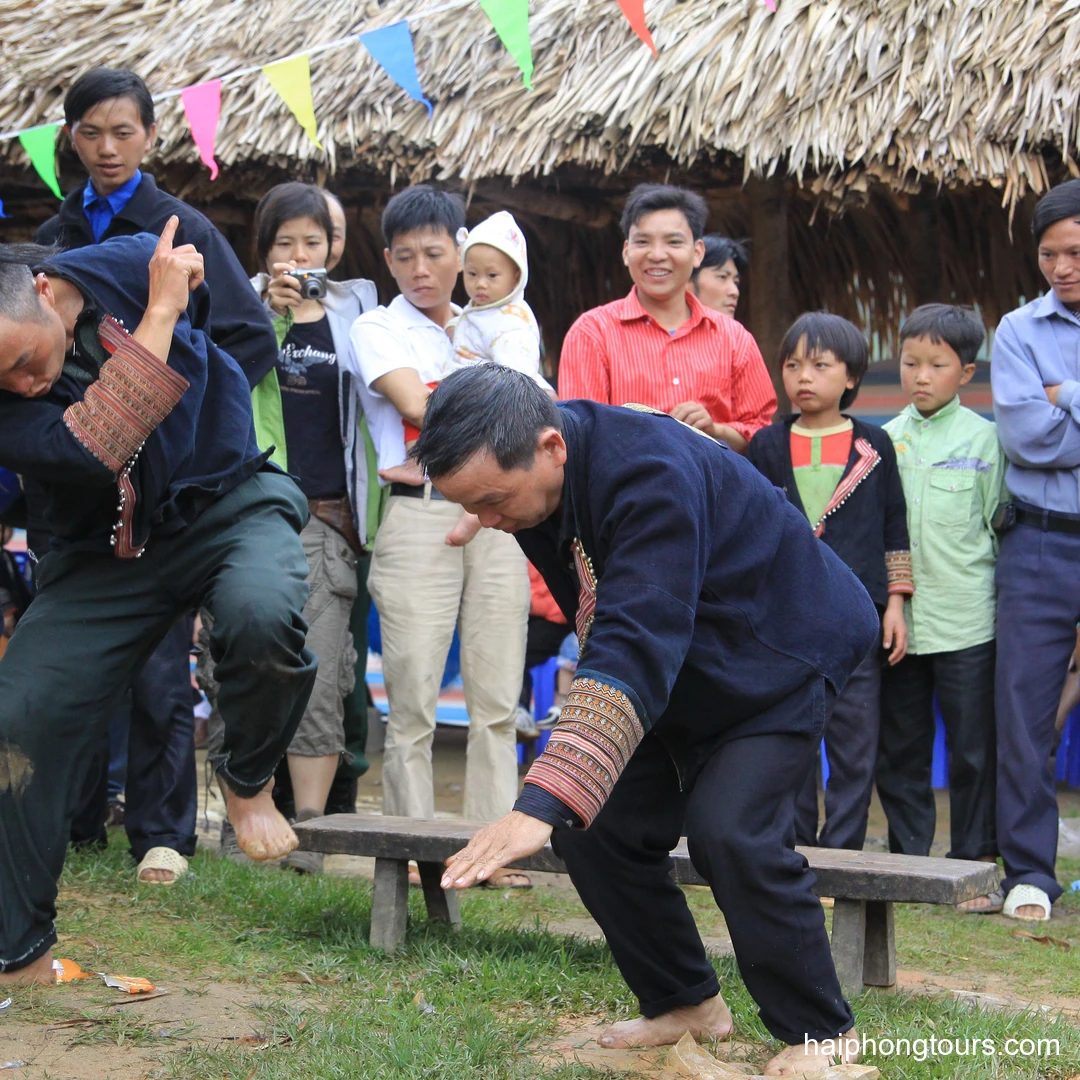
The traditional spring festival falls in the first lunar month and brings processions, ceremonies and community activities. Choose that period for the living ritual tradition; choose an ordinary day for a less interrupted architectural visit. Check Quang Oai’s current festival announcement rather than reusing dates from another year.
Fit Tay Dang into a western Hanoi day
Arrange a return car with waiting time and an agreed pickup point. Allow for traffic on both journeys; the time at the monument is only one part of the outing. Carry water and modest clothing, and settle any admission, parking or guiding charge before using a service.
For a broader look at village architecture, combine a confirmed Tay Dang visit with a selective route through Duong Lam Ancient Village. Choose a short central walk and a planned lunch instead of attempting every outer monument as well. If you want a slow, complete Duong Lam day, keep Tay Dang for another outing.
Useful guides for your trip
Would you like help fitting this experience into your trip? Contact us with your travel dates, starting point, available time and group size. Tell us about walking limits or special interests so we can suggest a practical itinerary.