
Start a Thai Nguyen food trip with Tan Cuong green tea, then choose local dishes to match your route: Bo Dau rice cakes for a convenient food stop, Dai Tu fermented pork served cooked, or a Tay meal with bamboo rice and colorful sticky rice in the Dinh Hoa area. In late summer and autumn, ask about Ha Chau black tram fruit and the dishes made from it.

For gifts, sealed loose-leaf tea is the most practical starting point. Rice cakes, cooked dishes and fermented pork need more attention to freshness, preparation and storage. The specialties below include both foods strongly associated with individual villages and traditions shared across northern Vietnam.
Choose food for your itinerary
- A tea-focused visit: taste tea in Tan Cuong and compare a few small packs before buying gifts.
- A quick meal or snack: look for Bo Dau banh chung, bamboo rice or freshly made leaf-wrapped cakes.
- A village meal: arrange dishes such as five-color sticky rice and seasonal vegetables with your host in advance.
- A seasonal specialty: ask whether Ha Chau tram fruit or Ngan Me bitter bamboo shoots are available that day.
Tea and savory specialties
Tan Cuong green tea
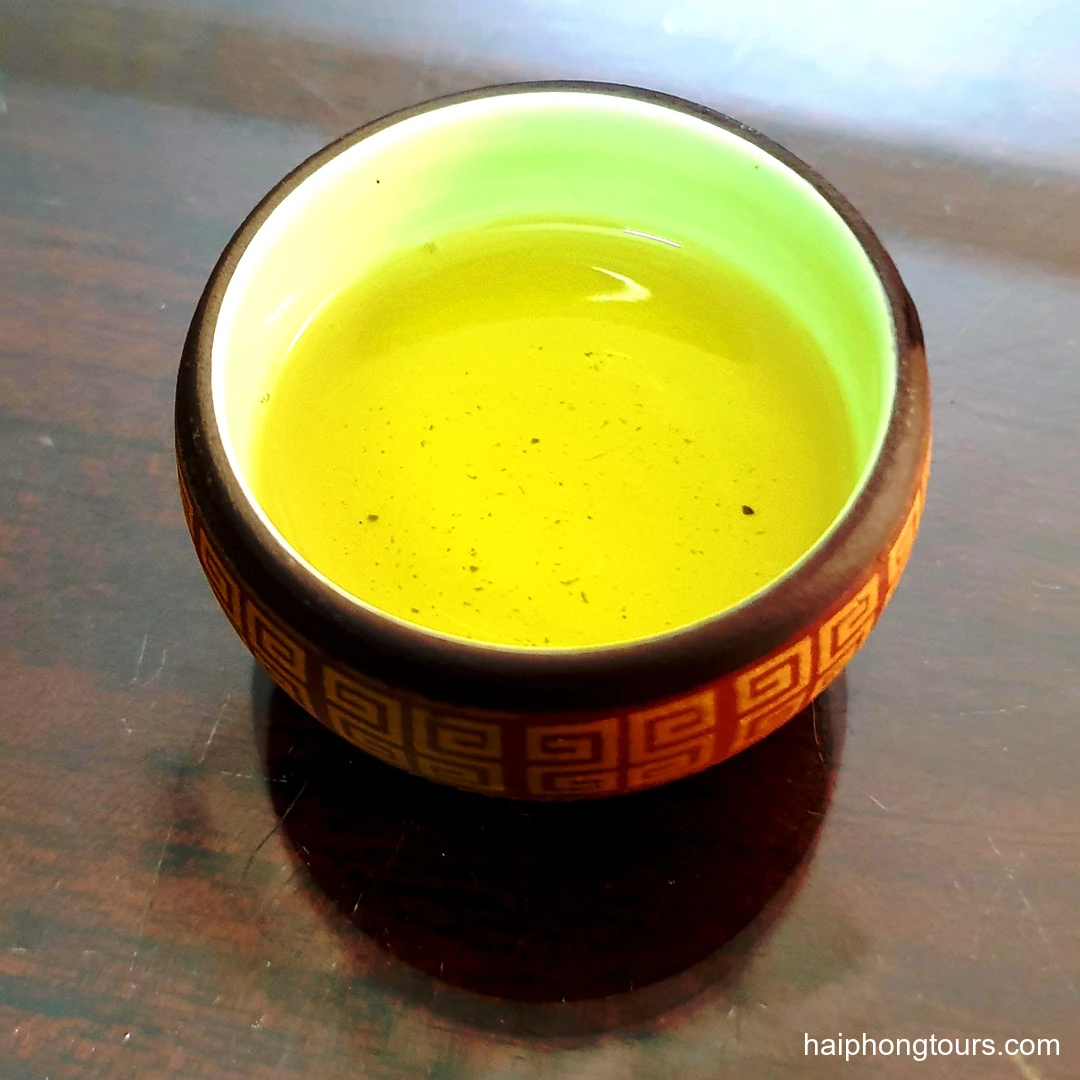
Tan Cuong is a tea-growing area in Thai Nguyen. Its green tea is known for a full flavor, a little astringency and a lingering sweet finish. Names such as moc cau, tom non and dinh identify different tea styles or selections; taste them rather than assuming the most expensive pack will suit you best.
Check the producer, growing origin, packing date and net weight. Compare the price for the same quantity, and choose smaller sealed packs if you will open them gradually. Ask the seller to demonstrate brewing with the tea you select.
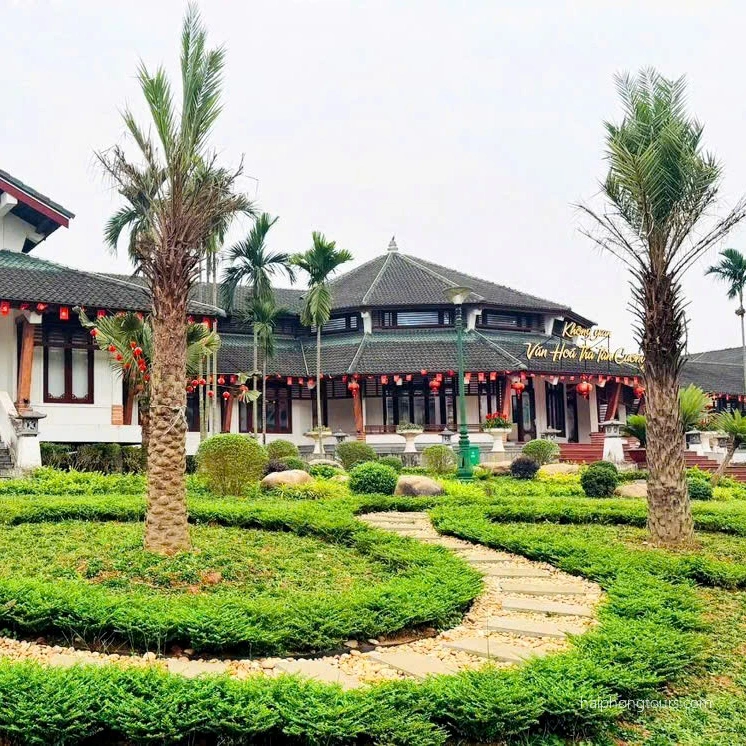
A place to start: Hao Dat Tea Cooperative receives visitors in Tan Cuong; call to arrange a visit. For a shopping stop in central Thai Nguyen, its store is at 55 Hoang Van Thu. Confirm opening arrangements before making a special trip, and book any hands-on tea activity separately.
Ha Chau black tram fruit
Tram den is a dark-skinned fruit with rich, nutty flesh, associated with Ha Chau in the Phu Binh area. It is used in savory cooking: sticky rice with tram, pork or fish braised with tram, and nham tram, a mixed dish with fruit, herbs and other ingredients.
Nham tram can contain fish, pork, peanuts and sesame, so ask before ordering if you have allergies or avoid meat. Recipes differ between cooks. Fresh fruit is seasonal, generally around late summer and autumn; ask whether a dish uses the current harvest or preserved fruit.
For a short visit, a prepared dish is easier to enjoy than a bag of fruit that still needs processing. If you buy fruit to cook later, ask the seller how to soften and prepare it and how it should be stored.
Com lam Dinh Hoa: bamboo-cooked sticky rice
Com lam is sticky rice cooked inside a bamboo tube over heat. In the Dinh Hoa area, it is part of local food traditions and pairs well with sesame salt or a shared meal of grilled meat and vegetables.
Peel away the outer bamboo as the seller demonstrates, leaving the thin inner membrane around the rice. Ask for freshly cooked rice and buy an amount you can eat soon. A bamboo tube is packaging, not a guarantee that cooked rice will keep safely for days.
Nem chua Dai Tu
Dai Tu nem chua is seasoned, fermented pork wrapped with guava and banana leaves. Garlic, pepper and toasted rice powder contribute to its flavor. This style is cooked before eating, commonly by grilling or heating in a pan; do not simply unwrap a packet and treat it as a ready-to-eat snack.
At a restaurant, ask for the pork to be cooked through. When buying it to take away, confirm whether the product is ready to cook or already cooked, follow the maker’s storage instructions, and keep it chilled as directed. It is better suited to a meal or a carefully planned short journey than a gift carried around in a warm bag.
Ngan Me bitter bamboo shoots
Mang dang Ngan Me refers to bitter bamboo shoots associated with the Ngan Me forest area. Their appeal is a firm bite and a noticeable bitter flavor. They can be served boiled with a dipping salt, stir-fried or used in soup.
Choose a cooked dish if you are unfamiliar with preparing bamboo shoots. Fresh shoots need proper processing before eating, and the level of bitterness varies. Ask what is in the sauce or stir-fry; bamboo shoots on the menu do not automatically mean a vegetarian dish.
Sticky rice and leaf-wrapped cakes
Five-color sticky rice
Xoi ngu sac is associated with Tay celebrations and hospitality in Dinh Hoa. The rice is traditionally colored with plant ingredients, including turmeric and coloring leaves, alongside plain white rice. The colors and arrangement can vary with the cook.
For a village meal, request it when booking rather than expecting every kitchen to have a full platter ready. It can accompany savory dishes and is also presented at festivals. Ask about any added fat and the accompanying dishes if you need a vegetarian meal.
Bo Dau banh chung
Bo Dau is a village known for making banh chung throughout the year. The traditional cake combines sticky rice, mung beans and pork, wrapped in dong leaves and boiled until the layers hold together. It is a filling savory food, often best shared.
The village is now in Vo Tranh commune; you may also see its former Co Lung, Phu Luong address. Buy from a named producer, ask when the cake was made, and check the filling and storage instructions. Colored versions and different sizes are available from some makers, so compare the actual cake rather than its wrapping alone.
Banh cooc mo
Cooc mo is a pointed, horn-shaped rice cake associated with Tay and Nung communities. Sticky rice and peanuts are wrapped in leaves and boiled. The usual version has a mild, nutty flavor rather than the pork-and-mung-bean center of banh chung.
It works as a small snack and may be offered with a sweet accompaniment or sesame salt. Check the ingredients if you avoid peanuts, and buy freshly made cakes to eat during your trip.
Banh ngai
Banh ngai is a soft, green sticky-rice cake made with mugwort leaves. The herb gives it a distinctive aroma and a slight bitterness that balances a sweet filling when one is used. Fillings can include mung beans, peanuts or sesame, and unfilled versions also exist.
Ask which version the seller has and buy only what you can keep and eat according to their guidance. These are fresh rice cakes, so their green color and leaf wrapping should not be mistaken for long shelf life.
Buying gifts and planning meals
Keep tea dry, tightly sealed and away from strong smells. For fresh cakes and pork products, look for a maker’s name, production information and clear storage directions. Vacuum packaging does not replace any refrigeration the label requires.
You do not need to seek out every specialty on one trip. A tea tasting, one local meal and a small selection of fresh cakes give you a useful introduction without spending the day crossing the province. If a particular seasonal dish is the reason for your visit, confirm it with the kitchen before arranging the journey.
Would you like to include local food in a city visit? Contact us with your destination, date, group size and dietary needs to discuss a suitable tour or private itinerary.