
Prebook Thanh Thuy to Hai Phong before starting your hot-spring stay. A direct car is the easiest option from a resort entrance. Shared transport often needs a local vehicle to Viet Tri or Hanoi and a separate Hai Phong service, so it works better for flexible travelers than for a flight or ferry connection.
Give the driver the exact property pin and your final endpoint. Central Hai Phong, Cat Bi Airport, Do Son and Cat Ba are separate jobs. A general city quote should not be assumed to include an airport wait or island crossing.
Choose the return by what comes next
- Central Hai Phong: request delivery to the hotel or named address.
- Cat Bi Airport: use a direct car and work backward from terminal check-in.
- Cat Ba: define the mainland handover, crossing and island drop-off.
- Do Son: send the hotel pin and include the additional coastal road.
- Hanoi connection: protect the change with time and a precise meeting point.
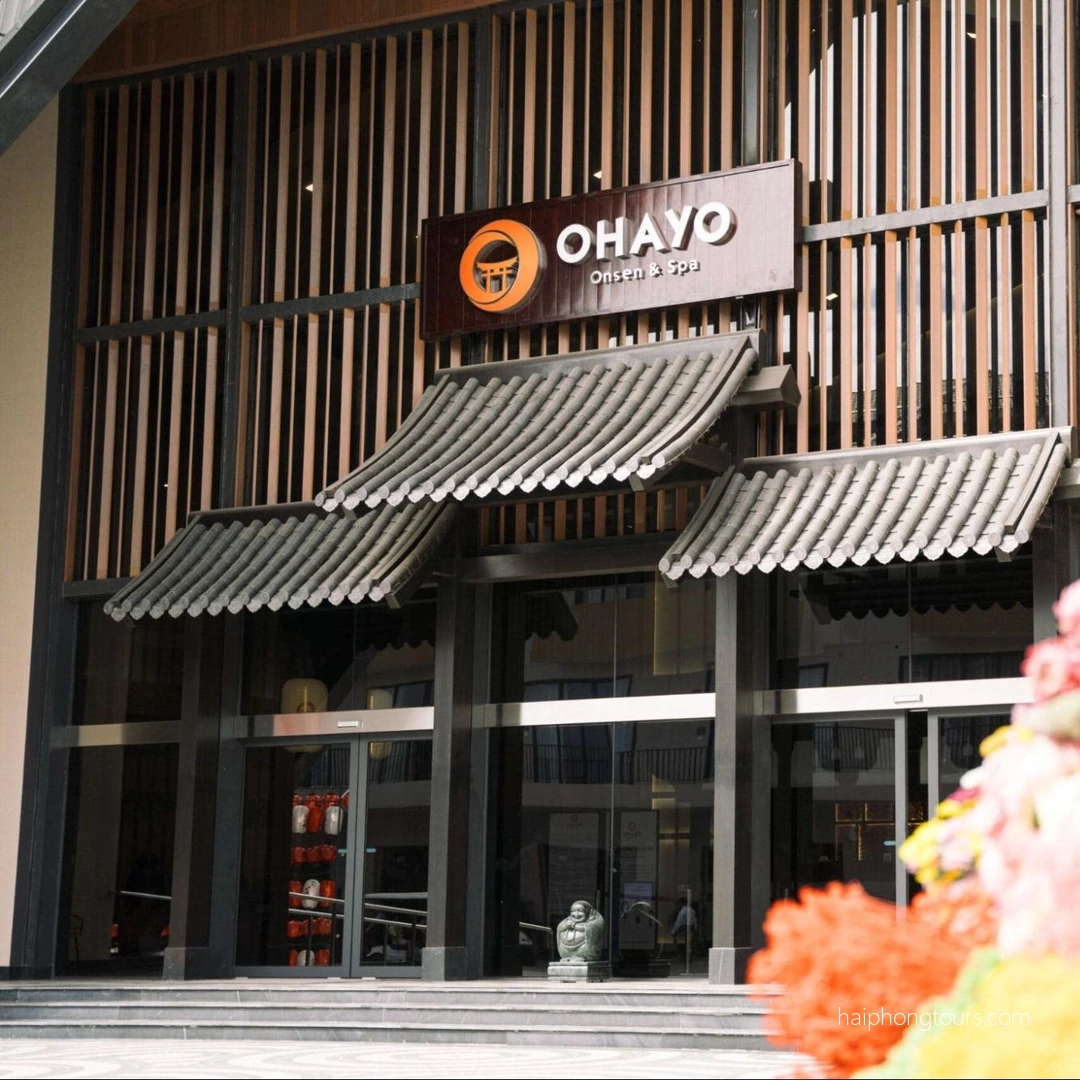
Direct car from the resort
Send the pickup pin, reception number, passenger count and luggage. Hai Phong Tours recommends asking whether the vehicle can wait at reception or must use another parking area. Record tolls, parking, planned stops and any waiting charge.
Do not schedule pickup at the exact minute a bath or treatment ends. Allow time to shower, dress, collect stored items, check out and walk to the vehicle. Tell the driver promptly if the venue changes the session.
Going to Cat Bi Airport
Calculate the departure from the airline’s required arrival time, then add road and pickup margin. A rural start makes an unprotected same-day flight more sensitive to a late checkout, weather or traffic.
The Cat Bi Airport guide explains the terminal. For an early or important flight, travel to Hai Phong the previous day rather than relying on a long morning transfer.
Connecting to Cat Ba
Ask whether the transfer ends in mainland Hai Phong or continues through the island crossing. If separate bookings are used, protect the handover and write down who handles each bag. Ferry or cable-car operations can change with weather and demand.
Avoid attaching a fixed Cat Ba cruise or activity to the earliest estimated arrival. Tell the island hotel how you plan to cross and keep its contact available.
Shared transport through Hanoi or Viet Tri
A resort shuttle may be tied to selected dates, packages or advance reservations. Obtain written confirmation of the pickup point and whether you can use it as a one-way passenger. An old advertisement is not a current timetable.
For a coach connection, arrange the vehicle from the property to the terminal or road stop. Leave time between separate operators and avoid a last service of the day when there is no fallback.
After hot bathing
Hydrate and sit for a short period if you feel light-headed. Do not rush from a very hot pool into a long vehicle journey without recovering. Keep water and necessary medication accessible, and ask for a comfort stop when needed.
The Thanh Thuy hot-springs guide helps distinguish facilities and packages. Check out early enough to settle services that were not included in the room.
Early pickup
Confirm that reception and the property gate will be staffed. Ask for breakfast or a packed option in advance. Save the driver’s phone and vehicle plate; weak mobile coverage is a reason to agree on the exact meeting point the night before.
Departure checklist
- Send the resort entrance pin and reception contact.
- Choose central Hai Phong, Cat Bi, Do Son or Cat Ba as the endpoint.
- Leave time to change, check out and recover after bathing.
- Protect flights, ferries and separate transport with a large buffer.
- Confirm the vehicle space for all people and luggage.
- Keep water, medication and travel documents in the cabin.
For the outward journey, use the Hai Phong to Thanh Thuy transport guide.
Complete the door-to-door route
Thanh Thuy can mean the wider hot-spring area or a specific resort. Use the current reception gate and do not rely on an old district-center pin. Put the exact Thanh Thuy property or vehicle-access point and the Hai Phong hotel, Cat Bi Airport, railway station or separate Cat Ba connection in the same booking message. Add passenger count, luggage and the latest useful arrival so the quote covers the actual journey rather than two broad place names.
Viet Tri is the main staging reference, but a ticket there does not necessarily complete the route. Compare the exact operator offices and arrange the final local vehicle before buying separate services. A delayed first ticket does not protect the second.
Use a realistic time range
Plan around loading, one proper meal, toilet stops and a moderate delay. Do not spend the contingency on optional viewpoints. The important risk is weekend resort traffic, rain and property-specific gate access; use conditions for the actual districts and let the driver reduce speed or stop earlier when necessary.
For a fixed flight, train, boat, trek or reception window, work backward from the required check-in rather than the advertised departure. A map estimate is a routing reference, not a guaranteed door-to-door duration.
Use a coach or shared car properly
- Check the exact date and direction because return services may differ.
- Ask for the boarding office or roadside pin, check-in time, vehicle type and baggage allowance.
- Open the arrival pin and compare it with the hotel; reserve the final local vehicle before paying.
- Allow unloading, food and a taxi between offices when tickets are separate.
- Reconfirm on the travel day and keep the dispatch contact or plate.
If the operator cannot give a current boarding point and arrival point for your date, the service is not yet a complete plan. Do not rely on an old timetable or improvise the rural last leg after dark.
Match vehicle, luggage and local access
Count every passenger and large item. Send a luggage photograph for trekking packs, strollers, wheelchairs or several full-size cases. A nominal seven-seat car is not automatically suitable for seven people with seven bags, and roof loading should never be assumed.
A van provides cargo room but can be unsuitable for a narrow village lane. Ask the host for the last car-access point and whether luggage must be carried or moved to a local vehicle. Keep passports, medication, rainwear and electronics in the cabin.
Confirm the operating scope
- Both exact pins and a working passenger contact.
- Vehicle class and luggage arrangement.
- Tolls, parking, normal waiting and rest stops.
- Driver meal or overnight cost on a long one-way day.
- Any local feeder, boat, attraction or sightseeing outside the road transfer.
- Change and cancellation rules for weather or a late incoming service.
Fallback plan
If the road day slips, remove optional stops first, notify the property and protect the most expensive onward connection. Change a handover only after both operators agree. If visibility, fatigue or road conditions make the final section unsafe, use an earlier overnight instead of forcing arrival.
Avoid scope changes on the roadside
A one-way transfer ends at the agreed pin. It does not automatically include a village tour, several photo stops, waiting overnight or a next-day vehicle. Name important stops before the quote and agree on the added time. If a new detour appears during travel, ask the operator to confirm feasibility and cost before the driver leaves the planned route.
Use one passenger as the decision contact. Conflicting messages from several phones can change the pickup, route or waiting instruction at the wrong moment.
Reconfirm the driver and pickup the evening before. On arrival, check the seat, door pockets, charging cable and luggage area before the vehicle leaves. Keep the booking record until every bag and added charge is resolved.