
Choose Hanoi or Hue for traditions and heritage, Hoi An for a compact old-town stay, Nha Trang for a coastal holiday, Da Lat for cooler weather and outdoor outings, or Ho Chi Minh City for large flower displays and warm evenings. The right place to spend Tết depends on whether you want to experience the celebrations or settle into a comfortable holiday base.
Timing matters as much as the destination. The days before Lunar New Year are good for flower trading and preparations, while the first days of Tết center on family visits and worship. Some city streets become quieter, but holiday resorts, temples and popular displays can be busy. Choose your main base and arrange the essential journeys before filling the itinerary with events.
Compare the six destinations
- Hanoi: good for pre-Tết flower markets, Hoàn Kiếm Lake and calligraphy. Expect cool weather and variable restaurant opening.
- Hue: good for royal traditions, the Imperial City and craft visits. Allow for rain and check ceremony dates before booking travel.
- Hoi An: good for walking, lantern-lit evenings and a slower stay. Expect crowds in the old town and book workshops or meals individually.
- Nha Trang: good for combining a beach hotel with city sights or a theme-park day. Check sea conditions and avoid assuming the holiday will be quiet.
- Da Lat: good for cool air, gardens and a choice of outdoor trips. Book accommodation early and leave time for traffic around popular places.
- Ho Chi Minh City: good for Nguyễn Huệ’s flower displays and an urban holiday. Plan around event crowds, road closures and the restaurants actually serving that day.
Choose the part of Tết you want to experience
Tết follows the lunar calendar and falls in January or February. The official days off and each venue’s operating arrangements are announced separately, so there is no single seven-day schedule that applies to every business, market and attraction.
- Before New Year’s Eve: choose this period for flower buying, decorations and household preparations. A market selling flowers for family altars may finish before the main holiday begins.
- New Year’s Eve and the first days: expect family celebrations, visits to places of worship and some business closures. Public displays and hotel services follow their own schedules.
- Later in the first lunar month: look for local spring festivals. These are separate events, not a guarantee that the original Tết program continues unchanged.
If seeing a particular ceremony is your priority, confirm its date first and build the stay around it. If you mainly want a holiday, choose accommodation with dependable meal options and treat special events as additions.
Hanoi: flower markets, calligraphy and lake walks
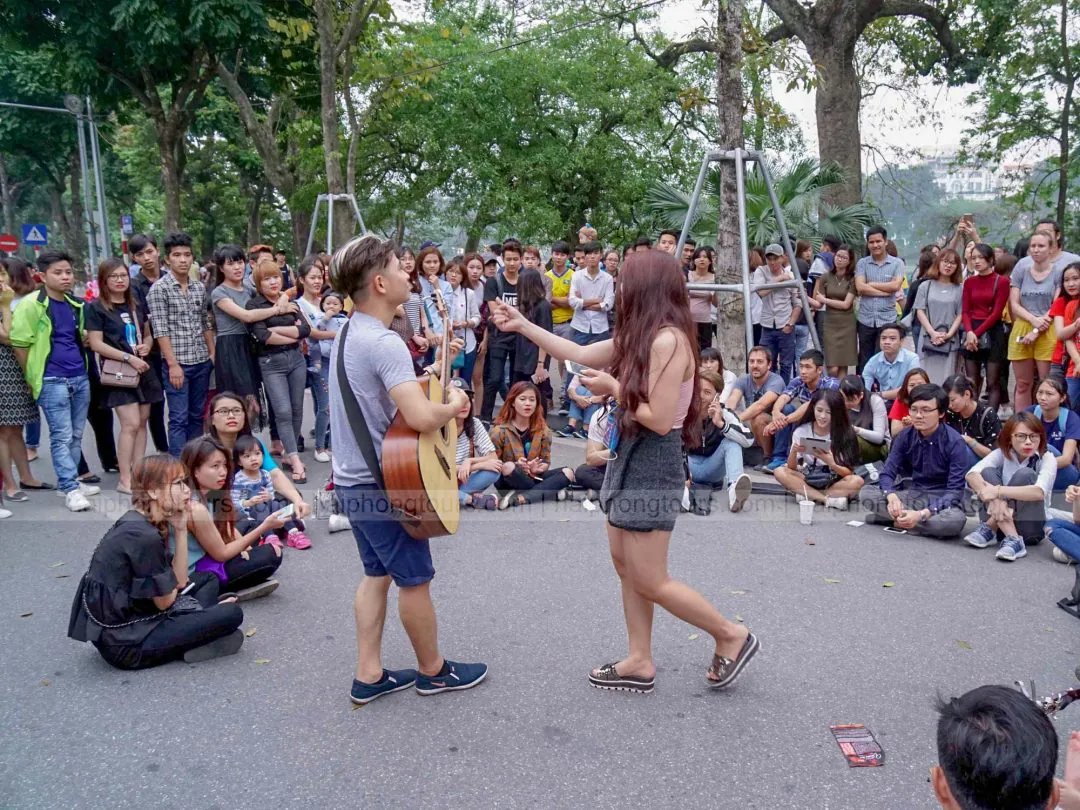
Hanoi suits travelers who want to see the preparations as well as the first days of the year. Before Tết, flower trading around Hàng Lược and nearby Old Quarter streets offers a different experience from the decorations you see around Hoàn Kiếm Lake during the holiday.

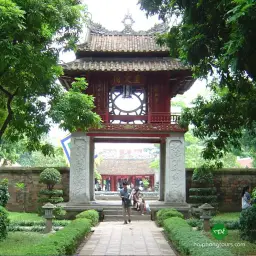
For calligraphy, look for Hội chữ Xuân at the Văn Miếu–Quốc Tử Giám complex. The festival is associated with Hồ Văn, while the historic Temple of Literature courtyards have their own visitor arrangements. If you commission a piece, ask about the character’s meaning, the price and how to carry it once the ink dries.

A practical day combines a lake and Old Quarter walk with one main heritage visit. Some streets can be calmer than usual, but popular temples and holiday displays still attract visitors. Keep a warm layer and something suitable for drizzle, and identify a meal option before heading out.
For a day with a guide and private transport, the Private Hanoi City Tour includes central heritage stops such as the Temple of Literature and Hoàn Kiếm area. Confirm the Tết departure, accessible pickup point, open attractions and any holiday charge. A flower-market visit or calligraphy event needs to be agreed separately from the standard itinerary.
Hue: royal Tết traditions and living crafts
Choose Hue if the cultural meaning of the holiday interests you more than nightlife. The Imperial City provides the setting for restored royal ceremonies, including Lễ Thướng Tiêu, the raising of a ceremonial bamboo pole to announce Tết.
Look for the pole-raising program before Lunar New Year. It is not something to assume will happen on the first morning of Tết. Confirm the ceremony time, location and visitor access, then allow enough time to explore the Imperial City beyond that one event.
Thanh Tiên village offers another connection to local traditions through its paper-flower craft. Arrange a visit with a workshop before traveling there, particularly around family celebration days. Watching the work or joining a session is more useful than arriving with an assumption that every household welcomes visitors.
Keep the Imperial City and a walk near the Perfume River as one city day; give a craft-village outing its own time. Hue can be cool and wet during this season, so choose accommodation convenient for meals and leave room to change outdoor plans.
Hoi An: a walkable heritage stay with several festival calendars
Hoi An works well when you want to stay in one place, walk through the old town and return for an evening meal without a long transfer. Lanterns, decorated streets and riverside activity create an appealing setting, but popular stretches can become crowded during holiday outings.
The local Tết program may include flower displays, craft activities, folk games and performances such as bài chòi. Check the announced location and session rather than relying on a permanent show time. Reserve a workshop directly if making a lantern or another craft is an important part of your stay.
Do not confuse Lunar New Year with Tết Nguyên Tiêu, the celebration around the first full moon of the lunar year. Nor should a regular lantern evening be treated as a guaranteed week-long New Year festival. A traveler arriving for one may miss activities scheduled for the other.
Stay near the old town if evening walks are your priority, or choose a quieter property farther out with an agreed return ride. Arrange your arrival from Da Nang in advance. For a short holiday, one Hoi An base is easier to manage than repeatedly changing hotels between nearby destinations.
Nha Trang: a coastal base with activities beyond the beach
Nha Trang suits travelers who want hotel facilities, seafront walks and the option of city sightseeing during Tết. This part of the year generally falls outside its main rainy season, but wind and waves still determine whether swimming or an island outing is sensible on a particular day.
A hotel near the central Trần Phú beachfront makes it easier to combine a walk with meals. A resort farther along the coast may suit a stay centered on the property; compare its holiday dining arrangements and transfer needs before choosing by room price alone.
Pô Nagar’s Cham towers offer a cultural visit alongside the beach. People come to worship, so cover shoulders and knees and allow space for religious activity. The main Pô Nagar festival belongs to the third lunar month, a separate occasion from Tết.
For families, VinWonders Nha Trang is an option for a dedicated outing. Check the park’s actual holiday calendar, the attractions suitable for your children and what the ticket includes. Set aside the day instead of combining it with an ambitious island tour, and confirm the return transport before staying for an evening program.
Da Lat: cool weather, gardens and time outdoors
Da Lat is a good choice if you prefer cool mornings to a hot beach. A walk around Xuân Hương Lake, a garden visit and a café stop can make a comfortable city day. Blossoms depend on the season and weather, so choose Da Lat for the overall setting rather than a promise that every tree will flower during your exact Tết dates.
Book early if you want a central hotel. Domestic holiday demand can rise after families finish their first New Year visits, so quieter streets at the start of Tết do not imply a quiet week. Allow extra time for popular attractions and avoid a day with too many cross-city drives.
Choose one main outing beyond the center: Langbiang to the north, or Trúc Lâm Monastery and Tuyền Lâm Lake to the south. At Langbiang, the vehicle trip to Radar Hill is different from a guided mountain hike. Confirm which experience you are booking and the time needed to return.
If you want to camp near Tuyền Lâm Lake, book a managed site and check access, equipment and meal arrangements. Bring warm clothing for the evening. The monastery is a place of worship, so treat a visit respectfully rather than as an extension of an outdoor activity session.
Ho Chi Minh City: flower displays and warm evenings
Choose Ho Chi Minh City when you want prominent public decorations and a warm urban base. Nguyễn Huệ Flower Street is a central focus of the season, with designs that change each year. Check the exhibition’s full opening period rather than assuming any remaining decoration means the whole event is still operating.
Tao Đàn Spring Flower Festival is a separate event with its own admission and dates. You can plan one display in the morning or evening and leave the hottest part of the day for a meal or hotel break. A central hotel helps, but ask where a car can meet you when streets are restricted.
Families can also consider Đầm Sen or Suối Tiên as a separate outing. Confirm the exact park and ticket: Đầm Sen Cultural Park and Đầm Sen Water Park have different admission arrangements. Use the current Tết program when choosing activities, rather than assuming a fruit festival or a past carnival runs every New Year.
Reserve a restaurant or evening venue if it matters to your plans. Some businesses continue serving while others close for family time. A lively holiday display does not tell you which nearby kitchen or bar will be open afterward.
Build a holiday that leaves room for Tết
For a short visit, choose one main destination and spend several nights there. For a longer trip, combine places you actually want to experience, with enough time between journeys. Hue and Hoi An suit a heritage-focused pairing; a city followed by Nha Trang suits travelers who want both culture and hotel time. Confirm every connecting journey before committing to the second stay.
- Fix the essential transport first. Book the intercity journeys, airport transfers and accommodation you need. Keep your ticket details and the correct terminal or station available offline.
- Arrange the first meals. Ask the hotel what will be served on arrival and during the first holiday days. For a special dinner, confirm the menu, deposit and cancellation terms.
- Choose one main activity per day. Add walks or displays around it, and check the actual event and attraction schedules close to the visit.
- Confirm the total charge. Ask about holiday supplements for transport, tours and meals before paying. Do not assume every business applies the same surcharge.
- Respect family and worship time. Visit homes only by invitation, ask before photographing people or ceremonies, and use “Chúc mừng năm mới” to wish someone a happy New Year.
The most useful choice is a destination where you will enjoy ordinary days as well as the celebrations. Pick the base for its weather, surroundings and practical comforts, then arrange the particular Tết experiences that make the trip meaningful to you.
Would you like help fitting this experience into your trip? Contact us with your travel dates, starting point, available time and group size. Tell us about walking limits or special interests so we can suggest a practical itinerary.