
Van Phuc Silk Village is worth a half-day from Hanoi if you want to compare silk, see how weaving shapes a living craft district and buy fabric or a scarf with more confidence. Allow three to four hours, visit on a weekday morning when workshops are more likely to be active, and ask about fiber content, maker and care before discussing price.
The village is also a retail center, so not every item sold in Van Phuc was woven by the shop or made from 100% silk. “Satin” describes a weave and surface, while “brocade” describes patterned construction; either can use silk, synthetic fiber or a blend. A useful visit starts with the production story, then treats each purchase as a separate product claim.
Van Phuc Silk Village at a glance
- Location: Van Phuc Ward in Ha Dong, about 10 km southwest of central Hanoi.
- Best trip length: three to four hours in the village.
- Best time of day: weekday morning for working activity and easier shopping.
- Main experiences: craft history, weaving demonstrations when available, silk street, shops and village religious spaces.
- Best buys: a documented scarf, a manageable length of fabric or a finished garment with clear fiber and care information.
- Main limitation: retail displays can outweigh visible production, especially late in the day or during quiet periods.
- Most important product question: “What is the exact fiber composition of this item?”
- Best transport: taxi or ride-hailing car; metro plus a short final connection can reduce road time.
Is Van Phuc Silk Village worth visiting?
Van Phuc is a good choice for travelers interested in textiles, design, clothing and the economics of a traditional craft. It is close enough to central Hanoi for an unhurried morning and does not require the full-day road commitment of a distant rural village.
For a longer outing centered on a receiving production workshop, consider Nha Xa Silk Village in Duy Tan. Arrange the weaving or dyeing explanation first, then allow for the separate road journey south of Hanoi.
The village also suits travelers who want a practical souvenir. A small textile is light, useful and easier to carry than pottery. The visit becomes more valuable when you learn what the seller can verify about fiber, weave, dye, workshop and care.
Van Phuc may disappoint you if you expect every doorway to contain a handloom or every shop to sell only locally woven silk. Modern production, outside supply, ready-made fashion and tourism retail coexist with traditional knowledge. That mixture is easier to understand when you visit a confirmed demonstration or established maker before shopping widely.
If you want to see the earlier cocoon-to-thread stage, consider a separately arranged visit to Co Chat and the weaving village of Cu Tru near Nam Dinh. This requires a longer journey and a receiving workshop; it serves a different purpose from a half-day of shopping in Van Phuc.
For a different material, the Phung Xa lotus silk workshop guide explains plant-fiber demonstrations and how to arrange a visit.
Why Van Phuc matters
Official tourism sources describe Van Phuc as one of Vietnam’s long-established silk-weaving communities, beside the Nhue River and roughly 10 km from central Hanoi. The village’s identity developed around silk production, trade, design and the specialist skills passed between generations.
Van Phuc and Bat Trang were announced as members of the World Crafts Network in 2025. In 2026, Van Phuc’s silk-weaving craft also received national recognition connected with traditional craft and tourism. These titles help explain its public importance, but they do not certify every scarf in every shop.
The most useful question is not whether the village is “authentic” as a whole. Ask how a specific workshop, loom, fabric or finished product relates to the craft tradition you came to see.
How long do you need?
One to two hours: shopping only
A short visit can cover the main gateway and several silk-street shops. This works if you already know the item and fiber you need. It gives little time to compare provenance or see production.
Three to four hours: best first visit
This allows a confirmed weaving or craft explanation, a walk through the village, careful comparison in several shops and a coffee or light meal. It is enough for most visitors.
Five to six hours: serious shopping or tailoring
Use a longer visit when you need fabric for a garment, want to compare specialized weaves, have a prearranged artisan meeting or plan a proper fitting. Same-day tailoring should not be the default: good fit may require more than one measurement or adjustment.
A practical first-time route
1. Enter through the village gateway
The formal gateway and decorated approach establish Van Phuc as a craft destination. Use this area to orient yourself, but do not spend the entire visit on the photo street. The production and buying questions begin beyond the entrance.
Save the gateway, chosen workshop and return pickup point as separate map pins. Narrower lanes and busy retail areas may not suit a car pickup.
2. Begin with a weaving explanation
A loom demonstration gives meaning to the fabric you will see later. Confirm the demonstration in advance if it is the reason for your trip; a shop displaying a loom does not guarantee that an artisan will be weaving when you arrive.
For a separately booked making session, the Vun Art collage workshop uses prepared fabric pieces.
Ask the demonstrator to identify warp and weft, explain how a motif is created, and show how the loom differs for a plain or patterned textile. A short process explanation is more useful than a staged photograph at an idle machine.
3. Walk beyond the retail frontage
Van Phuc remains an inhabited urban village with homes, workshops, religious buildings and daily traffic. A short lane walk reveals the relationship between craft and community, although much of the settlement is modern.
Do not enter a working room or photograph residents without permission. Looms, winding equipment and stored materials need clear working space.
4. Visit the communal or craft-founder space when open
Village worship and craft memory are part of Van Phuc’s identity. If a communal house, temple or craft-founder site is open, dress modestly and treat it as an active sacred space. Ceremonies may limit access.
The visit provides social context but should not be used as proof that a nearby product has a particular composition or origin.
5. Compare several shops before buying
Choose three shops with visibly different strengths: one established maker or showroom, one fabric specialist and one finished-accessory shop. Ask the same questions in each, take notes and return to the seller who gives the clearest product information.
Do not compare price until you are comparing equivalent fiber, size, weave, finish and workmanship. Two scarves of similar color can be entirely different products.
Silk, satin and brocade: understand the labels
Silk is a fiber
Silk is a protein fiber produced by silkworms. A product described as 100% silk should contain silk fiber throughout unless the seller clearly identifies decoration, lining or blended sections.
Satin is a weave
Satin refers to a weave structure that creates a smooth, often shiny surface. Satin can be woven from silk, polyester, viscose or blends. “Silk satin” should identify both fiber and weave; “satin” alone does not prove silk content.
Brocade is a patterned textile construction
Brocade uses supplementary patterning to create raised or complex motifs. It can contain silk or other fibers. Ask for the exact composition, especially when buying fabric for clothing, upholstery or ceremonial use.
Rayon, viscose and polyester are different fibers
Viscose or rayon can feel soft and drape well, while polyester can create strong shine and durability. These materials are not automatically poor products; the problem arises only when their composition is unclear or represented as pure silk.
Choose based on use and honest information. A washable blend may suit travel better than a delicate pure-silk piece, while a collector may prefer documented handwoven silk.
How to evaluate a silk purchase
Ask for fiber composition in writing
Request the percentage of silk and any other fibers. For a significant purchase, ask for the composition on the receipt or product label. “Vietnamese silk,” “Van Phuc style” and “silky” are not complete fiber statements.
Confirm the maker and place of production
Ask whether the shop wove the fabric, commissioned it from another Van Phuc workshop or sourced it elsewhere. If provenance matters, request the maker’s name, workshop address, mark or documentation.
A product can be attractive and fairly priced without being woven in the village. Clear origin lets you choose honestly.
Inspect the actual item
Unfold the scarf or fabric in good light. Check both sides, edges, seams, pulls, stains and pattern alignment. For yardage, confirm width and inspect the full cut before payment.
Handwoven textiles may show small irregularities that are part of the process. Decide whether they are harmless variation or damage. Loose threads at a finished seam need a different response from subtle variation in the weave.
Do not rely on one “silk test”
Touch, shine, wrinkles and the sound of rubbing fabric can vary with weave, finish and fiber blend. None provides complete proof by itself. A burn test can damage goods, creates fumes and is inappropriate in a shop unless conducted by the seller on a documented sample.
The strongest practical evidence is a consistent combination of clear labeling, knowledgeable explanation, maker identity, appropriate price, receipt and care instructions.
Ask about color and finishing
Confirm whether the item is naturally or synthetically dyed only when that distinction matters to you. “Natural color” and “natural fiber” are separate claims. Ask about colorfastness, washing, sunlight and possible dye transfer.
What should you buy?
Scarf
A scarf is the easiest first purchase because you can inspect the whole item and carry it safely. Confirm dimensions, fiber composition, edge finishing and washing method. Try the color near natural light.
Fabric by length
Fabric suits travelers who already know the garment or project. Write down the required length and width before visiting. Buy extra only after discussing shrinkage, pattern repeat, nap or direction and tailoring allowance.
Ask the seller to measure in front of you and label the cut with composition and care. Photograph the bolt information before it is returned to storage.
Ready-made clothing
Try the actual garment and move in it. Check lining composition, seams, closures and areas of tension. A label stating silk for the outer shell does not necessarily mean the lining is silk.
Confirm alteration time and return conditions. Do not accept a fit problem merely because the fabric is valuable.
Home textiles and decorative pieces
Cushion covers, table runners and framed fabric can show patterned weaving without requiring clothing fit. Ask about sunlight, cleaning and whether the reverse needs lining. Measure your space before buying.
How much should Van Phuc silk cost?
There is no useful single price for “Van Phuc silk.” Cost changes with fiber percentage, yarn quality, weave complexity, width, weight, dyeing, hand or machine production, finishing, maker and retail service.
Compare like with like:
- the same stated fiber composition;
- the same dimensions or fabric width and length;
- a similar weave and motif complexity;
- similar edge, seam or garment finishing;
- the same level of maker documentation;
- equivalent alteration, packing or delivery service.
A suspiciously low price can indicate a different fiber or mass-produced item, but a high price alone proves nothing. Ask the seller to explain the price through observable product features.
Bargaining and payment
Some shops use fixed prices, while others allow limited negotiation. Ask politely whether the displayed price is fixed, especially when buying several items. Do not begin with an extreme offer.
Agree on the final item, quantity, alteration, packing and delivery before paying. For a large order, request a detailed receipt with shop contact, composition, measurements, payment and collection terms.
Bring a payment backup. Electronic payment may be available, but international cards are not accepted everywhere and network issues occur.
Custom clothing and tailoring
Buying fabric and commissioning a garment require separate decisions. A fabric seller may not be the tailor, and a fast sewing service may not include a second fitting.
Before ordering, confirm:
- the exact fabric and lining composition;
- the garment design and reference measurements;
- which details are included in the quoted price;
- the first fitting and final collection times;
- how alterations are handled;
- whether delivery to your Hanoi hotel is possible;
- what happens if your departure precedes completion.
Allow at least one proper fitting for a close-fitting garment. If you have only a few hours, buy finished clothing or fabric for a trusted tailor at home.
Care and packing
Follow the maker’s care instructions for the actual item. Silk can react to alkaline detergent, heat, abrasion, perspiration and prolonged sunlight, but weave and finish change the correct method.
- Keep the item dry before packing.
- Fold along natural lines and avoid crushing structured garments.
- Separate dark or strongly dyed textiles from pale clothing.
- Do not place perfume, cosmetics or food directly beside silk.
- Keep the receipt and composition label with the purchase.
- At home, test any cleaning method on a hidden area or use a specialist cleaner.
A breathable fabric bag is preferable for long storage. Plastic protects from a short spill during travel but can trap moisture if the textile is damp.
Getting from Hanoi to Van Phuc
Van Phuc is about 10 km southwest of central Hanoi. Road travel commonly takes 30–60 minutes, depending on your starting district and congestion in Ha Dong. Morning and late-afternoon commuter traffic can lengthen the trip.
Taxi or ride-hailing car
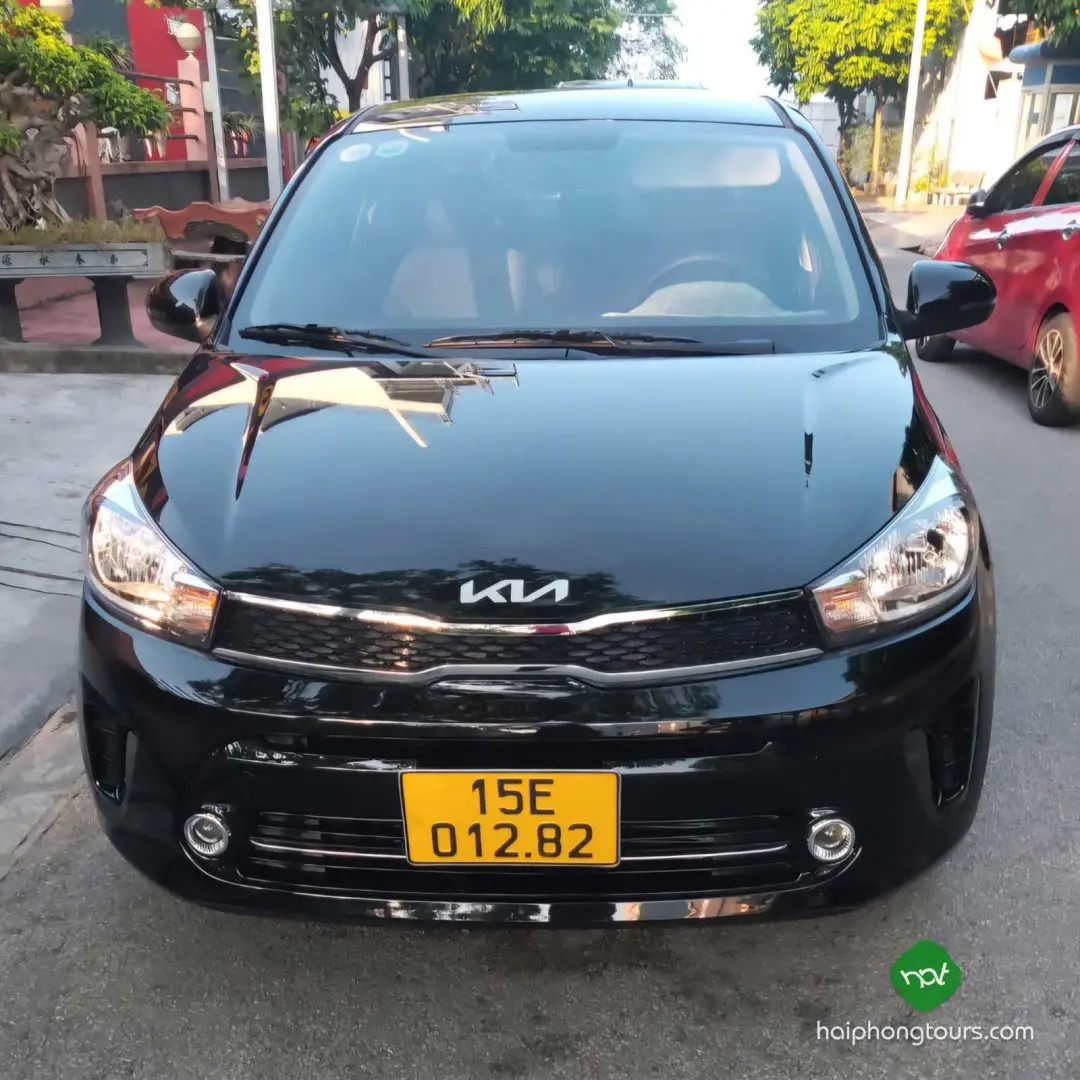
This is the simplest door-to-door option. Use the main village gateway or your chosen workshop as the destination. For the return, walk to a wide pickup point instead of asking a car to enter a crowded shop lane.
Metro plus a village connection
One practical option is Line 2A from Cát Linh to Hà Đông, followed by a separate road connection to the village gateway or your booked workshop. Save the station exit and the actual village destination separately. Agree where to meet your driver before leaving the station.

Buy an ordinary metro ticket for the rail journey. A package involving bicycles or a weaving session needs a separate booking; confirm the meeting point, equipment, language and actual activity. Do not expect an unplanned demonstration simply because you arrived by metro.
Hai Phong Tours recommends fixing any craft appointment first, then allowing time for both station access and the village connection. Check the return train service before shopping, and use the Hanoi metro payment guide to choose a ticket method.
This option works well when you are not carrying large fabric rolls or multiple shopping bags. Keep purchases with you rather than placing them on a wet or dirty floor.
Public bus
Local buses serve the Ha Dong area, but routes and stops change. Use current official Hanoi bus information and confirm the final walk to the village gateway. Check the return stop before shopping.
Motorbike
Ride only with a licence and insurance valid in Vietnam, a certified helmet and confidence in Hanoi traffic. Park where directed and protect fabric from rain, exhaust and contact with the wheel or engine.
Best time to visit
Weekday morning
A weekday morning offers the best chance of seeing work in progress and having detailed product conversations. Arrange a specific demonstration if it matters, because production schedules still vary.
Weekend
Weekends can feel livelier and suit families, but retail streets and photo areas are busier. Shops may spend less time on technical questions during peak periods.
Culture and craft festival
Van Phuc hosts cultural, tourism and trade activities, often later in the year, with exact dates and programs announced separately. Festivals can add displays and performances while changing traffic and workshop access. Verify the current program before building a trip around it.
Hot or rainy weather
Begin early in summer and plan indoor shops or demonstrations during midday heat. Carry a waterproof layer and a separate dry bag for purchases. Strong rain can reduce the value of the village walk even when shops remain open.
Van Phuc with children
Children can enjoy watching a loom when the explanation is visual and short. Confirm whether touching yarn or trying a simple step is allowed; working machinery can catch fingers, hair or loose clothing.
Keep children away from moving loom parts, dye containers, cutting tools and stacked fabric. A one-hour craft-focused visit followed by a snack may work better than a long shopping session.
Give an older child a practical task such as comparing two fiber labels or finding warp and weft. This turns the visit into learning without asking an artisan to stage unsafe interaction.
Accessibility
The main retail street and modern shops can be easier to navigate than small homes or working rooms. Expect curbs, narrow doors, motorbikes, uneven lanes and limited accessible toilets.
Travelers with limited mobility should preselect one step-free showroom or demonstration, arrange drop-off near the main gateway and confirm seating and toilet access directly. A ground-floor shop may still have a raised threshold.
Etiquette in a working textile village
- Ask before entering a home workshop or production room.
- Do not touch a moving loom, yarn beam, dye container or unfinished fabric.
- Ask before photographing an artisan or a detailed proprietary design.
- Keep shop entrances and lanes clear for residents and deliveries.
- Dress modestly and lower your voice in temples and communal spaces.
- Negotiate politely and stop when the seller states a final price.
- Do not present a shop demonstration as your own weaving experience.
A realistic Van Phuc half-day
- 08:00: leave central Hanoi or take the metro toward Ha Dong.
- 09:00–09:30: enter through the village gateway and orient yourself.
- 09:30–10:30: attend a confirmed weaving explanation or visit an established maker.
- 10:30–11:00: walk the surrounding village and visit a communal space if open.
- 11:00–12:15: compare several shops, inspect the chosen item and obtain written product details.
- 12:15–13:00: have lunch or coffee, then arrange a wide-road pickup.
- 14:00: return to central Hanoi with a traffic margin.
If you need tailoring, replace the general shopping hour with a prearranged fitting and allow a separate return. Do not promise yourself a same-day finished garment before the tailor assesses the design.
Common planning mistakes
- Assuming everything sold in the village is locally woven: ask for the maker and place of production.
- Treating satin as a fiber: confirm whether the satin is silk, synthetic or blended.
- Using a touch or ring test as proof: require consistent labeling and documentation for a significant purchase.
- Comparing price before composition: match fiber, dimensions, weave and finishing first.
- Expecting an unplanned weaving demonstration: confirm a working visit when production is your priority.
- Ordering rushed tailoring: leave time for fitting and correction.
- Packing silk beside liquids: isolate cosmetics, drinks and wet rain gear.
Frequently asked questions
Is Van Phuc free to enter?
The public village and retail streets are generally visited as an open neighborhood. A specific demonstration, guided activity, workshop or event may charge separately. Confirm the chosen experience in advance.
Is all Van Phuc silk handmade?
No. Shops can sell textiles made with different production methods and sourced through different supply chains. Ask whether the specific item is handwoven, machine-woven, made in Van Phuc and composed entirely of silk.
How can I tell if silk is real?
No single shop-floor trick provides complete proof. Use a clear fiber label, knowledgeable explanation, named maker, receipt, care information and a price consistent with the product. Laboratory fiber analysis is the decisive method for a high-value dispute.
Can I have clothes made in one day?
Simple work may be offered quickly, but a well-fitted garment often needs a fitting and adjustment. Confirm the design, deadline and hotel delivery before buying fabric or paying a deposit.
What is the easiest item to carry home?
A documented scarf or small finished textile is lighter and simpler than a long fabric roll or tailored garment. Keep it dry, folded and separated from liquids.
Is Van Phuc suitable in the rain?
Yes, when your plan centers on indoor shops and a confirmed demonstration. Heavy rain reduces the lane walk and requires waterproof protection for purchases.
Should I visit Van Phuc or Bat Trang?
Choose Van Phuc for textiles, silk shopping and a shorter western-Hanoi trip. Choose Bat Trang for ceramics, pottery workshops and a larger hands-on family activity. Each deserves its own half-day if the craft matters to you.
Make the product story verifiable
Begin with the loom and village context, then compare shops by fiber, weave, maker, finish and care. Buy the item whose story the seller can explain and document, not the one with the strongest shine or quickest sales pitch.
Van Phuc is most rewarding when the craft visit improves your decision. A careful three-hour trip can show how a textile is constructed, why similar-looking fabrics differ and how to choose a souvenir you will still value after the journey.
Would you like help fitting this experience into your trip? Contact us with your travel dates, starting point, available time and group size. Tell us about walking limits or special interests so we can suggest a practical itinerary.