
The Vietnam Literature Museum in Hanoi suits travelers who want to understand Vietnamese writers through manuscripts, personal objects and the circumstances behind their work. It is a specialist museum in the Au Co area near West Lake, best approached with a little background reading and time to concentrate on a few authors.
It is different from the Temple of Literature. For the museum, navigate to Bảo tàng Văn học Việt Nam, Lane 275 Au Co. Plan a weekday morning or afternoon visit, allow roughly 90 minutes to two hours as a starting point, and arrange interpretation beforehand if English explanation is essential.
Museum or Temple of Literature
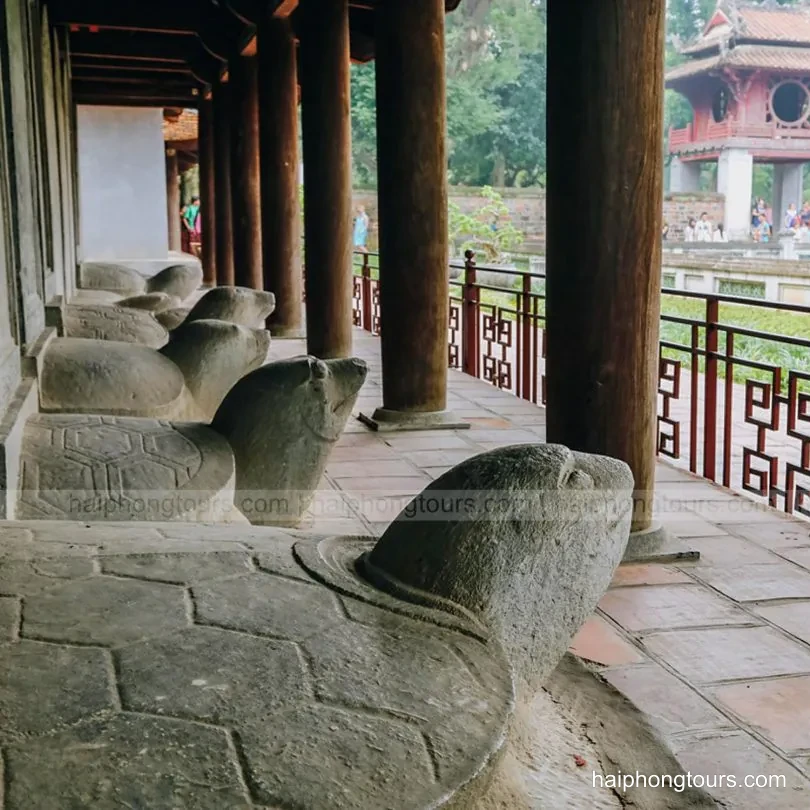
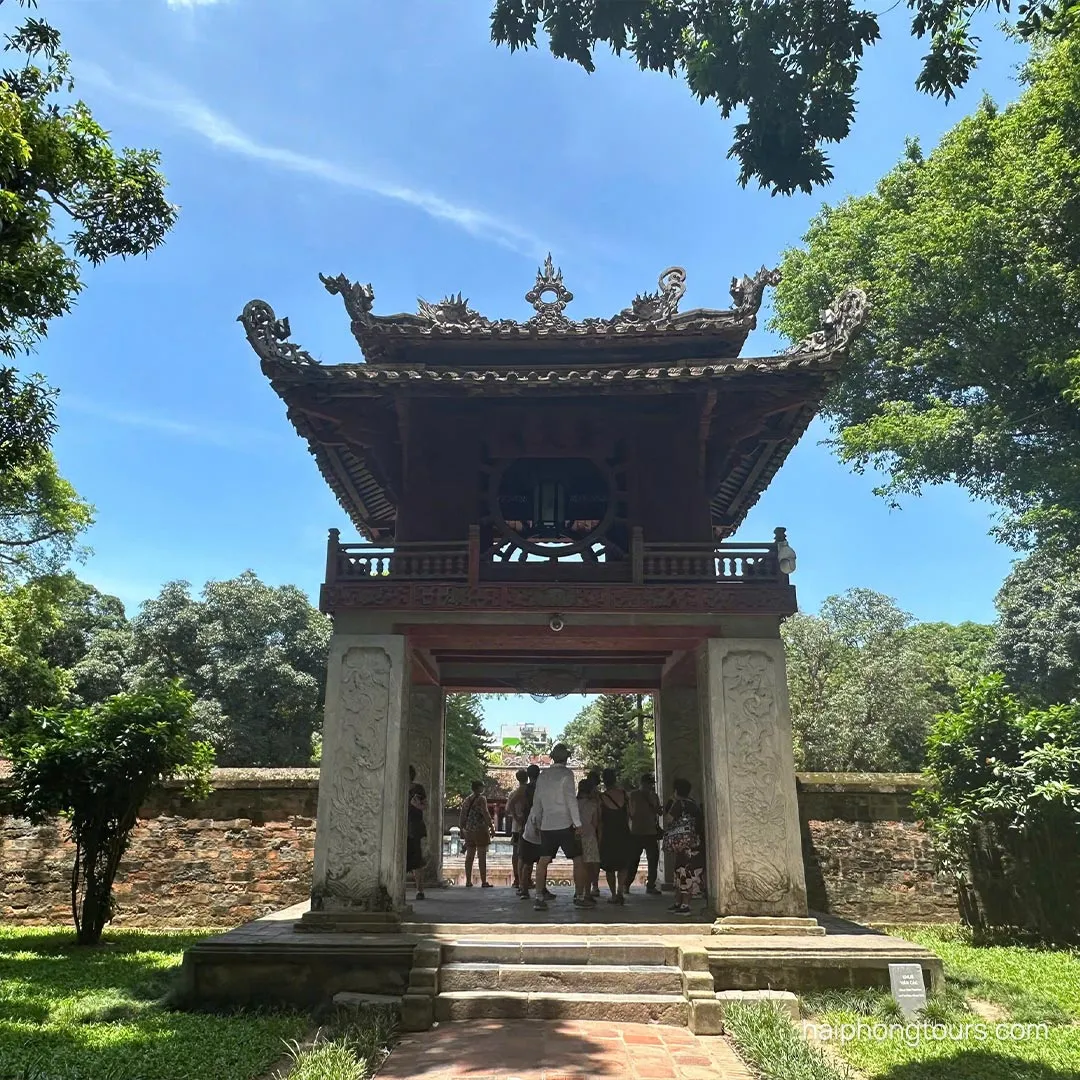
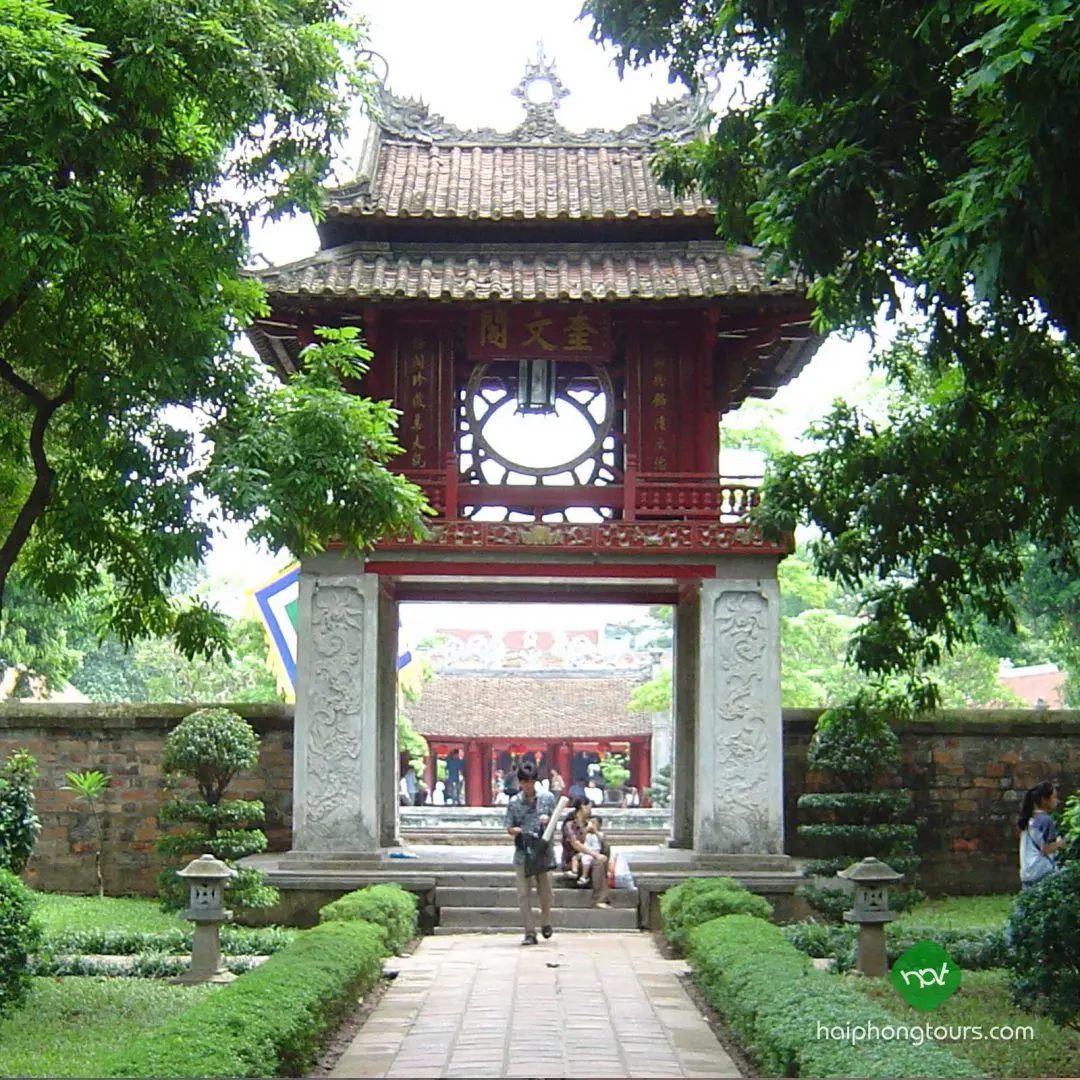
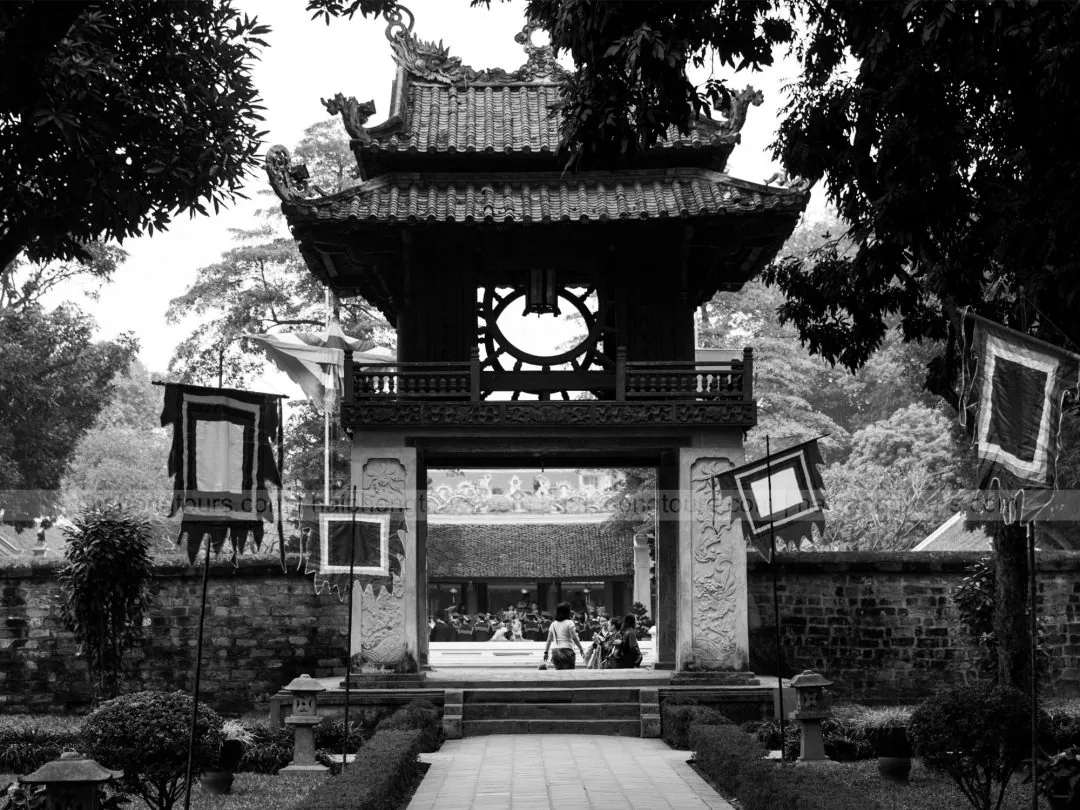
The Temple of Literature introduces Hanoi’s scholarly and examination heritage through courtyards, ceremonial buildings and doctoral stelae. The Vietnam Literature Museum follows writers, texts and literary life, with a substantial emphasis on modern authors.



If you have one short first visit to Hanoi and mainly want architecture, the temple is the more obvious choice. Choose the museum when a particular writer, the history of publishing or the relationship between literature and society interests you. A name containing “literature” does not make the two places substitutes.
What gives this museum its character
The museum stands on a site associated with the Vietnam Writers’ Association’s Quang Ba writing school during the 1960s and 1970s. That connection makes it a place linked to literary work, rather than simply a building containing books.
Its displays combine a broad historical outline with the more personal evidence of writing: drafts, notebooks and objects connected with authors. You can look at how a text was developed, preserved and remembered, instead of moving only between famous names.
Start with the earlier literary tradition
The first floor introduces the older literary tradition and the world of scholarship, including figures such as Nguyen Trai and Nguyen Du. Use this section to establish the connection between education, public service and writing before moving to the modern authors upstairs.
Do not feel that you must read every label in sequence. Pick a writer or theme you recognize, then ask how the displayed object connects with their work. A specific question is more useful than trying to absorb an entire national literary history in one visit.
Continue with the writers’ lives upstairs
The upper floors introduce modern writers, including recipients of the Ho Chi Minh and State literature and arts awards. The second floor also includes a model of Xom Choi, a base of the literary and artistic community during the resistance against French rule.
Notice the difference between an author’s working material and a later commemorative display. Both are useful, but they tell different stories: one about how writing happened, the other about how a writer’s place in cultural memory was established.
Three objects that make the visit more concrete
A few collection examples can give you a focus before arriving. Ask staff where they are displayed during your visit rather than expecting every item to remain in the same case.
Chu Lai’s literary notebook
Chu Lai’s notebook contains writing from 1967–1968, during his wartime experience in southern Vietnam. Its importance is the link between immediate observations and the material that later fed his fiction.
Look at it as a working tool. Notes can reveal the process behind a finished book even when you cannot independently read every line. An explanation of one page can be more illuminating than a quick photograph of the whole display.
To Hoai’s Chuyen Nha Chu manuscript
To Hoai’s handwritten Chuyện nhà Chử draws on the Chu Dong Tu and Tien Dung legend. He gave the manuscript to poet Phan Thi Thanh Nhan to read and comment on; she later donated it to the museum.
The object connects two kinds of literary history: the reworking of an older legend and the exchange of a draft between writers. It is a useful starting point for thinking about how a familiar story can become a new work.
Nguyen Tri Huan’s Chim En Bay manuscript
The handwritten manuscript of Chim én bay, completed in 1987, offers another approach to war writing. The novel follows the human aftermath of conflict and the persistence of memory, rather than concentrating only on battles.
Comparing that manuscript with Chu Lai’s notebook gives you a more focused visit than treating all war-related literary objects as one category. One helps you consider notes made close to experience; the other opens a discussion about how memory becomes fiction afterward.
The outdoor displays
The grounds include ceramic reliefs connected with folk literature and sculptures of earlier literary figures. They provide a visual change of pace after the indoor cases, especially if your group has different levels of interest in manuscripts.
Use the names on the sculptures as a reading list to explore later. The grounds are part of the museum visit, so follow the same rules about displays and leave plants and objects untouched.
Opening sessions, tickets and the lunch break
The practical plan is Monday to Friday, 8 a.m.–noon or 1:30–5 p.m., with a break between sessions. Obtain direct confirmation for weekends and public holidays; a weekend group arrangement is not the same as ordinary walk-in opening.
The listed adult admission is VND 40,000. Discounted school and student categories have their own conditions. Confirm any guide, workshop or special-program charge separately from normal entry.
For a focused morning visit, arriving around 9 a.m. leaves room before the lunch closure. In the afternoon, arrive early enough to explore the upper floors before closing rather than treating 5 p.m. as a last-entry time.
When arranging a visit, state your date, group size, preferred language and any author or collection you especially want to see. That gives staff a more useful starting point than asking only whether the building is open.
Making it worthwhile without reading Vietnamese
Prepare a short English introduction to one or two authors and keep their names and book titles in Vietnamese on your phone. That makes it easier to identify the corresponding display and to ask staff for help.
If you need an English-speaking guide, arrange that before traveling to the museum. Do not assume that a scheduled school-group program, documentary screening or specialist presentation will include English interpretation.
You can still appreciate the physical evidence of literary work, but manuscripts become far more meaningful with explanation. Our North Vietnam guide for book lovers helps connect the museum with reading, book browsing and other literary places.
Workshops and evening programs need separate arrangements
The museum runs educational experiences, including documentary screenings and printing activities on do paper for organized visits. These are programmed activities rather than something every walk-in ticket automatically includes.
You may also encounter the name Chữ Tâm, Chữ Tài in descriptions of a literary evening experience. Contact the museum for an actual date, language, duration and ticket before planning a night visit. Regular daytime admission is not confirmation of an evening departure.
Getting there and moving around
The destination is inside Lane 275 Au Co, in Tay Ho. Show the museum name and lane address to your driver; do not request the Temple of Literature. A taxi or app-booked car works well when you are coming from the Old Quarter or another museum across the city.
Because the collection occupies three floors, contact the museum about access to each level if stairs are difficult. Decide in advance which sections you most want to see rather than assuming the full route is step-free.
Do not bring food or drinks into the museum. Avoid touching objects or leaning on cases, and ask about photography before recording. Researchers who want to study collection material should arrange that separately; admission does not provide unrestricted handling or archival access.
A good visit ends with one or two authors you want to read, rather than a long list of names you rushed past. Choose a weekday session, leave time for interpretation and build the visit around the literary questions that interest you.
Useful guides for your trip
Would you like help fitting this experience into your trip? Contact us with your travel dates, starting point, available time and group size. Tell us about walking limits or special interests so we can suggest a practical itinerary.