
The Vietnam National Museum of History is a useful Hanoi stop for understanding the country’s modern history through documents, photographs and objects. Plan your current visit around 216 Tran Quang Khai Street. The museum’s other building, at 1 Trang Tien, has suspended visitor admission for renovation, so the usual ancient-to-modern experience across two buildings is unavailable.
The open Tran Quang Khai collection follows Vietnam from the mid-19th century through independence movements, war and postwar reconstruction. Allow about 90 minutes to two hours. Choose a morning or afternoon session: regular hours are 8:00 a.m.–noon and 1:30–5:00 p.m., Tuesday through Sunday.
Understand the two addresses before traveling
The museum combines two formerly separate institutions. Its Trang Tien building is associated with archaeology and the history of Vietnam through the Nguyen dynasty. The Tran Quang Khai building was the Vietnam Museum of Revolution and holds the modern-history narrative.
Visitor admission at 1 Trang Tien has been suspended since December 15, 2025, during renovation. A reopening announcement is needed before you plan to enter that site. Photographs of bronze drums, ancient ceramics or the Trang Tien building’s distinctive architecture do not describe the collection you can currently visit at Tran Quang Khai.
Use Vietnam National Museum of History, 216 Tran Quang Khai, Hanoi as your destination, and confirm the visitor entrance with staff if arriving from a side street. Do not confuse it with the Vietnam Military History Museum in western Hanoi or Hanoi Museum, which focuses on the capital.
What makes the open collection worth your time
The strength here is the connection between political events and the material evidence around them. Newspapers show how ideas circulated; personal belongings connect events to people; everyday items reveal how families lived through war and economic change.
The museum presents a Vietnamese national and revolutionary interpretation of this history. Read the dates, provenance and explanation of each object alongside the broader narrative. A named person’s possession and a later commemorative image can both be interesting, but they answer different historical questions.
This is a good choice if you want more context for Hanoi’s 20th-century history and have the patience to read. If ancient civilizations or royal art are your main interest, choose another stop while Trang Tien is closed. The Hanoi museum comparison helps match those interests with the right collection.
Follow four themes through the modern-history display
Colonial rule, political ideas and independence
The first broad period covers the struggle for independence between 1858 and 1945. Documents and photographs are useful here because the story involves organizing, publishing and communicating as well as confrontation.
Pay particular attention to the newspapers. The collection includes revolutionary publications from the 1930s, including the French-language Hanoi weekly Le Travail. Even without reading every word, you can study the language, layout, publication date and intended audience.
Look for the connection between print and people: who produced a publication, who could read it and how it was distributed. This gives a newspaper a place in the historical story rather than leaving it as an old page behind glass.
Resistance against France and the Dien Bien Phu campaign
The 1946–1954 displays combine major events with evidence of mobilization and daily support. The collection includes a household rice jar associated with supplying troops, alongside documents and military objects.
For the Dien Bien Phu material, communications equipment and tools deserve attention alongside weapons. The collection includes a radio used by communications soldier Chu Van Mui, a pickaxe and equipment associated with moving artillery. Read the labels for their particular use and provenance rather than treating all small objects as interchangeable wartime equipment.
These items help explain the labor and coordination behind a campaign. You do not need specialist military knowledge to appreciate the relationship between supplies, communication and the people responsible for them.
Wartime life and reunification
The 1955–1975 section covers military events and the work of keeping everyday life functioning. Displays include objects associated with labor, shelters, road building and civil life, adding another scale to the political narrative.
Choose an ordinary item and read its story in full. Consider what it was made from, why it was needed and whether its use changed during conflict. This approach is often more revealing than trying to memorize every campaign date.
Reconstruction, rationing and economic change
Do not rush past the postwar section. Ration coupons, food-purchase books and household goods make the period of the centrally planned subsidy economy more tangible. The Vietnamese term bao cap often appears in discussions of this era.
Compare these items with the shopping and food culture you encounter outside the museum. A ration book helps explain how obtaining daily necessities once depended on a different system. The later displays introduce reconstruction and the economic changes associated with Doi Moi.
Treat this as historical context for contemporary Vietnam, rather than expecting every recent development to have its own up-to-date gallery.
The building is part of the story
The Tran Quang Khai building was constructed in 1917 for the Indochinese customs administration. It later became the Vietnam Museum of Revolution, which opened in 1959, before the national museum was formed by merging the history and revolution museums in 2011.
That change of use is worth considering as you move through the rooms: a building once used by the colonial administration now presents the history of resistance to colonial rule. It adds a layer of meaning beyond the individual display cases.
Hours, admission and English guiding
- Regular visiting days: Tuesday through Sunday.
- Morning: 8:00 a.m.–noon.
- Afternoon: 1:30–5:00 p.m.
- Regular closure: Monday. Public-holiday openings and Tet arrangements can follow separate notices.
- Listed standard adult admission: VND 40,000. Confirm the current charge at the open site’s ticket desk.
A ticket does not reopen a closed gallery. Plan for the Tran Quang Khai collection and ask which temporary displays are accessible that day. Bring relevant identification if requesting a student, child or other concession.
The museum offers English guided visits by prior arrangement. Give your preferred date, available time and interests when contacting staff. A guide can be particularly useful if you want the relationship between the documents and the wider chronology explained without trying to translate every label yourself.
Organized educational activities and the Discovery Room can add value for a school or family group, but should be arranged rather than assumed to run continuously for walk-in visitors.
Plan one uninterrupted visiting session
A practical morning is arrival around 9:00 a.m., followed by 90 minutes to two hours in the galleries and lunch afterward. In the afternoon, arriving around 1:30 or 2:00 p.m. leaves a useful window before closing.
A late-morning arrival is less convenient because the galleries close at noon. Do not assume you can remain inside over the break. Keep a temporary exhibition or a return to your favorite section as optional time, after completing the main route.
For a focused visit, select one document, one personal or household object and one object connected with a major event. Record the names and dates that make them meaningful. Three well-understood objects can give you a clearer memory of the museum than dozens of unlabeled photographs on your phone.
Access, photographs and nearby plans
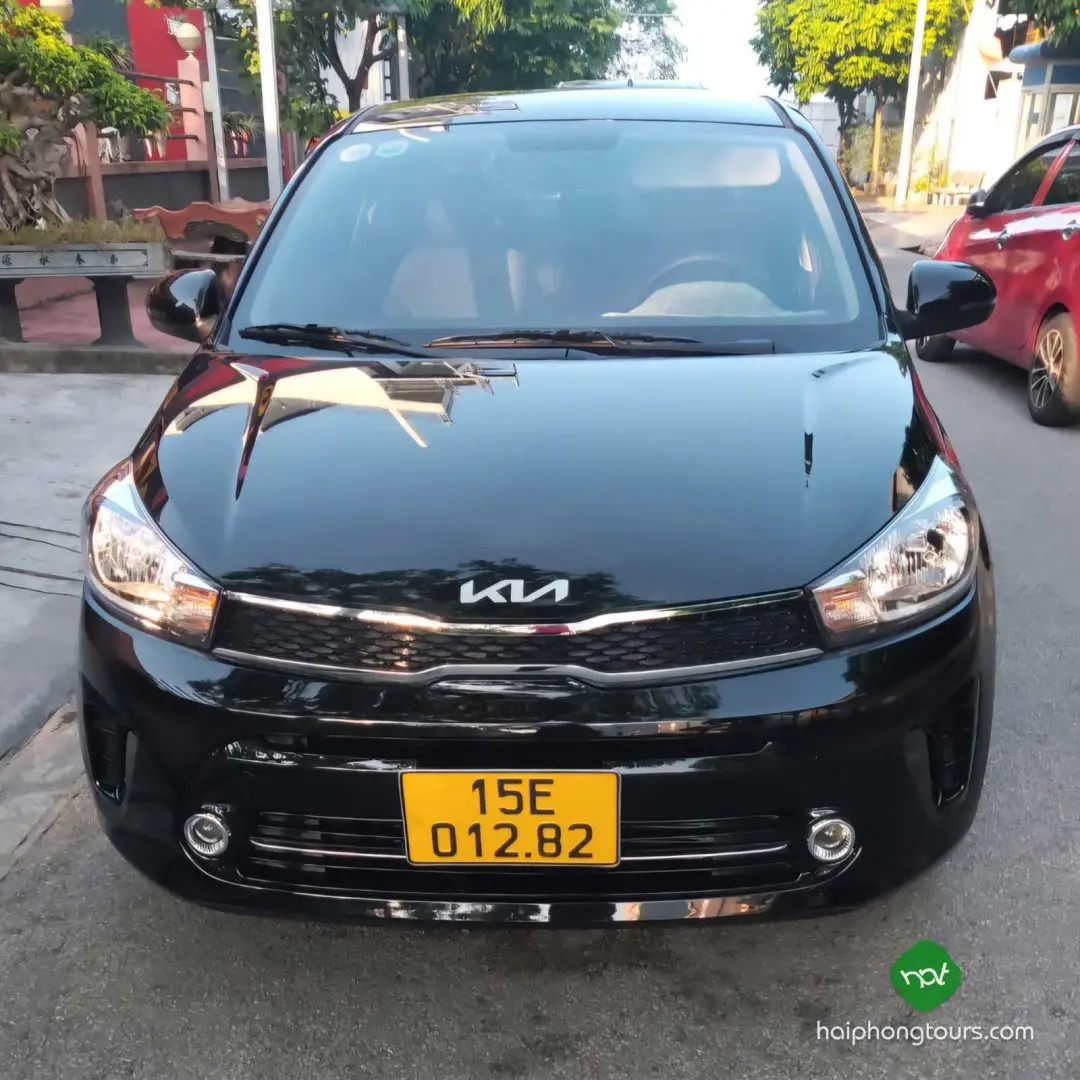
The museum sits in central Hanoi near the Opera House area. A taxi or ride-hailing trip is straightforward to arrange, but give the Tran Quang Khai address in full. If walking, use proper crossings around the busy streets and leave time for the final approach.
Ask staff about the current photography rules before using a camera, and arrange permission ahead for professional filming or research work. Follow bag-storage instructions, keep food outside the galleries and do not touch objects. If stairs or long periods standing affect your visit, ask about access to the rooms you want before setting out.
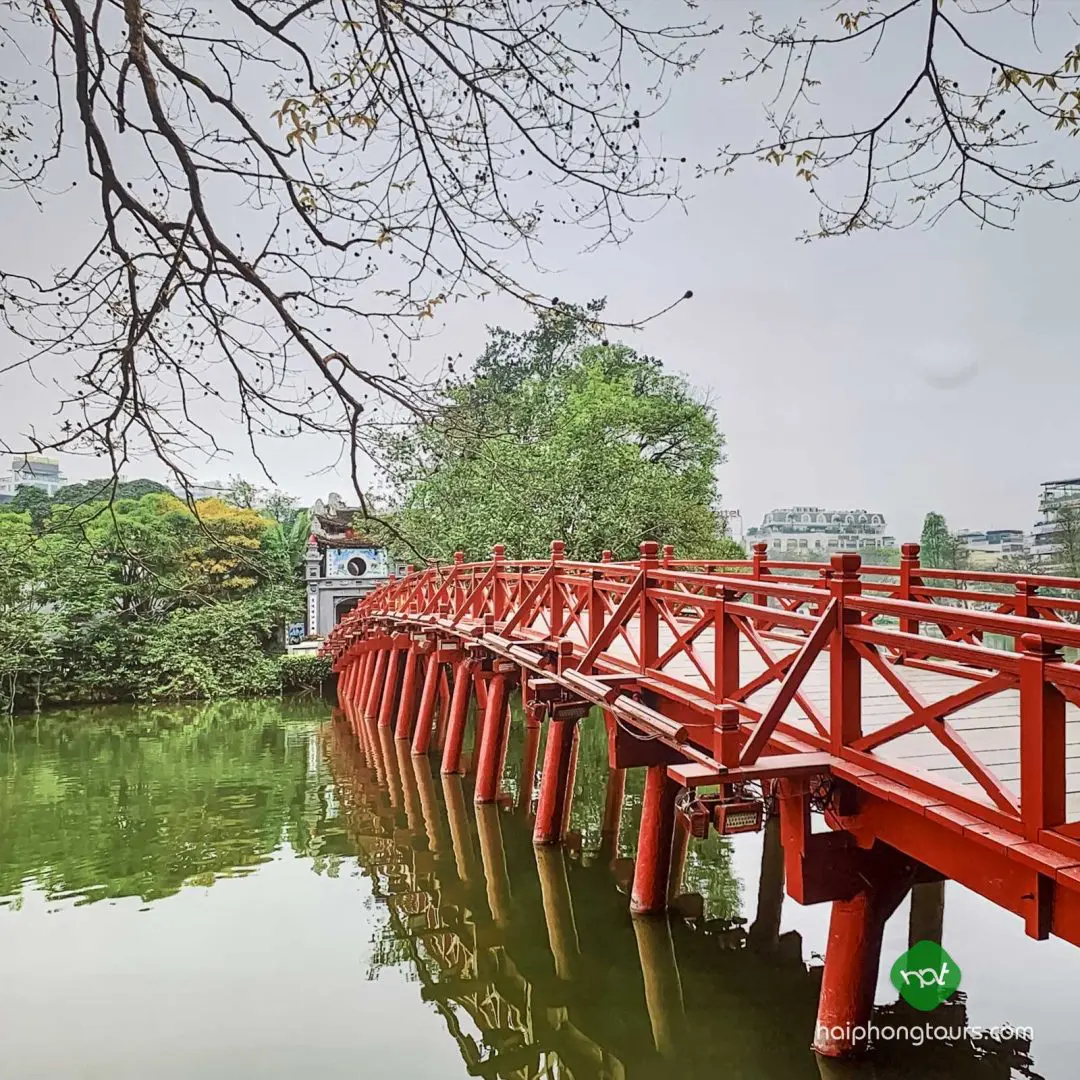
Afterward, a meal or a walk toward Hoan Kiem Lake gives the history some breathing room. If you want to explore earlier periods, schedule the Thang Long Imperial Citadel as a separate visit for archaeological remains, surviving structures and later command rooms.
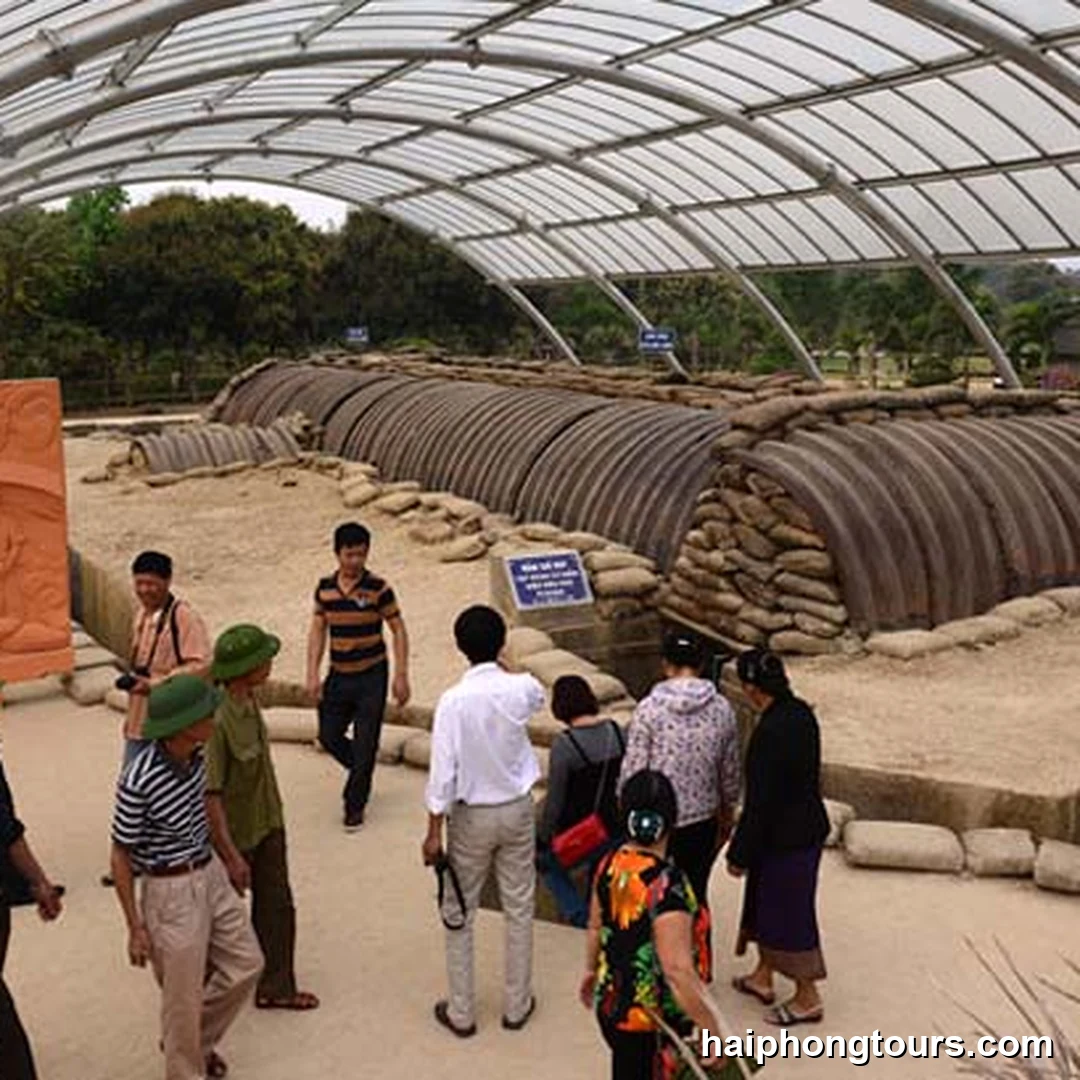
For a longer journey, the North Vietnam history and heritage guide connects museum context with places such as Co Loa, Hoa Lu and Dien Bien Phu. Choose the next place by the historical question that interests you, rather than adding another museum simply to complete a list.
Useful guides for your trip
Would you like help fitting this experience into your trip? Contact us with your travel dates, starting point, available time and group size. Tell us about walking limits or special interests so we can suggest a practical itinerary.