
A useful Vietnam travel budget separates everyday spending from the expensive parts of the itinerary. Accommodation, meals and short local journeys are one calculation; international flights, travel between destinations, cruises and major excursions are another. A daily allowance that excludes those larger bookings is not the total cost of your holiday.
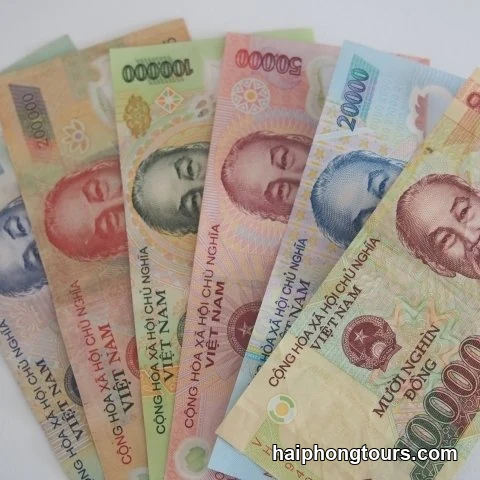
For an initial plan, you might test an everyday allowance of 700,000 VND per person for a simple hostel-based day, 1,200,000 VND per person when two adults share a modest hotel room, or 2,500,000 VND per person with more room and dining comfort. These are illustrative spending plans, not guaranteed market prices. Replace the assumptions below with quotes for your dates before deciding what you can afford.
Start with three example daily budgets
These examples cover an ordinary day in one destination. They exclude international flights, visas, insurance, travel between cities, major tours, overnight cruises and shopping.
- Simple solo day: 700,000 VND. Allow 250,000 for a dorm bed, 250,000 for food and drinks, 100,000 for local transport and 100,000 for modest sightseeing costs. This requires choosing accommodation and meals that fit those limits.
- Two adults sharing: 1,200,000 VND per person. Allow 450,000 each toward a 900,000 VND room, 350,000 each for food and drinks, 200,000 each for local transport and 200,000 each for sightseeing. The couple’s daily total is 2,400,000 VND.
- More comfort: 2,500,000 VND per person. Allow 1,200,000 each toward a shared 2,400,000 VND room, 600,000 for food and drinks, 400,000 for local transport and 300,000 for sightseeing. Luxury resorts, private guides and special experiences can take the budget well beyond this example.
A solo traveler using a private room cannot simply use half the couple’s room price. Equally, a family should price the actual room configuration, extra beds and children’s charges instead of multiplying an adult allowance by a convenient fraction.
Build the total before booking
Total trip budget = accommodation nights + daily spending + intercity travel + major activities + preparation costs + a contingency.
Count nights separately from days. A ten-day trip may involve nine accommodation nights, while early check-in, a late departure or an overnight flight can change the rooms you need. Mark what each prepaid booking already includes, especially meals and transfers.
A worked example for two adults: ten days, nine nights
The following is an arithmetic example for a relatively simple route, using assumed prices to show the method. It is not a package offer or a promise that these rates will be available.
- Shared hotel room: 9 nights × 900,000 VND = 8,100,000 VND.
- Food and drinks: 10 days × 2 people × 350,000 VND = 7,000,000 VND.
- Local transport: 10 days × 400,000 VND for the couple = 4,000,000 VND.
- Ordinary attraction entries: 2,000,000 VND for the couple.
- Travel between destinations: an assumed 3,000,000 VND for the couple, to be replaced with actual tickets and transfers.
- One separately priced excursion: an assumed 3,000,000 VND for the couple.
- Subtotal: 27,100,000 VND.
- Illustrative 10% contingency: 2,710,000 VND.
Example total: 29,810,000 VND for two adults, before international flights, visas, insurance, mobile connectivity and shopping. Adjust the daily spending lines if the excursion includes food, transport or admission already counted elsewhere. A flight-heavy route or an overnight cruise needs its own calculation.
1. Costs to arrange before your trip
Entry permission and visa fees
First check whether your passport, visit length and itinerary qualify for visa-free entry. Vietnam’s e-visa can be issued for up to 90 days, with single-entry and multiple-entry options. The government application fee is US$25 for single entry or US$50 for multiple entries.
You can apply personally through the official Immigration Department e-visa portal; hiring an agency is optional. If you use one, separate its service charge from the government fee. Check the permitted dates and entry conditions on your approval, and allow time to correct application errors before travel.
If your itinerary leaves Vietnam and later returns, check the permission needed for both entries. Do not assume that a single-entry visa covers a side trip to another country followed by re-entry.
Insurance
Compare policies using your age, country of residence, trip length and activities. Check medical treatment, evacuation, cancellation and interruption cover separately, along with exclusions and excesses. Diving, trekking and motorcycle use may need particular cover.
Get a policy quote before finalizing the budget. If you are already abroad, check whether you can buy the policy in that situation and when coverage begins. A small cash contingency does not replace insurance.
SIM, eSIM or roaming
Allow a separate amount for connectivity rather than hiding it in your daily meal budget. Compare the complete SIM or eSIM price, data allowance, validity, calls and any activation charge. An advertised data-package fee may exclude the SIM itself.
For a local mobile subscription, use an official operator outlet or authorized seller and bring the identification required for registration. Viettel’s tourist registration process uses passport information. Check that your phone is unlocked and, for an eSIM, compatible with the product.
Mobile data is useful for maps, booking messages and meeting drivers. Hotel Wi-Fi can reduce data use, but it is not a substitute when you are trying to find a pickup point outdoors.
2. Accommodation: compare the complete stay
Hostel dorm beds are normally priced per person, while a hotel or guesthouse quote may be for the whole room. Compare two dorm beds with one private room before deciding which is cheaper for a couple.

For each candidate, check the total after taxes and service charges, the number of occupants, breakfast, bathroom arrangement, air conditioning and cancellation terms. A cheaper room farther from the places you will visit can add taxi costs every day.
Pay attention to windows, bed configuration and noise expectations. A room described as “superior” or “deluxe” does not establish a consistent standard across different properties. Choose the features that matter to you rather than relying on the room-category name.
Price your actual dates, particularly around Tet, public holidays and busy weekends at domestic holiday destinations. Do not assume that a low weekday rate will apply throughout a multi-stop trip.
3. Food and drink: budget for how you eat
Local noodle shops, rice meals and banh mi can help control spending, but a national price list for every dish is a poor guide to your final bill. Location, serving size, ingredients and dining style all matter.
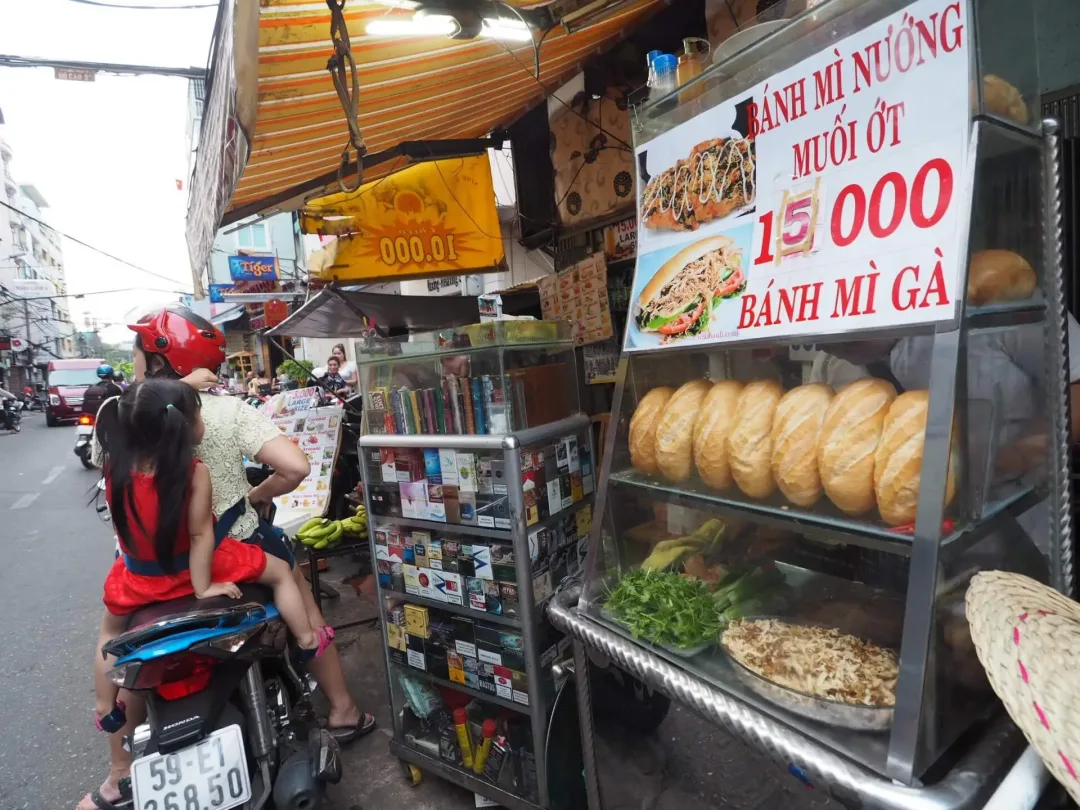
Use a few menus near your intended accommodation to build a realistic meal allowance. Include breakfast if the hotel does not provide it, drinking water, coffee, snacks and alcohol. A modest lunch budget can be overtaken by several cafe stops or evening drinks.
For seafood, check whether the price is per portion, per kilogram or per 100 grams, then agree on the weight and preparation before ordering. For shared dishes, calculate the table total rather than assuming every menu price buys an individual meal.
Keep a separate amount for a cooking class or a special restaurant meal. If a class includes lunch, deduct that lunch from the ordinary food allowance instead of paying for it twice in the plan.
4. Transport: price the journey from door to door
Domestic flights
Compare the final fare with the baggage you will actually carry, applicable fees and any seat choice you need. For example, Vietjet’s Eco fare treats checked baggage as an additional purchase. Fare families and airlines differ, so compare inclusions for the specific booking.
Add the journey to the departure airport and from the arrival airport to your accommodation. Two inexpensive flights can still create a costly day when airport transfers and baggage are added.
Trains and buses
For a train, check the exact stations, travel date and seat or berth category. A berth in a shared compartment is different from reserving a whole compartment. For a bus, confirm the boarding point, arrival point, luggage allowance and whether hotel pickup actually covers your address.
Include taxis to terminals and any early-arrival arrangements. An overnight journey only replaces a hotel night if its timing works for your itinerary; a paid early check-in or day room can reduce the saving.
Compare a slower, more direct route with an itinerary that repeatedly changes region. For a short trip, removing one long transfer can save both money and a substantial part of a sightseeing day.
Local rides and private transfers
Check the fare in the booking app for your actual pickup point and time. Toll, airport, parking or other charges may be additional, and changing the route can alter the total. Avoid relying on a fixed “maximum taxi price” for an entire city.
When comparing a private car with shared transport, establish whether the quote is per vehicle or per person. Include luggage capacity, pickup and drop-off coverage, tolls, waiting time and any stops. A vehicle price split between several travelers can compare differently from the same price paid by one person.
If your route is still taking shape in northern Vietnam, the HPT transfer directory lets you compare the relevant journeys before adding transport to the budget. Price the direction you need, and distinguish a one-way transfer from a sightseeing day with a waiting driver.
Motorcycle rental
Do not choose a scooter solely because the daily rental appears cheap. Check whether your licence is recognized for the vehicle, whether you have suitable riding experience and insurance, and what the rental agreement says about damage. Add fuel, parking and the appropriate equipment to the cost.
If those requirements do not fit your circumstances, budget for a car, public transport or a driver. A rental shop agreeing to hand over a motorcycle does not establish your legal entitlement or insurance cover.
5. Activities and cruises: compare the same package
Keep a separate list for major expenses such as a guided Mekong Delta day, Cu Chi excursion, Da Lat adventure activity, Ba Na Hills visit, Hoi An cooking class, Sapa trek or bay cruise. Compare each one using your dates and required inclusions.
An attraction ticket is different from a guided tour with transport. A low advertised figure may cover entry only, while another includes pickup, a guide, meals and several sites. Compare the complete day rather than the first price you see.
- Confirm the route: departure point, actual stops, duration and return arrangements.
- Confirm inclusions: admission, equipment, guide, food, drinks and transport.
- Check personal supplements: solo occupancy, extra beds, children’s rates and holiday charges.
- Read cancellation terms: include what happens if the operator cancels because of weather.
- Evaluate upgrades by features: cabin or room size, balcony, deck, bedding and other specific benefits. An upgrade can have value, but its name alone does not explain it.
How to budget an overnight bay cruise
An overnight cruise may replace a hotel night and several meals, so remove the items it actually includes from the rest of your plan. Then add any transfer, drinks, single supplement and activities that are excluded. Check whether the cruise quote is per person sharing a cabin or for the whole cabin.
Compare HPT’s day and overnight cruise options by itinerary and inclusions before choosing the amount to set aside. A day cruise and a two-day, one-night cruise cover different experiences and expenses; a cheap starting price does not make them equivalent.
6. Money, payment fees and your contingency
Keep the working budget in Vietnamese dong and convert it using the rate available through your bank or chosen payment method. A rounded currency estimate is useful for planning, but the amount charged can differ because of conversion and transaction fees.
An ATM withdrawal can involve a local machine fee and charges from your own bank. Check the displayed fee and your bank’s conditions rather than assuming one bank always has the cheapest withdrawals or highest limit.
If a card terminal or ATM offers to convert the transaction into your home currency, compare its exchange rate and markup. Choosing VND allows your card’s conversion arrangements to apply instead. Avoid accepting a conversion without seeing its cost.
Carry enough small cash for places that need it, alongside a backup payment method. Track both prepaid bookings and expenses paid during the trip: otherwise, a holiday can look cheap on the ground simply because the largest items were paid earlier.
A contingency of around 10–15% can be a useful planning choice, with more flexibility for a loosely scheduled trip. It should cover ordinary overruns and changes, while emergency funds and insurance need separate consideration.
7. Save money where it improves the trip
- Reduce unnecessary moves. Spend longer in fewer places when another destination adds an expensive transfer and little usable time.
- Choose accommodation by total cost. Count breakfast, transport, luggage storage and cancellation flexibility.
- Share suitable expenses. Compare a private room or vehicle for your actual group, while keeping personal tickets and meals separate.
- Book the important parts first. Secure the room, berth or cruise cabin you care about, then fit smaller activities around those commitments.
- Compare like with like. Ask for a written description of the route and inclusions before choosing an excursion by price.
- Watch the remaining balance. Record deposits and amounts still due so that you arrive with the right funds.
Once you have a route, accommodation quotes and prices for the experiences you most want, replace every assumed figure in your budget. That produces a useful total for your own Vietnam trip and shows exactly where a change in plans will save money.
Would you like help fitting this experience into your trip? Contact us with your travel dates, starting point, available time and group size. Tell us about walking limits or special interests so we can suggest a practical itinerary.