
The Vietnamese Women’s Museum in Hanoi is a rewarding choice when you want to understand daily life, family relationships and cultural identity through people’s belongings and stories. Its three permanent themes cover women in family life, women in history and women’s fashion. Allow about 90 minutes to two hours, with more time if you enjoy textiles or use the English audio guide extensively.
The museum is at 36 Ly Thuong Kiet Street, central Hanoi, south of Hoan Kiem Lake. Its regular opening is 8:00 a.m. to 5:00 p.m. every day, including Monday. That makes it a practical cultural stop on a day when several other Hanoi museums normally close.
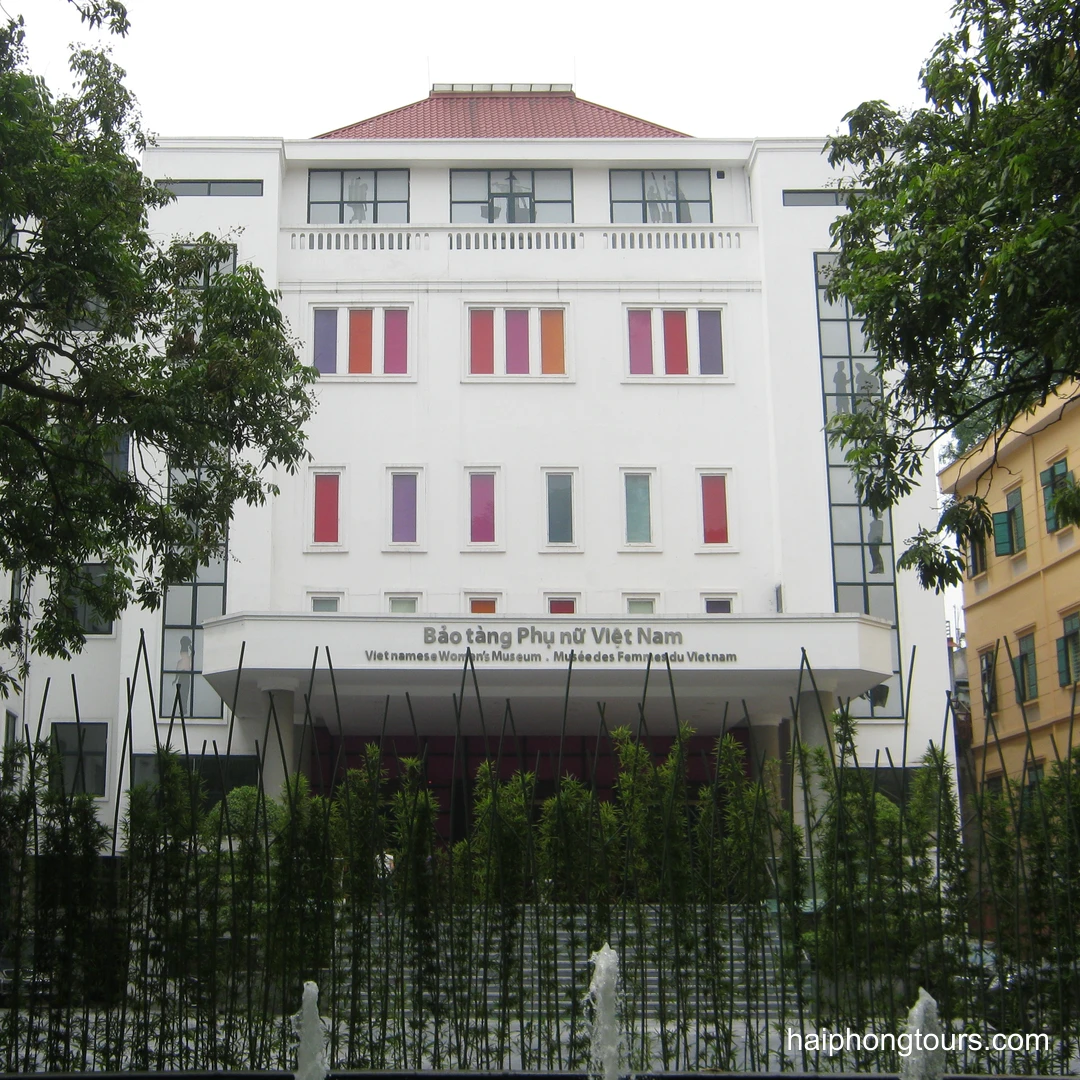
Choose this museum for social history and close looking
The collection connects large subjects with recognizable things: clothing, jewelry, photographs, household objects and the possessions of particular people. You can follow a historical narrative, but you can also build a satisfying visit around one question, such as how clothing is made or how marriage changes family relationships.
It suits travelers interested in work, culture and individual lives, including people who would not normally choose a military or archaeological museum. For a broad comparison before committing your time, the Hanoi museum comparison explains the different subjects and locations.
The museum is also useful before visiting northern mountain communities. Its textile and family displays provide vocabulary and context; they do not replace learning from people in the places you later visit.
Women in family life: look beyond the wedding clothes
This section follows marriage, birth and the work of sustaining a household. Wedding objects become more meaningful when you notice who gives them, which family receives them and where the couple is expected to live.
The displays introduce both patrilineal traditions, in which descent follows the father’s family, and matrilineal traditions, in which it follows the mother’s. Read the community and period attached to an object. A practice documented for one group is not a rule followed by every Vietnamese family today.
Daily work deserves as much attention as ceremonial dress. Cultivation, small businesses, weaving, sewing and childcare show how family life connects with economic activity. A tool or a piece of cloth can tell you about skill, time and responsibility as well as decoration.
A useful way to explore is to choose one household object and one marriage object. Read their labels fully, then compare what each reveals about the person who used it. This makes the room easier to remember than a rapid circuit of every case.
Women in history: follow the people behind the events
The history displays cover women’s participation in resistance struggles, life during war and roles in contemporary society. The emphasis moves between public action and personal experience, including the consequences of conflict for families.
Read names and dates alongside the objects. A photograph or an ordinary possession means more when you know whose it was and what happened to that person. The museum presents Vietnamese accounts of these events; it is particularly useful for understanding how women’s contributions and sacrifices are remembered.
Some material concerns loss and wartime hardship. If you are visiting with children, choose a few stories you can discuss together and adjust the pace to their interest. You can spend longer with the clothing and family displays without making every historical section compulsory.
Women’s fashion: learn to distinguish the techniques
The fashion galleries reward looking at a small area of a garment rather than only its overall color. Embroidery, batik, applique and weaving produce patterns in different ways. Once you can identify the difference, northern Vietnam’s craft shops and textile collections become much more interesting.
- Embroidery: thread is stitched into an existing cloth. Look for the direction and density of the stitches.
- Batik: wax protects parts of the cloth during dyeing, leaving a pattern when the wax is removed.
- Applique: pieces of fabric are sewn onto a background. In reverse applique, cuts in an upper layer reveal a contrasting layer beneath.
- Woven patterns: the design is created as the textile is woven, rather than simply added after the fabric is finished.
Compare a patterned sleeve with a headdress or a piece of jewelry. Consider its material, weight and likely occasion of use. Clothing can communicate community identity, age, status and personal skill, but an old museum garment should not be treated as everyone’s everyday clothing today.
The displays also address older beauty practices, including tooth blackening and betel use. Approach these as part of cultural and social history, with attention to the people and period described.
If the collection makes you want to learn a process yourself, use the North Vietnam craft workshop guide to distinguish a hands-on lesson from a demonstration or shopping visit.
English audio, guided visits and temporary exhibitions
The museum offers an audio guide in English, with stories across the three permanent themes. Ask about the current charge, equipment and how to select the recordings before beginning. You do not need to listen to every entry; choose the objects that interest you and leave time to look at them.
English guided visits for groups can be arranged in advance through the museum. Call and give your date, group size, preferred language and interests. An arranged guide is especially useful for a group with a shared subject, such as textile production or women’s wartime experiences.
Temporary exhibitions can add contemporary issues, personal stories or another creative perspective. See what is running on your visit date before allocating extra time. An exhibition mentioned in an older review, a special workshop or an evening event may have been a limited program.
A practical 90-minute visit
The following is a suggested allocation, not a prescribed museum route. Use the entrance map to find the displays and change the balance to match your interests.
- First 10 minutes: buy admission, choose English interpretation if wanted and identify any temporary display you especially want to see.
- Next 25 minutes: explore family life, following a few objects through marriage, birth and work.
- Next 25 minutes: choose several historical stories and read the people, dates and objects together.
- Next 20 minutes: compare textile techniques, dress and ornaments.
- Final 10 minutes: return to a favorite display or browse the shop.
For a two-hour visit, add time to the subject you enjoy most instead of trying to absorb every label. Arriving by about 3:00 p.m. gives a more comfortable afternoon than leaving a full visit until the final hour.
Tickets, access and facilities
Buy your admission at the museum and check the displayed tariff for your visitor category. Confirm the audio-guide charge separately before paying; do not assume interpretation or a special activity is included in a standard ticket. Bring relevant identification if requesting a concession.
The museum lists a lift, wheelchair access, available wheelchairs and an accessible toilet, as well as free lockers and Wi-Fi. If you need a wheelchair or a particular step-free route, contact the museum before traveling so staff can advise on the usable entrance and galleries.
There is a children’s Discovery Room and organized educational programming. For a family relying on a specific hands-on activity, arrange it in advance rather than expecting a staffed workshop with every walk-in visit. A shorter object-focused route through the permanent displays works independently of a scheduled program.
The cafe provides a place to pause, and the shop carries items connected with women’s craft traditions and museum collections. Ask about the maker, material and care instructions when choosing a textile. A short conversation about an object can make it a more meaningful purchase than selecting only by pattern.
Fit it into a central Hanoi half-day
Use the full name and Ly Thuong Kiet address for a taxi or ride-hailing destination. From the southern side of Hoan Kiem Lake, walking can make sense in comfortable weather; allow for street crossings and use marked crossing points. From farther across Hanoi, plan the journey around traffic rather than straight-line distance.
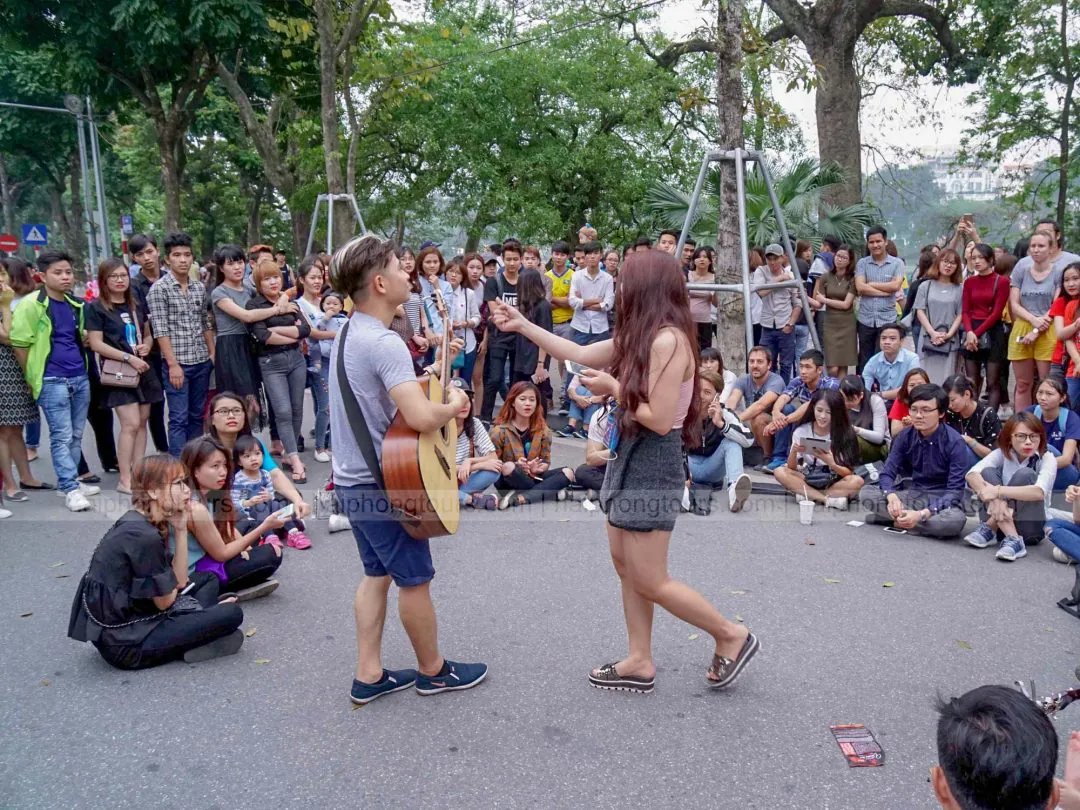
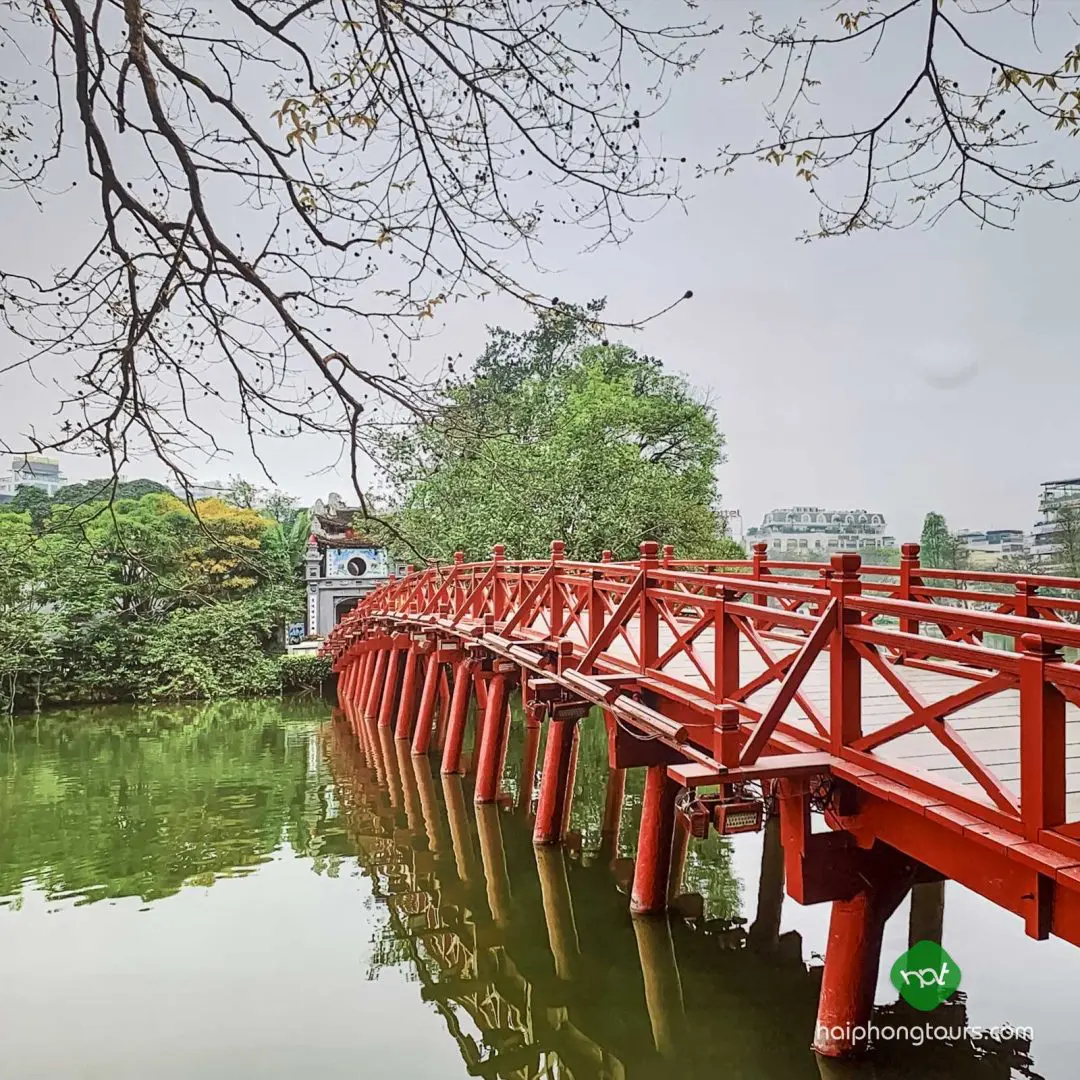
A simple half-day is the museum in the morning, lunch nearby and an unhurried walk toward Hoan Kiem Lake. This gives you time to process the displays without immediately starting another large collection.
Hoa Lo Prison Relic is another nearby cultural stop if you specifically want to continue with modern history. The two visits have different subjects, and Hoa Lo’s account of imprisonment can be emotionally demanding. Add a break and enough time for both rather than combining them solely because they are close.
For the most valuable visit, decide on one thread before entering: family relationships, individual historical stories or the making of clothing. Follow it closely, then use the other sections to broaden the picture.
Useful guides for your trip
Would you like help fitting this experience into your trip? Contact us with your travel dates, starting point, available time and group size. Tell us about walking limits or special interests so we can suggest a practical itinerary.