
If you see women in Vietnam wearing hooded jackets, face coverings, gloves and long leg covers in hot weather, the main reason is usually sun protection. Avoiding a tan, making motorbike travel more comfortable, keeping road dust off clothing and personal style can also influence how much someone covers.
This is a visible everyday habit, not a rule followed by every Vietnamese woman. The garments are often an outer layer known as áo chống nắng, or sun-protective clothing, worn over a normal outfit and removed after the journey. It is not a religious dress code or evidence that the wearer feels cold.
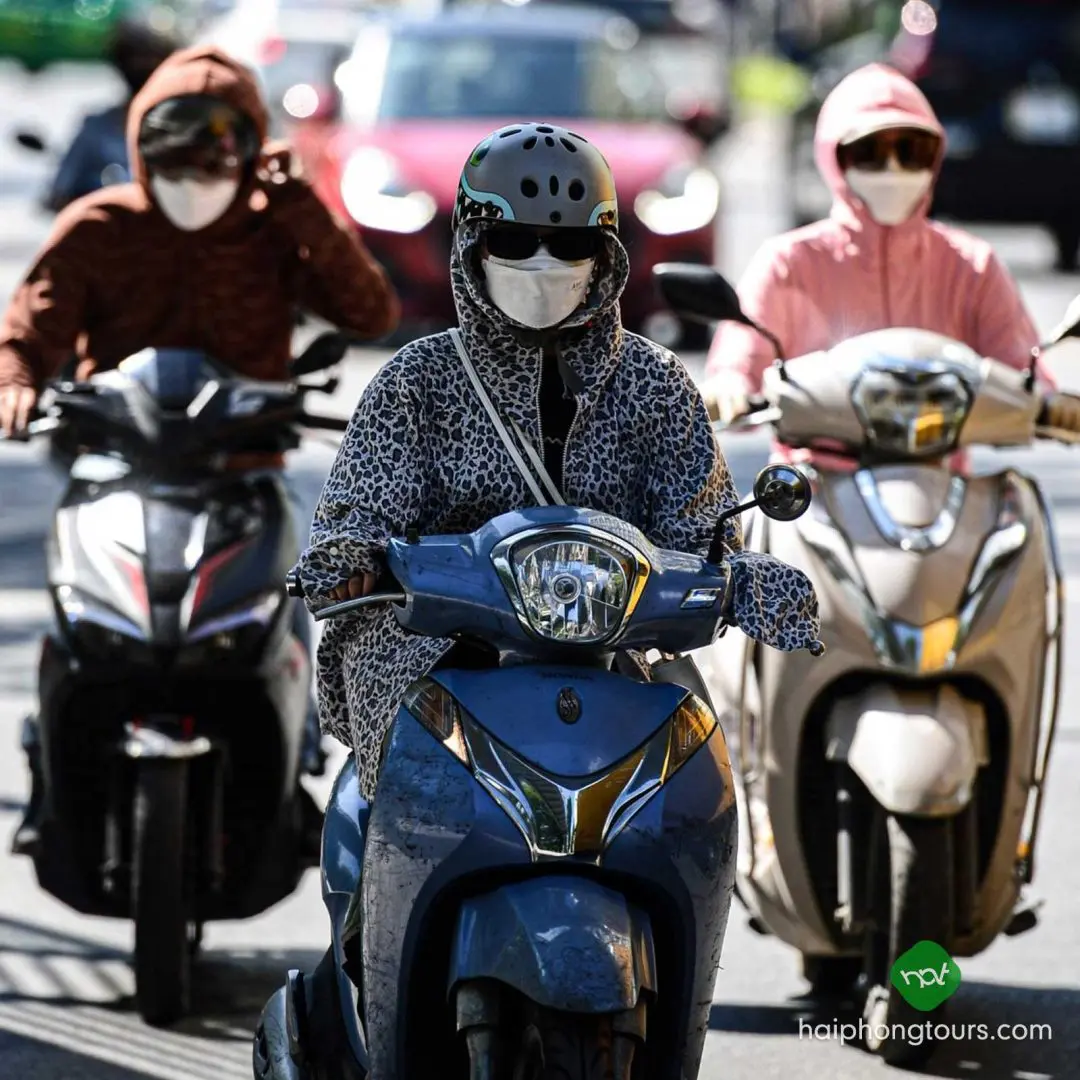
Five reasons women cover up outdoors in Vietnam
- To reduce direct sun and ultraviolet exposure.
- To avoid tanning and maintain a preferred skin tone.
- To make daily motorbike travel more practical.
- To keep off road dust and light rain, and sometimes to reduce pollution exposure.
- To combine comfort, habit and personal style.
1. Protection from strong sun and ultraviolet radiation
Long sleeves, gloves, hoods, masks and wraparound leg covers reduce the amount of skin exposed to direct sunlight. This helps limit sunburn and cumulative ultraviolet exposure, especially during longer journeys in the middle of the day.
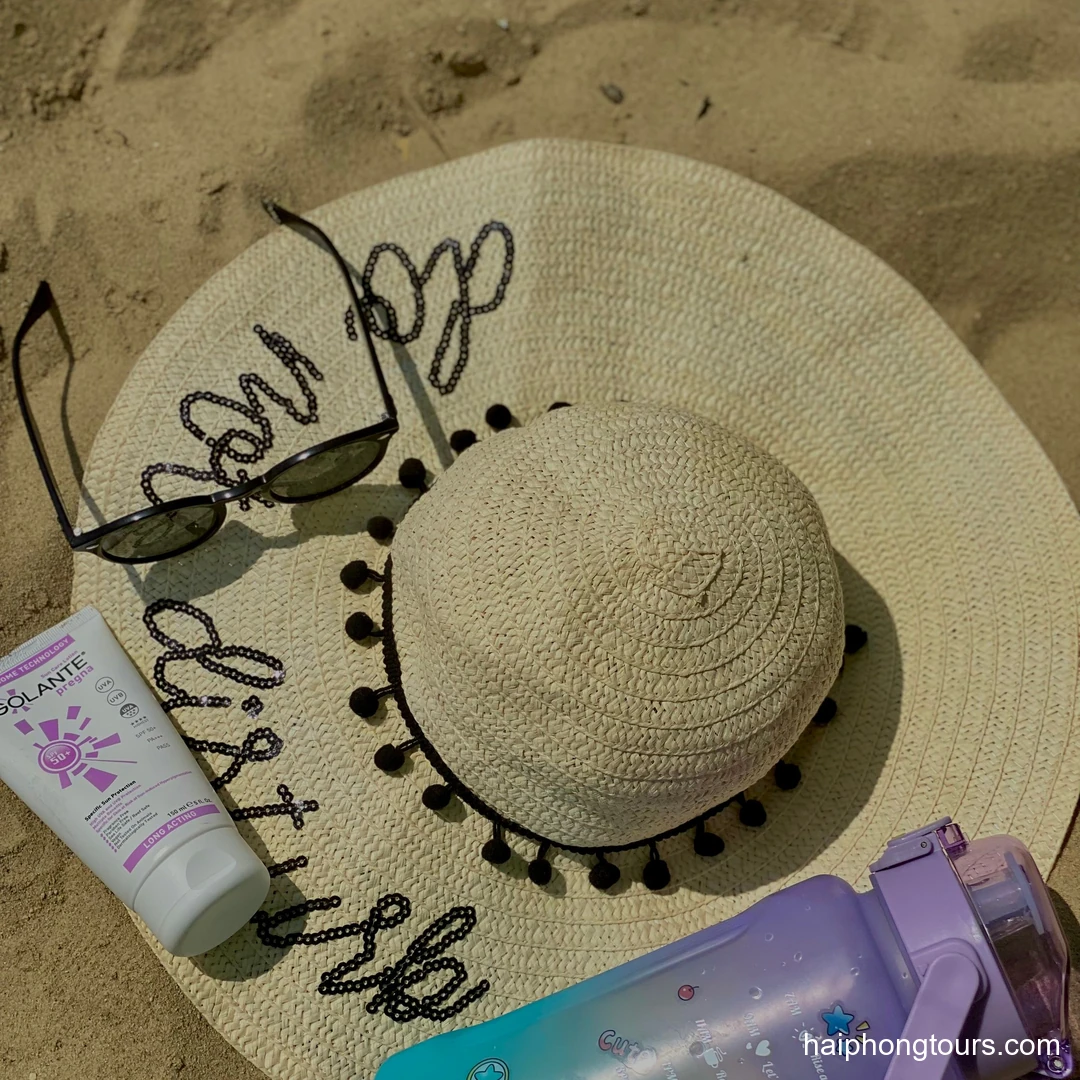
Coverage matters, but not every fabric provides the same protection. Tightly woven, purpose-made UV clothing generally offers more reliable protection than a thin or stretched garment. Shade, a broad-brimmed hat, sunglasses and broad-spectrum sunscreen on exposed skin still have a role.
2. Avoiding a tan
Some Vietnamese women prefer a lighter or more even skin tone and therefore try to prevent tanning. This beauty preference makes sun avoidance more visible among women, although it is not shared by everyone and should not be treated as a judgment about darker skin.
The health and cosmetic reasons overlap. A jacket that limits ultraviolet exposure can also help preserve the wearer’s usual skin tone, so one garment serves both purposes.
3. Practical coverage for motorbike travel
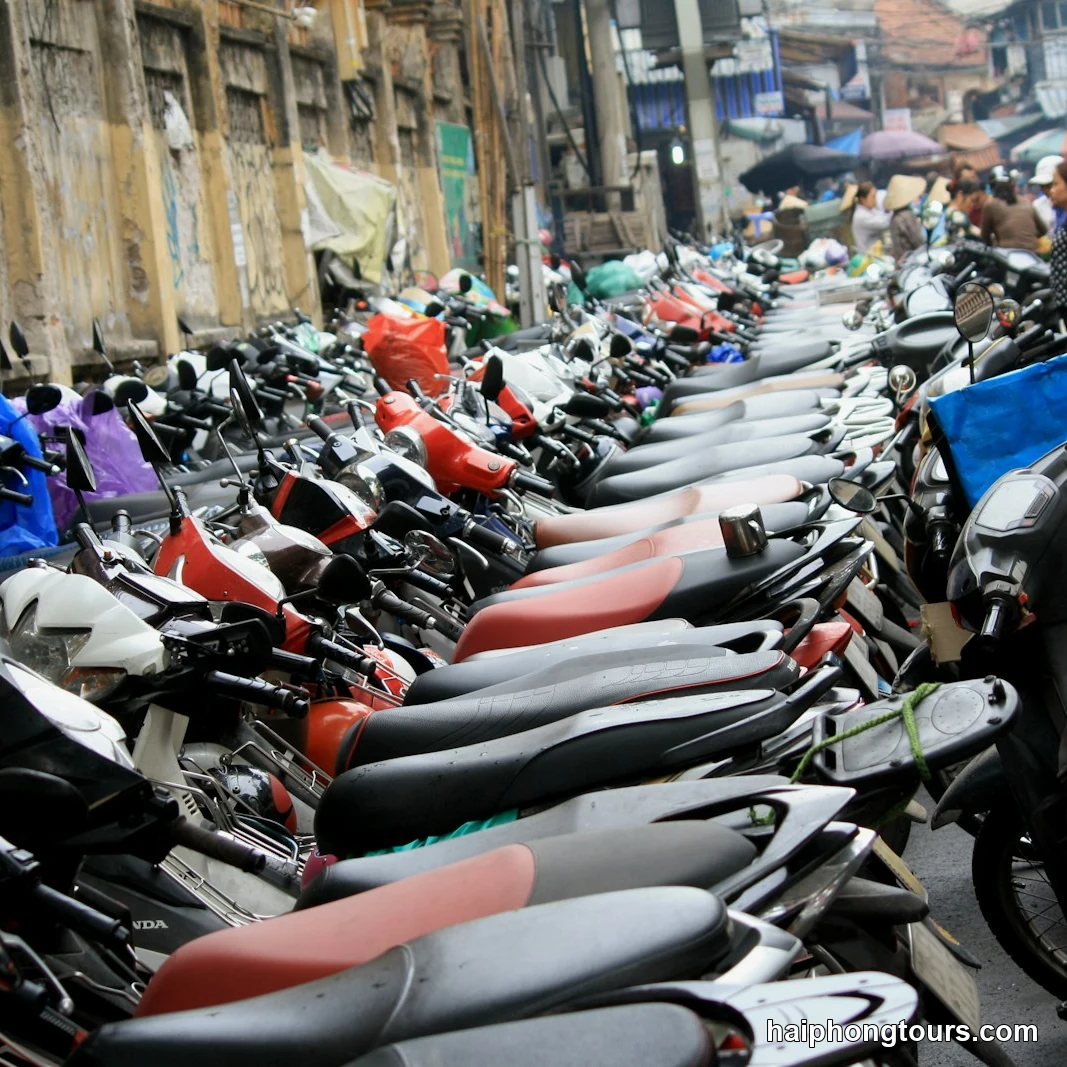
The habit makes more sense when viewed from a motorbike rather than from the sidewalk. A rider may spend a sustained period in direct sun, with the arms, hands and lower legs exposed. Wind and road grit add to the discomfort.
Sun jackets are designed as convenient outerwear: a rider can pull one over work or casual clothes, use an attached hood or hand covers, then remove it on arrival. Long apron-like panels or skirts provide similar coverage for the legs.
These layers do not replace a motorcycle helmet. Loose fabric should also be kept clear of wheels and other moving parts.
4. Dust, light rain and air pollution
Covering exposed skin can keep some road dust off the body and protect the clothes underneath. Many sun garments are also chosen for a degree of wind or light-rain protection, which is useful when weather changes during a journey.
A face mask may be worn because of traffic pollution, dust or respiratory hygiene as well as sun coverage. However, an ordinary fabric or loose surgical mask should not be assumed to filter fine-particle pollution effectively. When air quality is poor, a well-fitting, high-quality particulate mask offers more meaningful protection; clothing itself does not protect the lungs.
5. Comfort, habit and personal style
Sun-protective clothing has become a familiar part of daily travel for many people. Garments are sold in different colors, patterns and levels of coverage, so wearers can choose an option that works with their clothes and feels comfortable on the road.
Long clothing may also reduce mosquito bites, particularly in outdoor or rural settings, but that benefit does not fully explain the heavily covered daytime riders seen in cities. For most of those journeys, sun exposure and motorbike conditions are the more direct explanations.
What travelers should understand
There is no need to read this style of dress as unfriendly, unusually modest or mysterious. It is practical outerwear adapted to sun exposure and everyday transport, with beauty preferences and personal taste layered on top.
Travelers spending time outdoors in Vietnam can follow the useful part of the habit: choose loose, breathable coverage, use sunscreen on exposed skin, seek shade when practical and stay hydrated. On a motorbike, wear a proper helmet and avoid garments that could catch in the vehicle.
Would you like help fitting this experience into your trip? Contact us with your travel dates, starting point, available time and group size. Tell us about walking limits or special interests so we can suggest a practical itinerary.