
Vinh Phuc Museum, now Hung Vuong Museum Site 2, is a useful cultural stop in the Vinh Yen area if you enjoy ceramics and regional history. Its distinctive object is the glazed Tro Pagoda tower: a small, richly decorated Buddhist tower that rewards close looking. Combine the museum with a nearby craft visit, or give it a focused morning while staying in the area.
Use 12 Ly Bon Street, Vinh Phuc ward, Phu Tho for this branch. The Hung Vuong Museum name also appears in Viet Tri, so the street and branch number matter. Allow roughly 60–90 minutes as a planning estimate, with more time if you arrange an explanation of the collections.
Choose the correct Hung Vuong Museum
For the former Vinh Phuc provincial museum, save the Vietnamese name Bảo tàng Hùng Vương cơ sở 2, together with 12 Lý Bôn. Older maps may call the address Ngo Quyen ward, Vinh Yen city, Vinh Phuc. These older names refer to the same museum location.
The museum on Tran Phu Street beside Van Lang Park in Viet Tri is a different branch. The museum within the Hung Kings Temple complex is another destination again. Check the street before booking a car: a general request for the Hung Vuong Museum is not precise enough.
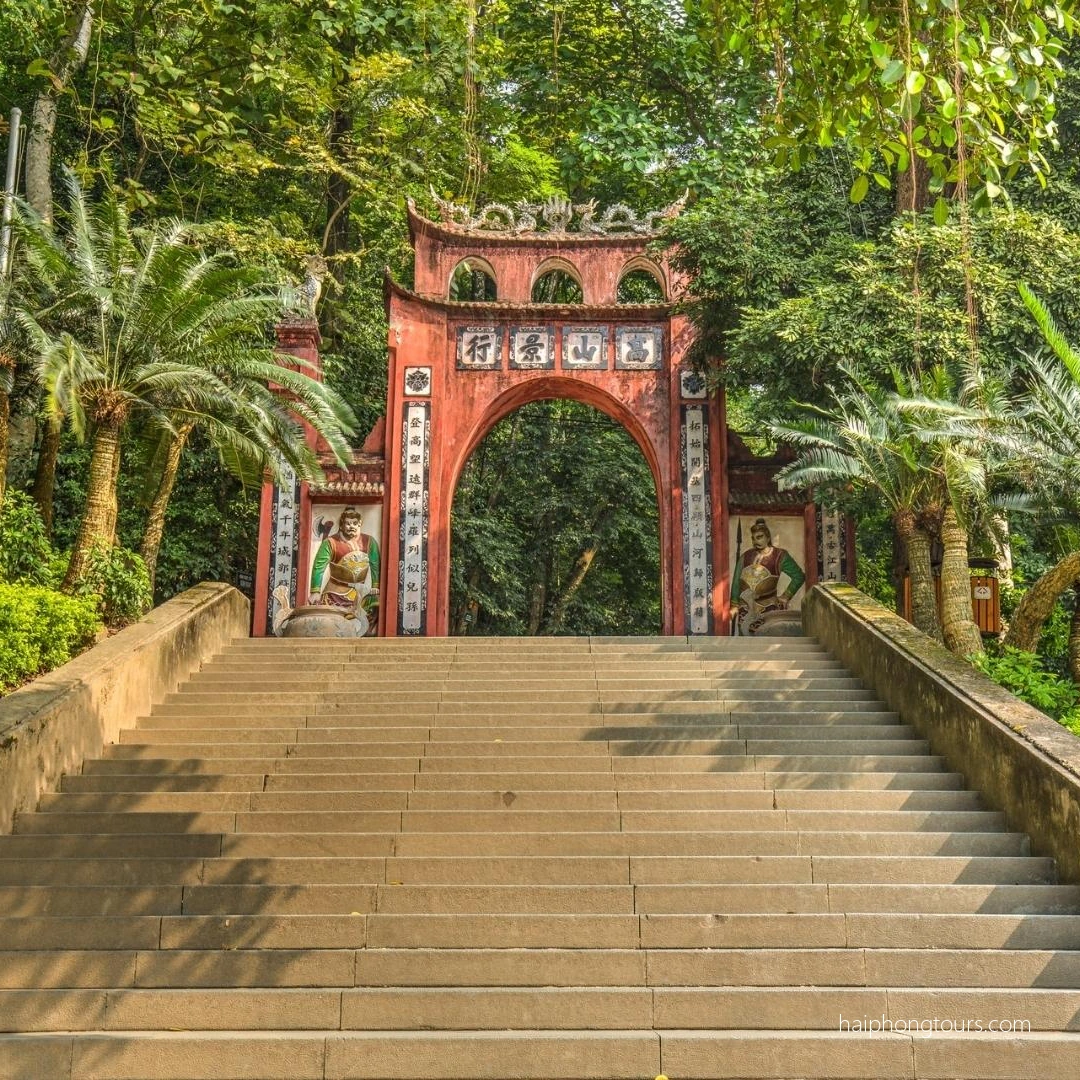
Choose the Ly Bon branch for the Tro Pagoda ceramic tower and the history of the former Vinh Phuc area. If your overnight base and other plans are already in Viet Tri, its central museum may make the simpler outing. The branches are not neighboring galleries that you can move between on foot.
Spend time with the Tro Pagoda tower
The Tro Pagoda glazed ceramic tower, or tháp gốm men chùa Trò, dates to the fourteenth century and is a recognized national treasure. This is a museum object rather than a tower you enter. Its surviving nine tiers taper upward above a square base, combining architecture with miniature religious sculpture.
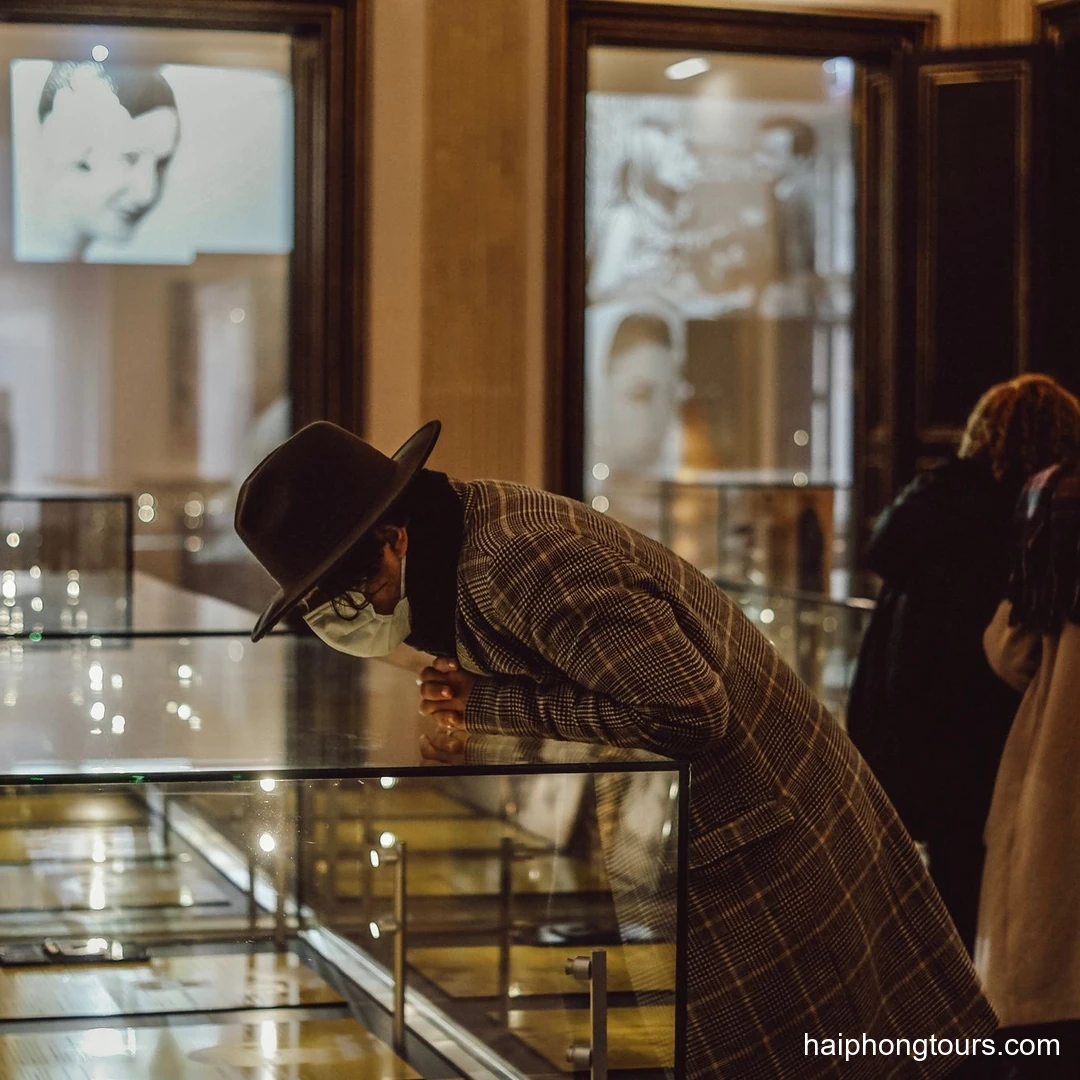
Notice the glaze before the ornament
Look for the combination of jade green, white and brown. The color is part of the ceramic surface, not a modern coat of paint applied to a brick building. Try following one color from the base into the upper tiers; the changing shapes become easier to read when you separate color from decoration.
The tower was assembled from ceramic sections, including its base, pedestal and tiered body. Its hollow construction and arched openings make it a useful object for thinking about how a building can be represented at a much smaller scale.
Work from the lotus base toward the small figures
The lower decoration includes lotus-petal bands. Around the first tier, look for dragons, guardians beside the openings and human-faced bird figures beneath the roof structure. Small Buddha figures continue through the upper decoration. You do not need to count them to appreciate how repetition gives the tower its density.
Choose one visible opening and trace its frame, roof and surrounding figures before moving upward. This is more revealing than trying to photograph the whole object immediately. Ask the museum guide to identify a figure you cannot place, and follow the case barriers and photography instructions.
The object came from Tro Pagoda in Dan Tru village, in the former Yen Lac area. Its original religious setting helps explain the imagery, but the surviving tower is kept at the museum. Going to the village pagoda is not a substitute for visiting this display.
Use the wider galleries to understand the region
The museum follows the area’s story from early settlement through local culture and later political and military history. Archaeological material, clothing, photographs and historical displays provide context beyond the single treasure. Outdoor military exhibits, including aircraft and tanks, add a different scale to the visit.
Rather than trying to absorb every label, choose a question that interests you: how people used ceramics, how regional dress differs, or how a local place fits into Vietnam’s wider history. Ask for a short introduction to that theme. A regional museum can be particularly rewarding when the explanation connects an object to somewhere you will visit afterward.
Do not build the trip around a temporary exhibition shown in an older photograph. Confirm what is currently open, especially if a particular collection is your main reason for coming. Likewise, a school program or group activity does not establish a workshop available to individual visitors.
Arrange a visit with enough interpretation
Ordinary admission is free. Contact the museum at to confirm the opening arrangements for your date and whether an explanation can be arranged. Identify Site 2 on Ly Bon Street in the message, rather than writing only the shared museum name.
Include your date, preferred arrival time, group size and interest in the Tro Pagoda tower. Ask separately about any charge for guided services. For an international visit, confirm the language of interpretation; an advertised history explanation does not by itself mean an English-speaking guide will be waiting.
Plan for a morning or afternoon visit after receiving confirmation, allowing for the midday break. If using your own interpreter, agree on the main theme beforehand so your time goes into understanding the objects. If stairs are difficult, request details of the route to the relevant galleries before arranging transport.
Pair it with one ceramic stop
Huong Canh for living stoneware production
Huong Canh pottery village offers a useful contrast: working makers and dark, unglazed stoneware instead of a historic glazed display object. Arrange a named workshop first, then fit the museum around that appointment. The two stops can form a coherent craft day without adding another distant attraction.
Do not assume a visit includes making, kiln firing or a finished pot to take home. Choose the workshop activity and its duration separately. If the lesson is your priority, give it the longer part of the day and keep the museum focused on the tower and one gallery theme.
Binh Son for architecture at full scale
Binh Son Tower at Vinh Khanh Pagoda is a different option for an architecture-focused itinerary. Its unglazed terracotta structure stands outdoors in a religious compound; the Tro tower is a glazed museum artifact. Comparing them makes the distinction between material, scale and setting easy to see.
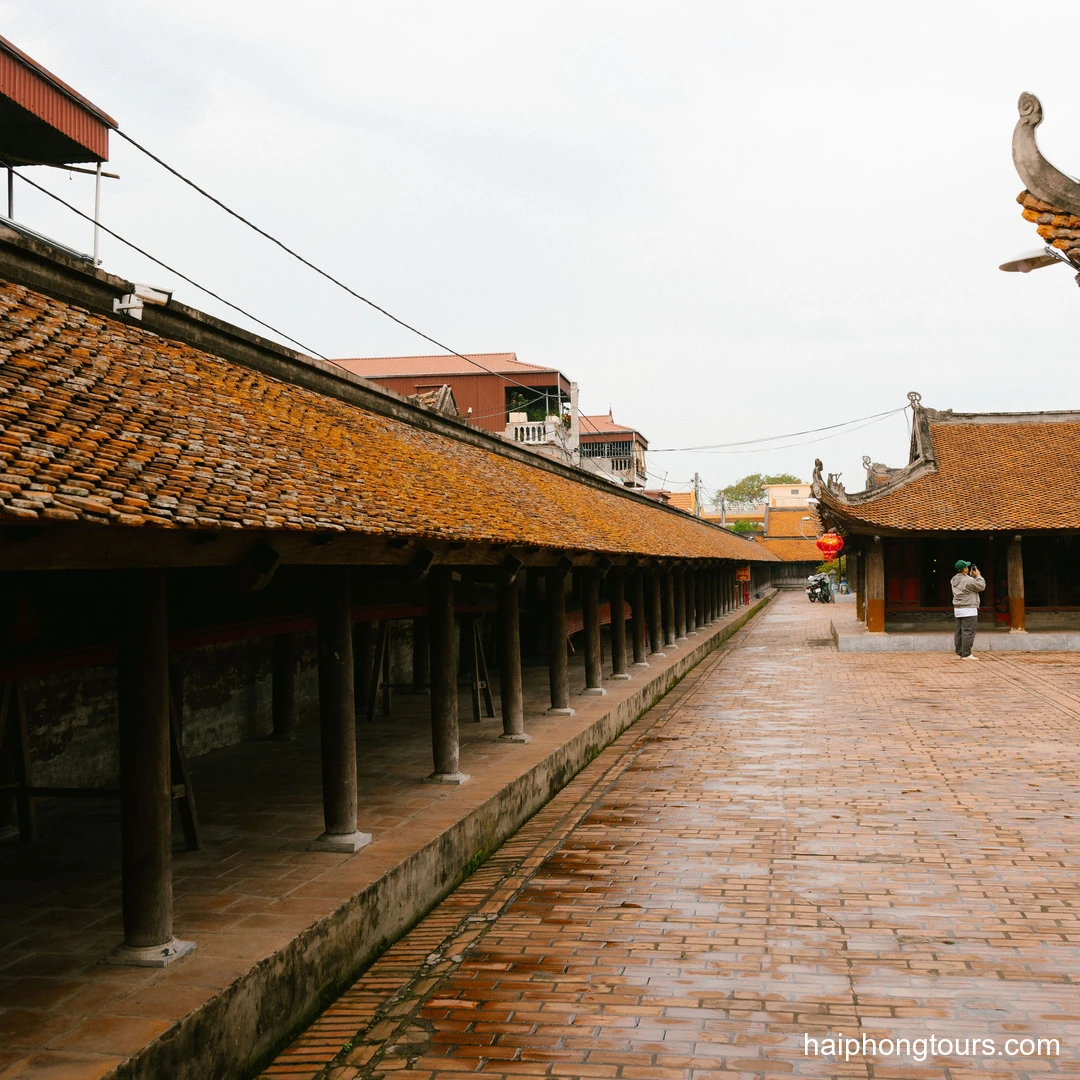
Binh Son requires a separate road journey. Ask the driver to plan both locations and the return before committing, rather than treating it as an extra stop beside the museum. If you have only a short afternoon, keep to Site 2 and leave the larger regional circuit for another day.
The museum is most rewarding when you arrive with a clear focus. Confirm the correct branch and visiting session, give the Tro Pagoda tower time, then use one carefully chosen onward stop to connect its craftsmanship with the surrounding region.
Would you like help fitting this experience into your trip? Contact us with your travel dates, starting point, available time and group size. Tell us about walking limits or special interests so we can suggest a practical itinerary.