
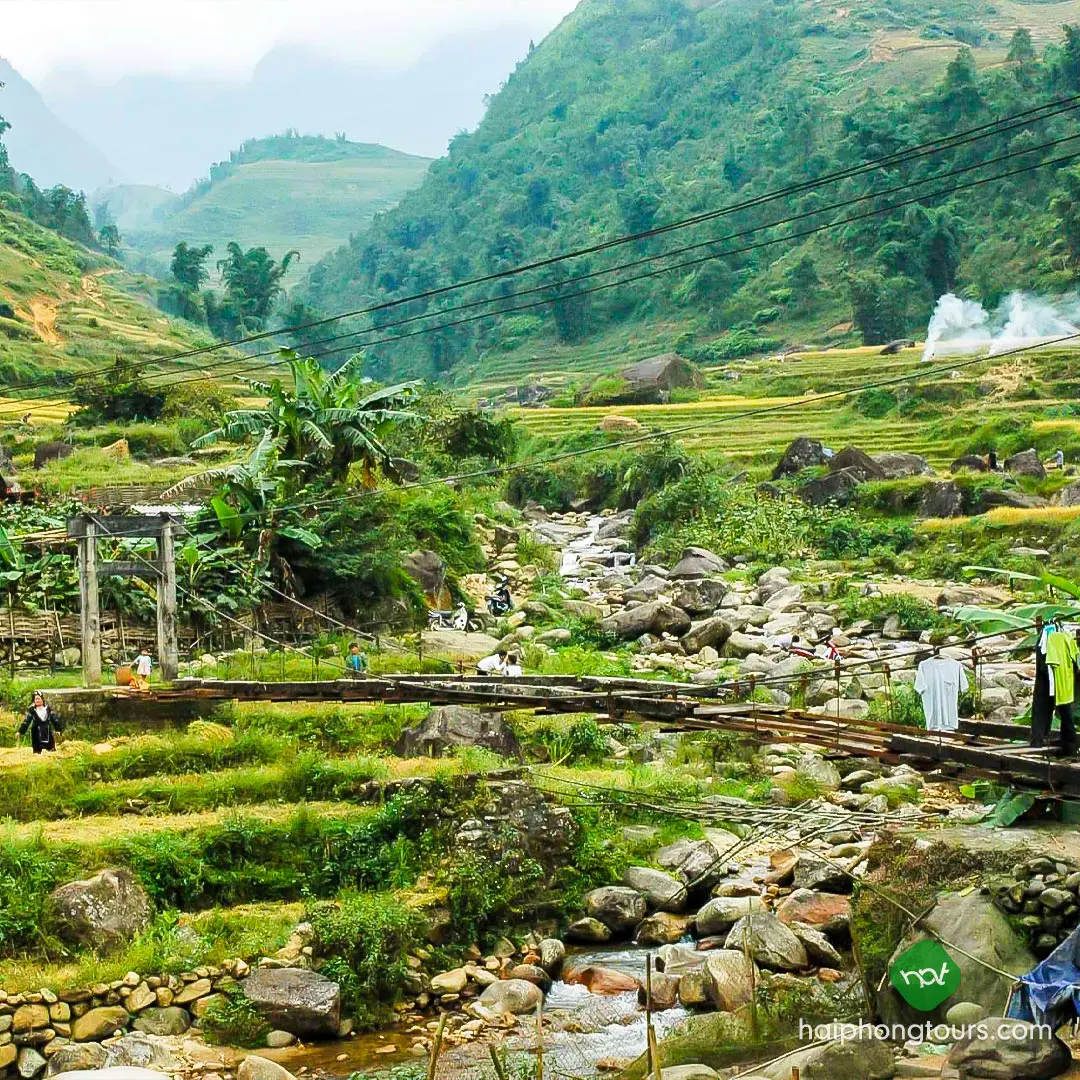
For a short student holiday in northern Vietnam, choose Hanoi if you want food, history and an easy city break. Choose Sapa if you have time for the journey and want mountain walks and a stay near the rice terraces. For a first visit, two or three days in Hanoi is a practical starting point; for Sapa, allow at least three days from Hanoi, preferably with two nights at your destination.
The useful comparison is how much of your break you will actually spend exploring. A cheap overnight ticket does not guarantee a restful journey, and a remote homestay can add transfers to every outing. Start with your return deadline, then choose the destination and accommodation that fit it.
Choose your destination around the time you have
- A weekend or two free days: Hanoi is the more practical first choice, especially if you are already nearby. Keep sightseeing within the city instead of adding a long mountain journey.
- Three or four days from Hanoi: Sapa becomes more realistic. Leave a full day between the outward and return journeys for a walk or village visit.
- Five to seven days: You can combine Hanoi and Sapa without changing accommodation every night. Keep the final night in Hanoi if you have an onward flight or an important commitment there.
These are planning suggestions, not fixed tour durations. If your holiday starts elsewhere, count the journey to Hanoi separately. A late Friday departure and an early Monday class leave less usable time than a three-day gap on a calendar suggests.
Hanoi: history, food and a flexible short break
Hanoi suits students who want to explore independently and choose what to spend on each day. Around Hoan Kiem Lake and the Old Quarter, you can combine walking, inexpensive meals and a coffee stop without buying a package for every activity. Save part of your budget for a historical site where the exhibits add context to what you see in the streets.
Build one day around two historical stops
The Temple of Literature connects naturally with a student trip: its courtyards and doctoral stelae reflect Vietnam’s traditions of learning and examinations. Use the visitor entrance at 58 Quoc Tu Giam rather than assuming every gate allows entry. Leave time to read the displays, and follow signs about dress and protecting the monuments.
Hoa Lo Prison offers a different perspective through the history of imprisonment and colonial rule. Its central location makes it a practical second stop, but the subject matter is serious. Give yourself time to take in the exhibits instead of treating it as a quick photo opportunity.
For an independent day, plan these visits before late afternoon and leave the evening for food and a walk. Both sites list daytime opening from 8 a.m. to 5 p.m.; avoid arriving close to closing time. A nighttime experience, where offered, is a separate booking decision.
If you prefer a guide and organized transport, the afternoon option of the Hanoi City Group Tour includes Hoa Lo and the Temple of Literature, with pickup and return in the Old Quarter. Select the afternoon itinerary when those are your priorities; the morning itinerary visits different places. Confirm the meeting point if your accommodation is outside the pickup area.

Check whether your student card qualifies
Student discounts are not automatic for every international traveler. At the Temple of Literature, the student concession is for students at schools in Vietnam who bring their student card. If you study overseas, budget for the standard adult ticket unless the ticket office confirms your eligibility.
Hoa Lo lists a student reduction with a student card. Bring your original card and ask the ticket office whether your particular document qualifies before buying. Do not build the whole trip budget around an assumed nationwide student discount.
Choose a useful base, not just a cheap bed
A central hostel can reduce local journeys, but check the exact street, room type and noise arrangements. For dorms, confirm whether the price is per bed, whether a locker is available and whether you need your own padlock. For a private room shared with friends, compare the total room price with the cost of separate dorm beds.
If you have coursework to finish, ask about a desk, quiet hours and Wi-Fi where you will actually sit. A busy cafe or social hostel should not be your only plan for an online exam or timed submission.
Sapa: allow time for the mountains and the journey
Sapa is a stronger choice when walking and time outdoors matter more than fitting several cities into one break. Road travel from Hanoi generally takes about five to six hours before allowing for pickup, stops or delays. A train journey reaches Lao Cai, not Sapa town, so you still need an onward road transfer.
Compare the complete journey: where the vehicle leaves Hanoi, where it drops you, the arrival time and the last stretch to your accommodation. For an overnight service, arrange what happens before normal check-in. Saving a room night is less useful if you arrive exhausted and cannot rest before a walk.
Friends who want a vehicle for their own party can compare the private transfer from Hanoi to Sapa with individual bus or train tickets. It is a private vehicle service, so compare the full vehicle quote divided by your actual group size. Confirm luggage space and the exact hotel or homestay entrance; a remote valley address may need different access arrangements from a hotel in town.
Decide between Sapa town and a village stay
- Stay in town if you want a convenient base for arrival, meals and flexible outings. Check the property’s access if you want to avoid steep walks with luggage.
- Stay in a valley village if the setting and a slower stay are the main reason for traveling. Ask how you reach the house, whether meals are available and what a return transfer costs.
For a guided walk, agree on the route, approximate walking time, slopes, meal arrangements and transport back before paying. Tell the organizer if anyone needs a shorter route. A village visit involves people’s homes and working land: ask before photographing residents, entering houses or walking through planted terraces.
Sapa can be cold in winter, and mountain views are not guaranteed in any season. Take layers and shoes with useful grip. During heavy rain or a local warning, change the plan with your host or guide; flooded paths and unstable slopes are reasons to postpone a walk. Leave room in the budget for a town-based day or a changed transfer.
Set a student budget that covers the whole break
Compare Hanoi and Sapa using the same cost categories. Sapa’s transport and optional guiding belong in the total even if the room looks inexpensive. In Hanoi, several small taxi journeys, attraction tickets and cafe stops can also add up.
- Transport: Include the outward and return journey, local pickup and any station or village connection.
- Accommodation: Check the number of nights, bed or room pricing, breakfast and early check-in charges.
- Activities and meals: Separate included meals and tickets from extras, and agree on shared spending before the trip.
- Money held aside: Keep enough accessible for a changed return journey or an unexpected extra night.
Book the return journey before adding optional activities. For a first short break, Hanoi keeps the schedule flexible; for Sapa, protect enough time to enjoy the mountains and return without relying on every connection running exactly to plan.