
North Vietnam can work very well for a woman traveling alone, including on a first trip to Southeast Asia. The most comfortable plan starts with well-connected bases, uses daytime transport for unfamiliar routes, and leaves enough time to check a driver, hotel or tour before committing.
The main challenges are usually practical rather than unusual: chaotic road crossings, late arrivals, pressure from informal transport sellers, isolated mountain roads, mixed-dorm privacy and the risk of losing phone access. This guide turns those concerns into a route and a set of decisions you can use before and during the trip.
Quick answer: is North Vietnam suitable for solo women?
Yes, if you plan each arrival as carefully as each destination. Hanoi, Ninh Binh, Ha Long, Cat Ba and Sapa all receive independent international travelers. Mountain districts such as Ha Giang, Cao Bang, Mu Cang Chai and Y Ty require more preparation because journeys are longer, roads are more weather-sensitive and English support can be limited outside tourist centers.
Safety varies by situation, time and location. No destination is risk-free. A sensible plan reduces exposure by avoiding an exhausted late-night transfer, booking the first night in advance, sharing live trip details with a trusted contact and keeping a backup way to pay and communicate.
A low-stress first route
For a first solo trip, choose three or four bases rather than changing accommodation every night. A practical 10- to 12-day route is:
- Hanoi: 3 nights. Recover from the flight, learn how traffic works, arrange cash and mobile data, and take one structured day tour if you want company.
- Ninh Binh: 2 nights. Stay in Tam Coc for a social, walkable base or near Trang An for a quieter setting. Use a bicycle only on roads that feel comfortable to you.
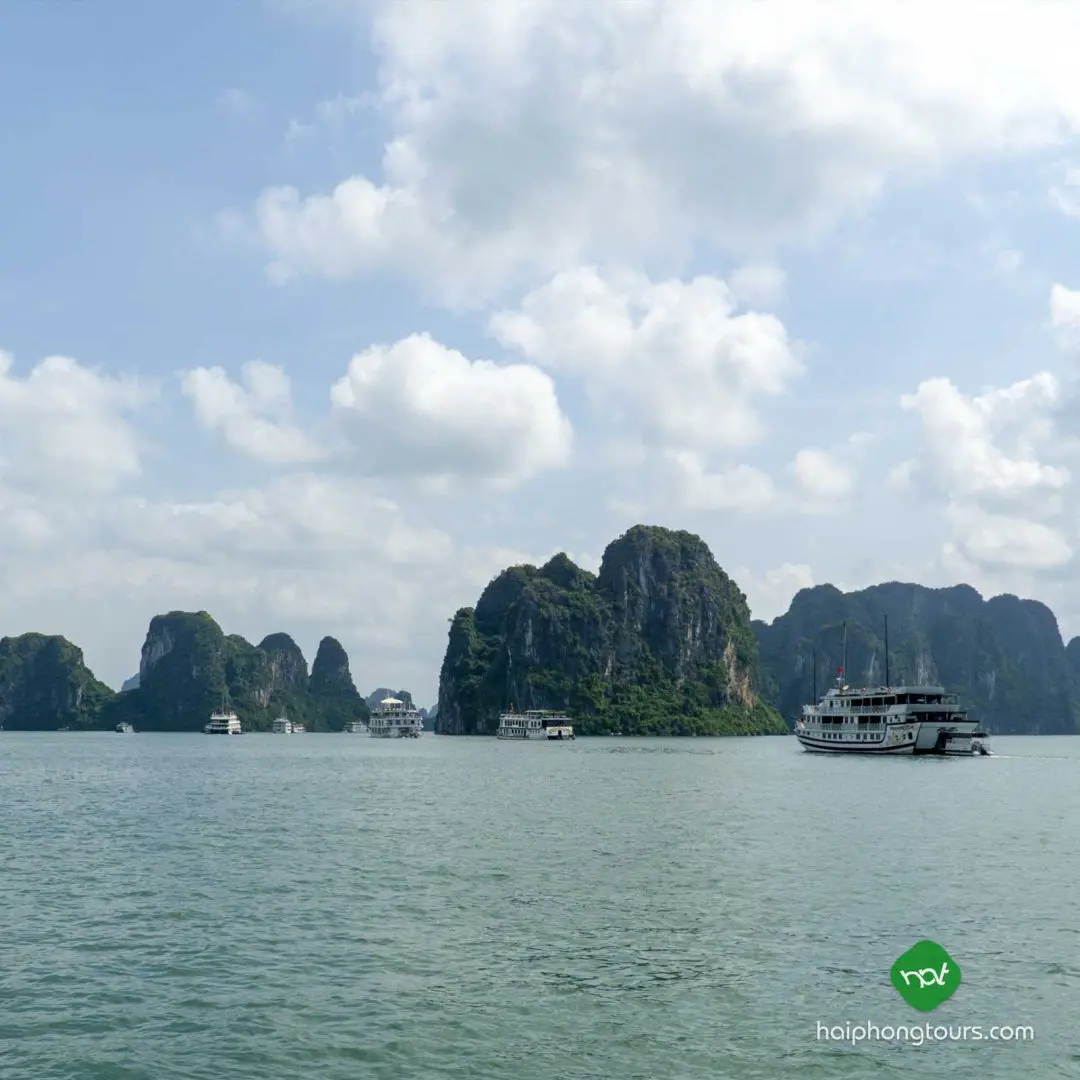
- Ha Long Bay, Lan Ha Bay or Bai Tu Long Bay: 1 or 2 nights. Confirm the correct port, transfer and cabin arrangement before paying. Bai Tu Long is an overnight choice; it is too far for an HPT one-day cruise program.
- Sapa or Mai Chau: 2 or 3 nights. Pick Sapa for wider hotel choice and established visitor services, or Mai Chau for a slower valley stay with shorter walking options.
- Hanoi: final night. Return before an international flight instead of relying on a long same-day mountain connection.
If you have only a week, keep Hanoi, Ninh Binh and one bay experience. If you have two weeks, add one mountain area. The broader North Vietnam itinerary guide shows how to distribute 7, 10 or 14 days without packing every famous place into one loop.
Choose accommodation for the arrival, not only the room
A beautiful rural stay can be inconvenient if you arrive after reception hours with no confirmed pickup. Before booking, check the exact map pin, recent guest comments about access, reception hours and whether the final road allows a normal car. Ask for the property’s written name and phone number in Vietnamese.
Hanoi
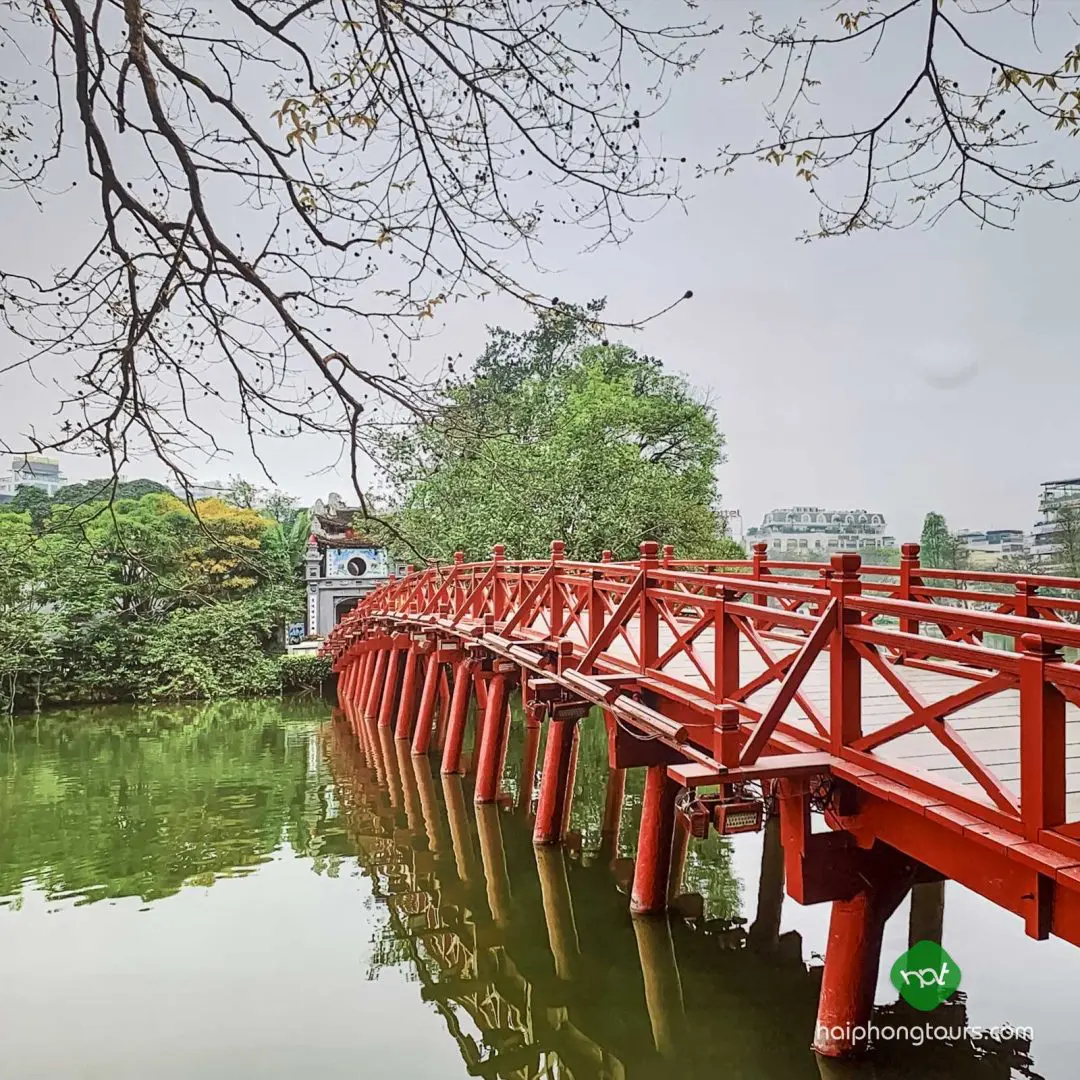
The Old Quarter is convenient for food, tours and many shared pickups, but some lanes are noisy and cars cannot always stop at the door. The French Quarter and areas near Hoan Kiem Lake can feel calmer while remaining central. If your flight lands late, prioritize a staffed reception and a confirmed airport transfer over atmosphere.
Mountain towns and villages
In Sapa, central accommodation makes independent meals and taxis easier. A village homestay offers more nature and local contact, but may involve steps, muddy paths or a vehicle change. Ask whether the room has a private lock, private bathroom, heating or cooling, and a reachable host after dark. Do not assume every place described as a homestay is a family home; the term also covers commercial guesthouses.
Hostel, hotel or homestay?
- Hostel: useful for meeting other travelers, but check female-only dorm availability, locker size, curtain privacy and late-night noise.
- Hotel: easiest for a private bathroom, staffed reception and luggage storage. Check whether the address is accessible by car.
- Homestay: strongest for local interaction, but meal times, bathroom arrangements and English support vary. Confirm these before arrival.
Transport decisions that make the trip easier
Use daylight for the first journey on a route. You can see the vehicle, confirm the destination and solve a wrong drop-off while businesses are open. Overnight buses may save a hotel night, but they can leave you tired, arrive before check-in and use roadside stops with little information. The daytime route guide gives alternatives for major northern connections.
For app-based rides, match the registration plate and driver in the app before entering. For a hotel car or private transfer, ask for the driver’s name, phone number, vehicle plate and exact meeting point. At an airport or station, ignore anyone who claims your booked driver has changed unless the company confirms it through the original contact channel.

For complex intercity days, compare the current Hai Phong Tours transfer routes and choose the direction that matches the journey. A private vehicle is most useful when a public arrival time is poor, the hotel is outside the center, or you do not want a roadside transfer between operators.
Motorbikes, mountain loops and trekking
Do not let social pressure turn a holiday into a riding test. A motorbike licence accepted at home may not automatically make you legal or insured in Vietnam. Confirm the licence and insurance requirements that apply to your nationality and policy before riding. If either is unclear, choose a car, local driver or easy-rider arrangement where you are a passenger.
On mountain routes, inspect the helmet, agree on daily distance, and keep rain protection and warm layers accessible. Ask where you will sleep and how luggage is carried. A reputable operator should be able to explain the route, vehicle, rider arrangement, insurance position and weather alternative without rushing you.
For trekking, tell the host where you are going, carry offline maps and avoid starting a remote trail late in the day. Rain can turn stone, clay and rice-terrace paths slippery. A local guide adds route knowledge and communication support, but you should still set your own pace and decline any section that feels unsafe.
Meeting people without losing control of the plan
Group activities can provide company while preserving independent time. A food tour, craft workshop, cooking class, walking tour or day cruise creates a clear start and finish. In Hanoi, the current Hanoi City Group Tour offers a structured option with published morning, afternoon and full-day formats; reconfirm the selected package and pickup before booking.

If you meet another traveler and decide to share a room, ride or guide, keep your own passport, payment method and return plan. Send the person’s profile or booking details to someone you trust. Agree on costs and the end point in writing rather than assuming both of you mean the same thing by “share.”
Phones, money and documents
- Activate mobile data before leaving the arrival airport or keep an offline map and hotel details ready.
- Store your passport in secure accommodation when it is not required. Carry a copy and a separate digital copy.
- Keep one bank card and a small cash reserve separate from your daily wallet.
- Use an ATM attached to a bank or inside a controlled area when possible. Shield the keypad and take the card before walking away.
- Do not hand your unlocked phone to a stranger to “fix” a booking. Show the relevant screen while retaining the device.
- Save the hotel, transport provider and travel insurer contacts before starting a remote leg.
The money guide for North Vietnam explains where cash remains useful and how to avoid making one card your only payment plan.
Food, alcohol and personal boundaries
Eat at busy places where food is cooked hot and turnover is visible. If you have an allergy or dietary restriction, carry a clear Vietnamese translation that states what must be avoided, including sauces and broths. Do not rely on a dish name alone.
In bars, keep control of your drink and know how you will return before drinking. If a person, driver or venue makes you uncomfortable, leave without debating. Move toward a staffed hotel, established business or well-lit public area and contact someone you trust. Politeness is never more important than your safety.
Health and hygiene planning
Pack any menstrual products you strongly prefer, especially before rural travel; major cities have good choice, but small shops may carry a limited range. Bring enough prescription medication in original packaging and check entry rules for controlled medicines. Travel insurance should cover the activities you actually plan, including trekking or riding as a passenger if applicable.
Heat, humidity and dehydration can affect judgment. Build shade and water breaks into summer days. In winter, Hanoi can feel damp and the mountains can be genuinely cold, so use layers rather than relying on a tropical-country assumption. Review the seasonal packing list shortly before departure.
A simple daily safety routine
- Check the day’s weather and any transport message before leaving.
- Send one person your accommodation and major movement for the day.
- Start long or remote journeys early enough to arrive in daylight.
- Keep data, battery and a small cash reserve available.
- Verify the vehicle, driver and destination before departure.
- At night, use a known ride or accommodation-arranged vehicle.
- If the plan changes, update your trusted contact before moving.
Frequently asked questions
Is Hanoi safe to walk alone at night?
Central areas remain active in the evening, but conditions vary street by street. Use lit, busy routes; protect your phone and bag near traffic; and take a verified ride when streets empty or the walk feels uncomfortable. Avoid walking while focused on a map at the road edge.
Should a solo woman join a Ha Long Bay cruise?
A cruise can be an easy social component because accommodation, meals and activities follow a shared program. Ask about the single supplement, cabin location, transfer, port, passenger capacity and what happens if weather stops sailing. Compare active options through the current cruise directory.
Is a shared sleeper bus a good first-night choice?
It is rarely the lowest-stress choice immediately after a long international flight. A hotel night and a daytime departure give you time to obtain data, cash and a clear meeting point. If you use a sleeper bus later, confirm the berth type, pickup, final drop-off and arrival time.
What should I do if I feel unsafe?
Leave the situation, enter a staffed public place and call a trusted contact, your accommodation or local emergency services as appropriate. Preserve booking, vehicle and payment details if you may need to report an incident. Contact your insurer or embassy when the situation requires their support.
Final planning check
A successful solo trip depends less on being fearless than on keeping choices open. Reserve the first night, verify long transfers, protect your communication and payment backups, and give mountain and cruise plans weather flexibility. With those foundations, North Vietnam offers an excellent balance of independent exploration and easy ways to meet people when you want company.
Safety and comfort also depend on identity and documentation. The LGBTQ+ travel guide for North Vietnam covers laws, hotels, public behavior and regional differences.
Would you like help fitting this experience into your trip? Contact us with your travel dates, starting point, available time and group size. Tell us about walking limits or special interests so we can suggest a practical itinerary.