
Xuan Son National Park in Phu Tho combines forested limestone mountains, caves, streams, and villages where Dao and Muong communities live. A day visit can cover a selected cave route and a local meal, while an overnight stay gives you more time for walking and village life without rushing back to Hanoi.
Choose a route before you travel. The park’s caves, waterfalls, and villages are spread out, and a long cave system is not the same as a prepared visitor trail. Ask the park or your host which sites are accessible, how much walking is involved, and whether a guide is needed for your chosen outing.
Getting to Xuan Son from Hanoi
Xuan Son lies in the Tan Son area of Phu Tho, with visitor facilities in the Xuan Dai area. Use your booked homestay or the agreed guide meeting point as the destination. A general national-park map pin may point into the forest rather than to a place where your driver can drop you off.
Road journeys from Hanoi commonly approach through Thanh Son before continuing toward the park. Set aside a substantial part of the morning for the drive, including a break and the final rural roads. Ask for an estimate to your actual accommodation; a distance to “Xuan Son” does not account for every village or trailhead.
Private car: book the local movements as well as the transfer
A car with a driver is useful for a family, travelers with luggage or a short stay combining caves and villages. Decide whether you want a one-way drop-off, two separate transfers or a vehicle retained for the visit. These arrangements can look similar in a short quote but leave you with different transport once you arrive.

Hai Phong Tours recommends sending the accommodation pin and planned activity meeting points together when requesting a quote. For a two-day stay, settle these details before departure:
- Whether the vehicle waits while you walk or returns at an agreed time.
- Which village, cave and visitor-center transfers are included.
- The driver’s overnight arrangements and any additional charge.
- Whether the chosen vehicle can reach the homestay entrance or stops at a larger road.
- The pickup location after a walk that ends somewhere different from where it begins.
A driver is not automatically your forest or cave guide. Book local guiding separately when your route requires it, and give the driver a realistic collection time. A larger vehicle may be convenient on the Hanoi journey but less useful on the final access road, so confirm the entire route before choosing by seat count alone.
Bus or limousine: solve the final connection first
A service advertised for Thanh Son or Tan Son may still leave you some distance from the park or your homestay. Ask the operator for its precise drop-off, then have your host confirm the onward vehicle, cost and meeting arrangement before you buy the intercity ticket.
Check whether your Hanoi departure is at My Dinh or an operator office; our Hanoi bus stations guide explains the difference. Avoid an itinerary that depends on finding an unbooked taxi after a late rural drop-off. The return service and the lift back to its boarding point need their own confirmation.
Day trip, overnight stay or onward journey
For a day trip, choose one compact visitor route, arrange lunch and agree on a departure time that leaves a comfortable drive back. Trying to fit a long forest walk around two road journeys can leave little room for rain or a slower walking pace.
An overnight stay makes it easier to separate travel from the main activity. On the second day, finish the walk, have lunch and allow time to collect bags before the car arrives. Keep a late same-day flight or train separate from a demanding trek; an extra night near the departure hub is the more forgiving option when that connection matters.
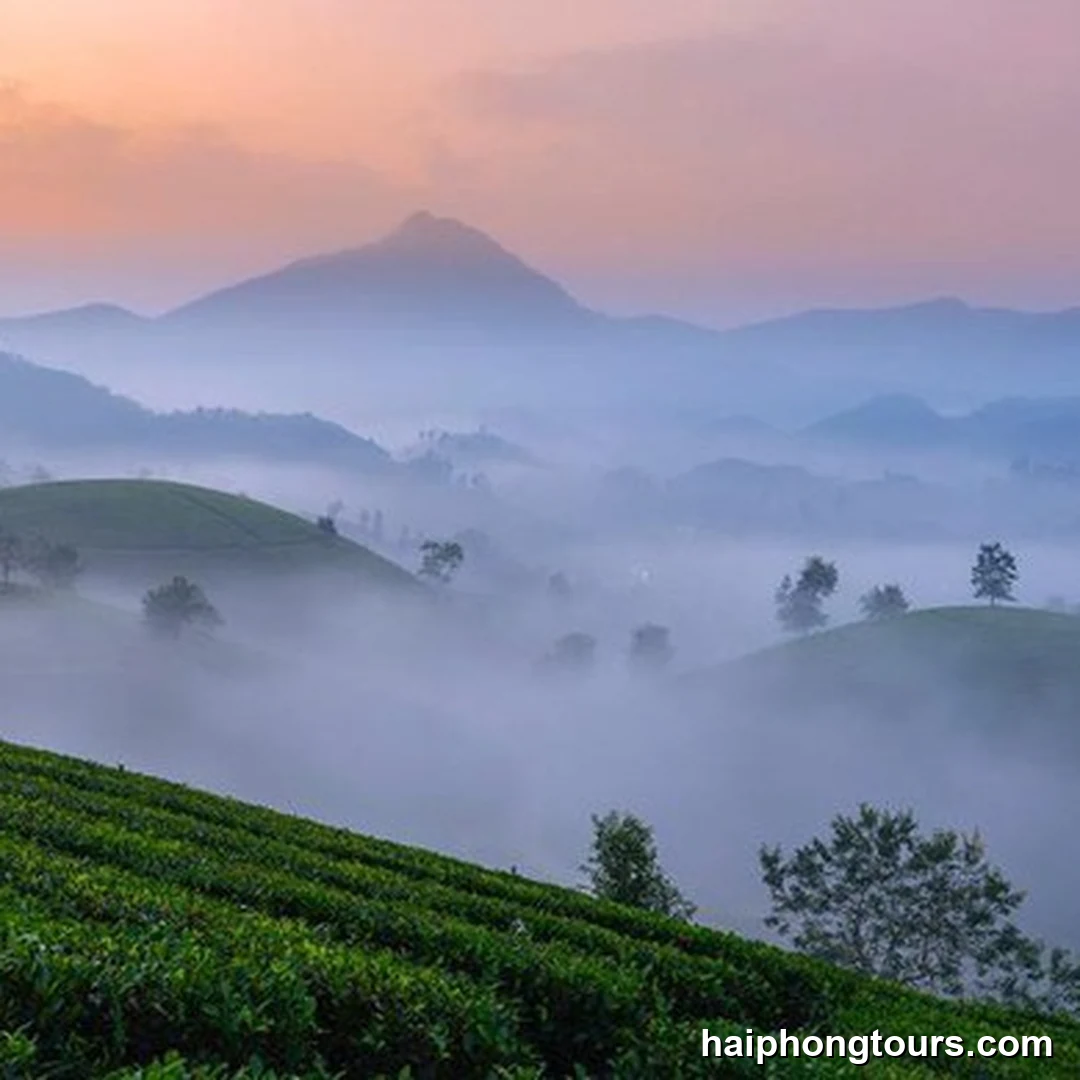
Long Coc tea hills can be combined with Xuan Son when the driving route and daylight allow, but treat them as an additional stop with an agreed waiting allowance. A sunrise photography outing requires its own early pickup plan rather than being squeezed into an ordinary transfer.
Choose one main route for your first day
- Museum, Tho Than Cave, and Na Cave: a useful combination for an introduction to the park and its limestone formations. Ask about the stairs and walking distance before adding a waterfall.
- Coi village and its cave area: suits a visit combining local community life with a guided cave or forest outing. Confirm which caves and ancient-tree walks are available.
- Lang Cave and Mo Waterfall: another route to discuss with the park, with particular attention to water conditions and the accessible cave section.
- A longer forest or mountain walk: arrange this as the day’s main activity, with a guide, a clear turnaround plan, and suitable equipment.
These are route choices to confirm, not a checklist to complete in one visit. For a mixed-age group, a museum stop, one suitable cave, and lunch may be more enjoyable than a full circuit.
Start with the Nature Museum
The Nature Museum is within the park office grounds. Its displays introduce local plants and animals, alongside tools and models connected with Dao and Muong life. It gives useful context before you head into the forest or villages.
Arrange the visit with the park, especially if you want an explanation in English or are bringing a school or family group. Use the same conversation to confirm the day’s route, weather limitations, and meeting point for your guide.
Caves: focus on the accessible section
Tho Than and Na are among the park’s established cave visits. They contain limestone formations and involve steps or uneven ground on the approach. Tell your host about mobility needs rather than assuming every cave suits every traveler.
Other caves, including Lang and Coi, have water flowing through parts of their systems. The full length of a cave does not describe the distance a visitor can safely explore. Confirm the open section, lighting, equipment, and guide arrangements before entering.
Stay on the approved route, do not touch or strike formations, and avoid entering a water cave when heavy rain could affect the system. A phone light should not be your only illumination for a guided outing that requires a torch or headlamp.
Waterfalls, streams, and forest walks
Ngoc, Mo, and Lung Troi are among the waterfall names you may encounter when planning a visit. They are not interchangeable stops beside one car park. Ask which waterfall fits your chosen cave or village route and how much extra walking it adds.
Water flow changes with recent rainfall. More water can make a waterfall look impressive while making its approach less suitable. Wear shoes with grip, keep away from slippery edges, and accept a shorter route if conditions deteriorate.
Swimming should remain optional. Use only places where local guidance and current conditions permit it; avoid entering after heavy rain, in strong or rising water, or where the depth and exit are unclear. Do not dive from rocks or assume clear water is safe to drink.
For forest walks, ask about a route with large old trees and time to observe the vegetation. The park protects ancient nghien trees as part of its natural heritage. A longer trek toward peaks such as Ten or Can needs separate planning rather than being added casually after a cave visit.
Village visits and homestays
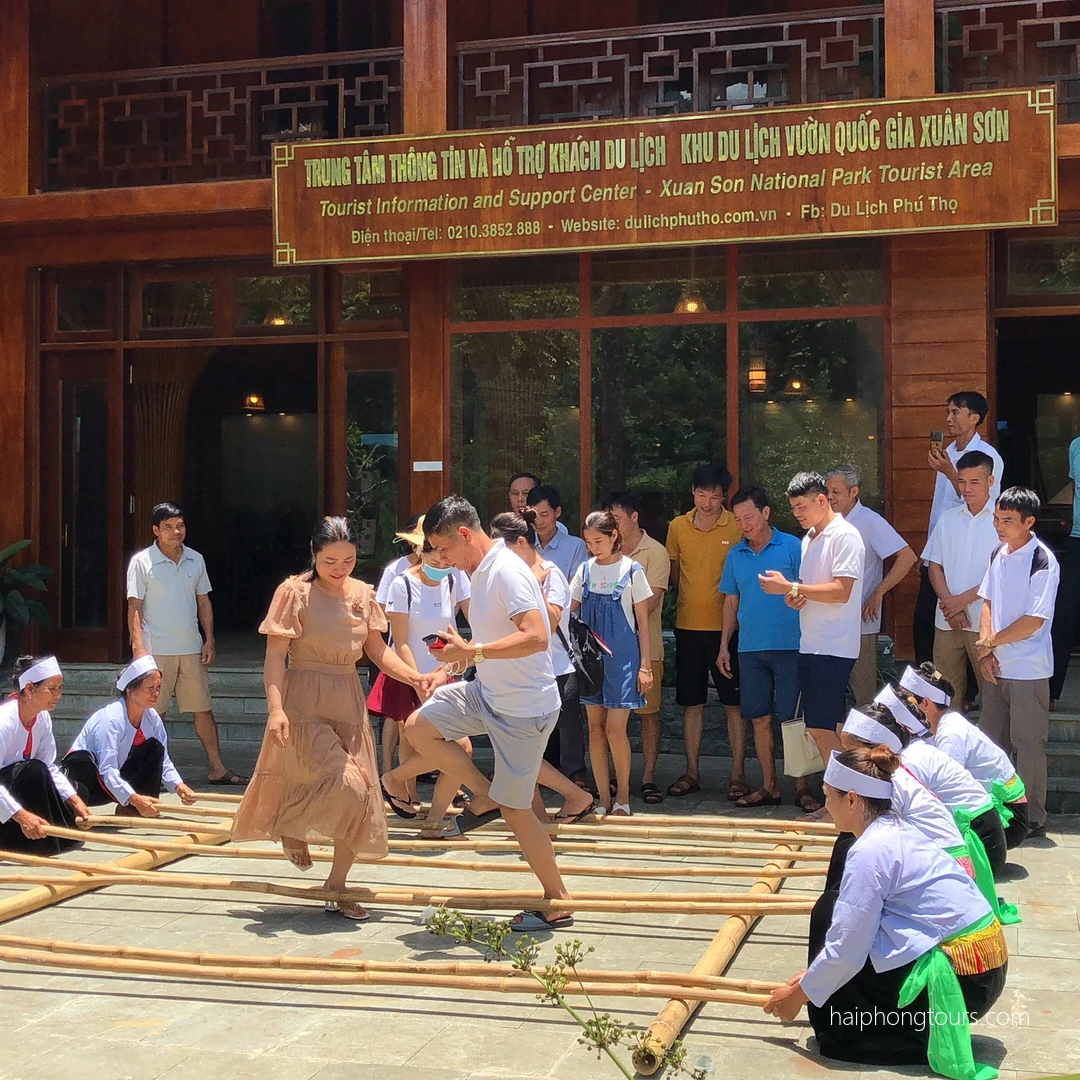
Du, Lap, Lang, and Coi are among the villages associated with visits to Xuan Son. Staying with a local host can give you time for meals, short walks, and conversations that a quick sightseeing circuit misses.
Ask before entering a home or photographing people. If you want a cultural performance, craft demonstration, or hosted activity, arrange it in advance and agree on the fee. Community traditions are part of daily and ceremonial life, not performances automatically available whenever a visitor arrives.
For accommodation, Quynh Nga Homestay in the Du area and Ky Tam Homestay in the Lap area are options to ask about. Confirm the specific room, bathroom, bedding, hot water, meals, and access road. A private room and a sleeping space in a communal house offer different levels of privacy.
You can also ask the park about accommodation near its visitor facilities. Check availability for your dates and where your planned activities start before choosing a base. Book meals ahead, particularly with a larger group or dietary requirements.
Local food to ask your host about
Meals can include chicken, pork, bamboo shoots, and seasonal greens, depending on the household and ingredients available. A local specialty is ga chin cua, a multi-spurred chicken associated with the region. Confirm the dish, portion size, preparation, and price before ordering.
Greens may include rau sang, bo khai, or rau don, the last referring to edible fern shoots. Ask the host to explain unfamiliar ingredients, and tell them about allergies or vegetarian needs. Enjoy food prepared by an established host rather than collecting plants or animals in the forest yourself.
You do not need to order every specialty to have a good meal. A freshly prepared household menu that fits your group is more useful than a long list of dishes that may be seasonal or unavailable.
When to visit
Choose the season according to the outing you want, then check the actual weather. A shaded summer walk can still be hot and humid, while wet spells can affect caves, slopes, and stream crossings. Cooler periods may suit walking, but mornings and evenings can require an extra layer.
Late in the year, poinsettias may add red color around village homes and roads. Treat this as a seasonal detail rather than a guaranteed display on every route. If a local festival is the main reason for your trip, confirm the village, date, and visitor arrangements before booking.
For caves and waterfalls, the park’s assessment of recent rain is more important than choosing a month described as the “best season.” Keep a village meal, museum visit, or shorter walk as an alternative when an outdoor route is unsuitable.
A practical two-day plan
- Day one: travel to your confirmed arrival point, have lunch, and take the agreed museum and cave route. Check in at your homestay and have a prearranged dinner.
- Day two: choose a guided forest walk, suitable waterfall outing, or time in a village. Return for lunch and leave enough daylight for the onward drive.
If traveling from Hanoi and back in one day, reduce the plan to one main route and arrange transport and lunch in advance. A tea-landscape stop around My Thuan or Long Coc is better added only when the driving route and remaining time genuinely allow it.
Fees and booking arrangements
Ask for an itemized quote for the route, guiding, any site charges, transport between stops, accommodation, and meals. Confirm whether a quoted guiding fee covers the group or each traveler, what language is provided, and whether equipment is included.
Ask the park’s tourism-service team to confirm the current route and charges for your dates, not just a general entrance price. A fee for one activity does not automatically cover every cave, waterfall, or service in the park.
What to bring
- Comfortable closed shoes with grip and clothing suitable for walking on damp paths.
- Drinking water, insect repellent, rain protection, and any personal essentials.
- A warmer layer if staying overnight in cooler weather.
- A torch or headlamp when required by your guide, plus protection for electronics.
- Cash for agreed local expenses and a bag to carry your rubbish out.
Keep to the route agreed with the park, avoid disturbing wildlife, and do not light a fire or camp in the forest without permission and suitable arrangements. Xuan Son is most rewarding when you give a manageable route enough time and leave room to adjust to local conditions.
Transport between Hai Phong and Xuan Son
Xuan Son needs a village or homestay pin rather than only a park name. See Hai Phong to Xuan Son National Park for arrival planning and Xuan Son to Hai Phong for the return pickup.
Would you like help fitting this experience into your trip? Contact us with your travel dates, starting point, available time and group size. Tell us about walking limits or special interests so we can suggest a practical itinerary.