
For a first Dong Van stay, choose a room near the old quarter if you want breakfast, a gentle evening walk and the Sunday market within the same town base. Choose a quieter position when uninterrupted sleep matters more than being beside the busiest streets. The useful distinction is the exact room and its surroundings, not simply “hotel” versus “homestay”.
Dong Van can be more than a single-night stop. A second night lets you separate an arrival afternoon from a substantial outing, and gives the group a place to return for a rest. It is particularly helpful when some people want a longer walk and others prefer to remain in town.
Three room decisions that affect the whole stay
| Decision | Why it matters in Dong Van | What to reserve |
|---|---|---|
| Location | Central streets make meals and early market visits straightforward | The actual property and room position, not just a broad Dong Van search area |
| Bed arrangement | A room for three may have very different beds from a room with three separate beds | Number and size of sleeping surfaces |
| View and daylight | A lower-priced interior room may be comfortable for sleeping but less pleasant for a rest day | Window, outlook or balcony only if they matter to you |
A quiet edge-of-town stay can be a good choice, but do not assume there will be an easy lit walk to dinner. Establish where you will eat and how you will return before making distance from the centre your main selection criterion.
Conventional hotel example: Hoa Cương
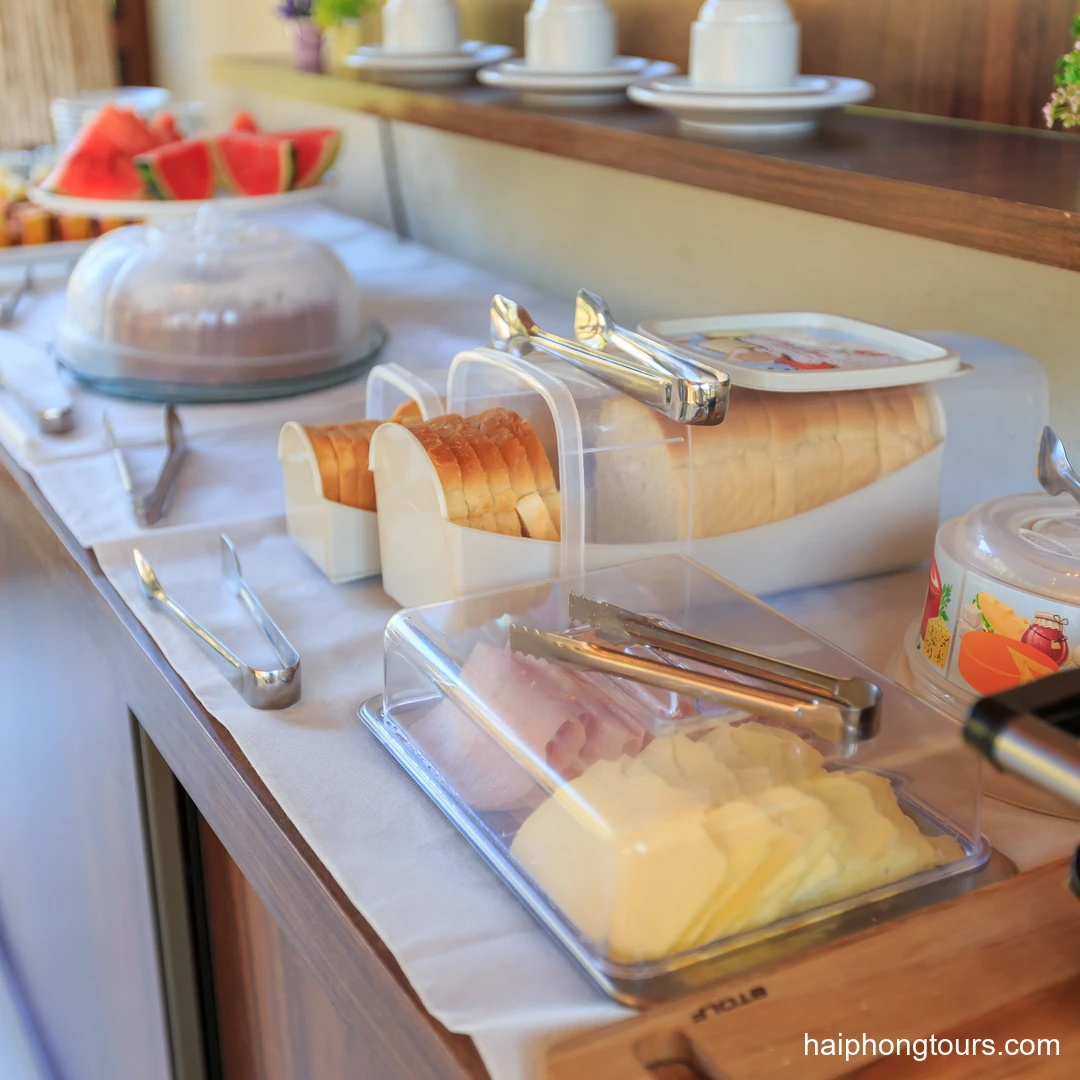
Hoa Cương Dong Van describes its location as beside the old quarter. Its own room information includes one-bed, two-bed and three-bed categories, and it advertises buffet breakfast.
This is a useful starting point for friends who need separate beds or a family that wants a standard hotel arrangement. Book by the bed configuration, then obtain the total for your actual party. A two-bed room does not itself tell you whether the beds are singles or doubles or whether an extra child is included.
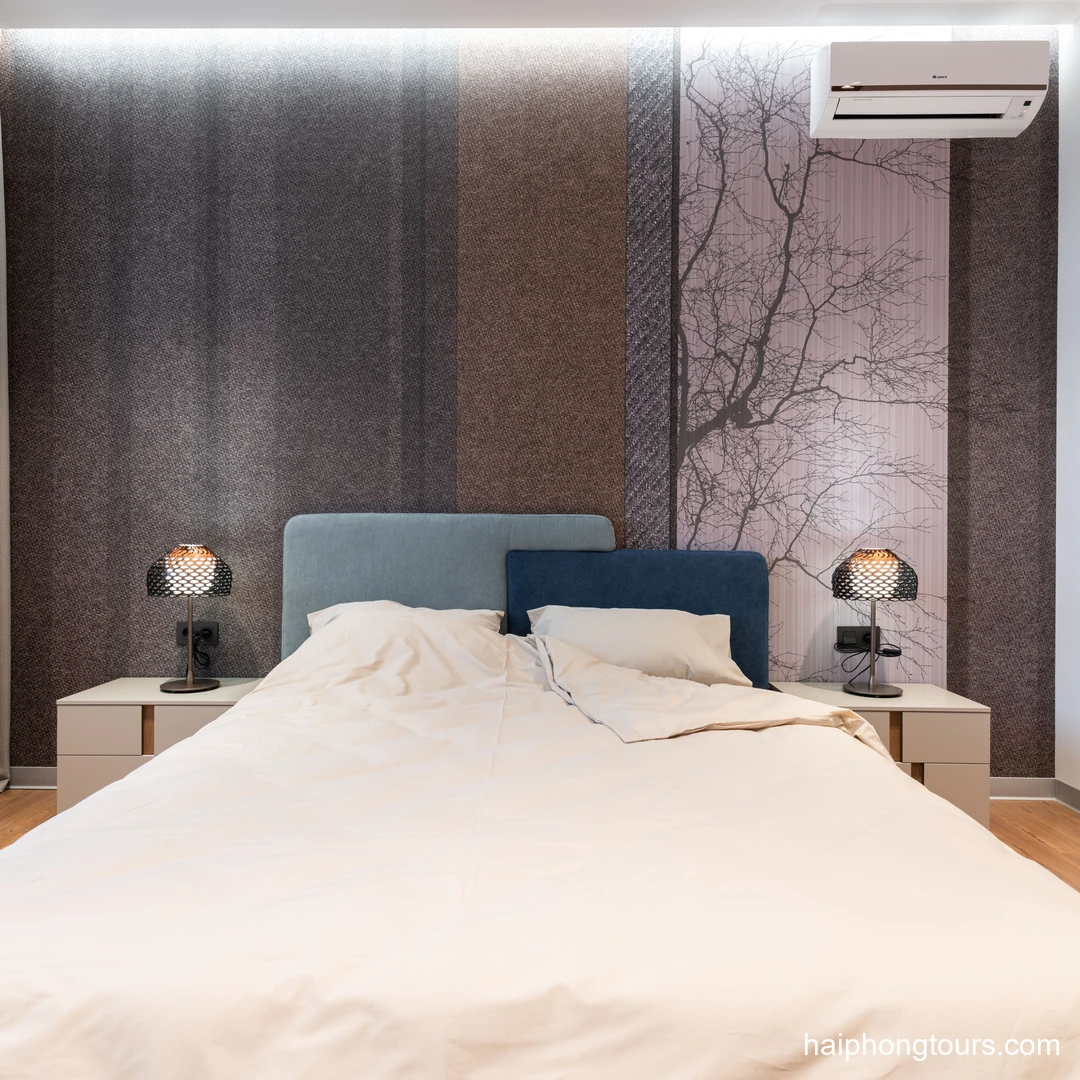
The hotel’s central position may be convenient for a market morning. For a light sleeper, specify a room away from street activity and confirm the outlook assigned. Do not translate “beside the old quarter” into a guarantee that every room has a historic view.
A published room comparison: May Boutique
May Boutique Dong Van lists its address as Group 2, Dong Van. Its own room page gives useful distinctions that a generic hotel listing can hide.
| Category | Published size and beds | Published outlook |
|---|---|---|
| Superior | 20m²; king or two singles | No view |
| Deluxe Window | 22m²; king or two singles | Window or mountain view |
| Suite Mountain View | 25m²; king bed | Balcony and mountain view |
| Family Suite Garden View | 28m²; king and single bed | Balcony and garden view |
The family suite is listed for three adults. Other categories list two adults and one child, but a child’s permitted occupancy is not an additional bed. For two adults and two children, obtain a specific approved arrangement instead of assuming a “family” label covers four guests.
The public page shows indicative dollar prices, but a date-specific quote is more useful than treating those figures as a universal nightly rate. Establish taxes, breakfast, occupancy and cancellation conditions in the booking confirmation.
When a converted house is the right choice
Old-quarter buildings can offer the pleasure of staying within the historic streetscape. Evaluate what that means indoors: the route to the bathroom, the separation from a café or dining area, and the location of your sleeping room. An attractive courtyard photo tells you little about privacy after a group returns from dinner.
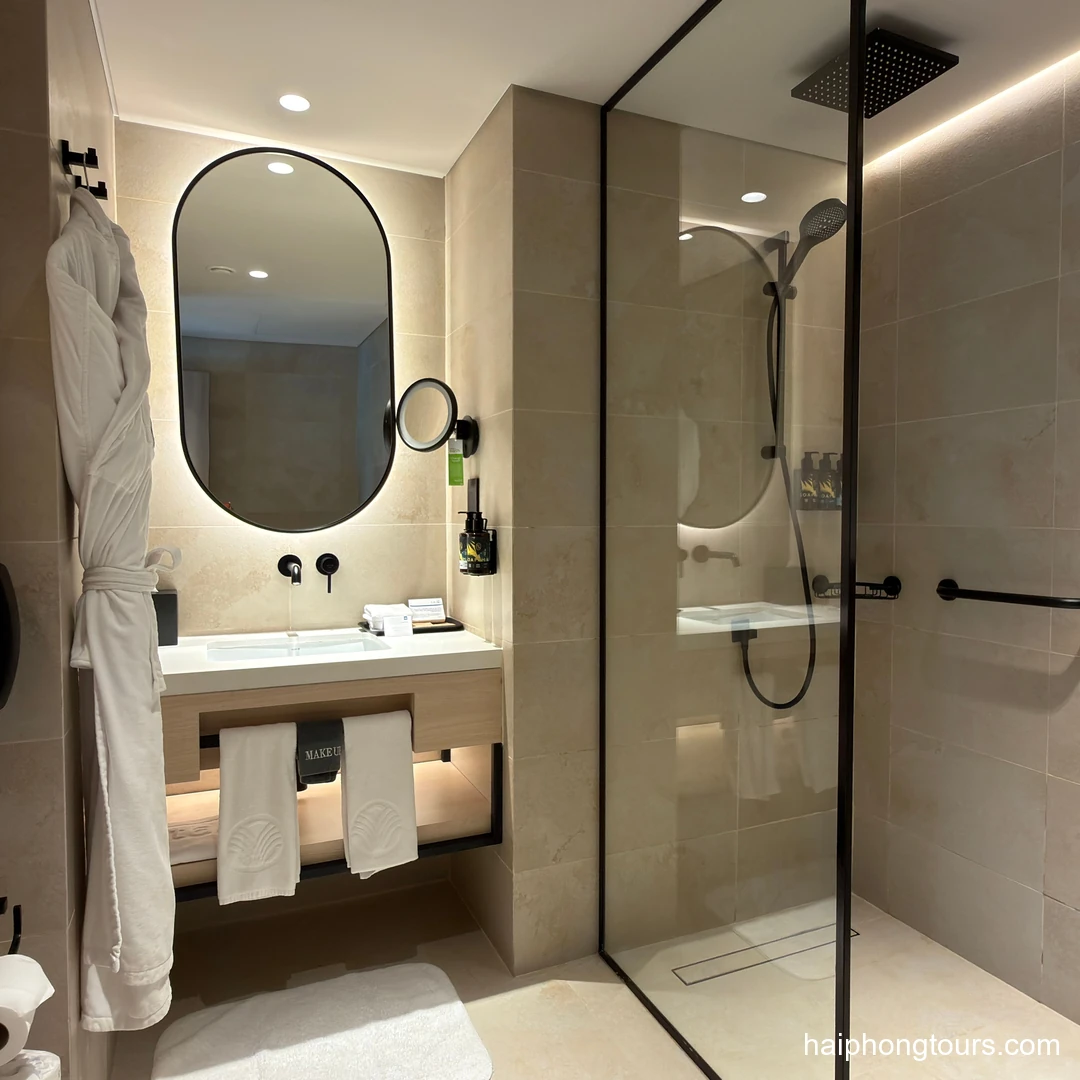
Someone happy with shared spaces may value that atmosphere. A household travelling with a child who sleeps early may prefer a conventional room. Neither decision is more culturally respectful; considerate behaviour and fair payment matter whichever building you choose.
Use a second night deliberately
With two nights, keep the arrival afternoon simple: settle in, eat, and take a small walk through the quarter. Put the longer outing on the following day and keep the same room as your base. This avoids having to carry every bag and complete every attraction before another check-in.
For a cultural outing, read the Vuong family residence guide or the Lo Lo Chai village guide. For a Sunday stay, use the market calendar guide to distinguish Dong Van’s schedule from nearby rotating markets. Those are different reasons to stay; choose the one that actually interests your group.
Write a booking message that gets a useful answer
Include your dates, adults and children’s ages, required beds, bathroom preference and one important room feature. For example: “Two nights, two adults and one teenager; two separate beds, private bathroom, a window and a room away from evening music. Please send the complete price and a photo of the available room category.”
Keep the property’s reply with your travel documents. If your priorities change, revise the booking instead of relying on a request made to a driver on arrival.
Would you like help fitting this experience into your trip? Contact us with your travel dates, starting point, available time and group size. Tell us about walking limits or special interests so we can suggest a practical itinerary.