
Kim Lien is the guardian temple that takes you away from Hanoi’s usual lake-and-Old-Quarter circuit. Its value lies in understanding a different side of the former capital: the southern protective shrine, a local place of worship and a collection of inscriptions that connects royal recognition with village belief.
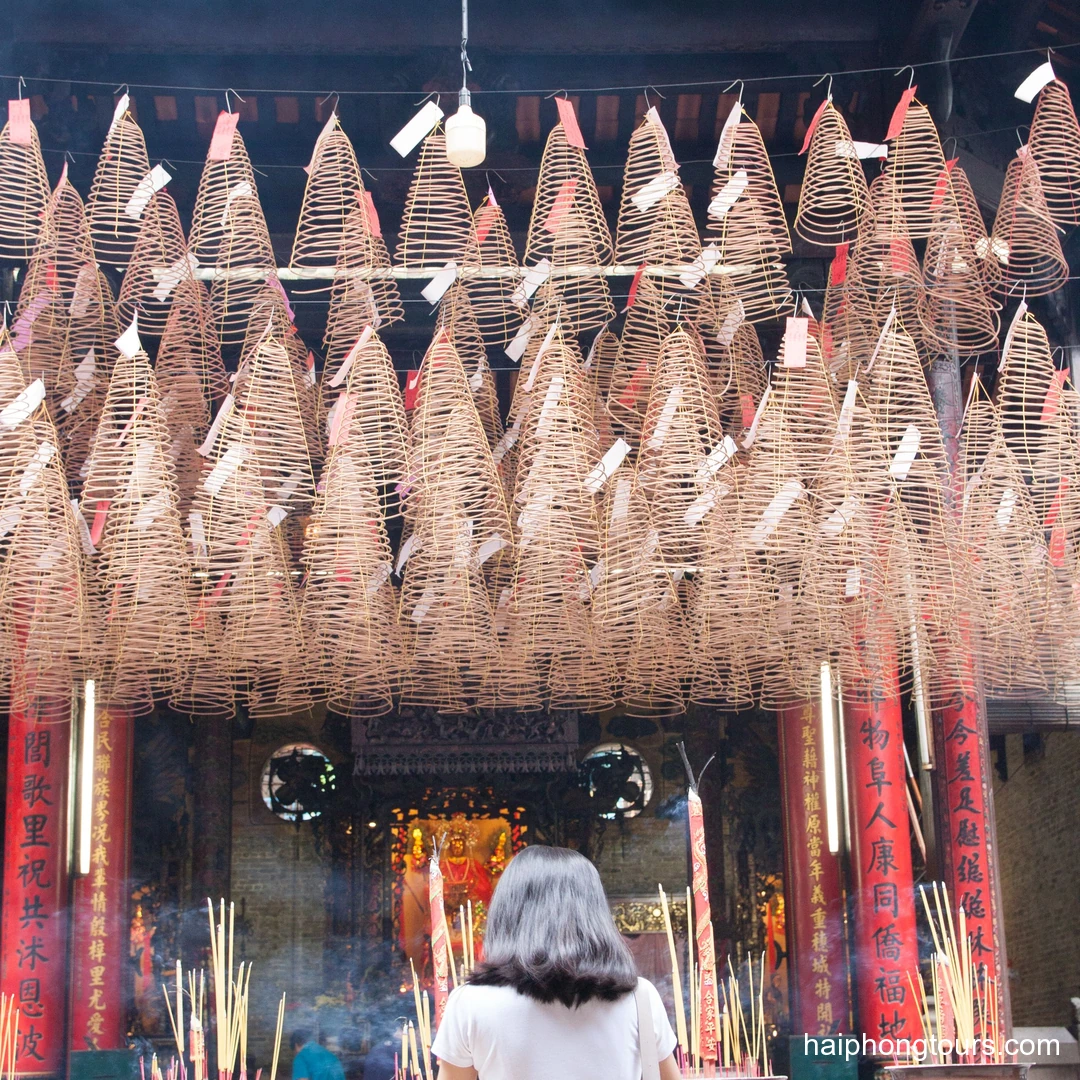
Look for Den or Dinh Kim Lien at 148 Kim Hoa, Hanoi, and allow approximately 30–45 minutes for an ordinary visit. This is the temple dedicated to Cao Son Dai Vuong, not Kim Lien Pagoda beside West Lake and not the Kim Lien memorial site in Nghe An. The shared name is an easy way to book the wrong journey.
Find the southern guardian, not another Kim Lien
Save the full Vietnamese name Den Kim Lien or Dinh Kim Lien together with the Kim Hoa street address. Older descriptions also place the temple near Xa Dan and use Phuong Lien or Dong Da administrative labels. Street identity is more useful to a visitor than relying on a neighborhood name alone.
From a Hoan Kiem hotel, make this a deliberate cross-city stop rather than assuming it is beside the Old Quarter’s temples. A taxi or arranged car is straightforward if you provide the precise pin. For a bus journey, use a current Hanoi journey planner for your departure point and inspect the final walk; an old list of routes is not enough to establish today’s stop.
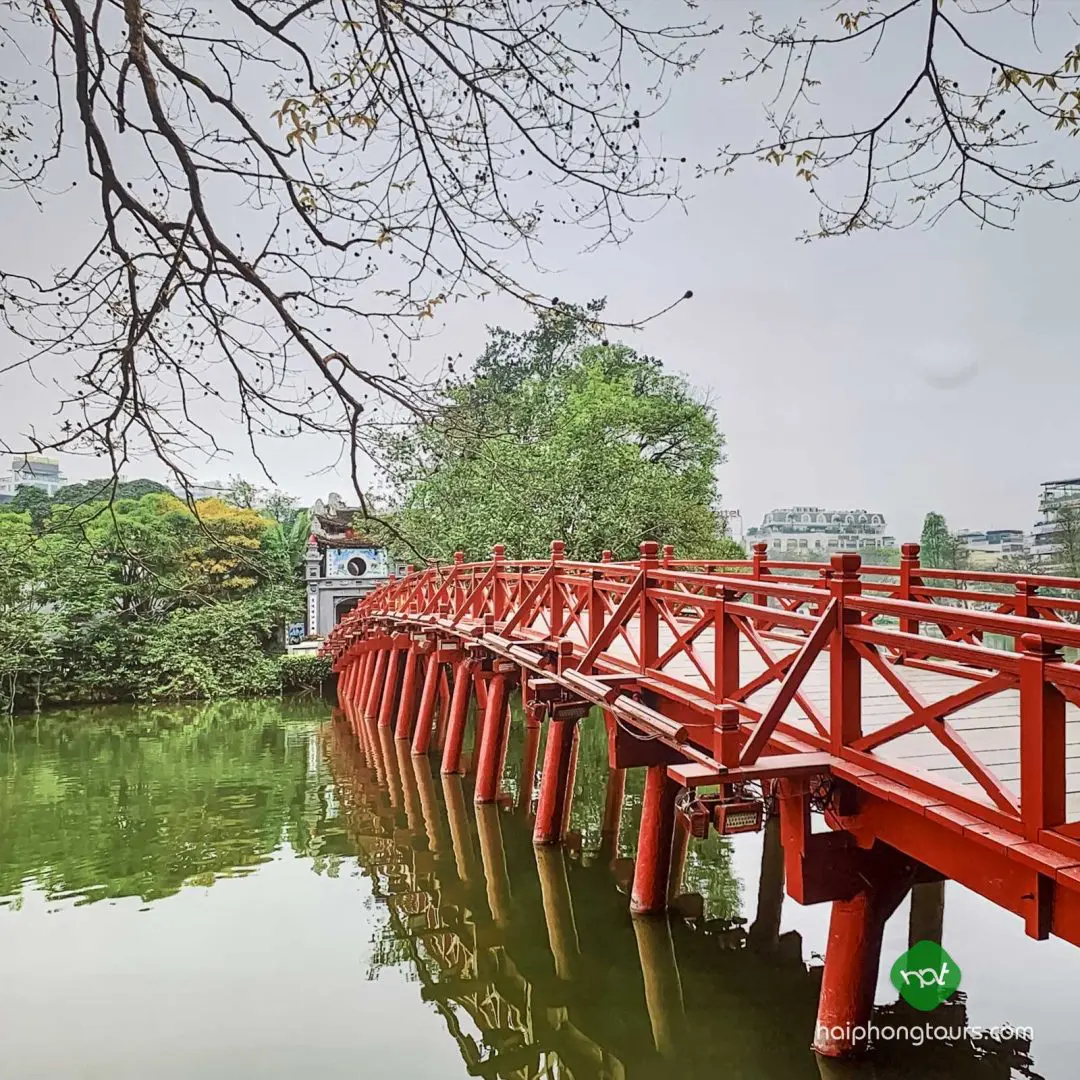
Agree on a pickup point clear of the entrance if your driver is waiting. The site is a place of worship within a working neighborhood, not a tour-coach compound where a vehicle can necessarily remain beside the gate.

What “southern guardian” means
Kim Lien belongs to Thang Long Tu Tran, the four protective temples associated with the old capital’s directions. Here the principal deity is Cao Son Dai Vuong. The northern shrine is Quan Thanh, the eastern shrine is Bach Ma, and the western shrine is Voi Phuc at Thu Le.
These are four separate religious places, not corners of one enclosed attraction. Seeing all four can be meaningful, but only if the journey leaves time to understand each shrine. For a short Hanoi stay, one or two well-explained visits are more rewarding than a car circuit built around collecting photographs of four gates.
Traditions about Cao Son vary. Museum accounts connect him with mountain-deity stories and the world of Son Tinh, while other traditions place him within Vietnam’s ancestral legends. Treat these as different strands of sacred storytelling, not a single modern biography that every account must reproduce identically.
Give the inscriptions more attention than the photo stop
The important stone inscription is associated with the scholar Le Tung. It records Cao Son’s credited support for King Le Tuong Duc. The National Museum of History distinguishes the earlier composition from the later recutting of the inscription, an important reminder that the age of a text and the age of the stone bearing it can differ.
During the visit, identify the inscribed stone from the permitted viewing area and ask for a brief explanation of its subject. You do not need a line-by-line translation to understand its role: the inscription links the deity, royal authority and the community responsible for worship.
Kim Lien also preserves royal decrees, or sac phong. A museum study describes decorated paper documents bearing court recognition and titles for the deities, including Cao Son and associated female figures. These are historical records, not simply decorative scrolls. Their conservation needs mean a visitor should not expect the original paper collection to be laid out for casual handling or photography.
If an English-speaking guide is joining you, ask them to prepare this specific material. A short explanation of what a royal decree does will add more than a long recital of uncertain founding dates. Do not ask a caretaker to open storage or remove protective covers for a photograph.
A focused route through the visitor areas
- Pause before entering. Notice how the temple boundary separates the sacred space from the ordinary street, then use the entrance open to visitors.
- Look at the approach and roof details. Observe the relationship between gateways, courtyard and worship hall without assuming every element belongs to the earliest foundation.
- Find the stone inscription. Make this the main interpretive stop rather than rushing directly to the altar.
- View the shrine respectfully. Stay behind any restricted threshold and allow worshippers to approach first.
- Finish outside the ceremonial route. Discuss the visit or check the next destination without blocking the doorway.
The suggested 30–45 minutes allows time for these observations. A guided study of inscriptions can take longer, while an active ceremony may make part of the normal route unavailable. The temple’s continuing religious use is part of the experience, not an inconvenience that visitors should try to override.
Ordinary visits and the festival are different plans
The traditional festival’s principal date is the sixteenth day of the third lunar month. It honors Cao Son and can include ritual observances, a procession and community activities. Convert the lunar date for the year of your trip and use the announced program for actual event times.
An ordinary weekday is the better choice for a quieter look at the architecture and inscriptions. A festival visit is better for witnessing the community’s relationship with the shrine, but it brings a different pace, more people and potentially altered access. Do not expect a procession on an ordinary day because a promotional photograph shows one.
A current official daily visiting timetable and fee schedule were not established for this guide. Arrange a daylight visit and verify the gate arrangements locally before making a special journey. Any parking charge, requested service and voluntary offering should be understood separately; buying incense is not a prerequisite for respectful observation.
Practical preparation for this particular stop
Bring clothing that covers shoulders and knees, and follow the temple’s footwear and photography instructions. Stone surfaces and thresholds call for secure footwear, particularly after rain. If stairs or uneven approaches are difficult, obtain a current photograph of the entrance route instead of assuming a small city temple is step-free.
Offerings and worship areas are not props. Do not move an object for a clearer picture, lean a bag against a carved element or place money directly on a statue. If you choose to offer incense, use the designated place and a modest amount. You can also simply visit quietly without taking part in a rite.
Keep food and drinks outside the worship halls. This is a short cultural stop rather than a destination that requires a meal package or an overnight stay. Plan lunch elsewhere in the city and avoid extending the visit with a chain of unrelated attractions simply to fill a car booking.
How to fit Kim Lien into a Hanoi day
For a general city day, select Kim Lien as one focused temple visit and leave the rest of the morning for another kind of experience. For a guardian-temple theme, pair it with Quan Thanh and compare the deities, central objects and urban settings. The links above lead to the individual guides, so you can decide which comparison interests you rather than attempting every shrine automatically.
Would you like a Hanoi itinerary that includes Kim Lien without unnecessary cross-city travel? Contact Hai Phong Tours with your hotel, available hours and interest in temples or inscriptions, and we can help assess the route and transport.