
Planning a film shoot, photography assignment or production visit to Ha Long requires transport that fits the working day. Crew members, camera cases, lighting equipment and personal luggage may arrive separately, while working days can begin before the first shot and continue through packing and loading.
Ha Long already has a record of hosting international productions. Quang Ninh’s tourism authorities reported that an Indian crew of nearly 100 people filmed Silaa around Ha Long Bay and Tuan Chau Island from 12 to 14 January 2026. For a visiting production, the practical transport question is how to move the right people and equipment between the airport, accommodation and confirmed locations.
This guide covers the road-transport planning for small film units, photographers, content teams and wedding photo crews. Send Hai Phong Tours your working itinerary to request a vehicle quotation for the journeys you need.
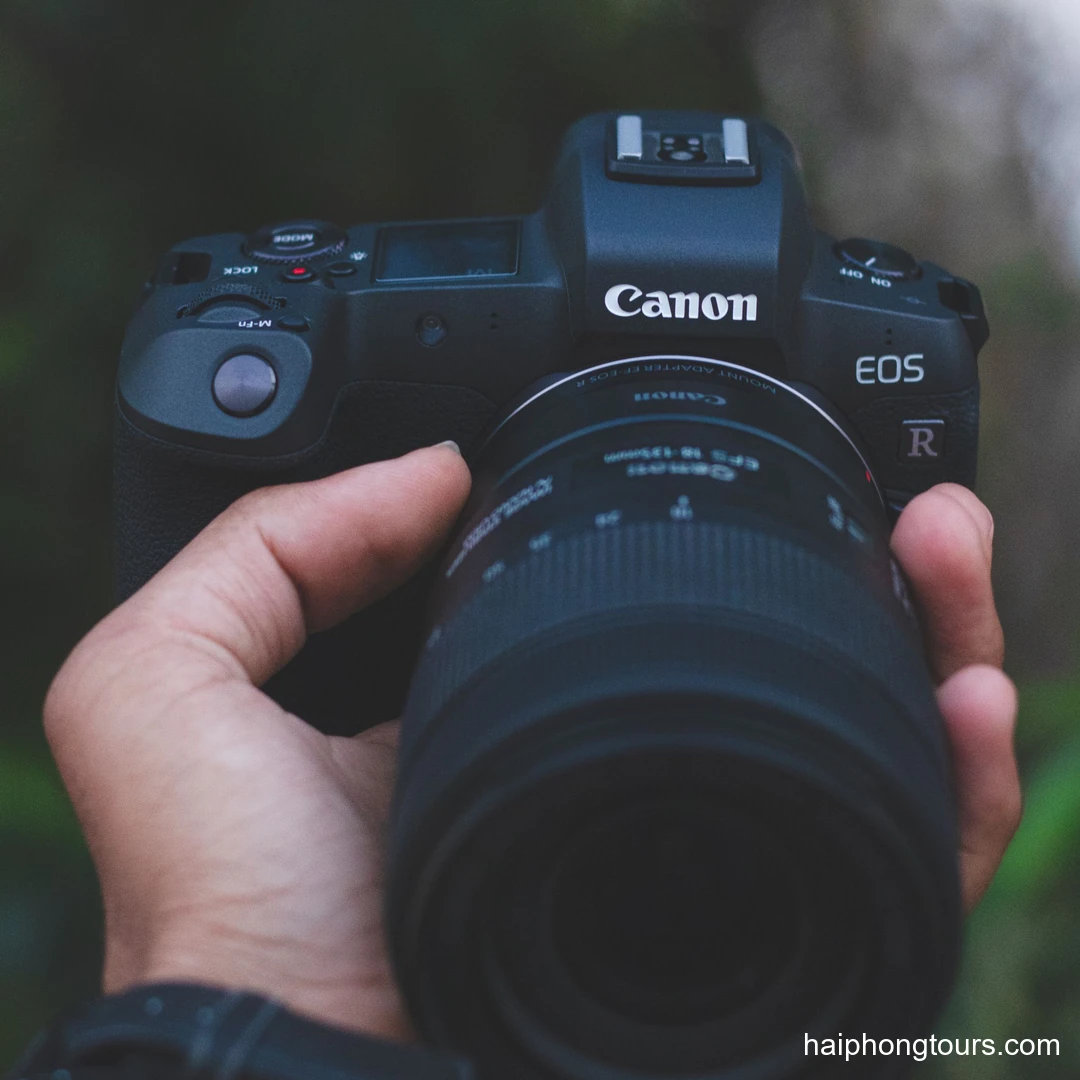
Separate airport transfers from the shooting schedule
Start with three parts of the visit: arrival, location work and departure. An airport transfer can take the arriving group to accommodation, while a location day may involve repeated stops and waiting. Those are different bookings and should be described separately.
For arrivals through Hanoi, use the Noi Bai Airport to Halong transfer as the starting route. Supply the flight number, local arrival date, passenger count and equipment arriving with that flight. If part of the crew is already in the capital, request a Hanoi to Halong private transfer from its actual address.
If you are flying to Hai Phong, request the Hai Phong to Halong transfer and specify Cat Bi Airport as your pickup. Tell the transport contact whether the group needs to go to a hotel, production office, equipment handover or first location.
Prepare an equipment list before choosing a vehicle
A crew of five with backpacks has different transport needs from five people travelling with hard cases, tripods and wardrobe. Seat count alone cannot establish whether everything will fit.
Send an equipment list that includes:
- The number and approximate dimensions of hard cases and larger bags.
- Long items such as tripods, stands or folded background supports.
- Personal suitcases carried in addition to production equipment.
- Items that require particular handling or must remain with a designated crew member.
- Which items need to be accessible at each stop.
Photographs of the complete packed load can help explain its shape. Discuss a larger vehicle or separate equipment transport if needed, rather than assuming cases can occupy passenger seats or block access. The final arrangement should provide suitable seating for everyone and secure space for the agreed load.
If equipment is delivered separately, identify who will receive it and when. Loading time belongs in the working schedule, especially when the same cases are unloaded and packed again at several locations.
Decide between individual journeys and a vehicle for the day
Individual transfers can suit a simple hotel-to-location movement with a known return time. A vehicle booked for an agreed operating period may suit a location scout or shoot involving several stops. Explain how the vehicle will be used before requesting a price.
For example, a morning location scout followed by an afternoon shoot involves more than two addresses. The vehicle may need to wait, move to another entrance or return for a second group. Include these movements in the proposed itinerary.
For several production days, provide a day-by-day outline. Confirm the booked hours, distance or route assumptions, waiting arrangements and treatment of extensions. Request continuity of vehicle or driver if it matters to your production, and have availability confirmed rather than assuming it.
Give the driver a usable location brief
A scenic location name is not always a vehicle meeting point. Send the location contact, road-access address or pin, and the entrance where the crew should be dropped. If passengers need to walk or use another form of transport for the final section, allow time for that handover.
Distinguish the crew call time from the vehicle departure time. For an early setup, work backwards through loading, the road journey, unloading and access to the set. For sunrise filming, plan to reach the location early enough for access, unloading and setup.
Appoint one production contact to approve route and timing changes. If different crew members send conflicting instructions, the vehicle can end up waiting in the wrong place. Share the next confirmed movement when the schedule changes.
Plan separately for filming from a boat or cruise
Road transport ends at an agreed accessible meeting point. If your work continues on the bay, obtain the exact terminal, boarding point and reporting time from the boat or production organiser. The private driver guide for Ha Long Bay cruises helps with planning the land connection.
Confirm how equipment moves from the vehicle to the boat and who handles it. Do not assume the driver, boat crew or venue will provide production loading assistance. Agree the return meeting point and communicate any revised landing time.
Booking a vehicle does not provide filming permission or access to a property, attraction, restricted area or boat. Your production contact should confirm the necessary location arrangements separately. For onboard work, read the guide to professional photo session approval on a Ha Long cruise.
Transport for wedding photographers and smaller content teams
A wedding photo team may travel before the guests, carry lighting and change locations while the wedding party follows a different schedule. Give the crew its own movement plan, including preparation rooms, portrait locations and the reception venue.
For smaller photography or content assignments, explain whether you need a direct transfer, a location scout or a vehicle waiting between shoots. If a couple, model or client will join the vehicle later, include them in the maximum passenger count and allow for their bags or outfits.
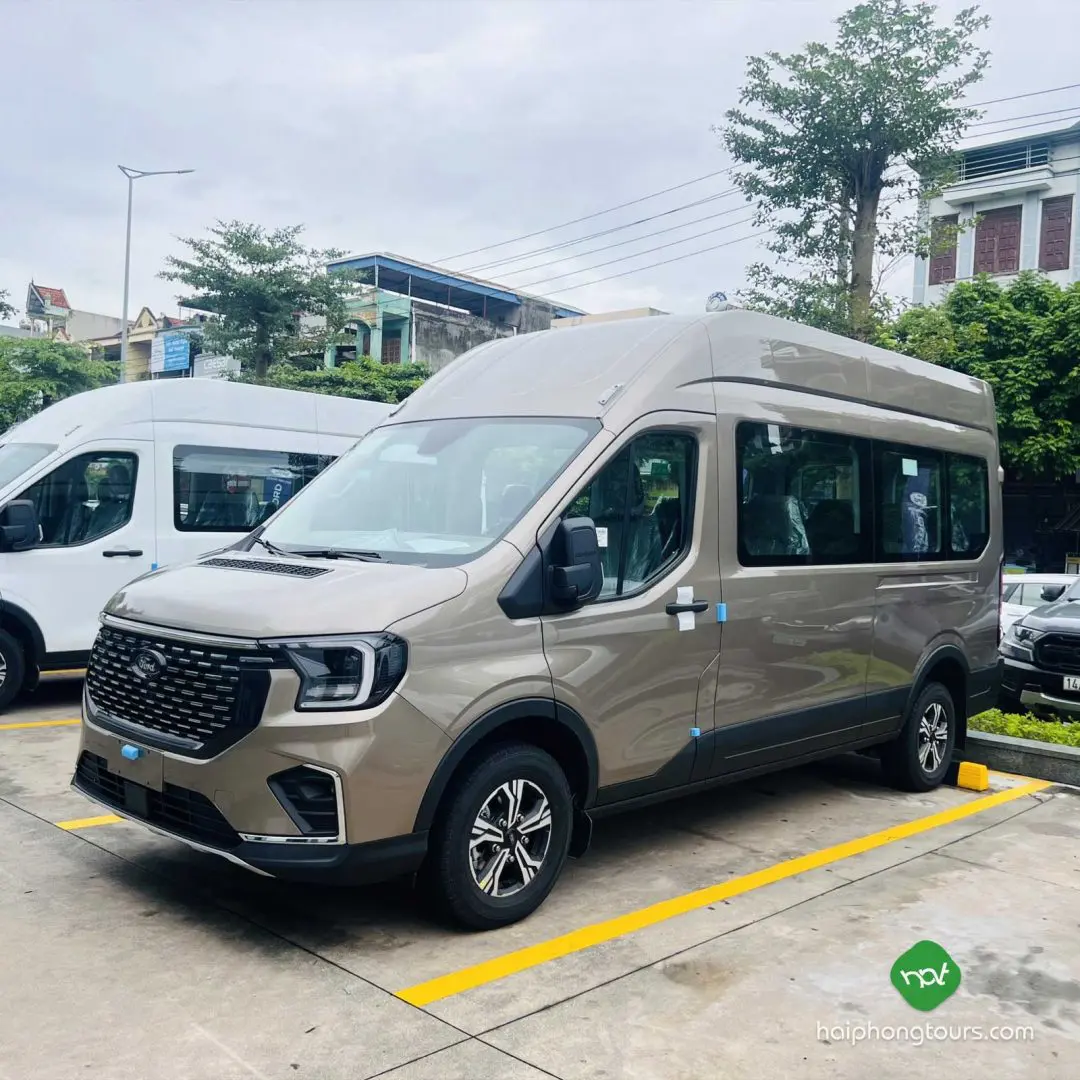
For a KIA Sedona, KIA Carnival or Dcar Solati, contact Hai Phong Tours for a separate quotation. Please share your dates, route, passenger count and luggage details so we can confirm a suitable available vehicle.
Allow for packing before the airport departure
The final shot is not the same as being ready to leave. Allow time to pack, check the location and load the complete group before the airport pickup. If some equipment returns to Hanoi separately, identify that movement in advance.
For a Halong to Noi Bai Airport transfer, share the flight departure time and the airline’s check-in requirements. Agree a pickup based on the full departure plan, including any hotel stop.
Frequently asked questions
Can a passenger vehicle carry our camera and lighting cases?
Suitability depends on the vehicle and complete load. Send case dimensions, photographs, crew numbers and personal luggage details so an appropriate arrangement can be quoted.
Can we book transport for an early call or late finish?
Request the required hours before booking. Early starts, late finishes and changes to the agreed period need availability and pricing confirmed for your dates.
Is loading assistance or a production runner included?
Do not assume either is included with a driver. Describe any handling or coordination help you need and arrange it separately with the appropriate provider.
Can the route change during a shoot?
Share revisions with the transport contact for confirmation. Extra stops, distance or waiting may change the quotation, and the vehicle must remain available for the revised period.
What information should we send first?
Send dates, flight details, accommodation, proposed locations, daily operating hours, passenger numbers and an equipment list. Mark provisional locations clearly so the quotation reflects the current plan.