
Vinh is a useful food stop precisely because you do not need a long checklist to enjoy it. A bowl of eel soup, a plate of soft rice sheets and a relaxed evening meal give a more satisfying introduction than driving across the city to photograph ten dishes.
Build a first Vinh food day around one substantial breakfast, one simple lunch and one evening food area. Use the Vietnamese dish names when ordering, and distinguish a soup, porridge and noodle bowl before asking for the local specialty.
Eel soup, eel porridge or eel noodles?
| Menu name | What you are choosing | How to order sensibly |
|---|---|---|
| Súp lươn | Seasoned eel soup, usually eaten with a separate accompaniment | Ask whether bread or rice sheets are included |
| Cháo lươn | Eel with rice porridge | A self-contained bowl rather than soup plus bread |
| Miến lươn | Eel with glass noodles | Specify soup or another preparation if the menu offers both |
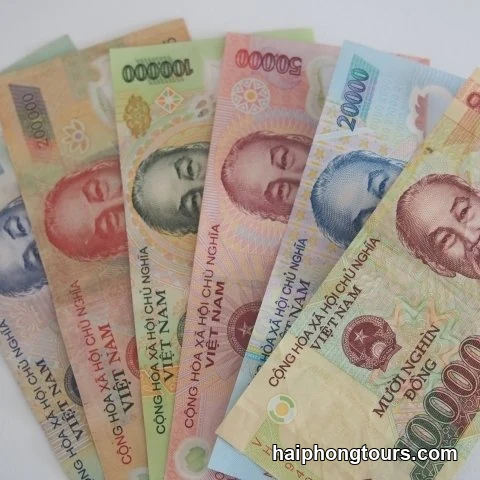
For a concrete starting address, Lươn Hồng Sơn, 154 Mai Hắc Đế, appears in reporting based on local recommendations. The same reporting gives 40,000–50,000 VND as a reference for an eel-soup portion in Vinh. Treat that as a budgeting example, not a current menu quotation for every shop or portion.
The soup can be strongly seasoned. Say ít cay for less spicy or không cho ớt for no added chili, but understand that a prepared base may already contain it. If someone in your group does not eat eel, choose a different dish rather than expecting the kitchen to remove it from an eel broth.
Order one bowl each and one accompaniment to begin with. Bread, rice sheets and an additional side can turn a light-looking order into a large breakfast. You can add more after seeing the portion.
Banh muot: the rice-sheet breakfast
Bánh mướt is a soft steamed rice-sheet dish. The appeal is the freshly prepared texture and the savory accompaniments, not a complicated filling. A plain-looking plate may still come with fish sauce, meat or a topping that matters to your diet.
Two named options in Vinpearl’s regional dining guide are Thúy Hiếu at 43 Thành Thái and Việt Hiệp at 31 Nguyễn Thái Học. Listed reference prices are 20,000–55,000 VND per plate at the first and 15,000–25,000 VND at the second. Those ranges reflect different plates and additions; they are not all-inclusive breakfast packages.
The guide lists service beyond breakfast at both addresses, but verify a late visit locally rather than relying on an old directory hour. Breakfast remains the simplest time to make rice sheets the main event.
If you want to watch preparation, choose a seat that does not obstruct the cook or the flow of takeaway customers. A short wait for a fresh plate is different from slow service at a restaurant where everything was cooked earlier.
Chao canh is a noodle dish, despite the name
Do not order cháo canh expecting another rice porridge. It is a soft noodle preparation with a substantial broth, often containing pork-based stock and different toppings.
Named city examples include Cháo canh bà Vinh, 136 Hồng Bàng, and Long Hương, 7 Võ Thị Sáu. Choose the nearer convenient address rather than turning lunch into a cross-city competition. These are documented starting points, not claims that one is objectively the best.
Before ordering, point to the topping you want and clarify whether the displayed price covers the standard bowl or an upgraded combination. A bowl with several meat or seafood additions may cost more than the basic dish advertised outside.
Where to go in the evening
The provincial heritage authority describes three useful evening food areas: Dao Tan Street around the old citadel, Ho Sy Duong Street and Bach Lieu beside Vinh University. They offer different clusters of cooked food and snacks rather than one market with a single opening bell.
For a first evening, choose the citadel area if it fits your sightseeing, then walk a short section and inspect the menus. Ho Sy Duong is another option for bowls and rice-based meals. Bach Lieu can suit an informal student-area atmosphere. Do not travel to all three after a full dinner.
A food street name is not a guarantee that every stall operates nightly or remains open for a very late train arrival. If you are arriving close to midnight, arrange a confirmed meal or buy something suitable before boarding instead of making the food street your only plan.
A manageable food day
- Breakfast: choose eel soup with an accompaniment, or a rice-sheet plate. Save the other for the next morning.
- Late morning: take a cultural walk or return to the hotel. Avoid continuous eating merely to complete a list.
- Lunch: have a noodle bowl or a modest cooked meal near your day’s route.
- Evening: choose one food area, order a main dish first and add a snack only if you still want it.
This sequence works particularly well for a one-night railway stop. If you have only an arrival evening and departure breakfast, those two meals are enough. A longer food tour is worthwhile when explanation, ingredients and conversation interest you, not simply when it adds more portions.
Useful ordering phrases and portion questions
- Một suất: one portion.
- Giá này gồm những gì? What does this price include?
- Không cho ớt: no added chili.
- Nước chấm để riêng: dipping sauce separately.
- Không thịt, không cá, không nước mắm: no meat, fish or fish sauce.
Use the last phrase to explain a requirement, not as proof that the kitchen can accommodate it. A broth already prepared with animal ingredients cannot become vegetarian by removing the visible meat. For strict restrictions, ask about the base before the cook begins.
Carry small cash notes and inspect the total before paying. A calculator is useful when several side dishes and drinks are added. Do not assume an English-speaking server or foreign-card payment at a small breakfast shop.
Buying food for the onward journey
For a train, choose food that can be packed securely and eaten without making a mess in the carriage. A delicate rice-sheet plate and a hot soup are better enjoyed at a table before departure than balanced over luggage on the platform.
Leave a realistic interval between the meal and reaching the station. Carrying a takeaway does not compensate for missing boarding. If breakfast service is not confirmed at the hour you need, buy a simple alternative the previous evening.
Traveling with allergies requires more than knowing a dish name. Broths, sauces, peanuts, fried toppings and shared utensils can matter. Use a written Vietnamese explanation and decline a dish if its ingredients cannot be established.
Fit the meals around Vinh rather than the other way around
The Vinh travel guide helps you choose a city base. For a focused history stop before dinner, use the Vinh citadel guide. For the onward connection, see Hanoi and Ninh Binh to Vinh by train.
Planning a food stop between northern Vietnam and the caves? Contact Hai Phong Tours with your arrival time, hotel and next departure. We can help assess a transfer plan that leaves time for a real meal instead of a rushed roadside stop.