
A sensitive sleeper should not treat any Grand Pioneers cabin as guaranteed silent or free from vibration and odours. The operator’s current terms disclose that operational noise, vibration and odours may occur. Ask for current ship and cabin-position guidance before travel, but make the booking decision with the possibility that these effects will still be present.
The practical plan is to describe the specific sensitivity, ask which current position may reduce the relevant exposure, prepare a simple sleep fallback and keep the operator’s written limits with the voucher. A cabin request can guide allocation, but it does not create a guaranteed quiet zone or a fixed ship location.
Start with the operator’s published limit
Grand Pioneers states that certain levels of operational noise, vibration or odours may occur. That disclosure matters more than a general label such as luxury, spacious or quiet. It means a traveler should expect a working vessel to have operational effects and should not interpret a cabin photograph as evidence of silence.
The same terms describe deck plans and marketing materials as indicative. The official FAQ also distinguishes Grand Pioneers 1 from Grand Pioneers 2, including different cabin configurations and facilities. Therefore, request guidance for the assigned ship shown on the latest voucher rather than relying on a fleet-wide assumption.
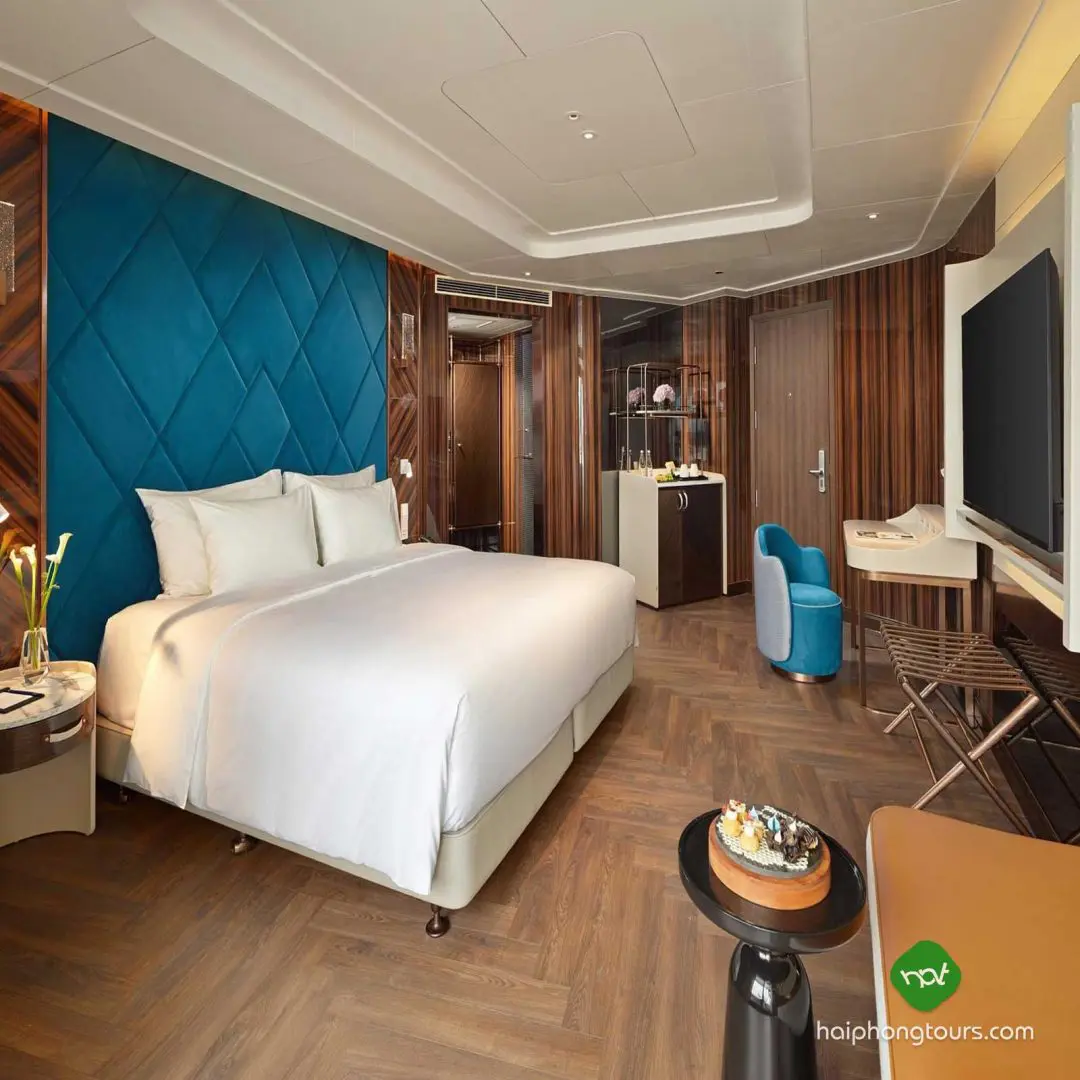
Do not convert the disclosure into a prediction that every cabin has the same conditions. The source does not identify the quietest cabin, measure sound or rank positions. The useful action is to explain what disturbs sleep and ask the official team for current position guidance without expecting a guarantee.
Describe the sensitivity in functional terms
A message such as “I am a light sleeper” may be too broad. State whether the main concern is intermittent mechanical sound, continuous vibration, voices near shared areas or sensitivity to operational odours. Explain whether the problem is falling asleep, waking after a sudden change or being unable to rest once vibration is felt.
Keep the description practical and nonmedical unless the traveler chooses to discuss a relevant condition directly with the operator. This article does not diagnose sleep problems or recommend medication. Its purpose is to help the operator understand the cabin-position concern and help the traveler decide whether the disclosed operating environment is acceptable.
If two travelers share the cabin, identify both sets of needs. A clear request gives the booking team more useful information than a generic demand for the “best” cabin.
Ask for current cabin-position guidance
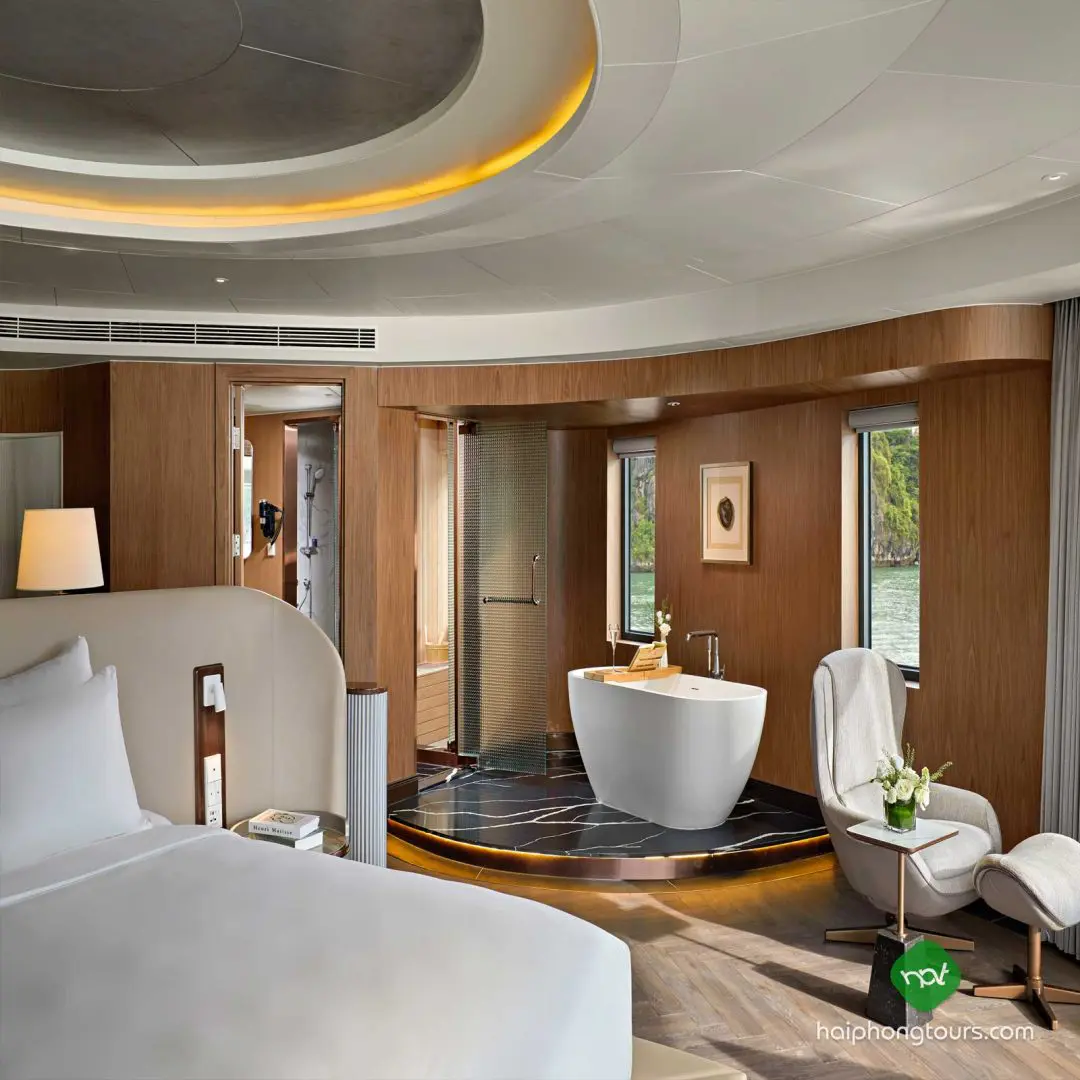
Use the official Grand Pioneers channel and include the booking reference, sailing date, assigned ship if known, cabin category and the particular sensitivity. Ask which positions within the booked category may reduce the relevant issue. Also ask whether the ship assignment or cabin position remains subject to operational change.
Useful questions include:
- Which Grand Pioneers ship is assigned on the latest voucher?
- Where is the booked cabin positioned on that ship’s current plan?
- Which current position may reduce the specific noise, vibration or odour concern?
- Is the requested position available within the booked category?
- Is the request recorded as a preference or confirmed as a fixed assignment?
- What operational effects should a sensitive sleeper still expect?
Ask for the answer in writing and store it offline. Read the wording carefully. “Requested,” “noted” and “subject to availability” do not mean guaranteed. Even a named cabin does not cancel the operator’s published disclosure about operational effects.
Do not overread the deck plan
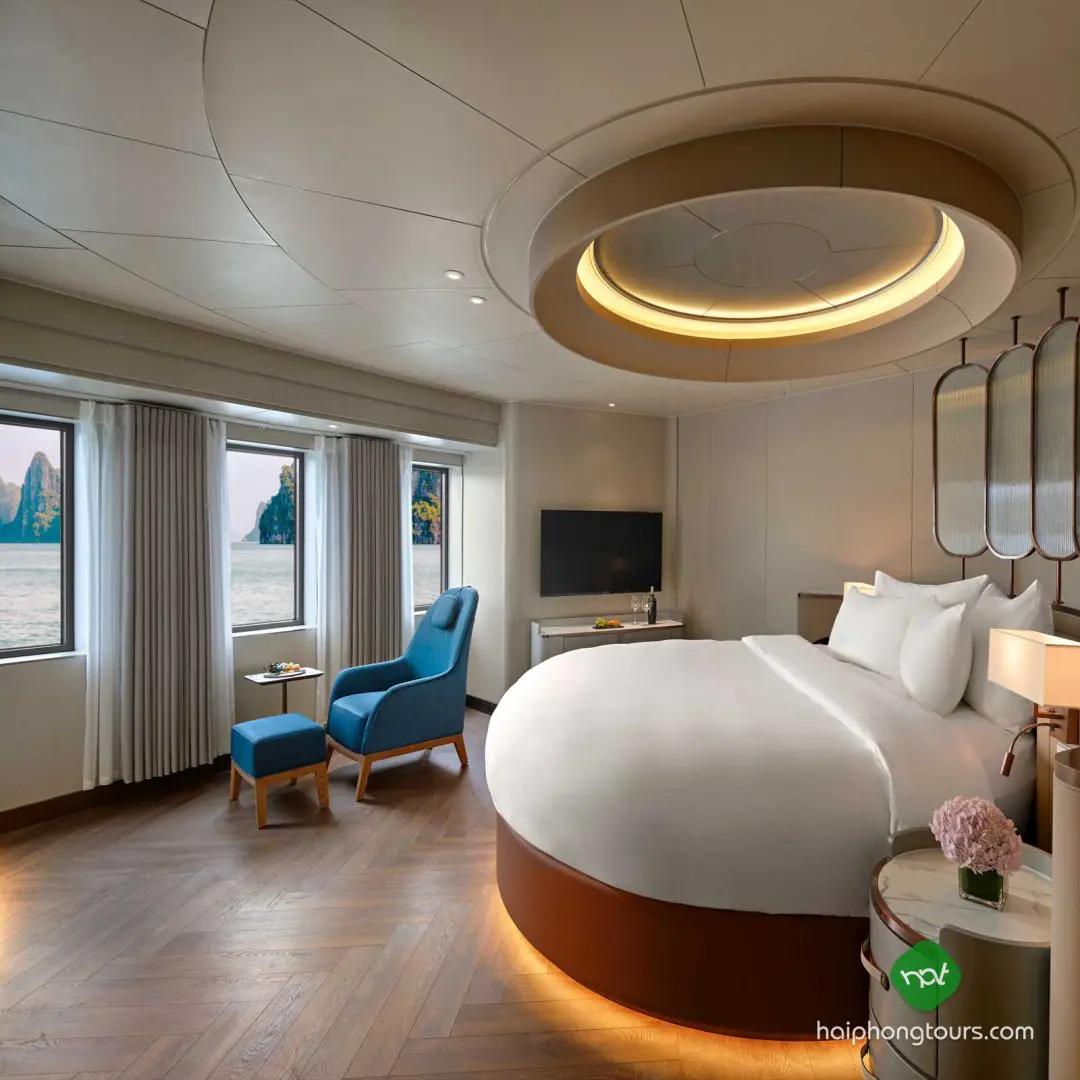
A deck plan can show relative position, but it cannot prove the sound or vibration level on a future sailing. Marketing images do not show changing operational conditions. Avoid choosing solely from an image and then assuming the selected position will remain unaffected.
Pack a proportionate sleep fallback
Bring familiar nonmedical items that already help you rest, such as comfortable earplugs, an eye mask or downloaded neutral audio with suitable headphones. Test them before travel. Do not experiment onboard with an unfamiliar product when you do not know how it affects comfort or awareness.
Save any audio offline because shipboard internet is not guaranteed. Keep essential devices charged according to the ship’s current rules and avoid relying on streaming. The fallback should work even if there is no connection and the cabin has the operational sound or vibration the terms describe.
Use sound-blocking items responsibly so you can still respond to safety instructions and alarms. Seek appropriate professional advice before choosing an aid if you have a medical or hearing concern.
Set expectations for the first night
Organize the sleep setup before becoming tired. If an operational effect is unclear or seems unusual, ask onboard staff for an explanation rather than guessing at its source.
Explain the specific problem calmly: when it occurs, whether it is continuous or intermittent and how it differs from the expected operating environment. Staff may be able to clarify operations or suggest a practical step, but do not assume they can eliminate the source or produce a silent alternative.
Record any guidance that materially affects the rest plan. The aim is to respond early and practically, not to wait until disembarkation to describe a problem that onboard staff had no opportunity to understand.
Decide whether the cruise suits the sleeper
Use a failure-case test before booking or before the applicable decision deadline: if the cabin has noticeable operational noise, vibration or odours despite the recorded preference, can the traveler still rest with the prepared fallback? If yes, the plan may be workable. If no, the vessel environment may not suit this trip.
Do not base that decision on a promise the operator has not made. A cabin-position preference may improve the plan, but it cannot remove the published operating limitation. Review the latest voucher and terms again before travel because the valid ship, assignment and conditions are the current ones.
Hai Phong Tours boundary
Hai Phong Tours does not operate Grand Pioneers, allocate its cabins or control onboard noise, vibration and odours. There is no HPT service call to action for this decision. Use the official Grand Pioneers channel for current ship and cabin-position guidance.
Final sensitive-sleeper checklist
- Name the specific sound, vibration or odour concern.
- Confirm the assigned ship and booked cabin category.
- Ask for current position guidance in writing.
- Distinguish a recorded preference from a guarantee.
- Save the voucher, reply and deck information offline.
- Pack familiar nonmedical sleep items that work without internet.
- Report a material concern to onboard staff promptly.
- Accept the cruise only if the failure-case plan remains workable.
A good sleep plan does not promise silence. It identifies the traveler’s real sensitivity, uses current operator guidance without overstating it and prepares for the operational environment disclosed in the terms. If the fallback is not enough, choose a travel plan that does not depend on a quiet cabin guarantee Grand Pioneers does not provide.
Would you like help fitting this experience into your trip? Contact us with your travel dates, starting point, available time and group size. Tell us about walking limits or special interests so we can suggest a practical itinerary.