
Assemble the policy, official records, medical and property evidence, invoices and written correspondence for the insurer.

Handle this part of the collision response
Build one indexed claim file containing the policy, identity and vehicle documents, police references and records, separate witness and traveler accounts, medical evidence, property photographs, towing or retention records, repair estimates, invoices and written correspondence. Keep originals unchanged and track what was sent, when and to whom. Separate facts from estimates and disputed claims. A complete file supports orderly review, but it does not establish fault, liability, coverage, compensation, repair authorization or claim acceptance.
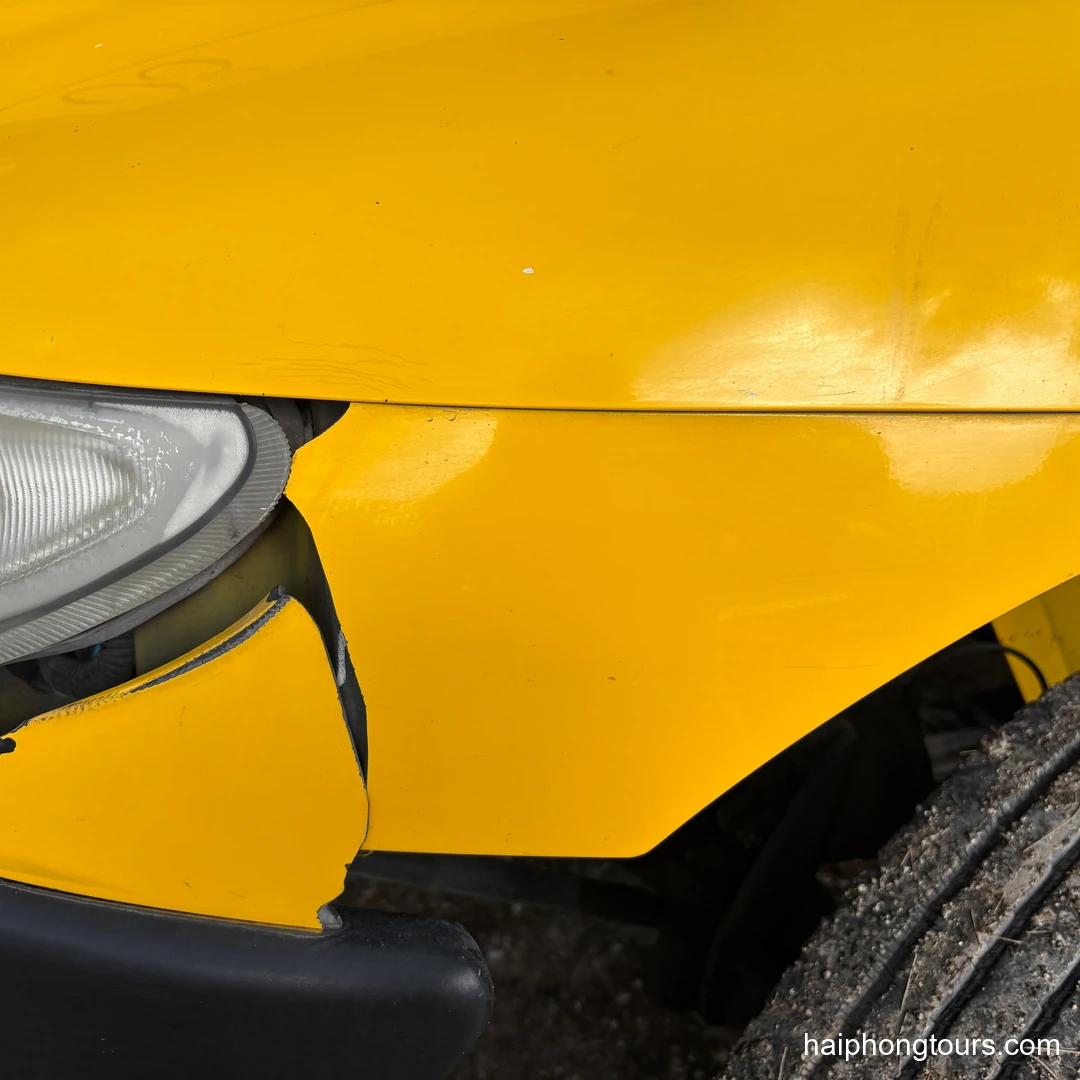
Notify the owner and insurer
After urgent duties, notify the vehicle owner or rental provider through the current contract channel. Give facts and request written instructions for towing, inspection, repair and document handling.
Notify the compulsory-liability insurer using the policy channel and follow evidence instructions. Separate compulsory third-party cover from optional own-damage, roadside or rental protection.
Neither owner instructions nor insurer notification replaces police duties. No notice confirms coverage, compensation, repair approval, replacement or reimbursement.
Address injuries and immediate danger before collecting paperwork. Follow police and emergency-service directions; do not delay urgent care, obstruct responders or move a seriously injured person unless immediate danger or competent guidance requires it.
Need a new ground-travel plan after the immediate situation is resolved? Contact us with your safe pickup location, destination, group size and luggage to ask about a replacement transfer.
