
Work backward from the operating airline’s current boarding-gate time, not from the moment online check-in closes. For Vietnam Airlines domestic flights, the published online window ends one hour before departure, kiosks close 45 minutes before, and staffed counters close 40 minutes before. Each is a different checkpoint; none replaces the gate deadline on the boarding pass.
Vietjet currently closes domestic online check-in 60 minutes before departure and publishes a 40-minute domestic counter closure, subject to airport-specific changes. Hai Phong Tours does not set airline or airport deadlines. Recheck the live schedule, operating carrier, baggage process and latest boarding pass before calculating the terminal plan.
Start with the operating airline
For a codeshare, identify the airline that operates the aircraft. Its counter and published rules control even when another airline name is prominent on the ticket. Record the operating flight number and current scheduled departure.
Use the operating carrier’s official check-in page and live booking. Do not combine the earliest opening time from one airline with the latest closure from another. The passenger must satisfy one coherent set of rules.
If the operating carrier changes, rebuild the plan. Counter location, online eligibility, baggage handoff and boarding pass can all change.
Vietnam Airlines has three separate self-service and counter clocks
Vietnam Airlines currently offers eligible online check-in from 24 hours to one hour before scheduled departure. Completing it provides a boarding pass but does not remove a checked-bag handoff or the need to reach the gate.
For eligible domestic passengers at supported airports, kiosk check-in currently runs from six hours to 45 minutes before departure. Kiosk exclusions and airport availability still apply. A checked bag uses a counter or available bag-drop process.
The current staffed domestic counter window runs from two hours to 40 minutes before departure. After closure, baggage is not accepted and the passenger may be refused boarding. These are outer limits, not an invitation to arrive at the final minute.
Vietjet uses its own online and counter clocks
Vietjet currently offers domestic online check-in from 24 hours to 60 minutes before departure. The airline also publishes a 40-minute domestic counter closure, subject to airport-specific changes.
A checked bag must still go to the online-check-in or bag-drop counter. The 60-minute online closure does not become the baggage deadline, and the 40-minute counter closure does not account for the queue, security or walk to the gate.
If a Vietjet flight changes after online check-in, check in again and use the updated boarding pass. The earlier pass should not be used to plan the new flight’s gate time.
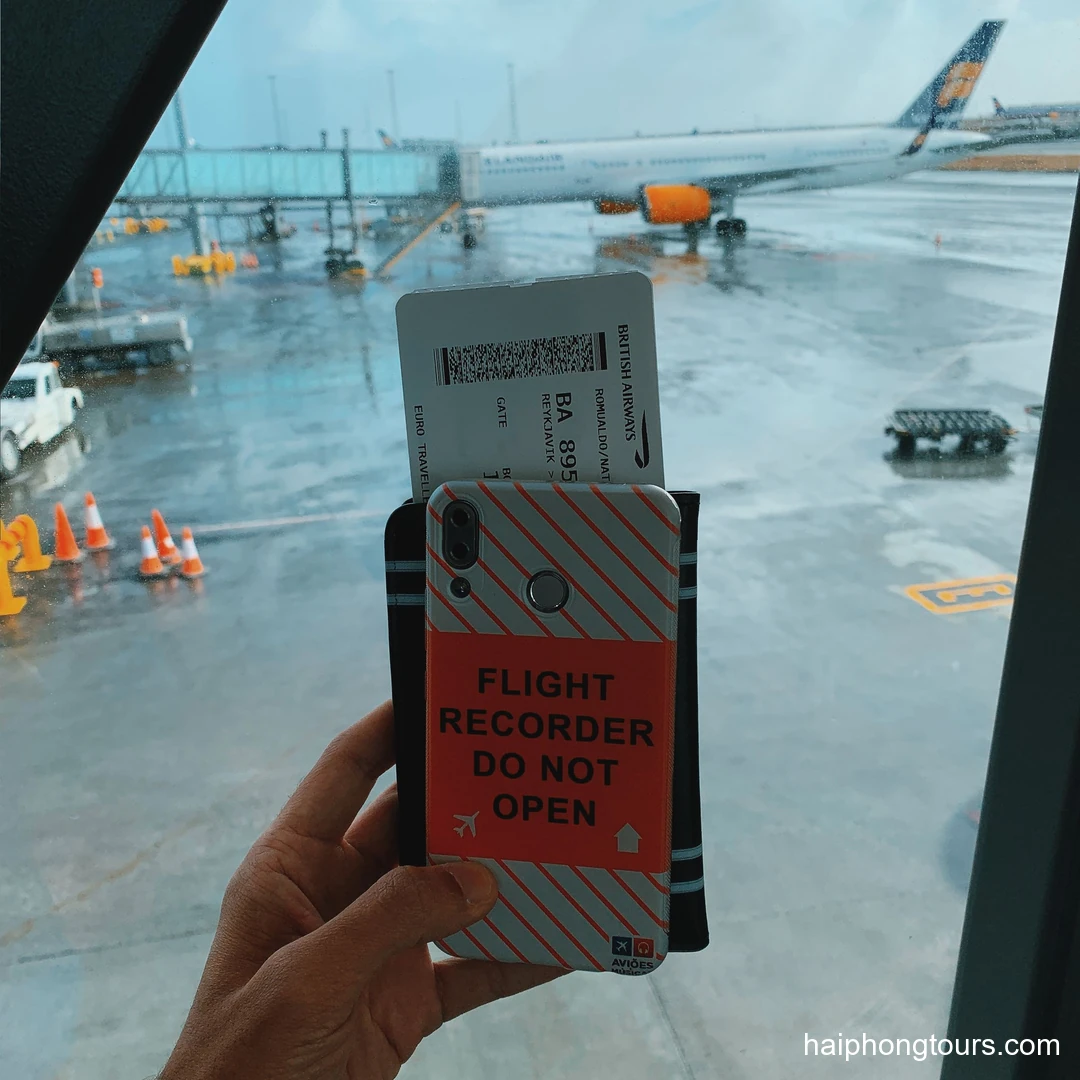
Add the baggage decision before setting the airport plan
A carry-on-only passenger who has successfully checked in may have fewer counter steps. A passenger with checked baggage must protect the bag-drop or counter deadline. Plan for the traveler with the slowest valid path.
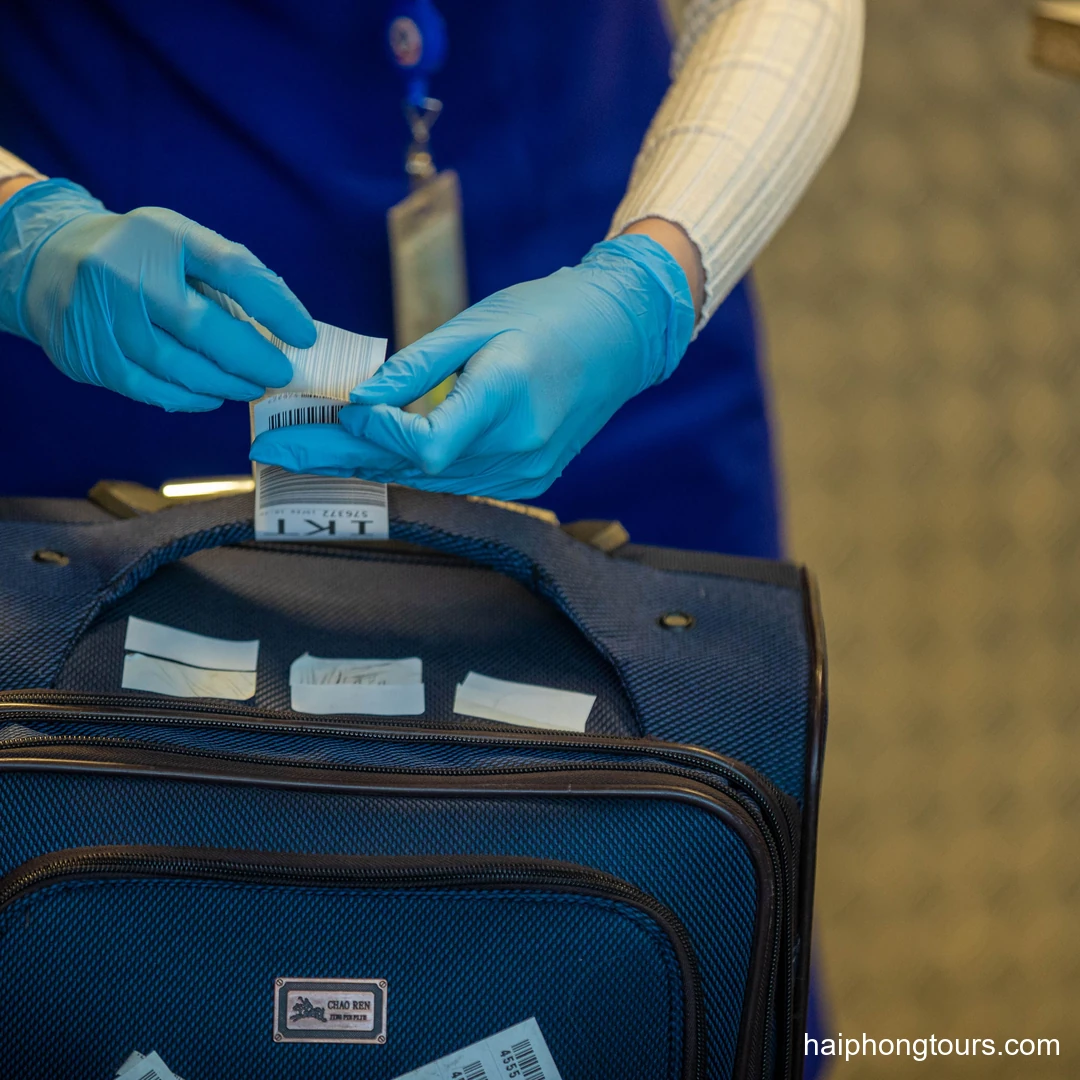
Do not treat online check-in as permission to arrive after counter closure with a bag. Do not assume a kiosk accepts the bag. The operating airline’s current handoff process controls.
If baggage cannot be accepted, the passenger should ask the airline for valid options. This article does not promise storage, rebooking, a refund, or permission to convert the item to carry-on.
Separate terminal movement and security from check-in
At Noi Bai, domestic departures use Terminal 1. After check-in, the assigned gate determines whether the passenger follows the Hall C or Hall E security route. Recheck the gate in the terminal.
Security queues and walking time occur after check-in. The airline deadline does not calculate a universal personal buffer for children, mobility needs, document checks or a distant gate.
Build a practical arrival plan from the passenger’s real requirements, but avoid repeating a generic “arrive two hours early” rule as if it were official for every carrier and airport. The final plan should be earlier than the relevant closure with enough time for all remaining steps.
Use the boarding pass as the final gate clock
Vietnam Airlines requires passengers to reach the gate by the time shown on the boarding pass. A completed online, kiosk or counter check-in does not preserve boarding after that time.
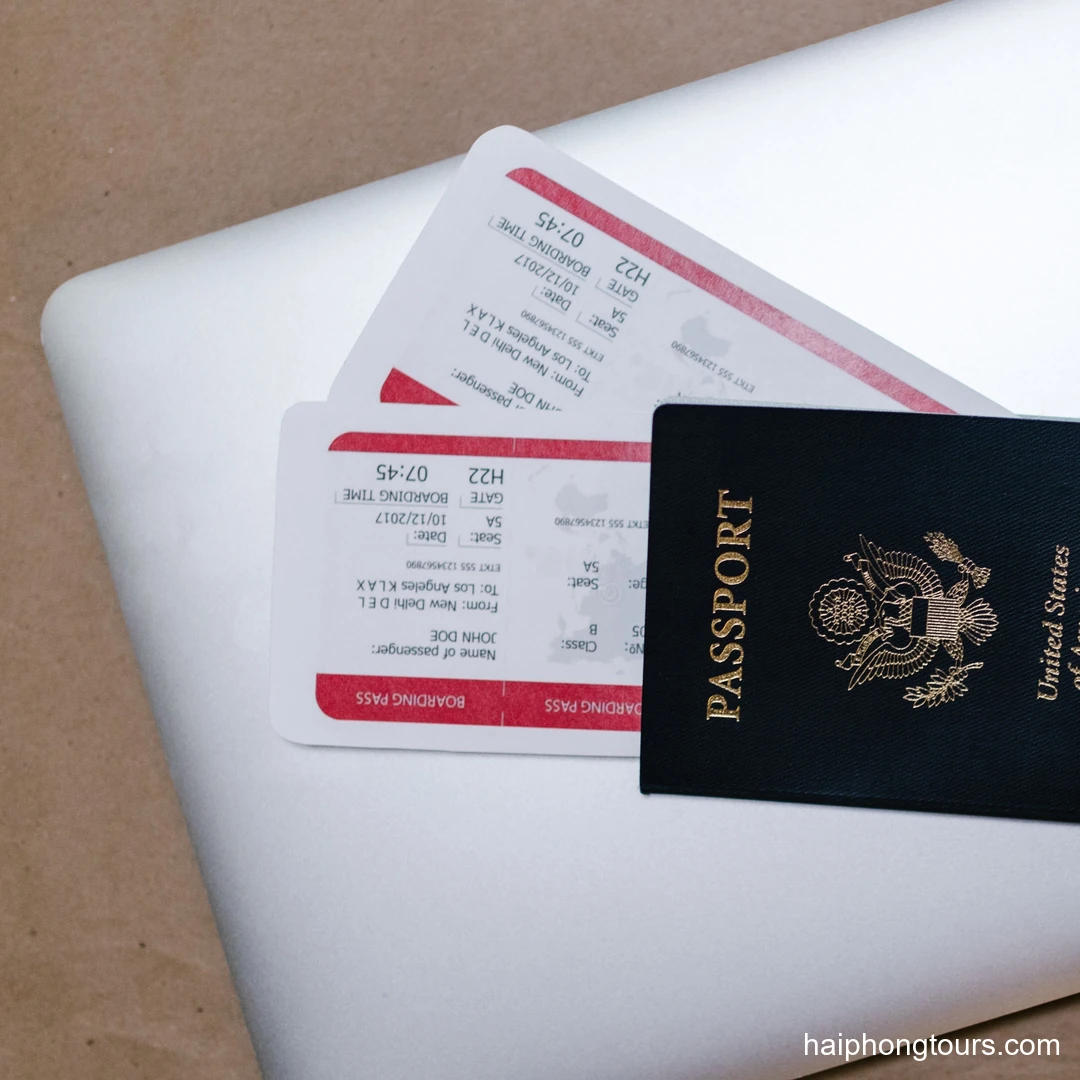
Check the newest pass after a schedule change. Also monitor airport displays and airline messages because the gate can change. Do not navigate from an old screenshot while ignoring live information.
Keep identification, phone power and the boarding pass accessible through security. If the group separates, each traveler should know the gate and deadline.
Build a deadline ladder
Write the current scheduled departure at the top. Below it, record the live gate time, the counter or bag-drop closure that applies, and the online or kiosk closure if you plan to use self-service. Then add security, terminal movement, document and queue margins.
The earliest vulnerable step should drive the arrival plan. For a checked-bag passenger, that may be the counter handoff. For an online carry-on-only traveler, it may be security and the gate. For an ineligible self-service passenger, the staffed counter is mandatory.
Rebuild the ladder after a flight-time change. Do not simply move every old time by the same amount unless the airline’s live system confirms the new deadlines.
Late-arrival fallback
If online check-in has closed, go to the valid operating-carrier process only if its deadline remains open. Do not spend the counter window trying repeated self-service attempts.
If the counter is closed or the gate deadline cannot be met, ask the airline for the valid booking options. Do not rely on a last call, gate exception, compensation, or missed-flight right that has not been confirmed.
When the flight is essential, remove optional stops before the airport. A deadline comparison is useful only when it changes behavior early enough.
Cutoff checklist
- Identify the operating carrier and current scheduled departure.
- Record the correct online, kiosk and counter windows.
- Include the checked-bag handoff when applicable.
- Use the updated boarding pass after a flight change.
- At Noi Bai domestic, start in T1 and recheck Hall C or Hall E.
- Add security and terminal movement after check-in.
- Reach the gate by the live boarding-pass requirement.
- Use the airline’s official process when a deadline is lost.
Online check-in is one rung in the deadline ladder. The operating carrier, bag counter, security route and boarding pass still decide whether the passenger reaches the aircraft.
Need help with airport transfers or the rest of your Vietnam trip? Contact us with your confirmed flight details, destination and travel dates to discuss a suitable ground transfer or sightseeing plan.