
Confirm the pet before confirming the passenger
Give the railway a precise description: animal type, size, carrier dimensions, combined weight if requested, travel date, train number, boarding station, destination, and intended coach or class. Do not ask only whether “pets are allowed on trains.” A general answer may not resolve the service you intend to use.
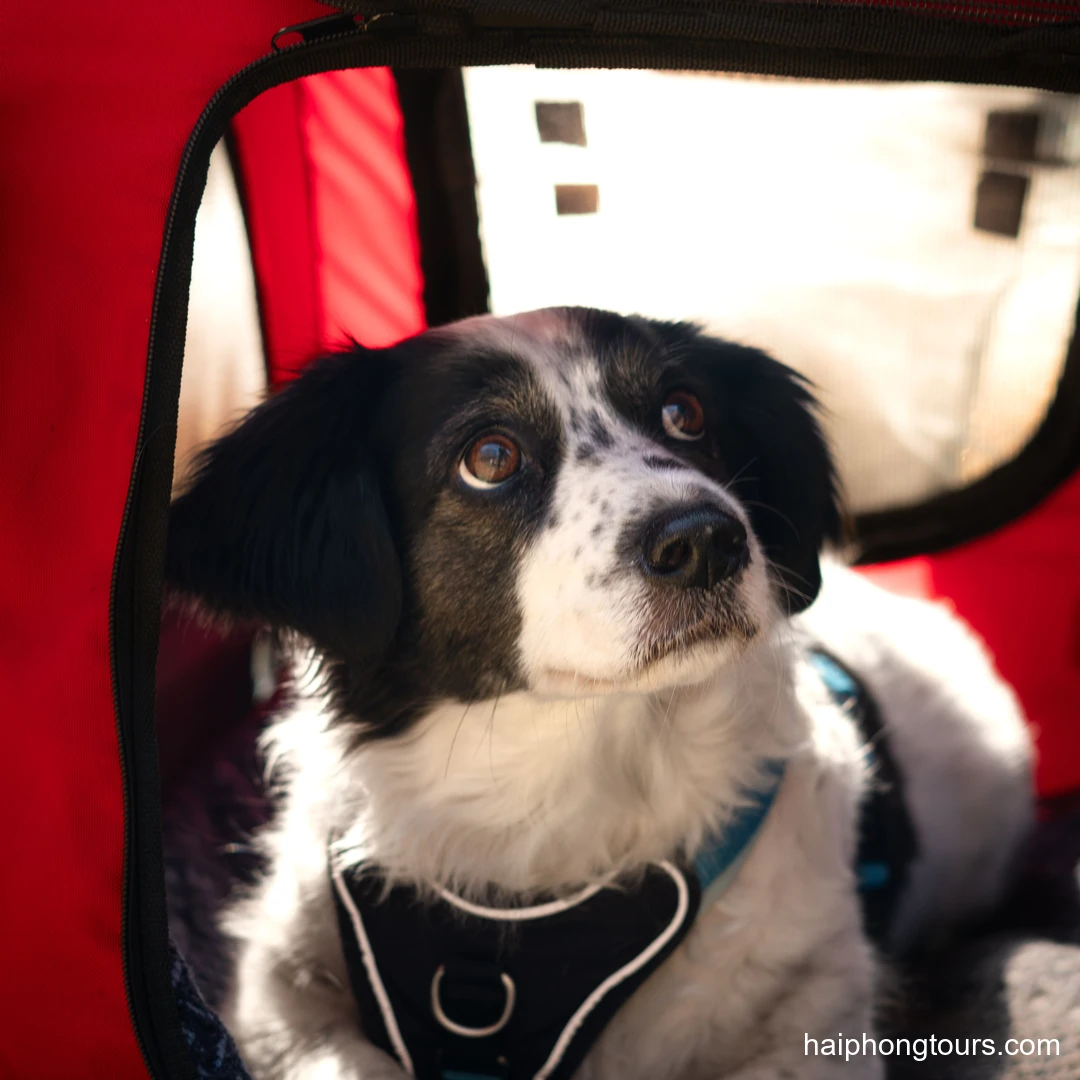
Pet acceptance is conditional and must be settled with the railway for the specific animal, train, coach and stations. The operator’s current passenger-conditions index identifies its governing transport rules and requires sufficient passenger and baggage tickets; a passenger ticket alone does not establish permission to carry an animal.
Send the animal type, combined animal-and-carrier weight, carrier dimensions and vaccination records with the travel request. Ask the railway to confirm the accepted carrier, where the animal will travel, any additional ticket or fee, and how the boarding station will handle it. Do not assume that permission to transport an animal means it may occupy a seat or sleeper compartment. Keep the railway’s acceptance with the booking.
Ask whether the animal falls within a currently accepted category and whether acceptance requires a particular containment method or placement. Request a response that identifies the train or booking, not merely a copied rule link. If support cannot confirm the exact journey, treat the pet as unaccepted.
Confirm before purchasing a nonrefundable plan or arranging tight connections. A passenger ticket alone does not establish the right to bring a live animal aboard. The current ticket site also states that passengers must hold sufficient passenger and luggage tickets, so ask what documentation or additional ticketing applies.
Use a secure carrier as the starting condition
Do not assume that a soft bag, open basket, leash, or animal held in arms satisfies the rule. Send carrier details when asking for approval. If staff require inspection, the traveler should be able to show the carrier without opening it in an unsafe place.
Label the carrier with the passenger’s name and reachable phone number, while keeping the railway booking and support response separately accessible. A label helps identify the carrier; it does not replace a ticket or acceptance.
Prepare for hygiene and non-disturbance
The published conditions include hygiene and avoiding disturbance to other passengers. Prepare absorbent material, waste bags, cleaning supplies, and a way to contain food or water without spilling. Ask the railway what may be used on board and where care can occur.
Do not plan to open the carrier in a passenger coach unless staff specifically allow it. Noise, odor, leakage, aggressive behavior, or an escaping animal can make the arrangement unworkable even when a prior answer was positive. The owner remains responsible for controlling the pet.
Consider the animal’s tolerance for station crowds, noise, heat, and a long enclosed journey. This article cannot establish veterinary fitness or recommend medication. Seek appropriate professional advice when health or stress is a concern.
Check both stations and the train
Ask the boarding station whether it can process the pet and what arrival procedure applies. Ask the destination station how the animal and carrier leave the train area. A rule at national level does not prove that every station has the same facilities or handling process.
Confirm the exact train because space, train formation, and operating method can matter. Ask whether the pet remains with the passenger, uses another handling method, or is not accepted. Do not infer permission from a different route or a previous trip.
If the journey changes through rebooking, reconfirm the animal. Approval for one train, date, coach, or station pair should not be treated as transferable.
Keep the written answer with the booking
Save the official support response, booking reference, any required pet or luggage instruction, and the carrier details offline. Bring identification and the passenger ticket required for the journey. If the railway issues a separate voucher or instruction, keep the original format requested.
At the station, show the written response before entering the final boarding flow. Arrive early enough for the station’s confirmed inspection or processing, but do not invent a universal arrival time. Ask support or the station for the correct timing.
If staff provide a new instruction that conflicts with an older message, ask for a supervisor or the official support channel to resolve it. Do not argue from an undated online summary.
Plan the first and last road segments
Confirm that the taxi, transfer, or other road vehicle used to reach the station will accept the pet and carrier. Railway acceptance does not guarantee road-transport acceptance. Give the road provider the same animal and carrier information.

At the destination, arrange a vehicle or responsible person who can collect the animal. Leave enough time for any station release or inspection described by the railway. Do not make a tight hotel, flight, or tour connection based on normal passenger exit time.
Use a refusal fallback
Prepare a safe alternative before travel. This may be an accepted road transfer, a different confirmed train, a later trip after new approval, or reliable pet care. The fallback must itself accept the animal; do not assume a taxi or hotel will do so.
If station staff refuse carriage, do not abandon the animal, hide it, or board against instruction. Contact official railway support, record the reason, and activate the fallback. Follow the current ticket process for any passenger booking impact rather than assuming a refund or change.
If the pet becomes unwell or uncontrollable before boarding, prioritize the animal and other passengers. Railway confirmation is permission subject to current conditions, not an obligation to proceed.
Pet-travel checklist
- Identify the animal, carrier, train, coach or class, and both stations.
- Ask the official railway channel for current written acceptance.
- Confirm ticketing, inspection, and station arrival instructions.
- Use a secure carrier accepted for the journey.
- Prepare hygiene supplies and a non-disturbance plan.
- Save the response and booking offline.
- Confirm the road transport at both ends.
- Keep an accepted road-transfer or care fallback.
The safe answer is train-specific, not general. Travel only when the official railway response, carrier, station procedure, and fallback all support the same pet and journey.
Would a private transfer make this journey easier? Contact us with your travel date, exact pickup and drop-off, number of travelers and bags. Include any flight, train or cruise deadline so we can assess a suitable plan and quotation.
