
Use carry-on baggage only when the item fits the published passenger allowance: up to 20 kilograms, with stated limits of 0.8 meters in length, 0.5 meters in width, and 0.16 cubic meters in volume. If a bag exceeds any applicable limit, confirm checked-baggage or luggage-car handling for the exact train and stations before buying a plan around it.

Excess baggage is not automatically accepted in a passenger coach. Depending on time and capacity, railway staff may direct it to a luggage car when available, or carriage in the coach may be conditional and require a supplementary charge. Hai Phong Tours has no verified matching rail-baggage service, so use the official railway support channel and retain its current written instruction.
Measure before choosing the handling method
Weigh the complete bag and measure its longest dimension, width, and total volume. Include packaging, straps, wheels, and protruding parts. Do not rely on a product label such as “large suitcase” or “sports bag,” because the published limits use measurements and weight.
Write the results in the same units used by the rule and take clear photographs. Ask the railway whether the item qualifies as passenger carry-on, may travel conditionally in a coach, or requires checked handling. An item can be under the weight threshold yet fail a size or volume limit.
If several bags are involved, provide the number and measurements of each. Do not assume that dividing or combining items will be accepted without confirmation.
Understand the three practical outcomes
Carry-on within the published allowance
A compliant bag remains the simplest case, but the passenger must still hold sufficient passenger and luggage tickets under the current transport-rule framework. Pack it so it can be managed safely without obstructing other passengers or railway operations.
Conditionally retained excess baggage
Staff may permit excess baggage in a passenger coach only under the current conditions and available space, and a supplementary charge may apply. Do not treat this as a reservation guarantee. Obtain the current train-specific instruction and arrive with enough time for staff to assess the item.
Checked baggage or luggage-car handling
When available, a luggage car or station checked-baggage process can separate the item from the passenger coach. Confirm that both the boarding and destination stations handle it on the intended train. Ask about delivery timing and collection, because the bag may not follow the ordinary passenger exit.
Complete the checked-baggage declaration
The published checked-baggage guidance requires accurate sender, recipient, route, package, weight, and document information. Prepare the full names and reachable contacts requested. The route should match the stations that will actually accept and release the item.
Describe the contents honestly and provide any required supporting document. Do not use a vague label to conceal a restricted, fragile, hazardous, or unusually valuable item. If the railway cannot accept the contents, choose another method before reaching the station.
Keep copies of the declaration, receipt, ticket, and collection instruction. The recipient should know what identification or document is required at the destination.
Pack and label every package
Each checked package must be prepared and labeled for safe handling. Use packaging suitable for the item, close it securely, and make the sender and recipient information legible. Ask the railway if a particular material or packing method is required.
The published checked-baggage page sets per-package limits of 2.5 meters in length, 0.5 meters in width, 0.5 cubic meters in volume, and 75 kilograms. These figures do not guarantee acceptance: train capacity, station facilities, current rules, and processing time still control.
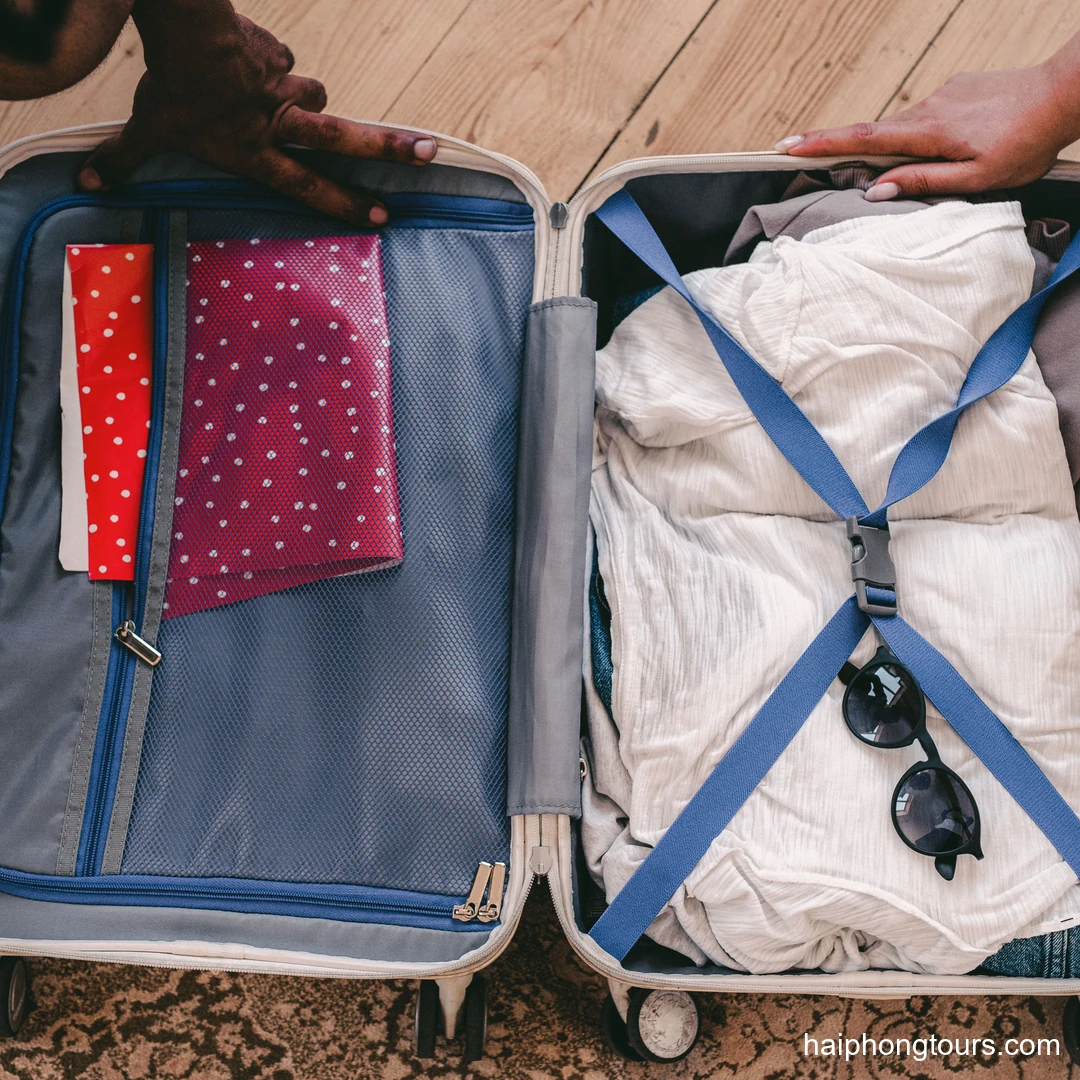
If the package is near a limit, do not round down. Provide the measured figure and ask the station to decide. Repack or use another carrier if safe handling cannot be confirmed.
Confirm the exact train and both stations
Give official support the travel date, train number, boarding station, destination, package description, measurements, weight, and passenger booking. Ask whether the stations process checked baggage for that train and whether space must be reserved or assessed on arrival.
Request the station arrival time for baggage processing. It may be earlier than ordinary passenger boarding, but this article cannot supply one universal cutoff. Follow the written official instruction.
Ask when and where the item is collected. If the destination release occurs separately or later than passenger arrival, adjust the onward hotel, transfer, or appointment.
Do not quote an old surcharge as the current price
Published rules describe situations in which extra baggage can generate a supplementary charge, but the final amount depends on current rules and handling. Obtain the fare or charge from the official railway channel for the exact item and journey.
Keep the quoted basis in writing and bring an accepted payment method. Do not negotiate from an older formula or another passenger’s receipt.
Use a no-space fallback
Prepare another method before travel: repack into compliant items when safe, send the bag through a confirmed alternative carrier, travel on another train with accepted capacity, or move the item on a separate trip. The fallback should be confirmed, not assumed.
If the station refuses the bag, do not leave it unattended or block boarding while arguing. Contact official support, record the reason, and decide whether the passenger or bag changes plans. Follow the current ticket process rather than assuming an automatic refund.
Oversized-baggage checklist
- Measure weight, length, width, and volume including packaging.
- Compare the item with the published carry-on allowance.
- Ask about coach, luggage-car, or checked-baggage handling.
- Confirm the exact train and both station facilities.
- Complete sender, recipient, route, package, and document details.
- Pack and label each item for safe handling.
- Obtain current timing and charges in writing.
- Keep a confirmed no-space fallback.
The key decision is not whether a bag looks large. It is whether its measured size, train capacity, station process, documents, and packing support one accepted handling method.
Would a private transfer make this journey easier? Contact us with your travel date, exact pickup and drop-off, number of travelers and bags. Include any flight, train or cruise deadline so we can assess a suitable plan and quotation.
