
Send a motorbike or electric motorbike as checked baggage only after Vietnam Railways confirms the exact train, boarding station, destination station, vehicle category, space, packing method, documents, delivery timing, and collection process. A national packing page does not guarantee that every North Vietnam train or station accepts the vehicle.
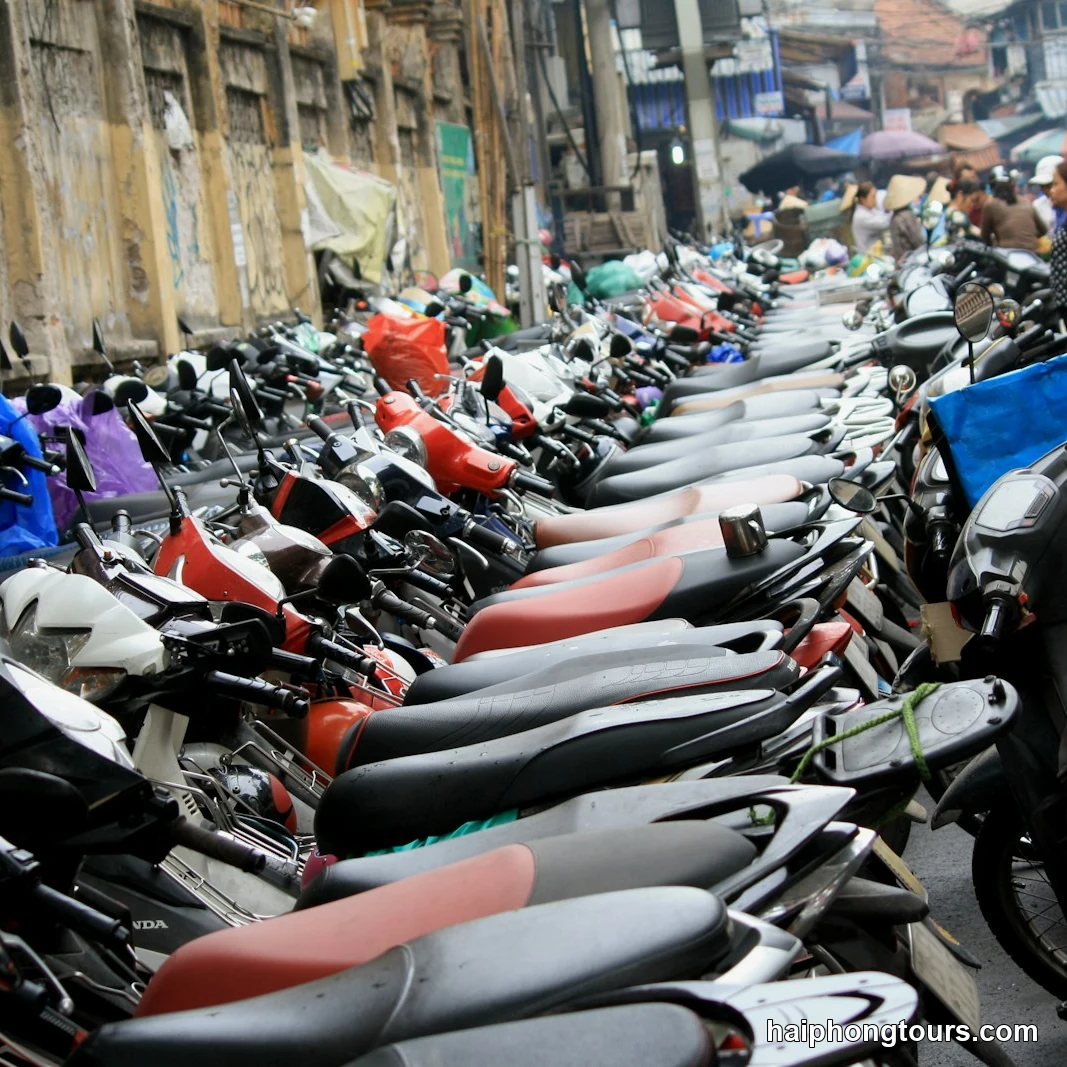
The published guidance assigns chargeable weights by vehicle type and distinguishes station baggage-store handling from direct handover. Motorbikes and electric motorbikes handled through station baggage stores on Reunification and applicable regional trains must be boxed or crated, while direct handover methods can differ. Hai Phong Tours does not provide a verified matching rail-vehicle product.
Identify the vehicle precisely
Tell the railway whether the vehicle is a conventional motorbike or an electric motorbike. Provide the make, model, dimensions, actual condition, and any registration or ownership details requested. Ask which published vehicle category applies and how chargeable weight is determined.
Do not turn the chargeable-weight table into a fare quote. The final charge depends on the current railway process, route, train, station, and accepted handling. Request a written current price or calculation from the official channel.
Photograph the vehicle before handover, including existing damage and accessories. Keep keys and documents according to the railway’s instruction rather than assuming they travel with the bike.
Confirm both stations before choosing the train
Ask the boarding station whether it has the baggage-store or direct-handover process needed for the vehicle. Ask the destination station whether it can receive and release the same category. A service that works from one major station does not prove it works from a smaller station.
Give both stations the exact train and date. Acceptance depends on current capacity and operating rules. Do not buy the passenger journey first and expect the motorbike to be added later.
Ask whether the vehicle travels on the same train as the passenger and when it becomes available for collection. Plan accommodation or local transport if delivery timing differs from the passenger arrival.
Distinguish baggage-store packing from direct handover
When the vehicle goes through a station baggage store under the published conditions, boxing or crating may be mandatory for the applicable motorbike or electric-motorbike handling. Ask who supplies the materials, where packing occurs, and how early the vehicle must arrive.
A direct handover can use another method, but that does not mean no preparation is required. Obtain the exact station instruction. Do not remove packaging, add fuel, disconnect a battery, or alter the vehicle based on an informal online comment.
Ask how mirrors, loose accessories, alarms, keys, helmets, panniers, and other attachments should be handled. The railway, not the traveler, should define what must be removed, packed separately, or declared.
Ask about fuel and battery preparation
Tell the railway the propulsion type and follow its current written instruction for the selected train and handling method.

For an electric motorbike, provide the battery information requested and ask whether the battery remains installed, requires isolation, or follows another rule. Do not improvise electrical work at the station.
For a conventional motorbike, ask what fuel level or system preparation is required. Do not assume that a rule used by another carrier applies to Vietnam Railways.
Prepare the checked-baggage paperwork
Published checked-baggage guidance requires accurate sender, recipient, route, package, weight, and document information. Use names and contacts that the stations can verify. State the correct destination and collection person.
Each package or crated vehicle must be labeled for safe handling. Ask where the label is placed and which document travels with the vehicle. Keep copies of the declaration, receipt, condition photos, and collection instruction.
The general per-package limits published for checked baggage are not, by themselves, a motorbike acceptance rule. Vehicle-category guidance and current station handling control the decision.
Protect the passenger journey
The current ticket site points to transport regulations issued with Decision 1298/QĐ-VTĐS dated December 30, 2025 and says passengers must hold sufficient passenger and luggage tickets. Ask how the passenger booking and motorbike paperwork should be linked.
Obtain the required station arrival time for vehicle processing. It may differ substantially from normal passenger boarding. This article cannot supply a universal cutoff, so keep the station’s written instruction.
Have a way to travel from the destination station if the bike is delayed or cannot be released immediately. Do not rely on riding away from the platform as soon as the passenger train arrives.
Inspect the vehicle at collection
Bring the identification, receipt, and collection documents specified by the railway. Confirm the release location and operating hours. If another person collects the vehicle, ask what authorization is required.
Before leaving the station, compare the vehicle with the handover photos and inspect the packaging or visible condition. Record a problem through the official process before riding away or discarding evidence.
Do not reassemble or ride the motorbike until it is safe and any required parts or systems have been restored correctly. Seek appropriate mechanical assistance when needed.
Use a refusal or no-space fallback
Arrange an alternative road-freight provider, another confirmed train, or a separate vehicle trip before the departure date. Verify that the fallback accepts the exact motorbike or battery type and provides suitable collection.
If the station refuses the vehicle, do not abandon it or attempt an unapproved handover. Contact official support, record the reason, secure the bike, and activate the alternative. Follow the current passenger-ticket process separately.
Motorbike checklist
- Identify the vehicle type, dimensions, condition, and documents.
- Confirm the exact train and both station facilities.
- Ask which chargeable-weight category applies without assuming a fare.
- Obtain the packing or crating method in writing.
- Confirm fuel or battery preparation for the exact handling process.
- Complete sender, recipient, route, and collection paperwork.
- Record condition photos and retain every receipt.
- Plan destination transport if release is delayed.
- Keep a confirmed road-freight or separate-trip fallback.
The workable plan is station- and train-specific. Vehicle category, packing, preparation, paperwork, space, and release must all be confirmed before the motorbike reaches the baggage store.
Would a private transfer make this journey easier? Contact us with your travel date, exact pickup and drop-off, number of travelers and bags. Include any flight, train or cruise deadline so we can assess a suitable plan and quotation.
