
Quick answer: Check baggage allowance and excess arrangements separately when another airline operates part of the itinerary. Use the issued ticket and current Vietnam Airlines tools, then count, weigh, and measure the actual pieces before departure.

The practical purpose of multi-airline itinerary baggage planning is to turn a general baggage table into a decision for one passenger and one flight. Free allowance, prepaid baggage, airport excess, physical acceptance, restricted items, and through-check arrangements are separate checks.
Separate allowance from acceptance
A multi-airline journey can involve different free allowances, prepaid eligibility, excess charges, transfer arrangements, and baggage-tag destinations.
Map each ticket, segment, operator, connection, terminal, and baggage collection point. Confirm any through-check agreement rather than assuming it. Hai Phong Tours treats multi-airline itinerary baggage planning as a measured packing decision, not an estimate based on another passenger’s trip.
Use the piece concept consistently. Record the number of bags, actual kilograms for each bag, and the sum of length, width, and height for each bag. A total weight across the booking can hide one noncompliant piece, while a suitcase within its weight can still be oversized or unsuitable for ordinary checked handling.
Check the fare, aircraft, and itinerary
When no interline carriage agreement applies, the passenger may need to reclaim baggage, complete formalities again, and obtain a new tag for the onward flight. That is why an allowance copied from a friend, old ticket, search snippet, or different direction is not sufficient.
Protect the check-in timeline
Keep the current itinerary, ticketed allowance, and any prepaid or excess-baggage service confirmation available offline for multi-airline itinerary baggage planning. A card authorization or cart page is not the same as an issued service. Match the passenger and flight segment on every record and recheck it after a schedule or ticket change.
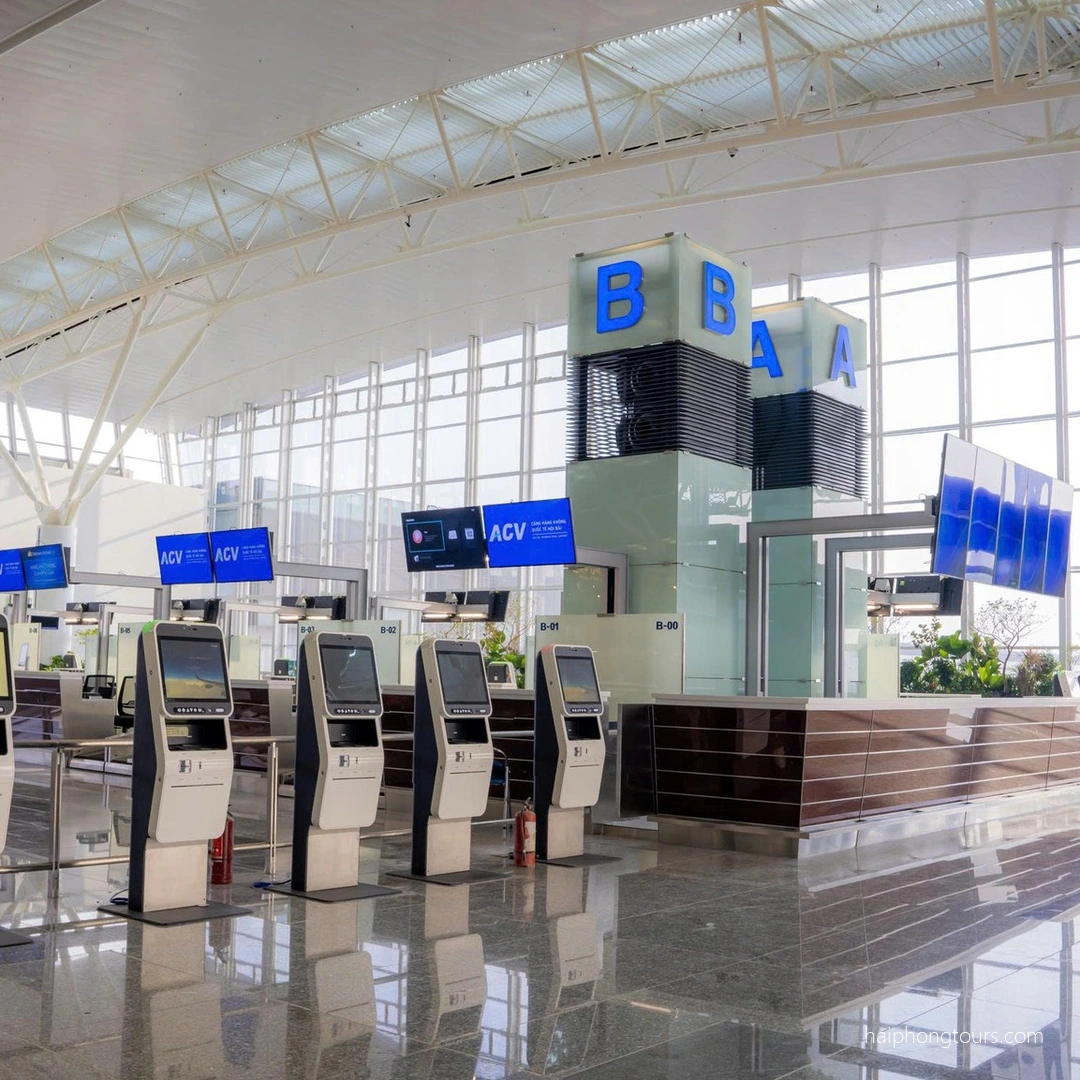
Pack a margin below the applicable weight and size boundary for multi-airline itinerary baggage planning. Home and airport scales can differ, and a last-minute coat, gift, or protective wrap adds weight or dimensions. Use strong closures, remove obsolete tags, label every resulting piece, and keep essential medicines, travel documents, money, electronics, and valuables in permitted cabin baggage.
- Read the free allowance from the exact issued ticket.
- Identify the operating carrier for every flight segment.
- Count, weigh, and measure each packed piece separately.
- Confirm prepaid eligibility and deadlines before paying.
- Retain the service record and baggage tag offline.
- Prepare a repacking or airport-excess fallback.
Create a baggage decision record
Ask another traveler to compare the multi-airline itinerary baggage planning record with the physical bags before departure. A second check can catch a swapped label, missing service confirmation, wrong segment, overlooked wheel, or item added after weighing. This is a packing check rather than an airline decision; if the ticket and official tool still conflict, the responsible carrier must resolve the rule.
Compare the available action routes
If the plan for multi-airline itinerary baggage planning exceeds the free allowance but remains eligible for prepaid baggage, compare the current cost and conditions early. If prepaid baggage is ineligible, unavailable, or insufficient, check the airport excess route. A piece outside ordinary outer limits may need advance agreement, repacking, special-baggage handling, or cargo instead of another ordinary fee.
Do not optimize multi-airline itinerary baggage planning by price alone. Consider whether the bag is standard, overweight, oversized, fragile, restricted, or difficult to divide; whether another carrier accepts it; and whether the traveler can safely move the final pieces. Keep enough airport time for inspection, payment, relabelling, and repacking.
Resolve differences before check-in
Do not treat a short connection or one booking email as proof that baggage will transfer between carriers. For multi-airline itinerary baggage planning, payment, a booking display, or previous acceptance does not promise space, through-check, transfer, price, refund, or carriage on the current flight.
Obtain segment-specific answers from the issuer and operating airlines, and allow time for collection, customs, recheck, and another security process. Ask a precise question that includes the ticket, passenger, segment, operator, piece count, weight, dimensions, and item type. Save the answer, but present the actual baggage for the required airport checks.
Recheck multi-airline itinerary baggage planning after a cabin or fare change, reissue, new route, schedule adjustment, aircraft substitution, operator change, split ticket, or additional item. Also remeasure after repacking. An ancillary tied to the old segment may need amendment and can be subject to a deadline or cost difference.
Final decision
Treat the multi-airline itinerary baggage planning plan as ready only when the ticketed allowance, operating flight, piece count, individual weights, linear dimensions, item restrictions, purchased services, deadlines, and airport fallback agree. If one element remains uncertain, reduce or repack the baggage and confirm the responsible Vietnam Airlines or operating-carrier process before check-in.
Useful guides for your trip
- Vietnam Airlines Economy Hand Baggage Allowance
- Vietnam Airlines Domestic Economy Checked Baggage Allowance
Need help with airport transfers or the rest of your Vietnam trip? Contact us with your confirmed flight details, destination and travel dates to discuss a suitable ground transfer or sightseeing plan.
