
Quick answer: Avoid an exit-row seat when traveling with an infant, child, or pet under the published requirements. Confirm the operating carrier and aircraft, fare or membership benefit, live inventory, passenger eligibility, deadline, payment, and final request status before travel. A displayed or previously selected position is not a guarantee that the assignment will remain unchanged.
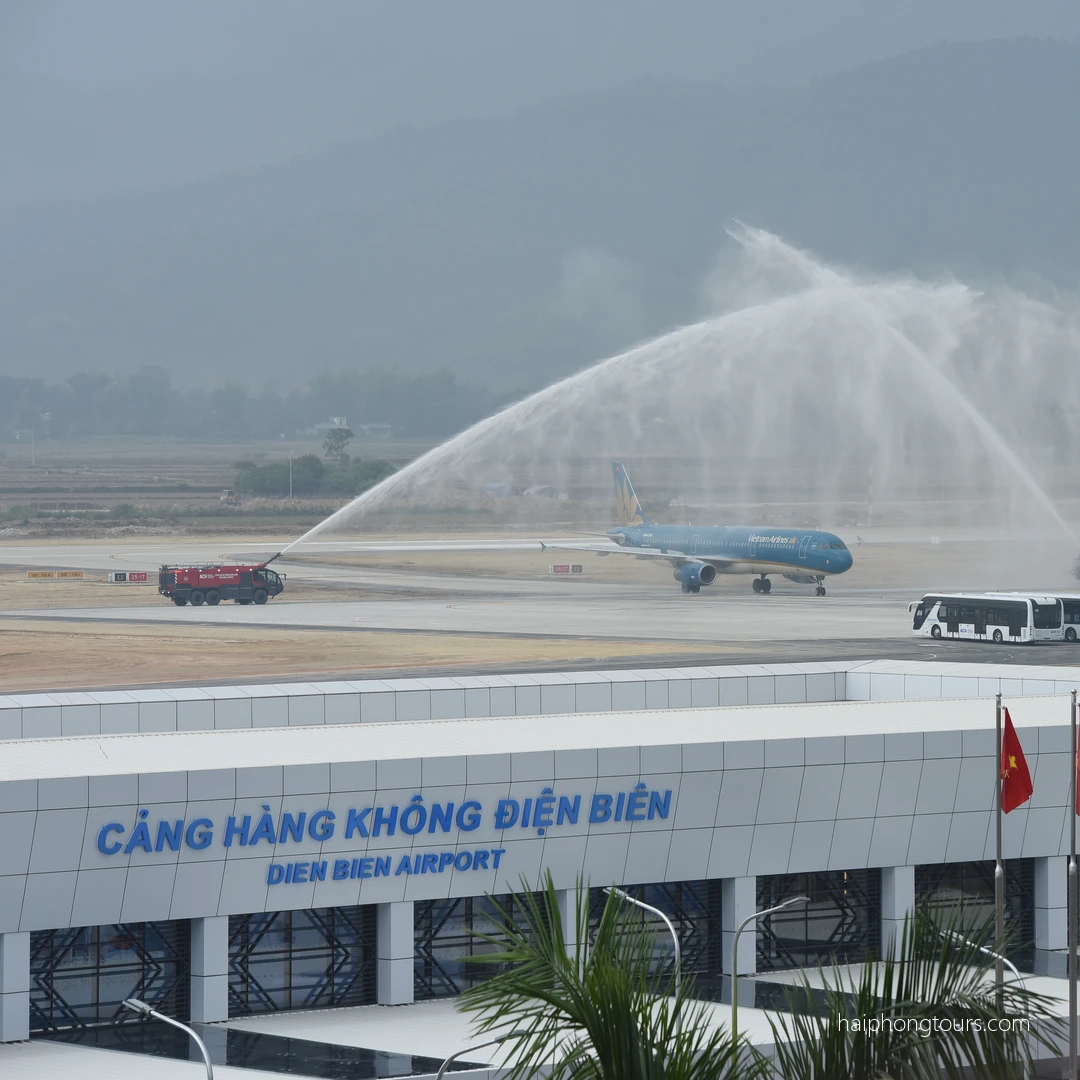
The current rule for exit-row travel-party conflict
Vietnam Airlines’ current exit-row document requires the occupant to be in good health and not be traveling with infants, children, or pets. The restriction reflects the need to focus immediately on emergency instructions and assistance rather than care for a dependent traveler or animal.
The rule concerns the exit-row occupant’s travel situation, not merely whether the infant, child, or pet is assigned in the same row. Booking systems can change, so an apparently selectable position does not replace the published eligibility test.
Make the decision before payment
When the booking includes an infant, child, or pet, choose a suitable non-exit-row position and ask the airline how the party should be seated. Recheck any adjacency request after an aircraft change and before boarding.
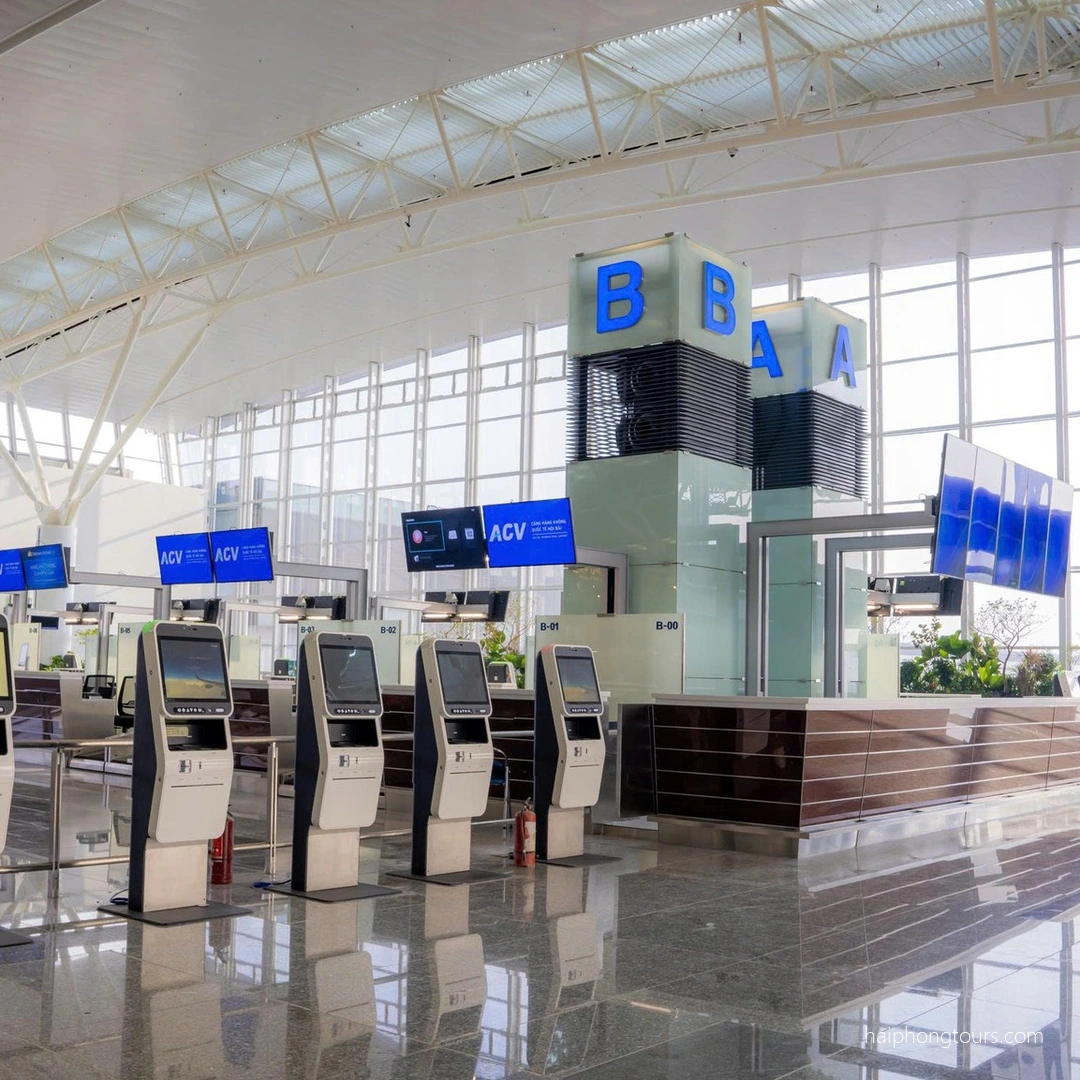
Inspect the passenger name, flight number, date, cabin, operating carrier, selected seat or requested service, and amount before confirming. If the map or service page does not match the itinerary, stop and resolve the mismatch rather than completing a speculative purchase.
Separate a seat choice from other airline services
Do not split the party on paper solely to obtain an exit-row seat. The operating carrier and cabin crew can assess the actual travel party and reassign an occupant for safety.
Use the channel that controls the record
When managing the seat or service request, start with the seller and system that issued the ticket or ancillary. The Vietnam Airlines website or app may support booking, Manage Booking, or online check-in, while an office or agent may need to handle a service sold in that channel. A codeshare can place control with the operating airline.
If self-service fails, capture the exact error and move to the appropriate office, agent, or airport fallback while the relevant deadline is still open. Avoid making several disconnected payments or bookings, because duplicate records can obscure which request is valid.
Check eligibility, not just availability
A visible seat is not automatically suitable for every traveler. Consider age, infant or child travel, pets, mobility or assistance, seatbelt-extension needs, comprehension of safety instructions, and willingness to perform exit-row duties where relevant. The operating carrier and cabin crew retain safety authority.
When choosing an extra-legroom exit row, apply every published condition, not only the minimum age. Travelers who do not qualify should choose a non-exit-row option. If a special service or infant arrangement applies, ensure that the seat and service records agree before reaching the airport.
Keep proof that identifies the exact flight
Keep the service request, pet or child record, seat assignments, and any airline seating instruction. If the map assigns an exit row unexpectedly, raise it before boarding rather than waiting for cabin crew to discover it.
- Verify the operating carrier, flight date, departure time, and cabin.
- Confirm the passenger’s fare, Lotusmiles details, and any applicable benefit.
- Read the live seat category, eligibility conditions, and displayed price.
- Complete payment or the service request before its published deadline.
- Save the receipt, seat or request status, and the updated itinerary.
- Recheck after a flight, aircraft, terminal, or schedule change.
Plan for changes without assuming a refund
Distinguish a voluntary preference change from a ticket exchange and from an airline operational change. Vietnam Airlines publishes a general non-refundable rule for advance seat selection, a separate process after a flight exchange, and a comparable-seat or current-policy refund approach when operations or aircraft changes disrupt the selection.
Use the rule that matches what happened. If the traveler changed the flight, inspect the new sector and service record. If the airline changed the aircraft or assignment, compare the replacement characteristic with what was purchased. If an agent sold the service, return to that seller with both the old and revised itinerary.
Reconfirm close to departure
Open the live booking again before check-in and after any notification affecting the seat or service. Confirm the seat number or special-service status, operating aircraft if shown, cabin, companions, and payment record. During online check-in, review the assignment rather than clicking through automatically.
At the airport, follow the operating carrier’s counter and cabin instructions. Safety, aircraft substitution, and operational needs can require reassignment even after payment. Raise a mismatch before boarding when possible, preserve the records, and handle any eligible service review through the proper channel after the immediate travel issue is settled.
Need help with airport transfers or the rest of your Vietnam trip? Contact us with your confirmed flight details, destination and travel dates to discuss a suitable ground transfer or sightseeing plan.
