
Use the vehicle manual and operator information to choose AC or DC equipment. The number printed on a charger is a maximum equipment rating, not a guaranteed rate for a particular car or session.
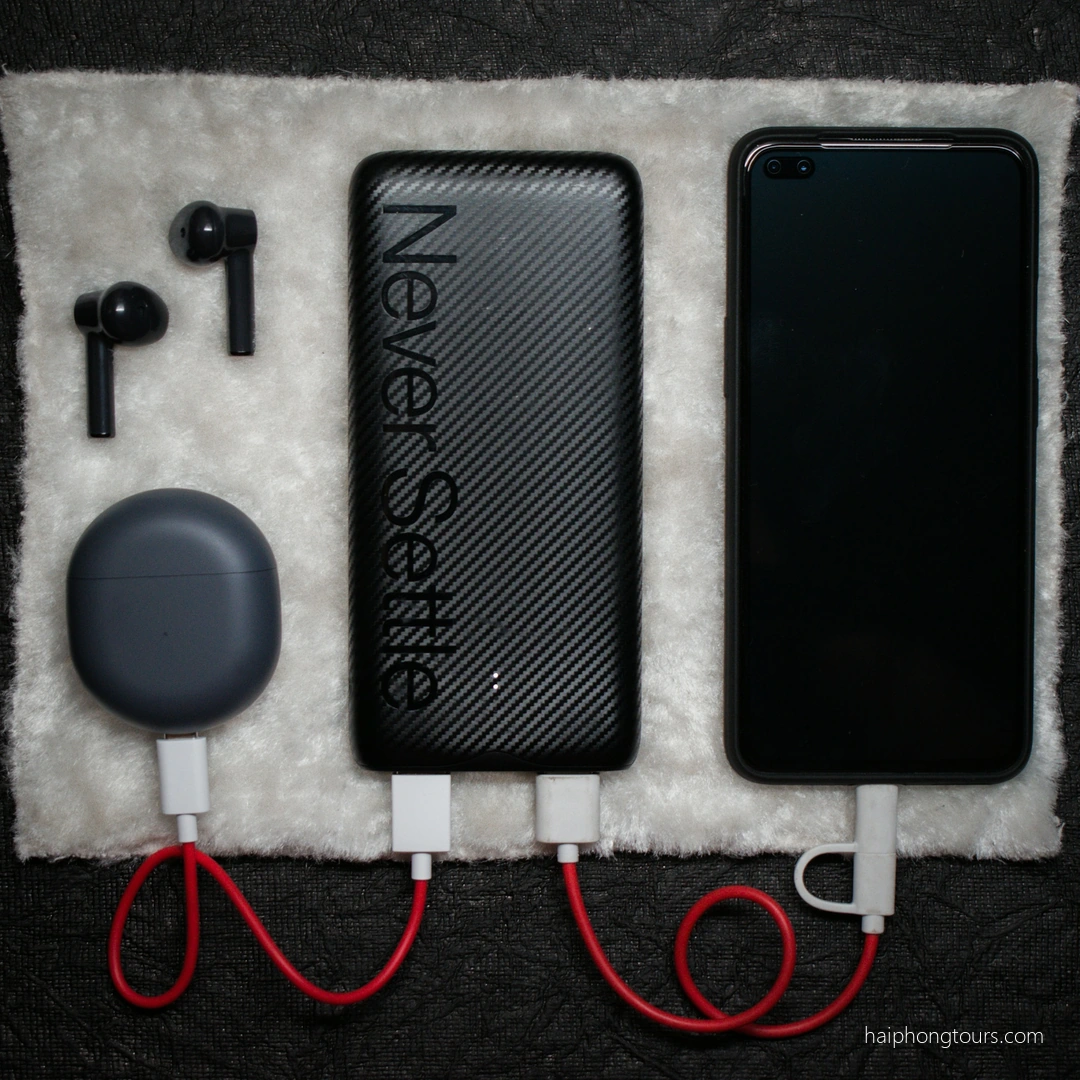
Inspect the bay, charger, cable and connector for visible damage or abnormal conditions before connecting.
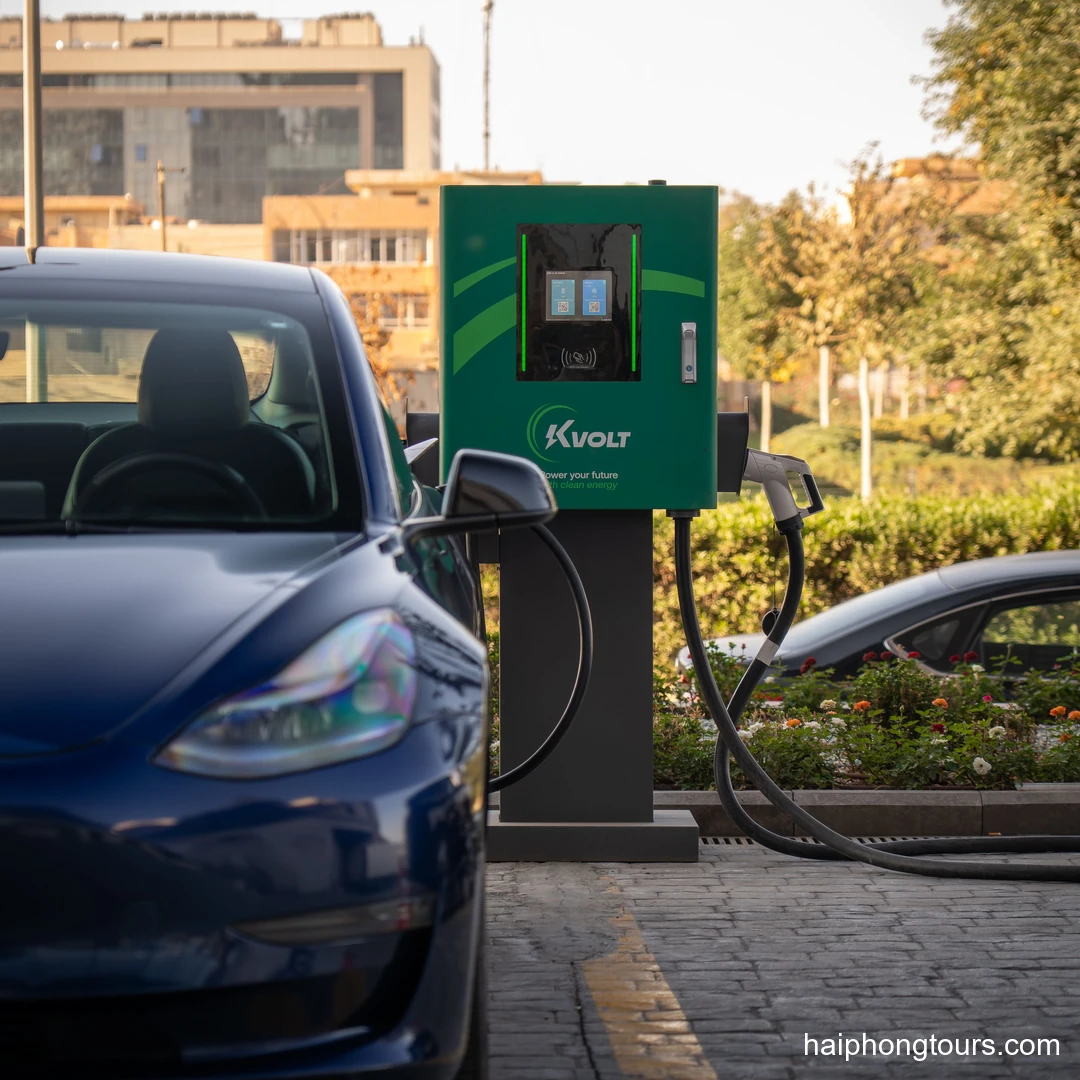
Choose equipment from the manual
Actual charging behavior can depend on vehicle acceptance, battery state, temperature, station conditions and system management. Plan time conservatively and avoid publishing a fixed session duration as if it applies to every visit.
Do not use an adapter, extension or damaged accessory unless the vehicle maker and operator expressly permit it for the exact setup.
Inspect before connecting
Park fully within the designated bay without blocking traffic. Check the charger, cable, connector, vehicle inlet and ground for visible damage, contamination, standing water, unusual heat, smoke, odor or other abnormal conditions.
Do not touch damaged equipment or attempt a repair. Keep people away, follow site emergency instructions and report the condition through the current operator channel from a safe location.
Read the charger display and indicator lights, but follow the current station instructions because equipment types can differ.
Stop at a visible defect
Inspect from a safe position before handling equipment. A damaged cable, exposed part, abnormal heat, smoke or another visible hazard is a reason to keep clear and alert the operator. Photograph an identifier only when safe; do not touch the defect to demonstrate it. Choose another approved unit after the operator confirms what is safe to use.
Would a private car with a driver fit your onward travel better? Contact us with your travel date, pickup, destination, group size and bags to ask about a suitable ground-travel plan and quotation.
