
Use tunnel emergency signs, bays, intercoms and control-room directions. Switch off the engine when instructed and do not reverse or make an unapproved turn. Smoke or fire changes the priority from vehicle recovery to evacuation.
Use the tunnel emergency route and obey control-room, sign and authority instructions after a breakdown.
Steps for this situation
Assess immediate danger first
Check for injury, fire, smoke, fuel or battery damage, floodwater, unstable ground and fast traffic. Call the appropriate emergency service for a life-threatening event and give the clearest location available.

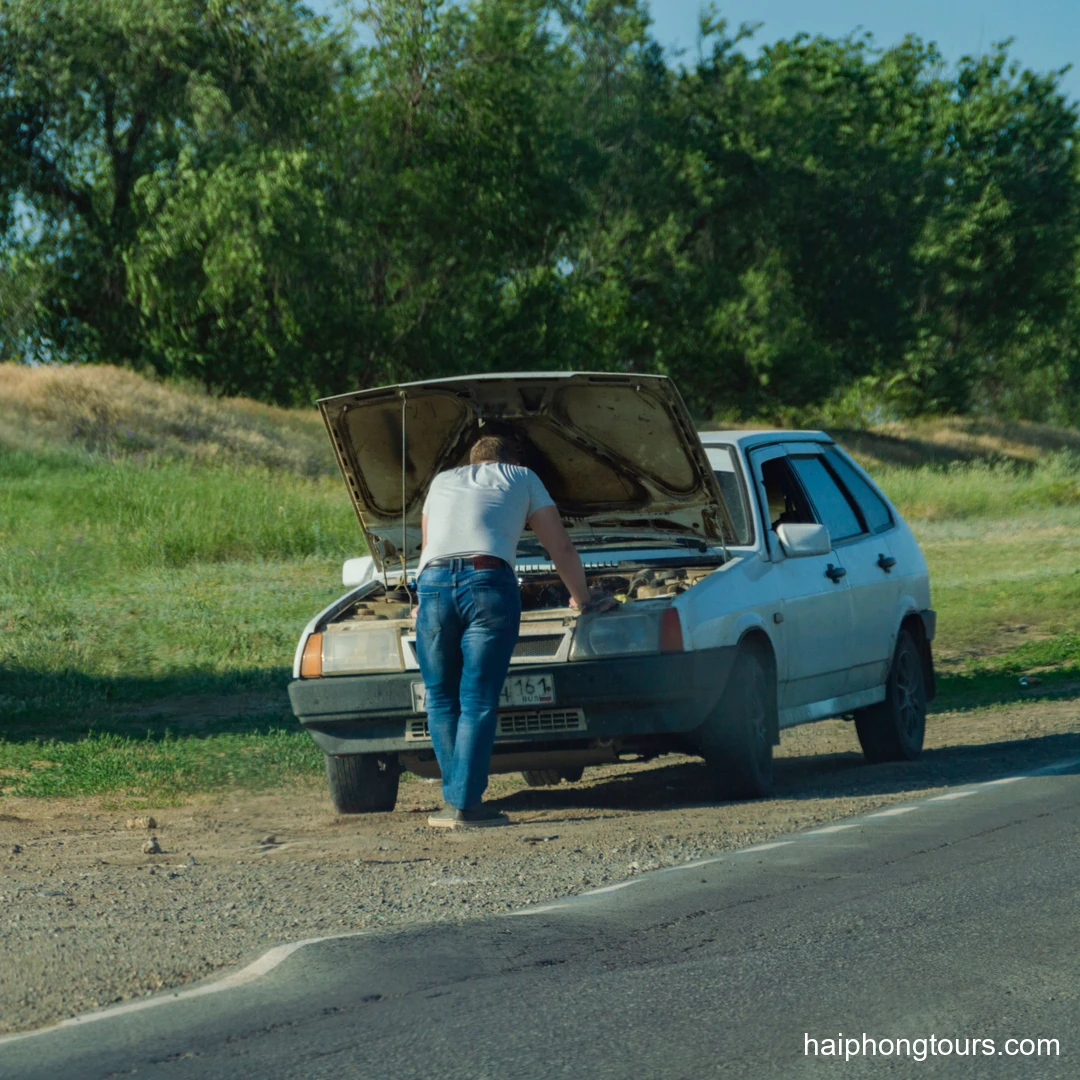
Do not attempt roadside diagnosis while standing in a live lane. Do not touch damaged electrical equipment, leaking fluid, hot components or dangerous cargo. Keep bystanders away and follow responder instructions.
Position occupants safely
Decide whether remaining in or leaving the vehicle creates less risk. Consider the traffic side, barriers, weather, fire, flood, a steep verge and the needs of children or reduced-mobility passengers.
Do not cross an expressway or stand between the disabled vehicle and approaching traffic. Follow staff or emergency directions when they specify a refuge, exit or protected waiting place.
Keep people clear of live traffic and immediate hazards while arranging help. For fire, injury, floodwater or another life-threatening situation, request the appropriate emergency service first and follow its directions.
Would you like help fitting this experience into your trip? Contact us with your travel dates, starting point, available time and group size. Tell us about walking limits or special interests so we can suggest a practical itinerary.
