
Do not try to board a Vietnam train with a known mismatch between the passenger and the name or identity number on the e-ticket. Vietnam Railways states that the passenger’s ID must match the e-ticket information. Contact the official railway channel or original seller before departure to learn whether the record can be corrected, changed, returned or must be replaced.
There is no safe universal rule that a “small” spelling error will be accepted. The available remedy can depend on the ticket type, sales channel, departure time and current rules. Preserve the original ticket and payment evidence, describe the discrepancy exactly, and obtain a documented answer rather than editing a PDF or hoping that station staff will overlook it.
Identify the exact mismatch
Place the ticket beside the document the passenger will carry. Compare the full name, identity or passport number, and any other identity field. Then confirm the train code, route and departure date so that the support request is tied to the correct ticket. Do not publish either document in a social-media group when asking for advice.
Classify the problem before contacting support:
- Typing error: one or more characters differ from the real passenger’s document.
- Wrong document: the passenger was booked with a different passport or identity number.
- Wrong traveler: the ticket contains another person’s name and is not simply misspelled.
- Formatting concern: spacing, accents or name order look different but the underlying identity may be the same.
Do not decide the outcome yourself. Even a formatting difference should be checked if the official verification tool or ticket display raises doubt. A ticket is evidence of a transport contract for the named passenger, not a blank seat reservation that can be transferred informally.
Check whether the ticket verifies
The official verification tool uses the ticket code, train code, departure station, arrival station, departure date and identity-document number shown on the ticket. Enter the ticket’s data exactly to confirm that the record exists. This does not cure a mismatch with the passenger’s real document; it simply helps distinguish an authentic but incorrect record from a missing or invalid one.
Save the result and note which field is wrong. If verification fails, recheck station and date formats, then escalate with the original confirmation. Do not repeatedly change inputs until something passes, because boarding staff will compare the traveler with the actual ticket record.
Contact the right support team
For a ticket bought on the official system, Vietnam Railways currently lists customer-care lines for ticket rules and plus for online payment and refund support. Explain the purchase channel, payment method, ticket code, train, date and exact mismatch. Ask which current remedy is permitted and what deadline and documents apply.
For an agency or platform purchase, contact that seller first because it controls the booking relationship and may need to submit the request. For a counter ticket, ask the station what the purchaser or passenger must bring. Keep the seller’s written response or railway case number; an informal message from an unrelated hotel or driver is not authorization to board.
Choose among correction, change, refund or repurchase
Use only a remedy the railway or seller confirms. Do not assume the current online date/time exchange feature can edit identity: the published function keeps passenger information and route unchanged. If a correction function is not offered, support may direct you to another procedure, a refund under applicable conditions or a new ticket.
Before returning the incorrect ticket, check replacement availability and total cost. A refund does not hold the same berth. If departure is near, a new correctly issued ticket may be the safest boarding solution, but confirm the status of the first record and preserve all evidence for later refund handling.
Never alter the PDF, image or QR code. A visually corrected file would not change the operator’s database and could create a more serious validity problem. Never let another passenger use the mismatched ticket simply because the seat would otherwise be empty.
Prepare for the station
Carry the identity document whose number appears on the final valid ticket. Save the ticket offline and keep the support acknowledgement if a permitted correction was made. Arrive with enough time for staff to inspect the record; a last-minute discussion at the gate is not a substitute for resolution.
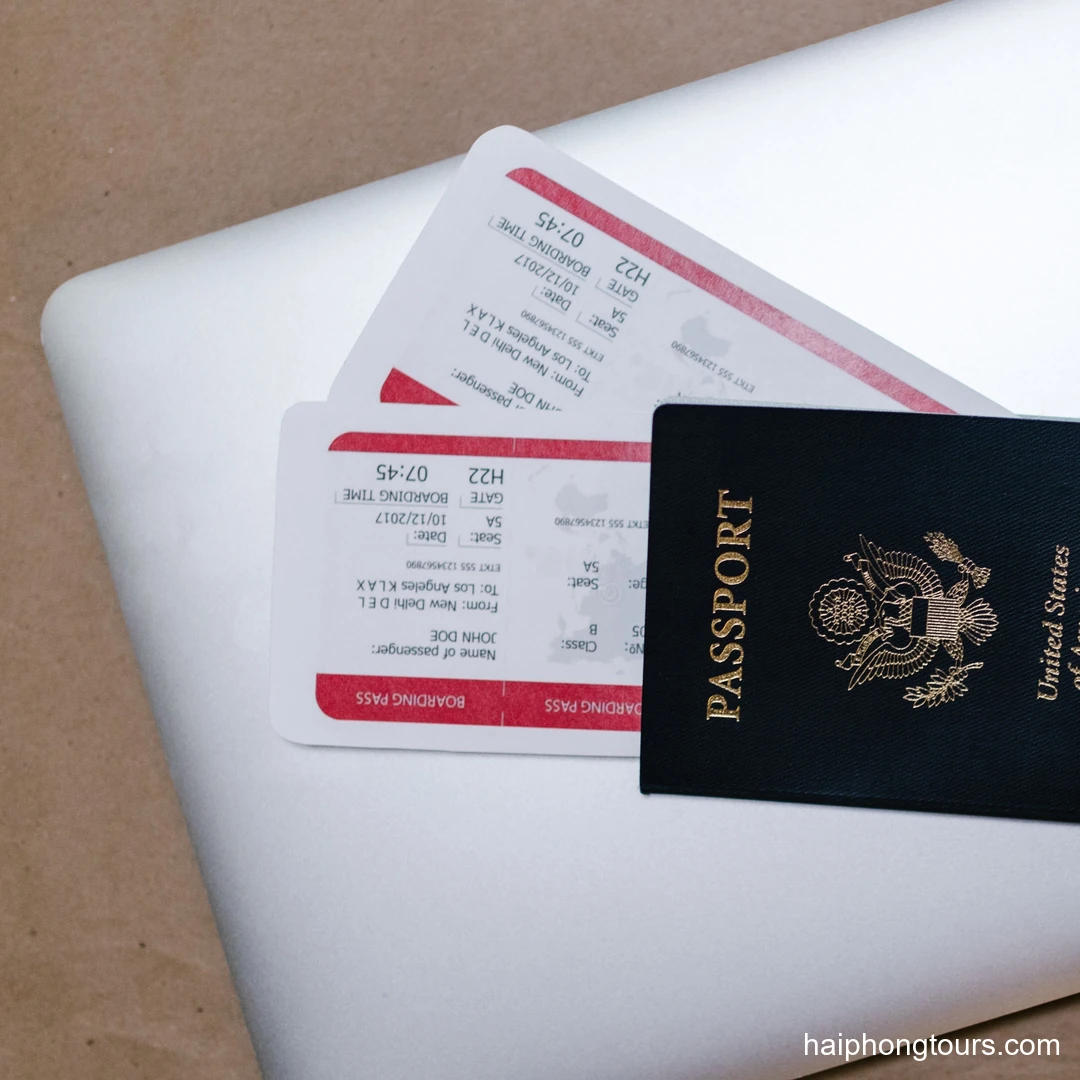
If the passenger renewed a passport after booking, carry the old document if legally available and ask the railway in advance what it will accept. Do not assume that a photo of an old passport is sufficient. International travelers should use the same romanized name and document number consistently across the ticket, hotel and onward bookings where possible.
Prevent identity errors on future bookings
Copy each passenger’s details directly from the document and let that passenger check them before payment. For families or groups, verify one row at a time rather than pasting names from a messaging app. Save the completion screen, then run an official ticket check while there is still time to seek help.
When a passenger holds more than one valid document, decide which one will be carried and use it consistently. Do not alternate passport numbers between booking, verification and station presentation. Photographing the correct document privately before data entry can reduce transcription errors, but delete unnecessary copies from shared devices afterward.

Hai Phong Tours cannot authorize a railway identity correction. Its useful role is limited to planning around the confirmed train schedule once the ticket is valid. The decision standard is simple: board only with an official ticket that belongs to the traveler and matches the identity document they will present.
Would a private transfer make this journey easier? Contact us with your travel date, exact pickup and drop-off, number of travelers and bags. Include any flight, train or cruise deadline so we can assess a suitable plan and quotation.
